複合材用木製パビリオン防水等級は、屋外での耐久性にどのような影響を与えますか
The Role of Raw Materials in Composite Wood Pavilion Waterproof Ratings
The durability and longevity of outdoor structures, such as composite wood pavilions, hinge significantly on the quality of the raw materials used in their manufacture. Key components, including wood powder, HDPE (High-Density Polyethylene) or PVC (Polyvinyl Chloride) polymers, additives, pigments, and modifiers, play distinct roles in determining the waterproof rating of these products. A robust waterproof rating not only affects the aesthetic appeal of the pavilion but also its performance in diverse weather conditions. Each material contributes uniquely to the structural integrity and overall functionality, ultimately influencing the longevity and usability of the pavilion outdoors.
Wood powder serves as one of the primary ingredients in composite wood production. Its characteristics are pivotal in ensuring that the finished product possesses sufficient strength and resilience against moisture. The quality of the wood powder, including its particle size and distribution, directly impacts the absorption of water and subsequent swelling or warping. When sourced from high-grade timber, wood powder promotes enhanced durability, while low-quality wood powder can lead to compromised structural integrity. Ensuring a consistent grain and moisture content is crucial for maintaining a high waterproof rating.
Importance of Polymers in Weather Resistance
The selection of HDPE or PVC polymers is equally important in developing high-performance composite wood products. These polymers exhibit excellent resistance to moisture, UV rays, and extreme temperatures, which are critical for outdoor applications. HDPE, for instance, is renowned for its strength and durability, making it an ideal choice for outdoor environments where exposure to elements is inevitable. The right polymer blend, tailored to complement the wood powder, can significantly enhance the waterproof rating, ensuring that the pavilion withstands rain and humidity without degrading.
Moreover, the combination of polymers with wood powder must be carefully controlled. During the extrusion process, proper thermal settings and pressure levels are paramount. This ensures that the polymers adequately encapsulate the wood particles, thereby creating a composite material with improved waterproof properties. Inadequate processing can lead to delamination or water ingress, which undermines the pavilion’s structural integrity over time.
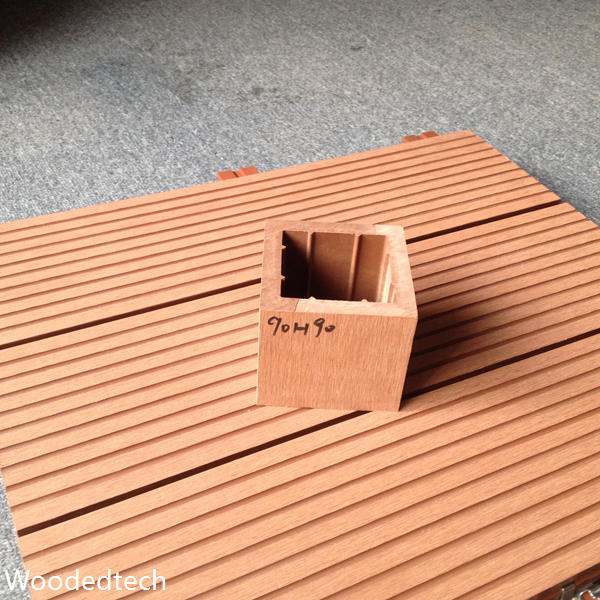
Additives and Modifiers: Enhancing Performance
Additives and modifiers are often incorporated into the composite mixture to enhance various performance characteristics, including waterproofing. Common additives such as coupling agents can improve the bond between the wood and polymer, thus enhancing the overall durability of the composite. Additionally, anti-fungal and anti-mould agents can prevent biological degradation, which is crucial in maintaining the pavilion’s appearance and structural integrity.
Furthermore, UV stabilisers are critical in mitigating the effects of sun exposure. Without these additives, the surface of the pavilion can become brittle and discoloured over time, leading to a decrease in waterproof effectiveness. By ensuring that the composite material is fortified with appropriate additives, manufacturers can significantly extend the lifespan and aesthetic appeal of outdoor pavilions.
品質保証のための工場検査方法