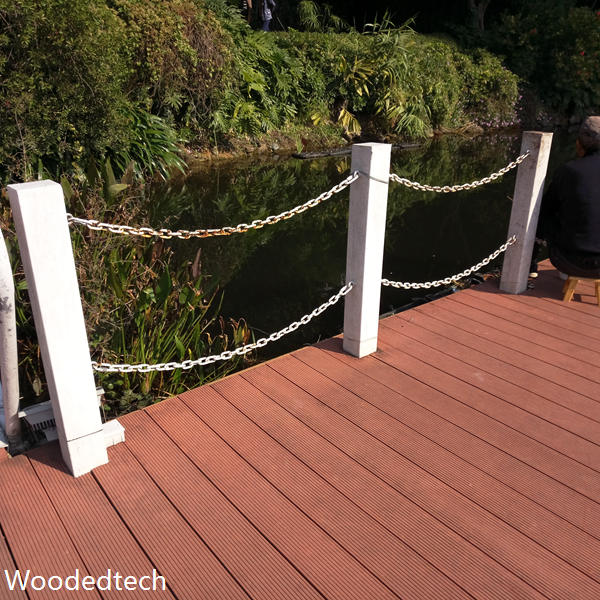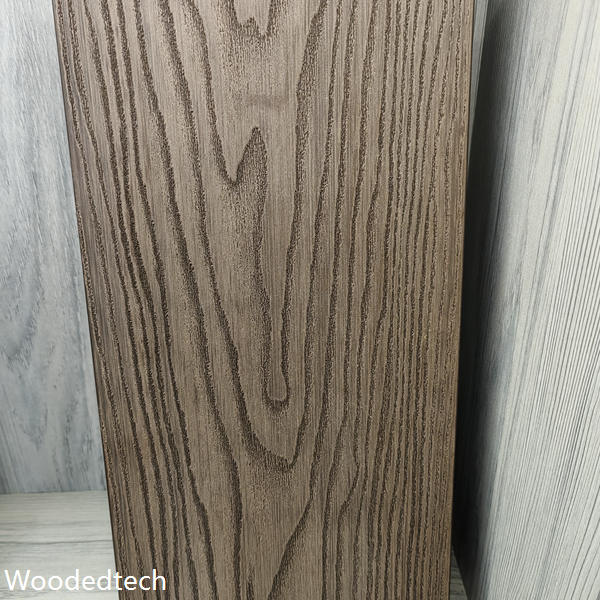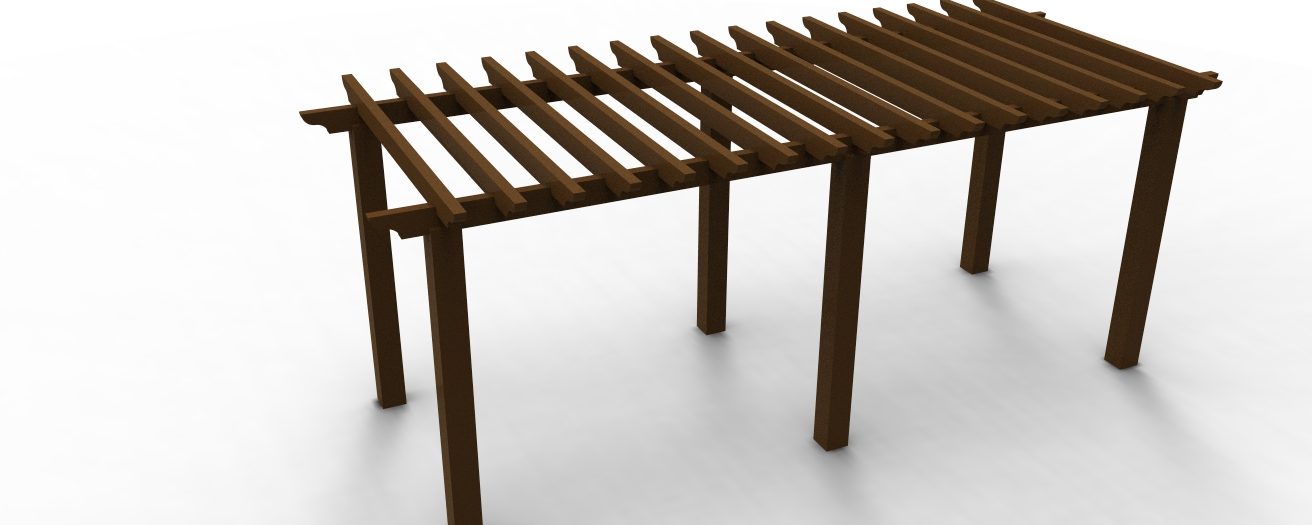
How does composite timber plastic Canopy provide outdoor shading solutions
Composite Timber Plastic Canopy Versus Natural Wood
The use of composite timber plastic in outdoor canopies has become increasingly popular, especially when compared to natural wood. Composite materials, made from a blend of recycled wood and plastic, offer an attractive alternative to traditional timber due to their durability and resistance to the elements. Natural wood, while aesthetically pleasing and offering a classic look, tends to suffer from decay, warping, and insect damage over time. In contrast, composite timber plastic canopies are engineered to resist these issues, providing longevity without the need for frequent replacement.
Additionally, composite timber plastic canopies require significantly less maintenance than natural wood. Natural wood structures typically demand regular staining or sealing to maintain their appearance and structural integrity. This ongoing upkeep not only incurs additional costs but also requires time and effort. Composite materials, however, usually need only occasional cleaning with soap and water to retain their visual appeal, making them a more convenient option for busy property owners.
Comparing Composite Timber Plastic Canopies with Traditional Timber
Traditional timber, while offering a warm and inviting aesthetic, often struggles to meet the demands of exterior applications. The susceptibility of wood to moisture-related issues can lead to issues such as swelling and cracking. Moreover, traditional timber structures may require treatments to protect against mould and mildew, adding to lifecycle costs. On the other hand, composite timber plastic canopies are designed to withstand harsh weather conditions, including heavy rains and intense UV exposure. Their formulation allows them to retain structural integrity without absorbing moisture, thus preventing the common pitfalls associated with traditional timber.
Lifecycle costs can also be significantly lower with composite materials. Although the initial investment might be higher than that of some traditional timber options, the long-term savings derived from reduced maintenance and replacement costs make it a financially sound choice for many. Over time, the lower upkeep requirements of composite timber plastic canopies contribute to a more sustainable investment.
Aluminium Canopies: A Comparative Analysis
Aluminium is another popular choice for outdoor canopies, praised for its strength and weather resistance. However, while aluminium structures are lightweight and durable, they can lack the warm appeal that composite timber plastic or natural wood provides. Composite timber plastic canopies offer a more natural look that blends seamlessly with garden aesthetics, making them particularly appealing for residential applications.
Moreover, aluminium canopies can be prone to issues such as oxidation, leading to unsightly surface degradation over time. Composite timber plastic, conversely, does not rust or corrode, maintaining its appearance and functionality across years of exposure to the elements. This resilience plays a significant role in the lifecycle costs associated with each material, as composite timber plastic eliminates the need for protective coatings that aluminium may require.
Maintenance Requirements for Outdoor Canopies
The maintenance requirements of outdoor canopies made from different materials can vastly impact their long-term viability. Composite timber plastic canopies stand out for their low maintenance needs. They do not require the same level of care as natural wood, which must be regularly treated to extend its lifespan. This is particularly advantageous for busy property owners who desire a functional yet visually appealing shading solution without the burden of intensive upkeep.
Traditional timber canopies demand consistent attention, especially in environments prone to harsh weather. This not only increases the time and effort required for maintenance but also contributes to higher costs associated with repairs and replacements. Composite timber plastic, with its inherent durability and lower maintenance needs, presents a more efficient and cost-effective solution for those seeking outdoor shading.
Lifecycle Costs and Sustainability
When evaluating the lifecycle costs of outdoor canopies, it is essential to consider both the initial investment and long-term savings associated with different materials. Composite timber plastic canopies may come with a higher upfront price tag, but their extended lifespan and minimal maintenance can lead to substantial savings over time. This makes them a particularly attractive option for commercial applications where longevity and durability are paramount.
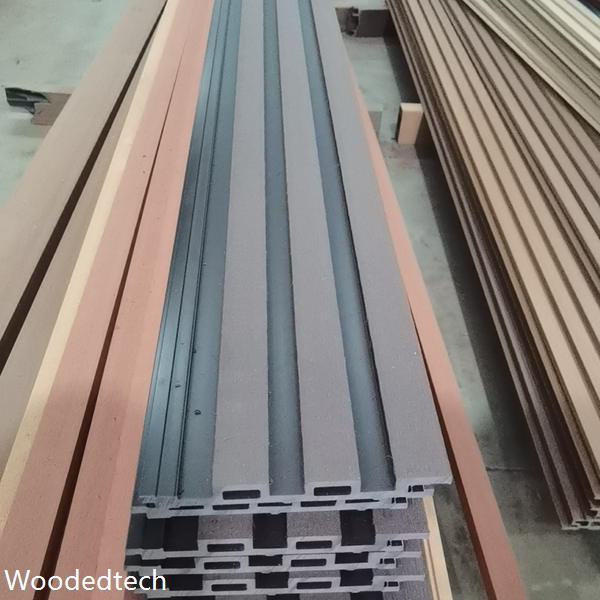
Sustainability is another critical factor in today’s construction landscape. Composite timber plastic canopies are often made from recycled materials, reducing waste and promoting environmentally friendly practices. This stands in stark contrast to traditional timber, which can contribute to deforestation if not sourced responsibly. By opting for composite materials, property owners can invest in a solution that not only addresses their immediate needs for outdoor shading but also aligns with broader sustainability goals.