Arbor Legno di plastica contro legno naturale per il paesaggio all'aperto
Comprendera il legno di plastica di Arbor
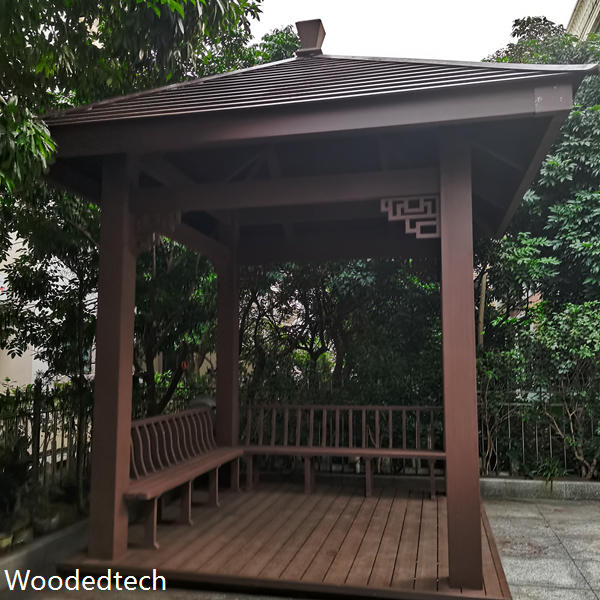
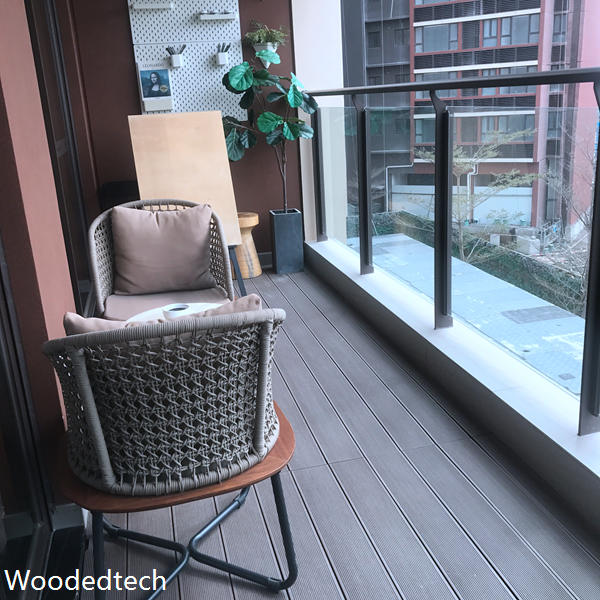
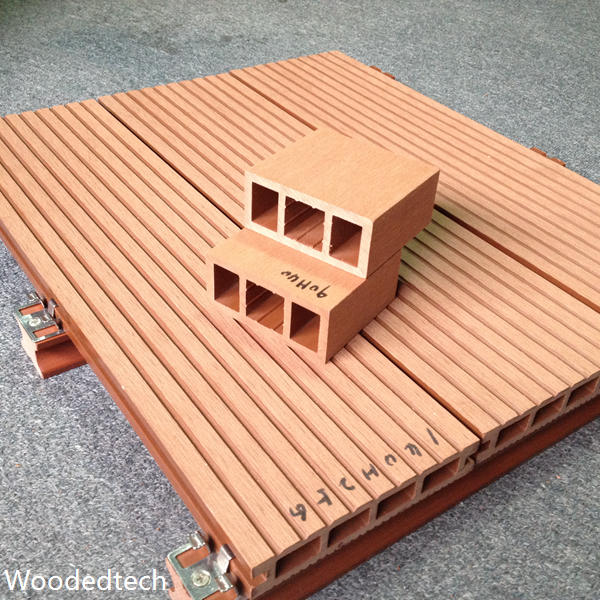
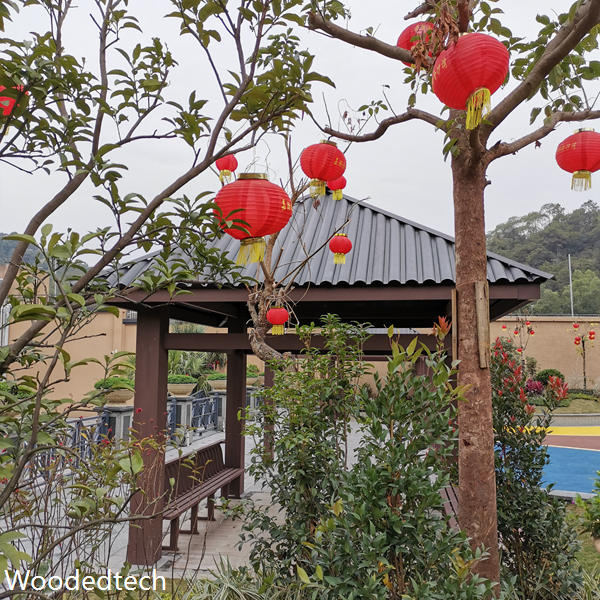
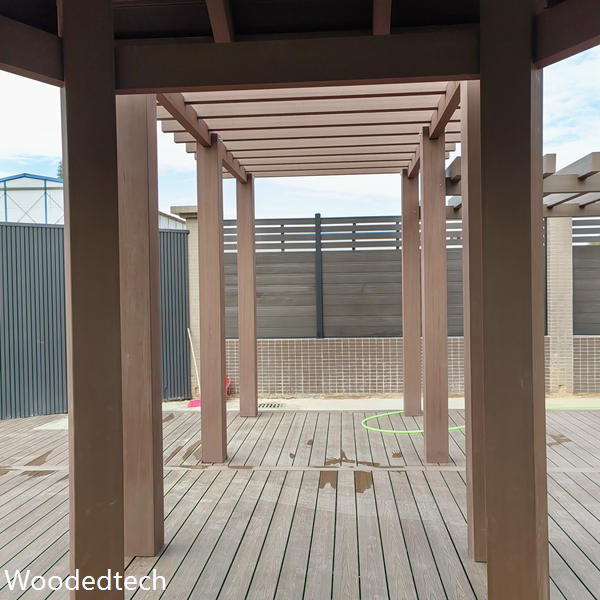
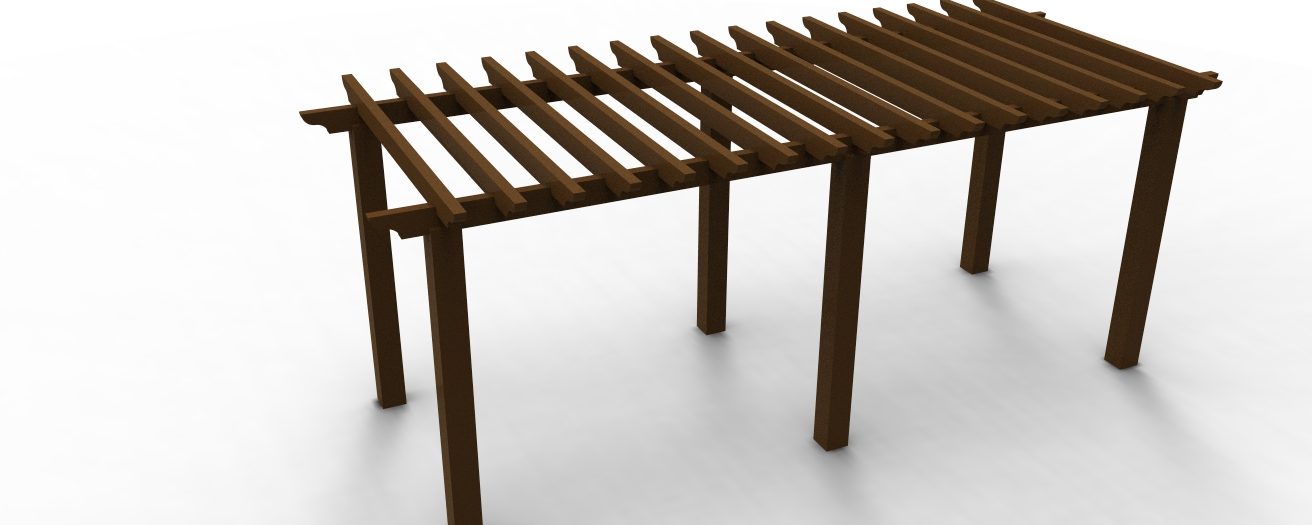
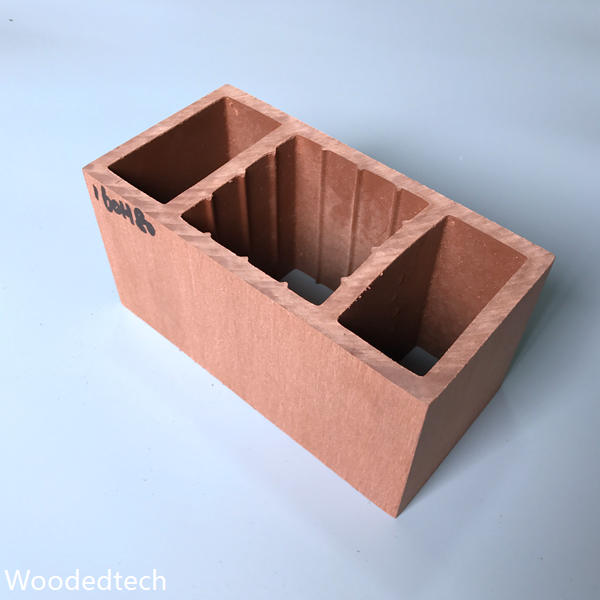
Il legno di plastica di Arbor, un materiale composito ricavato da una miscela di fibre di legno riciclato e plastica, sta sempre più sostituendo il legno naturale nel paesaggio esterno.Questa soluzione innovativa cattura il fascino estetico del legno tradizionale, offrendo al contempo una maggiore durata e minori requisiti di manutenzione.Progettato pensando all'utente moderno, il legno plastico per arbor è diventato una scelta popolare per strutture come pergole, gazebo e scherma, consentendo ai proprietari di case di godersi la bellezza del legno senza gli oneri che vengono con prodotti naturali.
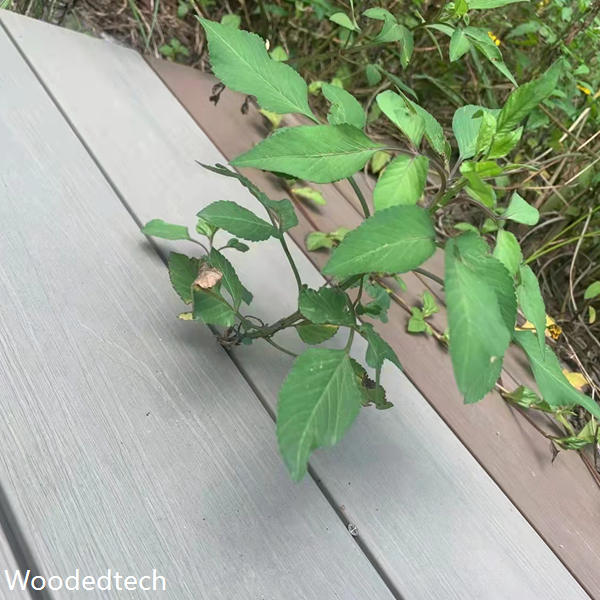
Uno dei vantaggi più importanti del legno di plastica per arico è la sua resistenza agli elementi.A differenza del legno naturale, che può deformare, rompere o decadere quando esposto a umidità o temperature estreme, questo materiale composito è progettato per resistere ai rigori della vita all'aperto.La sua intrinseca resistenza ai parassiti come le termiti aggiunge ulteriormente alla sua longevità, rendendola un'opzione pratica per coloro che cercano una soluzione paesaggistica di lunga durata.
Legno naturale: bellezza e vulnerabilità
Il legno naturale è stato a lungo apprezzato per la sua bellezza e calore, rendendolo uno dei preferiti per il paesaggio all'aperto.Dai classici pergoli in legno all’elegante scherma in legno, il fascino visivo del legno naturale rimane ineguagliato negli occhi di molte persone.Tuttavia, questa bellezza ha un costo.Il legno naturale richiede una manutenzione regolare per preservarne l'aspetto e l'integrità.Questo spesso include la colorazione, la sigillatura e il trattamento del legno per proteggerlo dall'umidità e dai danni degli insetti.
Inoltre, l'impatto ambientale dell'approvvigionamento di legno naturale non può essere trascurato.Le pratiche di disboscamento insostenibili possono portare alla deforestazione, contribuendo alla perdita di habitat e ai cambiamenti climatici.Mentre ci sono opzioni sostenibili disponibili, spesso arrivano a un prezzo più alto, complicando ulteriormente la decisione per gli acquirenti eco-consapevoli.
Manutenzione: Un Differenziatore Chiave
Quando si confronta il legno di plastica del pergolato rispetto al legno naturale, la manutenzione è un fattore decisivo che non può essere ignorato.I proprietari di strutture realizzate in legno naturale in genere hanno bisogno di investire tempo e denaro per la manutenzione.Ciò include ispezioni regolari per i segni di usura, nonché l'applicazione di rivestimenti protettivi per mantenere il suo appeal estetico.Al contrario, coloro che optano per il legno di plastica per arbor godono di una significativa riduzione delle responsabilità di manutenzione.Un semplice lavaggio con acqua e sapone è spesso tutto ciò che è necessario per mantenere queste strutture incontaminate nel corso degli anni.
Questo aspetto a bassa manutenzione non solo consente di risparmiare tempo ai proprietari di case, ma riduce anche i costi a lungo termine associati alle riparazioni e alle sostituzioni.Per le famiglie impegnate o per coloro che preferiscono trascorrere i loro fine settimana godendo dei loro spazi esterni piuttosto che mantenerli, questo è un vantaggio significativo.
Longevità e cost-efficacia
La longevità del legno di plastica per arbor è un altro motivo convincente per cui sta guadagnando popolarità nel paesaggio all'aperto.Mentre il legno naturale può richiedere la sostituzione ogni decennio o giù di là, soprattutto se sottoposto a condizioni meteorologiche difficili, il legno di plastica del pergolato può durare per decenni con un degrado minimo.Questa impressionante durata della vita si traduce in un'efficacia dei costi nel tempo, poiché i proprietari di case non dovranno frequentemente reinvestire in sostituzioni o riparazioni.
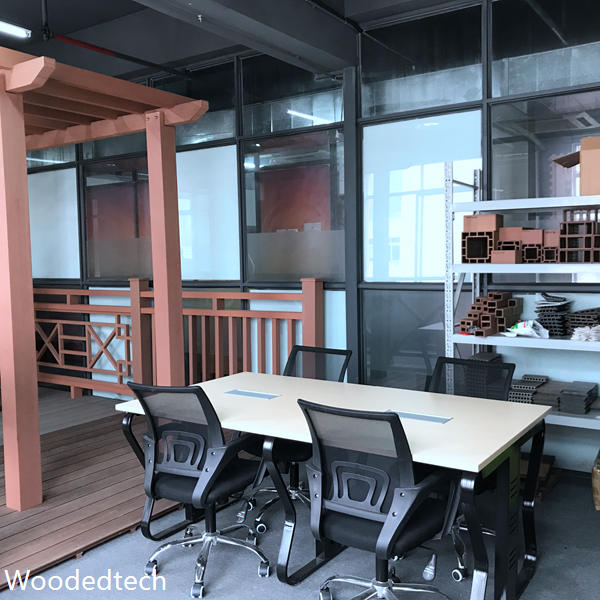
Inoltre, l'investimento iniziale in legno di plastica per arbor può essere paragonabile o addirittura inferiore a quello dei prodotti in legno naturale di alta qualità.Data la sua durata e le basse esigenze di manutenzione, i proprietari di case scoprono di poter raggiungere un bellissimo spazio esterno senza i costi continui associati al legno tradizionale.
Scegliere l'opzione giusta per il tuo spazio esterno
La selezione tra legno di plastica per arbor e legno naturale per strutture come pergole, gazebo o scherma dipende in ultima analisi dalle preferenze individuali e dallo stile di vita.Per chi valorizza la sostenibilità e la bassa manutenzione, il legno di plastica per arroi presenti un'alternativa accattivante che non scende a compromessi sull'estetica.La sua capacità di imitare l'aspetto del legno offrendo al contempo caratteristiche prestazionali superiori lo rende un ottimo candidato per i progetti all'aperto moderni.
Al contrario, il legno naturale può ancora avere un certo fascino per gli appassionati che apprezzano le sue qualità uniche e sono disposti a investire nella manutenzione necessaria.Comprendere le differenze di manutenzione, longevità e costi complessivi può aiutare gli acquirenti a prendere una decisione informata che meglio si adatta alle loro esigenze e migliora i loro sforzi di paesaggistica all'aperto.