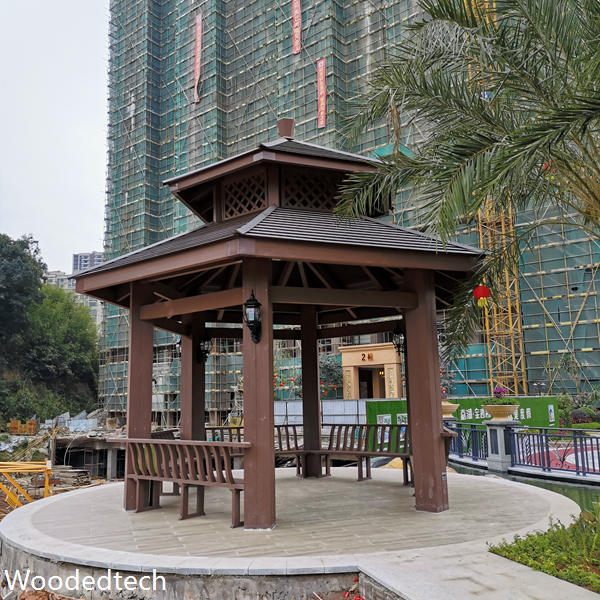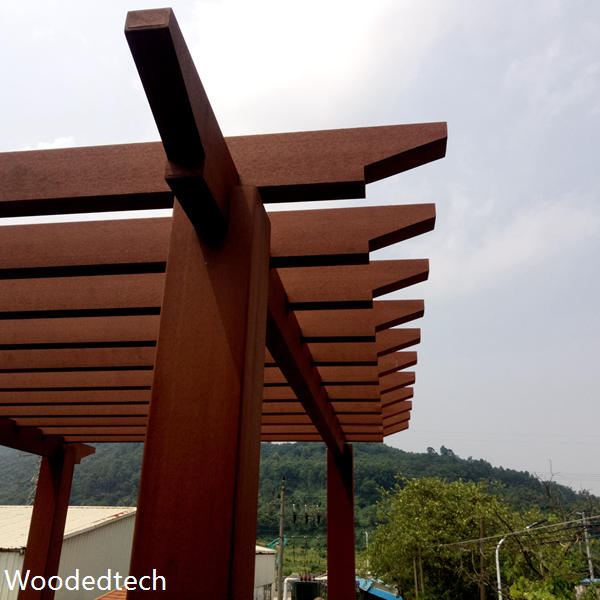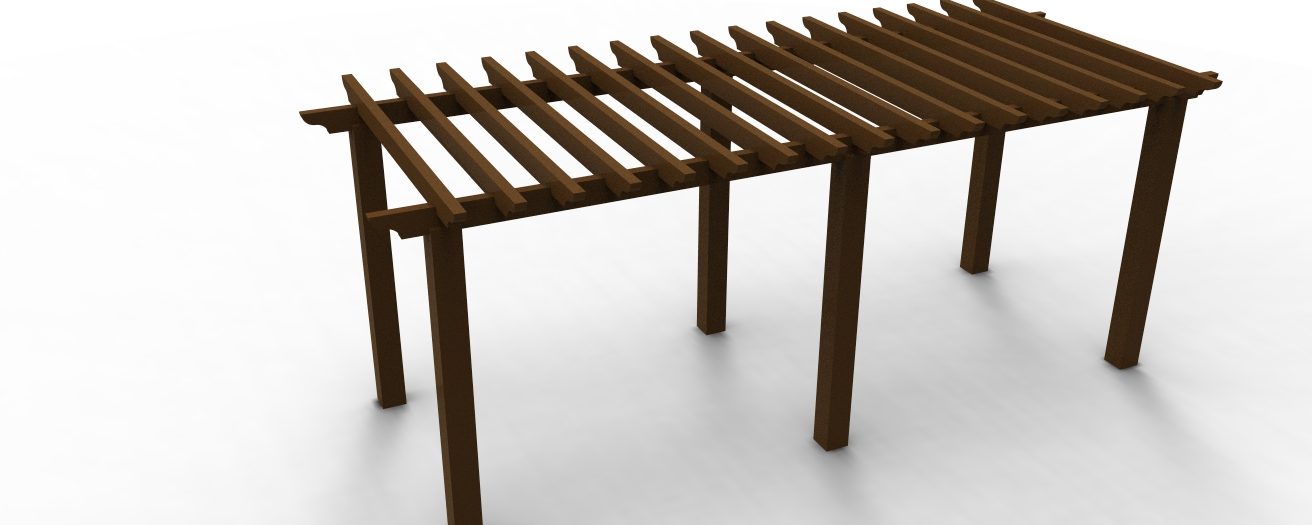
Struttura di legno composito di legno del polimero per il comfort all'aperto
I vantaggi delle strutture di tonalità di legno del polimero composito
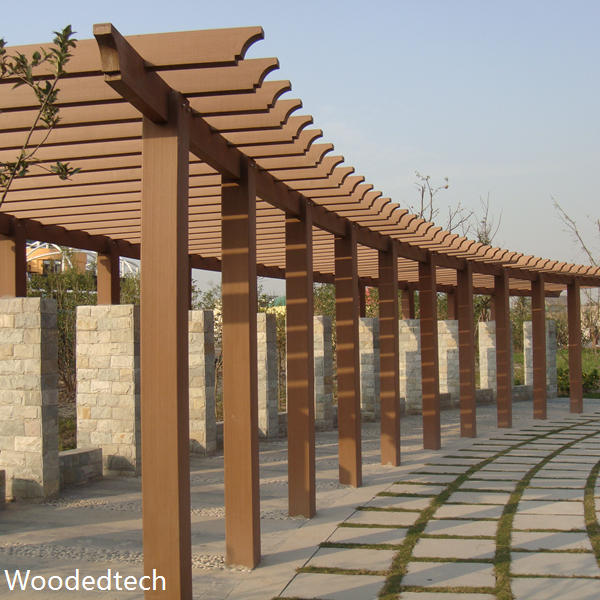
Le strutture di ombreggiature in legno polimerico composito hanno guadagnato popolarità nel design all'aperto grazie alla loro miscela unica di durata e appeal estetico.A differenza del legno tradizionale, che può deformare e decadere nel tempo, i materiali compositi sono progettati per resistere agli elementi.Ciò significa che i proprietari di case e le aziende possono godere della bellezza di un aspetto in legno senza il mal di testa di manutenzione tipicamente associato al legno naturale.Che si tratti di una pergola, di un gazebo o di qualsiasi altra installazione esterna, il legno polimerico composito offre resilienza che è difficile da abbinare.
Uno dei vantaggi chiave delle strutture di ombreggiature in legno polimerico composito è la loro resistenza all'umidità e alle radiazioni UV.Il legno naturale spesso soccombra a marciume, muffe e infestazioni di insetti quando esposto a umidità costante.Al contrario, i materiali compositi sono intrinsecamente resistenti, rendendoli ideali per le regioni con tempo fluttuante.Inoltre, la protezione UV integrata di questi materiali garantisce che mantengano il loro colore e la loro integrità nel tempo, il che significa che la tua struttura esterna continuerà a sembrare fresca e invitante.
Durata comparativa del WPC e del legno naturale
Quando si valutano le strutture esterne, la durata dovrebbe essere una delle principali preoccupazioni.WPC, o composito di plastica del legno, è progettato specificamente per combattere le carenze del legno naturale.Mentre il legno può fornire un aspetto classico, spesso richiede una manutenzione regolare, come la colorazione e la sigillatura, per prolungare la sua durata di vita.Le strutture di ombreggiature in legno polimerico composito, d'altra parte, richiedono una manutenzione minima.Un semplice lavaggio con acqua e sapone è in genere tutto ciò che è necessario per mantenere loro il meglio.
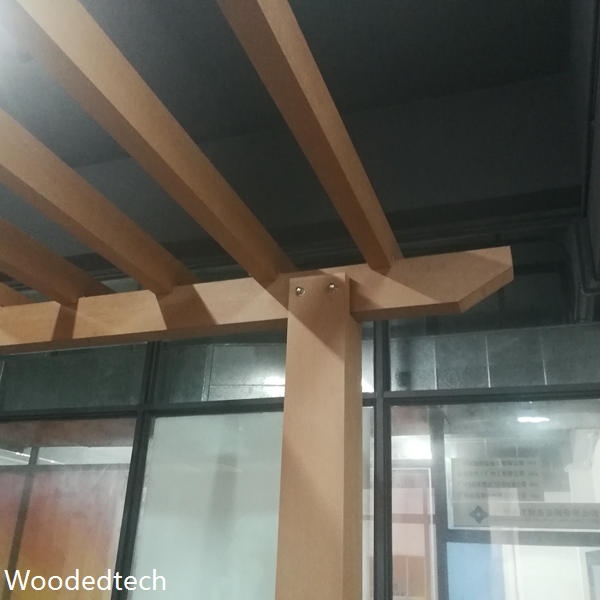
Questa notevole durata non riguarda solo l'estetica.In ambienti che sperimentano un forte maltempo, come la pioggia intensa o la neve, il legno naturale può diventare compromesso, portando a costose riparazioni o sostituzioni.I materiali compositi, essendo meno porosi, non assorbono l'acqua come fa il legno.Questa caratteristica consente loro di mantenere la loro integrità strutturale anche nelle condizioni più difficili, assicurando che il tuo investimento rimanga solido e sicuro.
Impatto ambientale e sostenibilità
Un'altra area in cui le strutture di tonalità di legno polimerico composito brillano è nella loro sostenibilità ambientale.Molti produttori creano prodotti WPC utilizzando materiali riciclati, che aiutano a ridurre gli sprechi e ridurre la domanda di nuovo legname dalle foreste.Questo approccio ecologico è particolarmente attraente per i consumatori attenti all'ambiente che desiderano bellissimi spazi esterni senza contribuire alla deforestazione.
Al contrario, la raccolta del legname naturale può avere effetti negativi sugli ecosistemi, portando alla perdita di habitat e al declino della biodiversità.Scegliendo materiali compositi, i consumatori non solo godono dei vantaggi di una struttura di tonalità elegante e durevole, ma contribuiscono anche positivamente all'ambiente.
Design Versatilità e appeal estetico
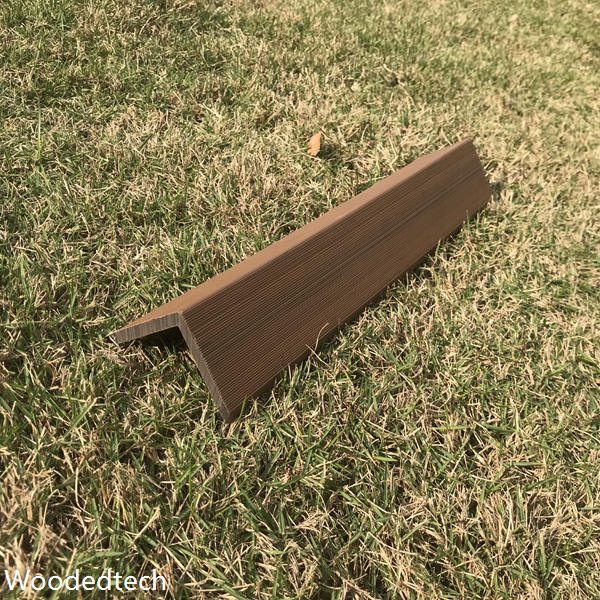
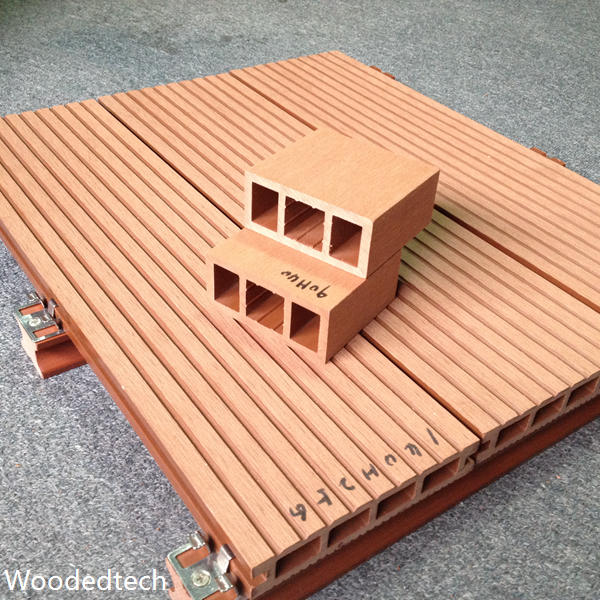
Oltre ai loro vantaggi pratici, le strutture di ombre in legno polimerico composito offrono una vasta gamma di possibilità di progettazione.Disponibili in vari colori, texture e finiture, queste strutture possono essere adattate a qualsiasi stile architettonico.Sia che tu preferisca un look contemporaneo o un design più tradizionale, i materiali compositi possono imitare l'aspetto del legno naturale fornendo prestazioni superiori.
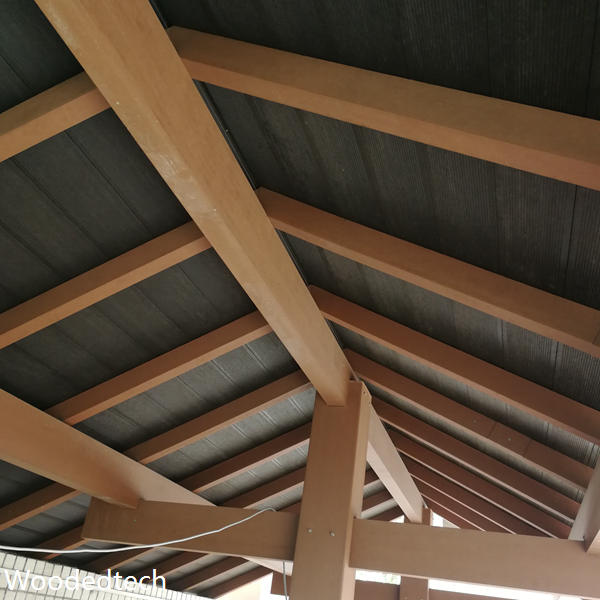
Questa versatilità significa che i proprietari di case e i designer possono creare spazi esterni che sono sia funzionali che visivamente sbalorditivi.Pergole e gazebo realizzati in legno polimerico composito possono servire come punti focali in giardini o patii, migliorando l'estetica generale fornendo al contempo l'ombra e il riparo tanto necessari.Inoltre, la capacità di personalizzare queste strutture consente di progettare design unici in grado di soddisfare esigenze e gusti specifici.
efficienza dei costi a lungo termine
Investire in strutture di ombreggiamento in legno polimerico composito può produrre benefici finanziari a lungo termine.Sebbene il costo iniziale possa essere superiore a quello del legno naturale, il risparmio sulla manutenzione e sostituzione nel tempo può essere significativo.La ridotta necessità di riparazioni e manutenzione significa che i proprietari di case possono allocare le loro risorse altrove, sia che si tratti di migliorare ulteriormente i loro spazi esterni o di investire in ulteriori miglioramenti domestici.
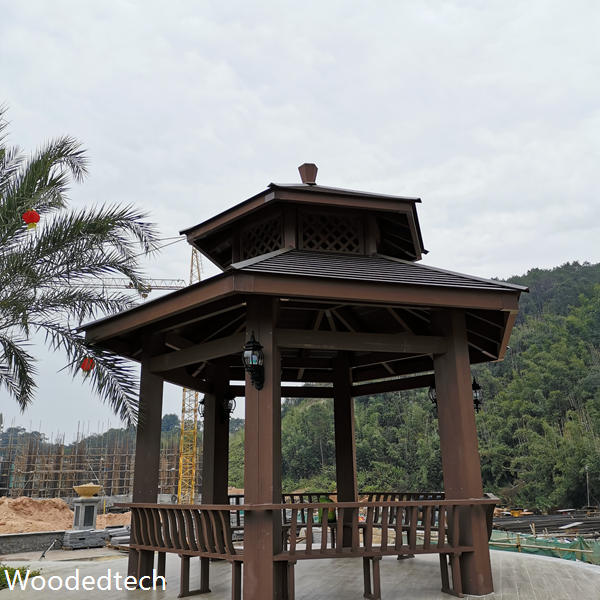
Inoltre, la durata di una struttura in legno polimerico composito supera spesso quella del legno tradizionale, rendendolo una scelta finanziaria intelligente.Con la capacità di resistere alla prova del tempo e degli elementi, queste strutture rappresentano un investimento che ripaga sia nella durata che nello stile, fornendo in definitiva un valore eccezionale.