Costo e valore del reticolo di legno di plastica per progetti all'aperto
Comprendere il reticolo di legno di plastica
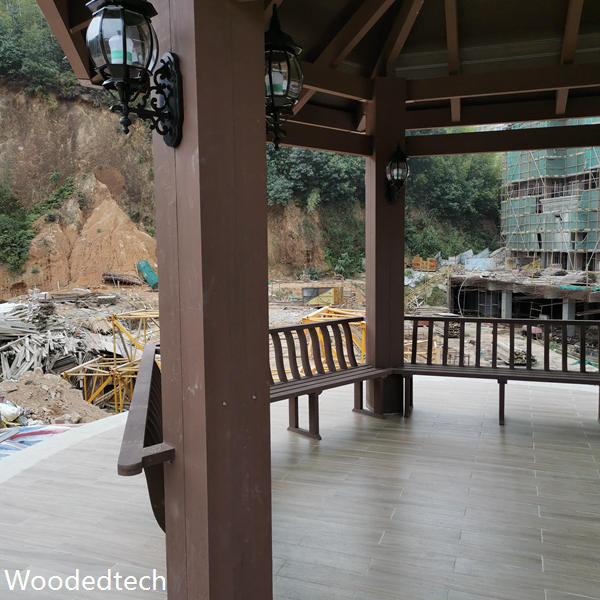
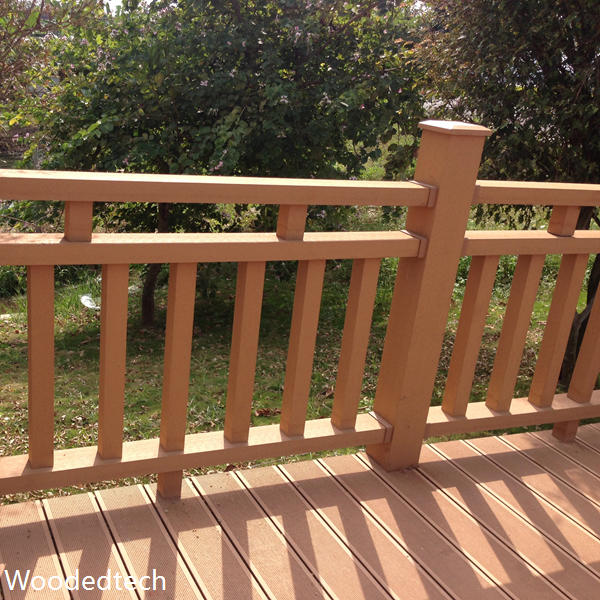
Il reticolo in legno di plastica, spesso indicato come reticolo WPC, combina il fascino estetico del legno tradizionale con la durata della plastica, fornendo una scelta eccellente per progetti di design per esterni.La sua popolarità è aumentata negli ultimi anni, guidata da una crescente consapevolezza dei materiali da costruzione sostenibili e dalla necessità di opzioni a bassa manutenzione.Poiché i proprietari di case e i paesaggisti cercano modi innovativi per migliorare gli spazi esterni, il reticolo in legno plastico si distingue non solo per la sua funzionalità, ma anche per la sua versatilità nel design.
Questo materiale composito può essere utilizzato in una varietà di applicazioni, dalla fornitura di schermi di privacy alla creazione di caratteristiche decorative in giardini e cortili.Le proprietà uniche di WPC gli permettono di resistere agli elementi molto meglio del legno naturale, rendendolo adatto per l'uso esterno a lungo termine senza la costante preoccupazione di marciume o deterioramento.
Flessibilità di progettazione del reticolo WPC
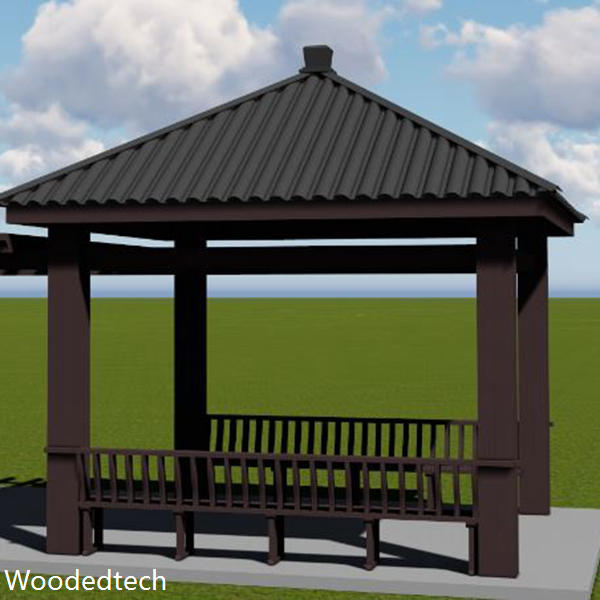
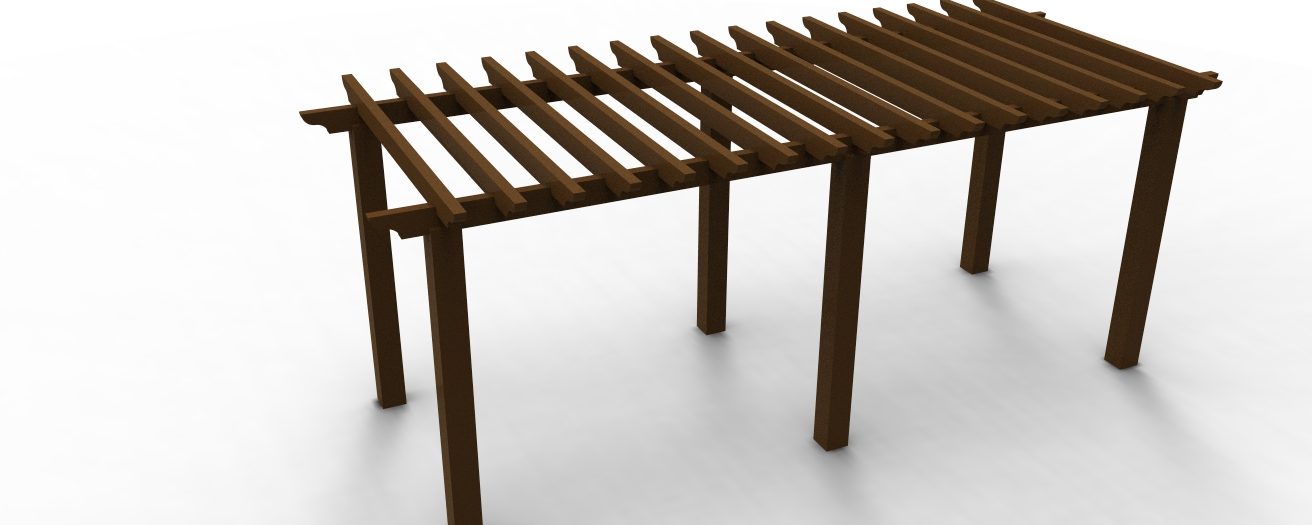
La flessibilità di progettazione del reticolo in legno plastico significa che può essere adattato per soddisfare qualsiasi preferenza estetica.Disponibile in una vasta gamma di stili, dal classico al contemporaneo, i designer possono scegliere modelli reticolari che completano la loro visione generale.Questa adattabilità è particolarmente utile nella creazione di strutture personalizzate come pergole e gazebo, dove il reticolo può essere incorporato nel quadro per un ulteriore interesse visivo.
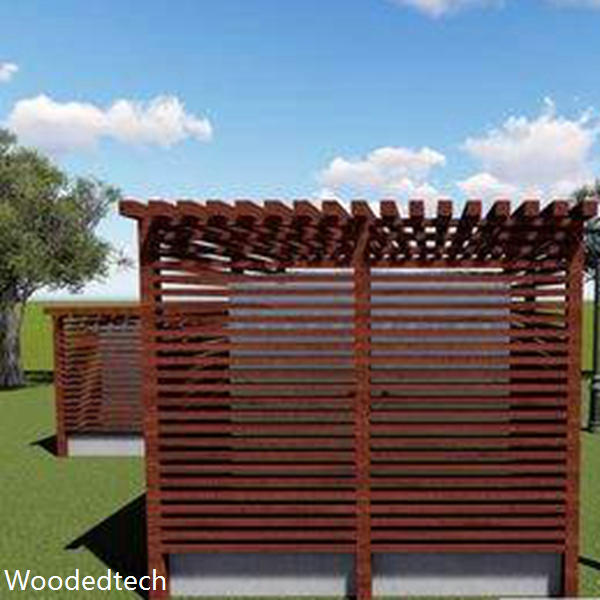
Inoltre, la capacità di tagliare e modellare facilmente i materiali WPC consente di progettare intricati che possono riflettere lo stile personale o abbinare l'architettura esistente.Che si tratti di un semplice modello triangolare o di un design geometrico più elaborato, le opzioni sono praticamente illimitate, assicurando che ogni progetto possa essere personalizzato in modo univoco per le esigenze individuali.
Opzioni di colore e finitura
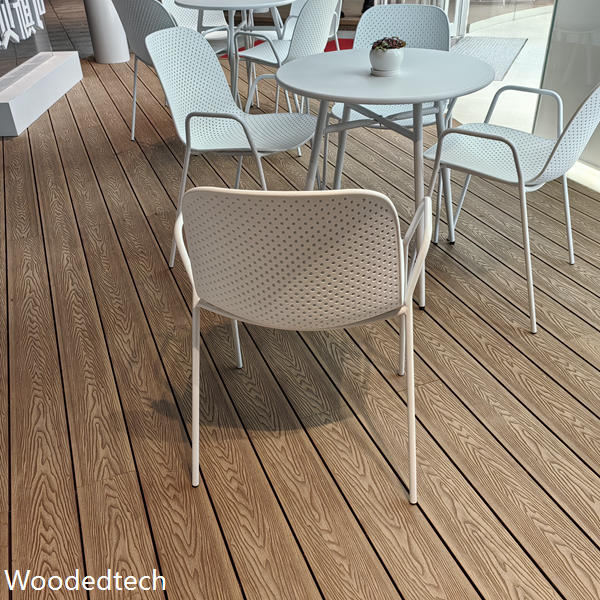
Una delle caratteristiche di spicco del reticolo in legno di plastica è l'ampia gamma di colori e finiture disponibili.A differenza del legno tradizionale, che richiede colorazione e sigillatura, il reticolo WPC è disponibile in opzioni prefinite, riducendo significativamente il tempo e lo sforzo necessari per la manutenzione.Gli acquirenti possono scegliere tra una tavolozza che include toni del legno naturali, colori vivaci e persino tonalità personalizzate per adattarsi perfettamente all'aspetto desiderato del loro spazio esterno.
Le finiture esaltano anche la resistenza del materiale allo sbiadimento e all’usura, garantendo che i colori rimangano vivaci per anni.Ciò è particolarmente vantaggioso per le applicazioni esterne in cui l'esposizione alla luce solare può portare a un rapido deterioramento di altri materiali.Selezionando il reticolo WPC, si può mantenere un'estetica fresca e accattivante senza il frequente mantenimento associato al legno.
Valutare il costo di reticolo di legno di plastica
<pQuando si valuta il costo del reticolo di legno di plastica, è importante considerare il valore a lungo termine che apporta ai progetti all'aperto.Sebbene l'investimento iniziale possa apparire superiore al legno tradizionale, le spese di manutenzione ridotte e la durata più lunga di WPC ne aumentano significativamente il valore complessivo.I proprietari di case e le aziende che cercano di aumentare il valore della loro proprietà garantendo al contempo la sostenibilità scopriranno che i benefici superano di gran lunga i costi.Inoltre, la durata dei materiali WPC significa che nel tempo saranno necessarie meno sostituzioni, fornendo risparmi significativi nel lungo periodo.Combina efficacemente i vantaggi del legno e della plastica, rendendolo un investimento intelligente per coloro che cercano di creare splendidi ambienti esterni senza compromettere la qualità.
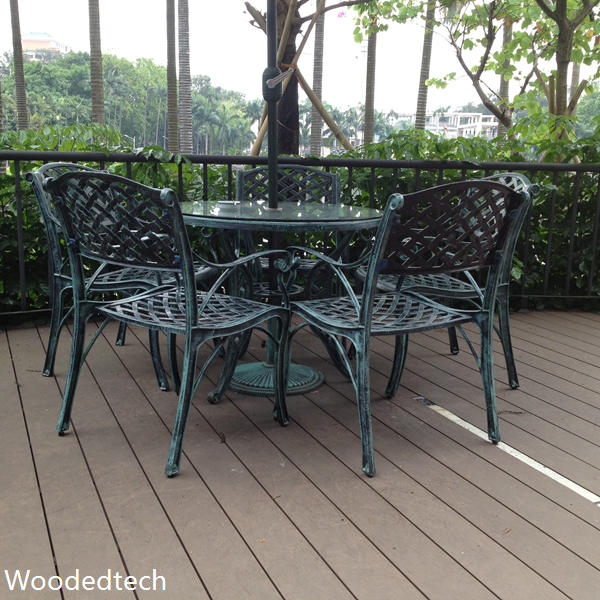
Nel panorama competitivo del design outdoor, la decisione di utilizzare il reticolo in legno di plastica è quella che combina appeal estetico, vantaggi pratici e senso economico.Con la sua notevole flessibilità di design e le vivaci opzioni di colore, consente un'espressione creativa mantenendo basse esigenze di manutenzione.Man mano che i consumatori diventano più attenti all'ambiente e cercano soluzioni sostenibili, il reticolo WPC è all'avanguardia nella costruzione moderna all'aperto.
Investire in reticolo di legno plastico non solo esalta la bellezza e la funzionalità degli spazi esterni, ma contribuisce anche a un futuro più sostenibile.La sua capacità di fondersi senza soluzione di continuità in vari temi di design lo rende una scelta ideale per qualsiasi progetto, aggiungendo in definitiva un valore significativo sia alle case che alle aziende.