What is the Wood plastic gazebo cost for residential outdoor projects
Evaluating Wood Plastic Gazebo Costs
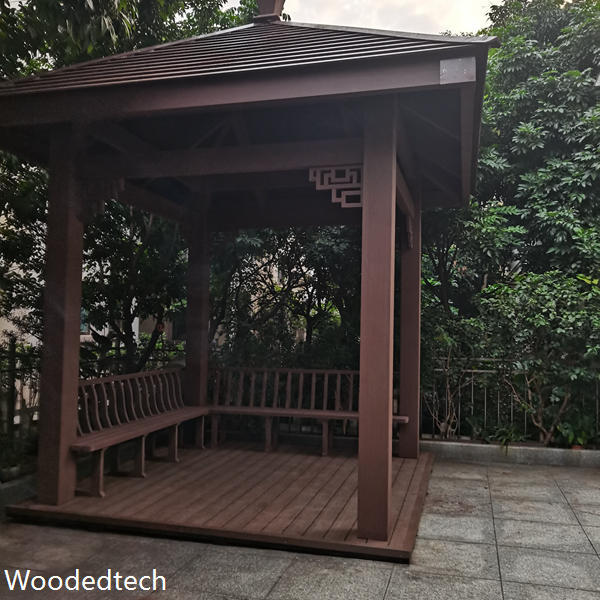
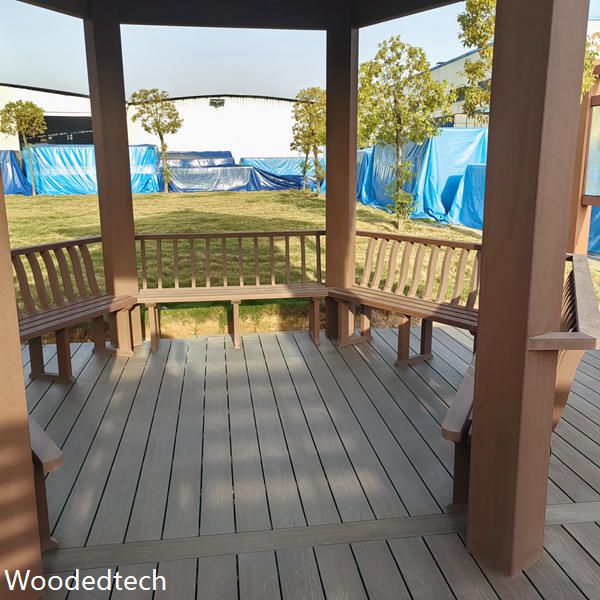
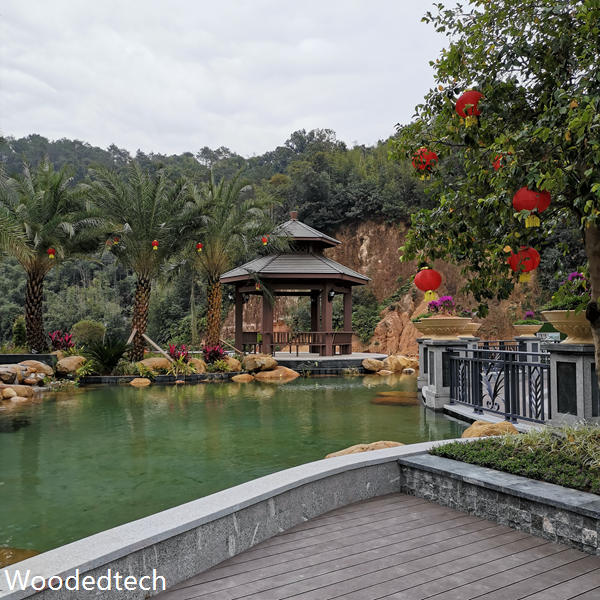
When considering a wood plastic composite (WPC) gazebo for residential outdoor projects, cost is a significant factor that plays into the overall design and functionality. A wood plastic gazebo cost can vary widely based on dimensions, design complexity, and the specific materials selected. Generally, these costs range from a few hundred to several thousand pounds. This price includes not just the raw materials but also installation and any additional features such as lighting or built-in seating.
Architects and landscape designers appreciate WPC for its durability and aesthetic appeal. Unlike traditional wood, WPC is resistant to rot, insects, and harsh weather conditions, making it an ideal choice for outdoor structures. While the initial investment may be higher than that of standard wood, the maintenance savings over the years can offset this expense, making it a cost-effective option in the long run.
Factors Influencing WPC Gazebo Costs
The wood plastic gazebo cost is influenced by several factors. First, the size of the gazebo plays a critical role; larger structures require more materials and thus increase the cost. The choice of composite material also affects pricing, as higher-quality WPC options, which feature better colour retention and durability, tend to cost more.
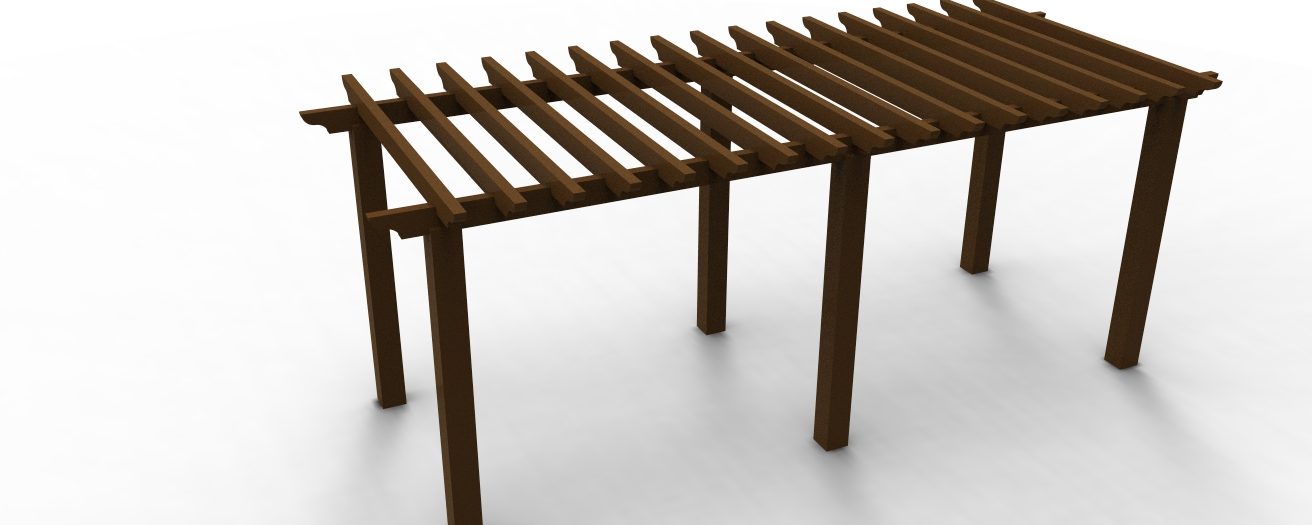
Additionally, custom designs that incorporate unique shapes or features will significantly add to the price. For instance, a gazebo with multiple tiers or intricate railings demands more engineering and craftsmanship, ultimately leading to higher costs. Site preparation and accessibility can also impact total expenses; if the construction site requires significant groundwork or is difficult to reach, this can raise both material and labour costs.
Choosing the Right Materials
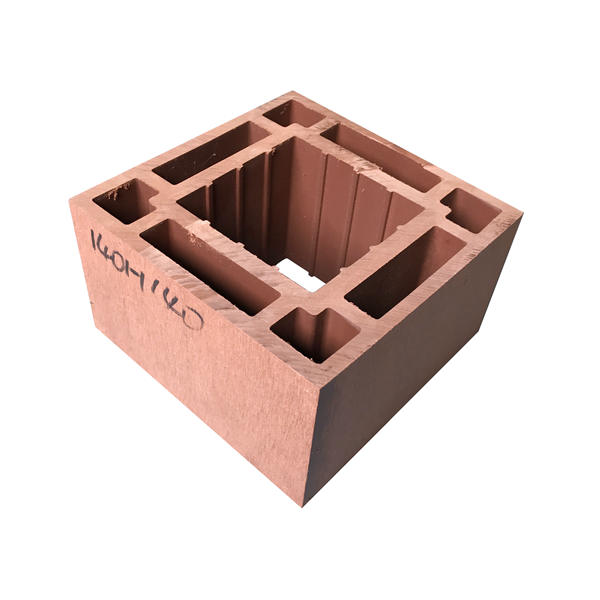
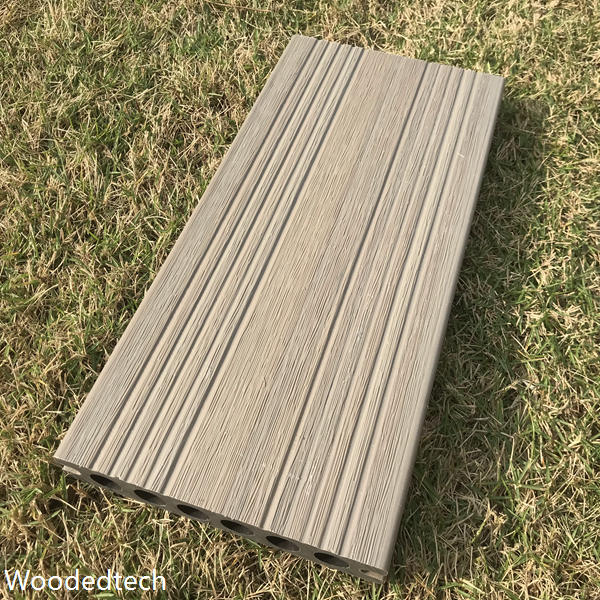
Selecting the appropriate WPC materials for the gazebo is crucial for ensuring longevity and functionality. Architects often evaluate various WPC formulations that vary in terms of their wood fibre content and plastic type. A higher percentage of wood fibre can enhance the gazebo’s natural appearance, while plastics improve resistance to moisture and UV damage.
When making material selections, it is important to consider the intended use of the gazebo. Will it serve as a simple garden retreat, or will it be used for gatherings and outdoor entertainment? Engaging in discussions with suppliers about specific performance criteria can help in making informed decisions that align with both aesthetic and functional requirements.
Installation Considerations for WPC Gazebos
Covering installation aspects is essential for understanding the overall wood plastic gazebo cost. Proper installation is vital for the longevity and stability of the structure. Unlike traditional wood, WPC is often easier to work with; however, it does require specific fasteners and installation techniques to achieve the best results. Relying on experienced installers who understand the nuances of WPC will help ensure that the gazebo is built to withstand various weather conditions.
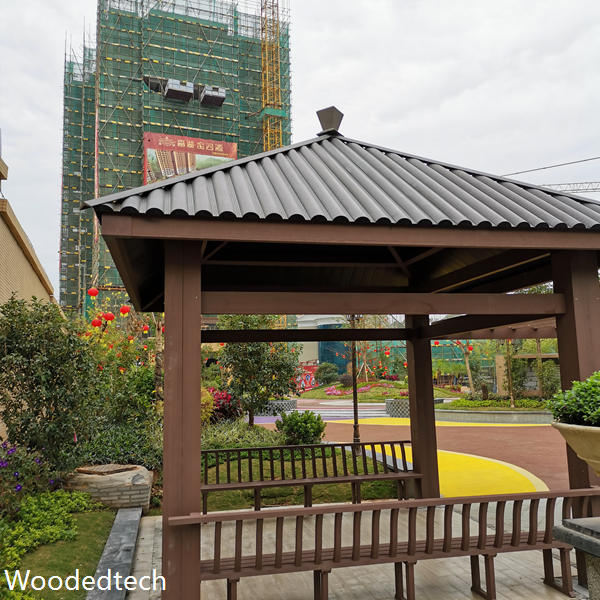
Site preparation is equally important. Depending on the terrain, additional work may be needed to ensure a level foundation, which can contribute to the overall cost. Landscaping around the gazebo can also enhance its appearance but should be planned in conjunction with the gazebo’s design to ensure harmony within the outdoor space.
Long-Term Benefits of WPC Gazebos
Despite the initial investment reflected in the wood plastic gazebo cost, the long-term benefits are compelling. WPC is designed to resist wear and tear, requiring less maintenance than traditional wood structures. Homeowners can expect to enjoy years of use without the need for regular staining, painting, or sealing, which can add up in maintenance expenses for conventional materials.
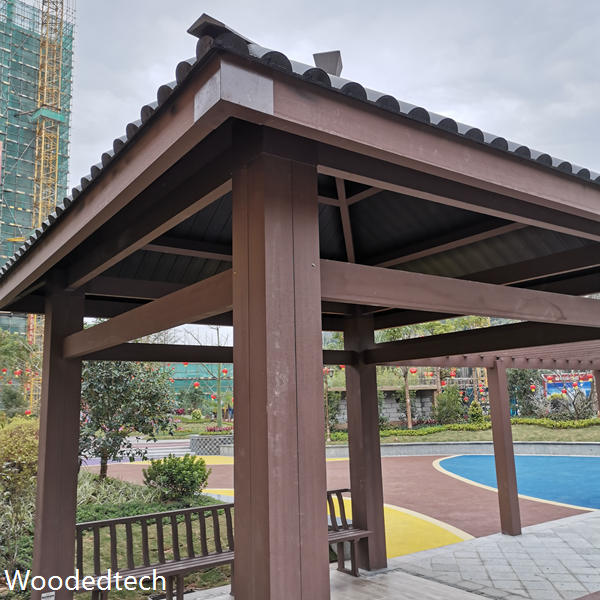
Furthermore, WPC products are often more environmentally friendly, as they are manufactured from recycled materials, appealing to a growing segment of environmentally conscious consumers. This not only enhances the value of the property but also aligns with sustainable building practices that many modern homeowners are increasingly seeking in their outdoor spaces.