Berapa biaya treillage kayu plastik komposit untuk proyek-proyek taman
Peran Desain Profil dalam Treillage Kayu Plastik Komposit
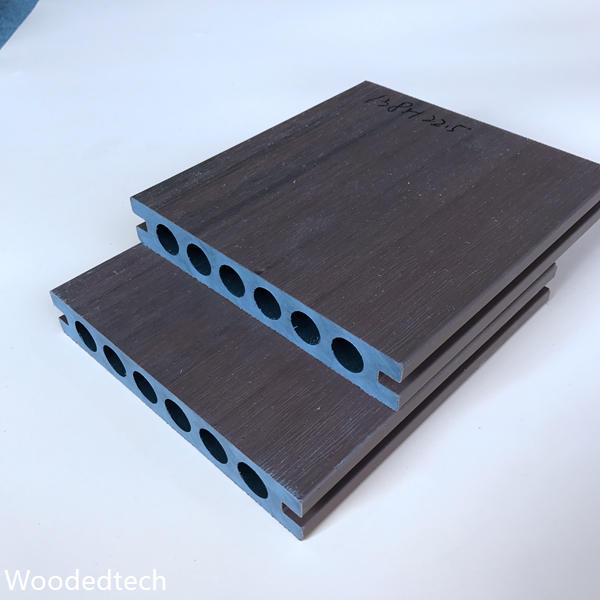
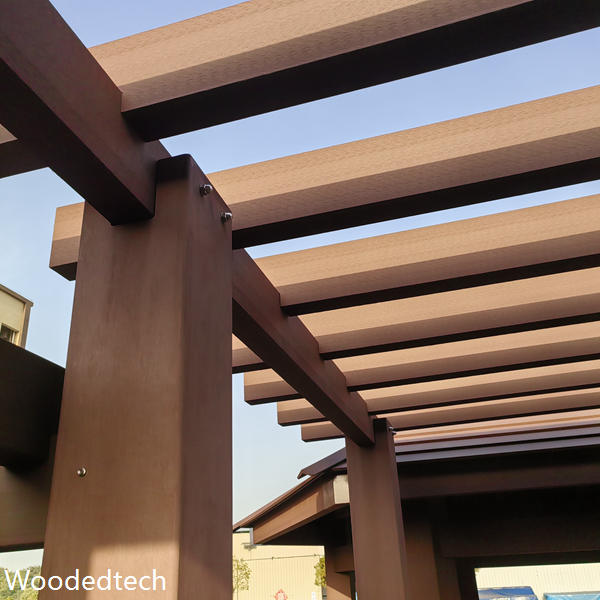
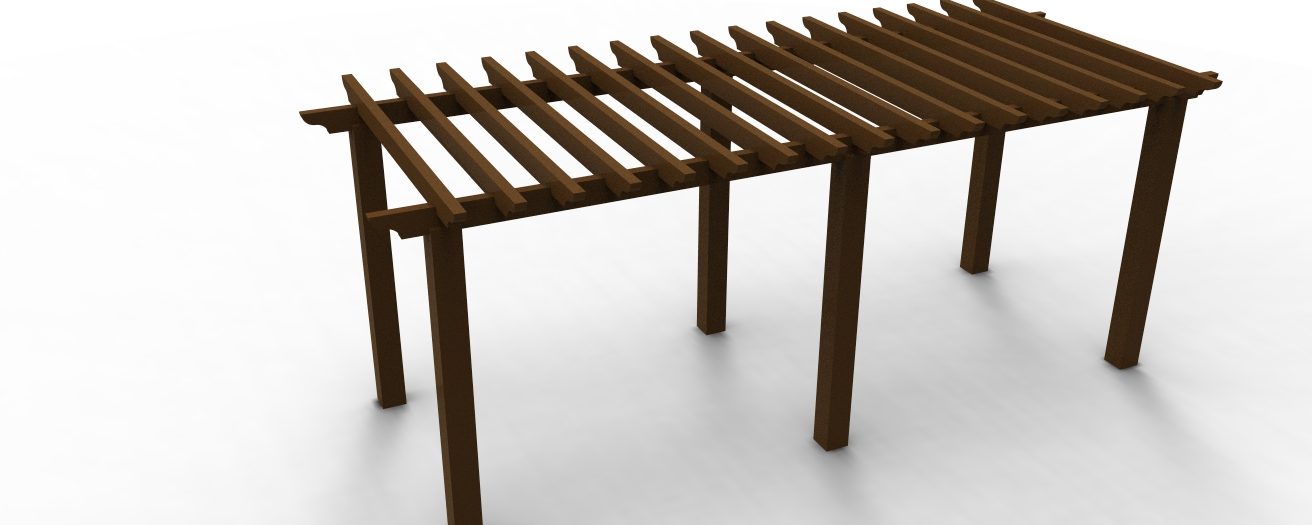
Treillage kayu plastik komposit, sering digunakan di kebun untuk tujuan estetika dan struktural, dapat bervariasi secara signifikan dalam biaya berdasarkan desain profilnya.Proses desain sangat penting karena menentukan bagaimana materi akan tampil dalam aplikasi dunia nyata.Struktur berongga biasanya lebih ringan dan mungkin lebih murah dalam hal penggunaan material, tetapi mereka harus direkayasa untuk mempertahankan kekuatan dan menahan deformasi.Struktur padat, sementara lebih berat dan berpotensi lebih mahal, menawarkan daya tahan dan kekuatan yang lebih besar, membuatnya cocok untuk aplikasi yang membutuhkan kapasitas beban yang lebih tinggi.Ketika memilih profil desain untuk treillage taman, sangat penting untuk menyeimbangkan estetika dan fungsionalitas untuk mencapai hasil yang diinginkan tanpa menggelembungkan biaya treillage kayu plastik komposit tidak perlu.
Dampak Struktur Berongga dan Solid
Pilihan antara struktur berongga dan padat dalam profil kayu komposit secara signifikan mempengaruhi kinerja dan biaya.Profil berongga sering mengambil lebih sedikit bahan untuk diproduksi, yang dapat menyebabkan pengurangan biaya keseluruhan.Namun, ini datang dengan trade-off dalam hal integritas struktural.Risiko warping atau membungkuk di bawah beban meningkat dengan desain berongga, terutama di daerah yang mengalami angin kencang atau berat.Sebaliknya, profil padat, meskipun lebih berat dan biasanya lebih mahal, memberikan kinerja yang unggul dalam lingkungan yang menuntut.Struktur ini menahan keausan, sehingga berpotensi menurunkan biaya pemeliharaan dari waktu ke waktu.Oleh karena itu, ketika mempertimbangkan treillage kayu plastik komposit untuk proyek-proyek taman, memahami implikasi dari pilihan struktural ini sangat penting dalam memperkirakan pengeluaran proyek secara keseluruhan.
Rib Designs dan Kontribusi mereka terhadap Kekuatan
Menggabungkan desain tulang rusuk ke dalam profil komposit dapat secara dramatis meningkatkan kekuatan mereka tanpa meningkatkan berat badan atau biaya material secara signifikan.Rib dapat memberikan dukungan dan stabilitas tambahan sambil menjaga sifat ringan dari profil berongga.Penempatan strategis tulang rusuk memungkinkan untuk distribusi stres yang lebih efisien di seluruh struktur.Akibatnya, teknik desain ini dapat menyebabkan penurunan volume bahan yang dibutuhkan, berkontribusi terhadap biaya produksi yang lebih rendah.Meskipun mungkin tidak secara langsung mempengaruhi biaya treillage kayu plastik komposit, desain tulang rusuk berkontribusi secara tidak langsung dengan meningkatkan umur panjang dari treillage dan berpotensi mengurangi kebutuhan untuk penggantian atau perbaikan.
Pola Permukaan dan Pertimbangan Aestetik
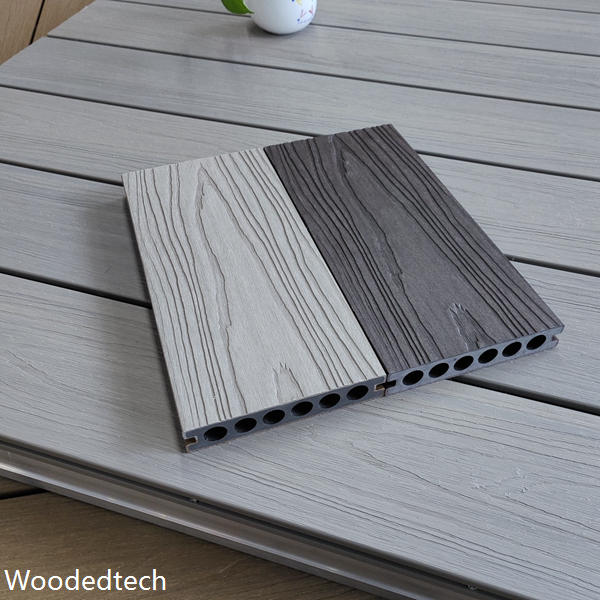
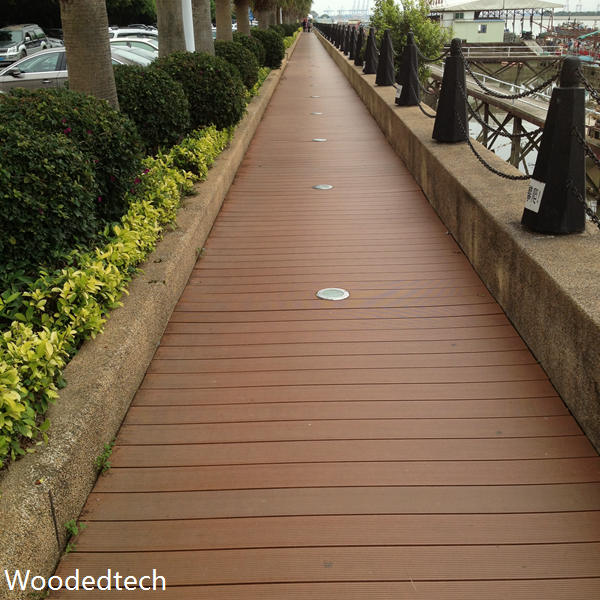
Pola permukaan treillage kayu plastik komposit memainkan peran penting dalam daya tarik visual dan pemasarannya.Pola dapat meningkatkan kualitas estetika treillage sementara juga mempengaruhi biaya keseluruhan.Desain yang rumit mungkin memerlukan teknik manufaktur yang lebih maju, yang dapat meningkatkan biaya produksi.Namun, treillage estetis yang menyenangkan dapat menarik harga yang lebih tinggi di pasar karena meningkatnya permintaan konsumen.Oleh karena itu, ketika merancang untuk estetika, sangat penting untuk menimbang potensi peningkatan biaya treillage kayu plastik komposit terhadap nilai tambah yang dapat dibawa oleh desain yang menarik.Treillag yang dirancang dengan baik tidak hanya meningkatkan keindahan taman tetapi juga meningkatkan nilai properti.
Kinerja Instalasi dan Implikasi Biaya
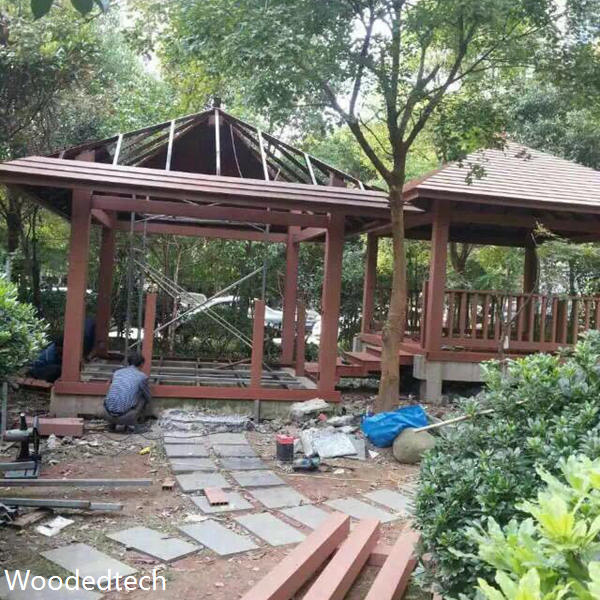
Kemudahan pemasangan adalah faktor penting lain yang mempengaruhi total biaya proyek treillage kayu plastik komposit.Profil yang dirancang untuk perakitan mudah dapat mengurangi biaya tenaga kerja, membuatnya lebih menarik bagi kontraktor dan penggemar DIY.Fitur seperti sistem interlocking atau desain ringan dapat memfasilitasi instalasi lebih cepat, sehingga menurunkan biaya proyek secara keseluruhan.Sebaliknya, proses perakitan yang rumit mungkin memerlukan alat tambahan atau tenaga kerja terampil, meningkatkan biaya instalasi.Pertimbangan desain yang hati-hati dapat mengarah pada analisis biaya-manfaat yang lebih menguntungkan, membuat manajemen anggaran lebih mudah untuk setiap proyek lansekap.
Pertimbangan Biaya Jangka Panjang
Ketika menilai biaya treillage kayu plastik komposit, penting untuk mempertimbangkan implikasi jangka panjang dari desain yang dipilih.Sementara biaya awal mungkin menjadi perhatian utama, daya tahan dan kebutuhan pemeliharaan treillage dapat memiliki efek luas pada pengeluaran secara keseluruhan.Produk yang membutuhkan penggantian atau perbaikan yang sering dapat menyebabkan pengeluaran keuangan yang besar dari waktu ke waktu.Dengan berinvestasi dalam desain berkualitas lebih tinggi yang dapat membawa biaya dimuka yang lebih tinggi, seperti struktur padat dengan tulang rusuk dan pola permukaan yang menarik, pemilik rumah atau kontraktor dapat memastikan umur panjang dan biaya seumur hidup yang lebih rendah.Oleh karena itu, evaluasi komprehensif fitur desain harus menjadi bagian dari strategi penilaian biaya untuk proyek-proyek taman.