Apa Manfaat dari gazebo komposit polimer kayu di iklim yang berbeda
Daya tahan dalam berbagai iklim
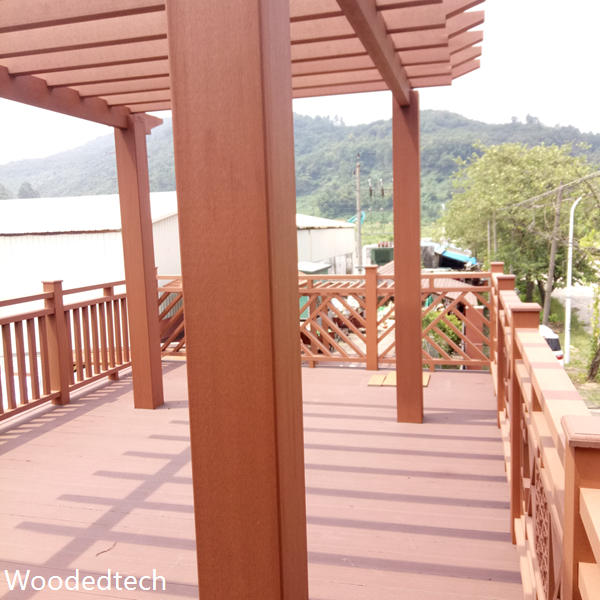
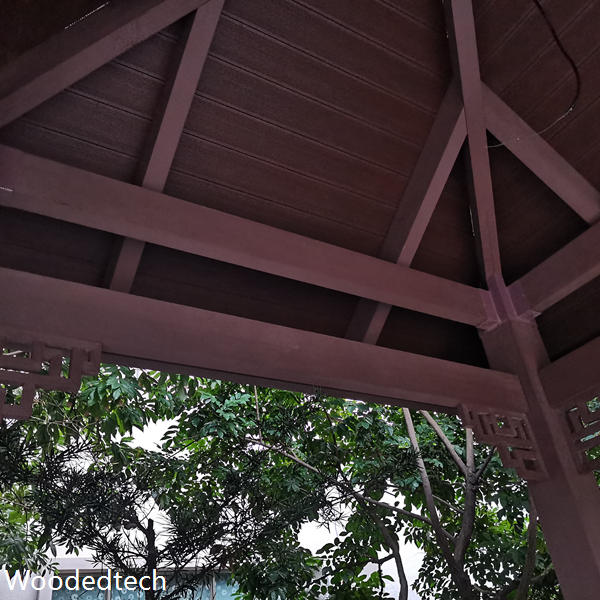
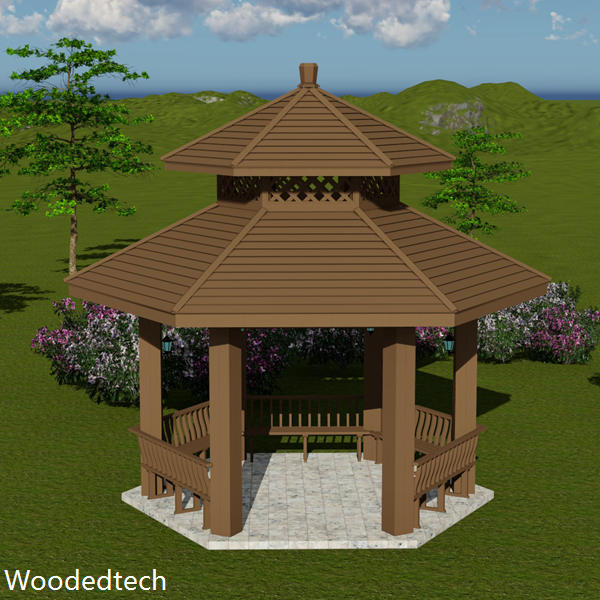
Tatapan komposit polimer kayu (WPC) telah muncul sebagai pilihan yang lebih disukai untuk arsitek dan desainer lansekap yang bertujuan untuk menciptakan struktur luar ruangan yang tangguh.Bahan-bahan inovatif ini menggabungkan daya tarik estetika kayu dengan daya tahan polimer, membuatnya cocok untuk kondisi iklim yang beragam.Di daerah yang rentan terhadap hujan lebat, salju, atau panas yang ekstrem, WPC menawarkan ketahanan terhadap kelembaban, membusuk, dan melengkung, yang dapat mengganggu struktur kayu tradisional.Sifat-sifat inheren WPC memastikan bahwa gazebo mempertahankan integritas struktural dan daya tarik visual mereka selama bertahun-tahun, menyediakan tempat terlindung yang ideal untuk relaksasi dan hiburan, terlepas dari cuaca.
Dalam iklim panas, stabilitas termal WPC mencegah ekspansi atau kontraksi yang berlebihan, memastikan bahwa gazebo tetap utuh dari waktu ke waktu.Hal ini membuat WPC gazebos investasi yang bijaksana untuk ruang luar di lokasi yang cerah, memungkinkan pemilik rumah dan desainer untuk menciptakan lingkungan yang indah yang membutuhkan perawatan minimal sambil berdiri untuk elemen.
Persyaratan Pemeliharaan Rendah
Salah satu manfaat menonjol dari gazebo komposit polimer kayu adalah kebutuhan perawatannya yang rendah.Tidak seperti struktur kayu tradisional yang menuntut pewarnaan rutin, penyegelan, dan pengecatan ulang untuk melindungi terhadap pembusukan dan infestasi serangga, WPC membutuhkan perhatian yang jauh lebih sedikit.Permukaan tahan terhadap memudar, pewarnaan, dan menggaruk, sehingga memudahkan arsitek lansekap untuk merancang ruang yang mempertahankan estetika mereka dengan tenaga kerja minimal.Untuk proyek-proyek di mana umur panjang dan pemeliharaan rendah adalah prioritas, gazebo WPC menyajikan pilihan yang menarik.
Untuk desainer lansekap, ini diterjemahkan ke dalam lebih banyak waktu yang dihabiskan untuk aspek kreatif daripada tugas pemeliharaan rutin.Kemampuan untuk menawarkan kepada klien struktur pemeliharaan yang tahan lama dan rendah meningkatkan nilai keseluruhan suatu proyek, menjadikannya titik penjualan yang menarik untuk pengembangan perumahan dan komersial.
Pertimbangan Lingkungan
Ketika memilih bahan untuk struktur luar ruangan, dampak lingkungan adalah pertimbangan utama bagi banyak arsitek dan desainer saat ini.WPC sering diproduksi dari kayu daur ulang dan plastik, menjadikannya pilihan yang lebih berkelanjutan dibandingkan dengan kayu tradisional.Aspek ramah lingkungan ini sejalan dengan tren yang berkembang menuju praktik bangunan berkelanjutan, memungkinkan insinyur lansekap untuk mempromosikan desain yang bertanggung jawab terhadap lingkungan tanpa mengorbankan kualitas atau estetika.
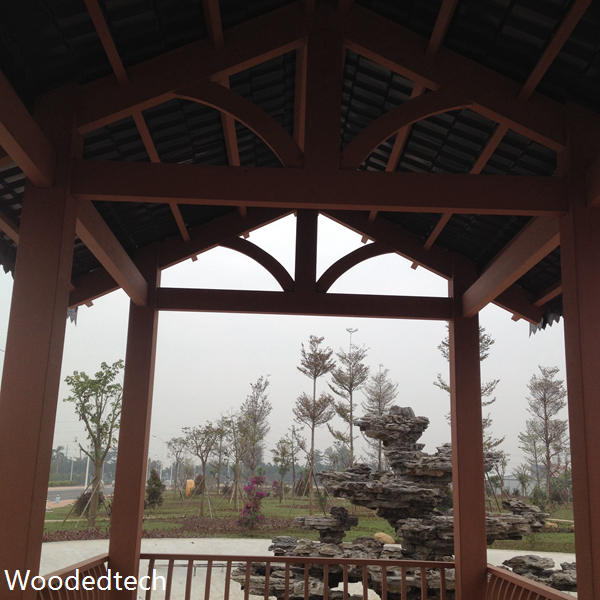
Selain itu, umur panjang WPC berarti bahwa siklus hidupnya diperpanjang, mengurangi kebutuhan untuk penggantian yang sering dan lebih berkontribusi pada upaya keberlanjutan.Menggabungkan gazebo WPC ke dalam proyek luar ruangan tidak hanya memenuhi kebutuhan klien tetapi juga mendukung tujuan lingkungan yang lebih luas dalam arsitektur lansekap.
Fleksibilitas Desain
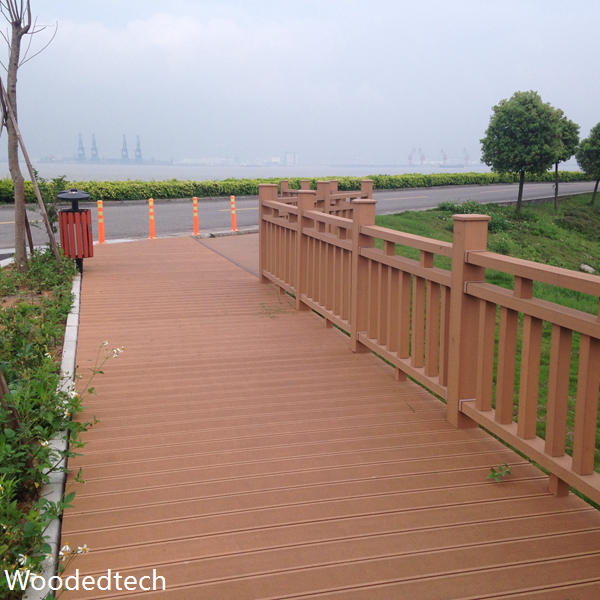
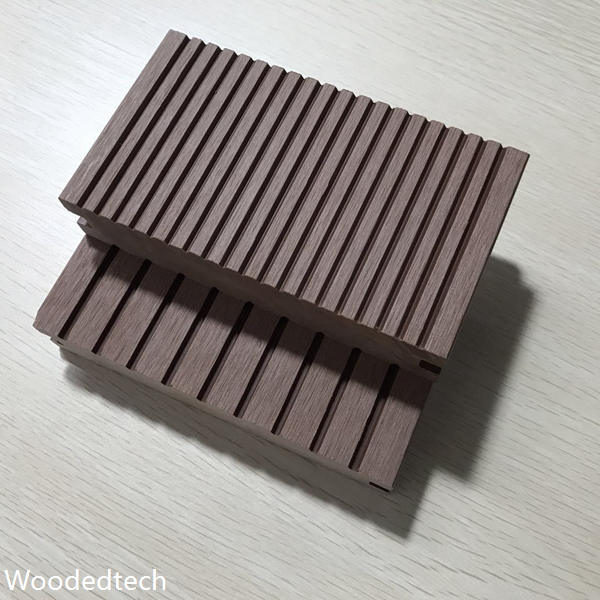
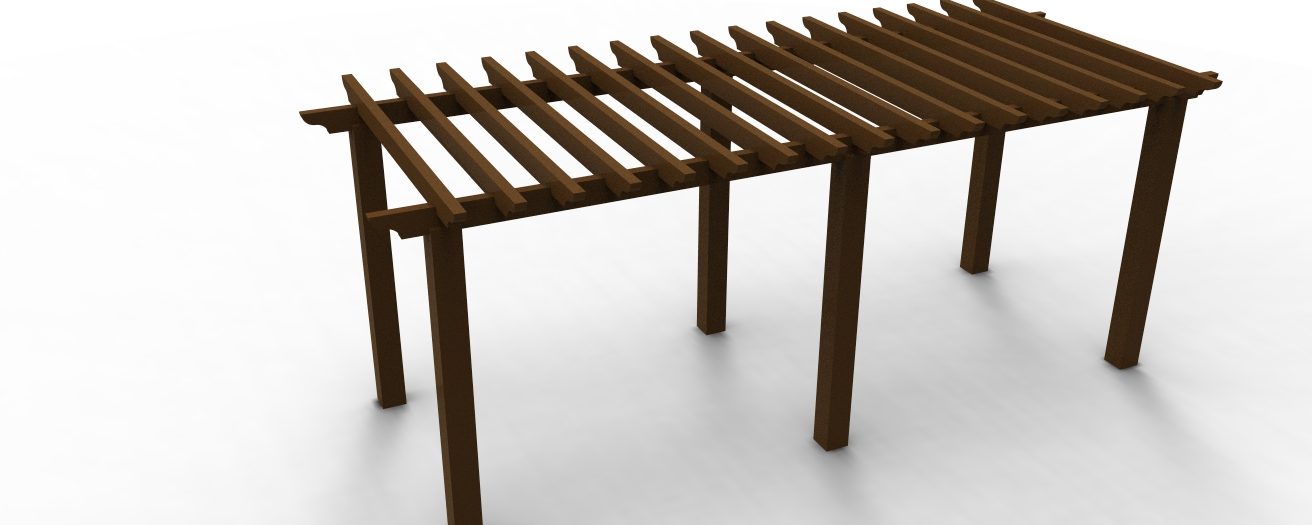
Tata tatapan WPC datang dalam berbagai tekstur, warna, dan selesai, menyediakan arsitek dan desainer lansekap dengan fleksibilitas untuk menciptakan struktur yang unik dan dipersonalisasi.Bahan dapat dengan mudah dibentuk menjadi berbagai bentuk, memungkinkan untuk desain kreatif yang sesuai dengan kondisi situs tertentu dan persyaratan proyek.Adaptasi ini membuat WPC menjadi pilihan yang sangat baik untuk gaya tradisional dan kontemporer, memungkinkan integrasi tanpa batas ke dalam lanskap yang beragam.
Apakah membangun retret pedesaan di pedesaan atau gazebo modern yang ramping di taman kota, gazebo WPC dapat memenuhi tuntutan estetika dan fungsional dari proyek apa pun.Fleksibilitas desain ini sangat menguntungkan bagi para insinyur lansekap yang berusaha memberikan solusi khusus yang meningkatkan lingkungan luar ruangan.
Efektif biaya
Berinvestasi dalam gazebo komposit polimer kayu dapat menyebabkan penghematan biaya yang signifikan dalam jangka panjang.Sementara biaya awal mungkin sedikit lebih tinggi dari kayu tradisional, berkurangnya kebutuhan pemeliharaan dan memperpanjang umur WPC menawarkan manfaat keuangan yang tak terbantahkan.Sumber daya yang lebih sedikit diperlukan untuk pemeliharaan, dan umur panjang struktur berarti bahwa penggantian dan perbaikan jauh lebih jarang.
Efektivitas biaya ini menarik tidak hanya bagi pemilik rumah tetapi juga untuk bisnis dan institusi yang ingin meningkatkan ruang luar mereka dengan solusi yang tahan lama.Arsitek dan desainer lansekap dapat dengan percaya diri merekomendasikan gazebo WPC sebagai pilihan yang sehat secara finansial yang memberikan nilai abadi, menjadikannya pilihan yang menarik untuk berbagai proyek.
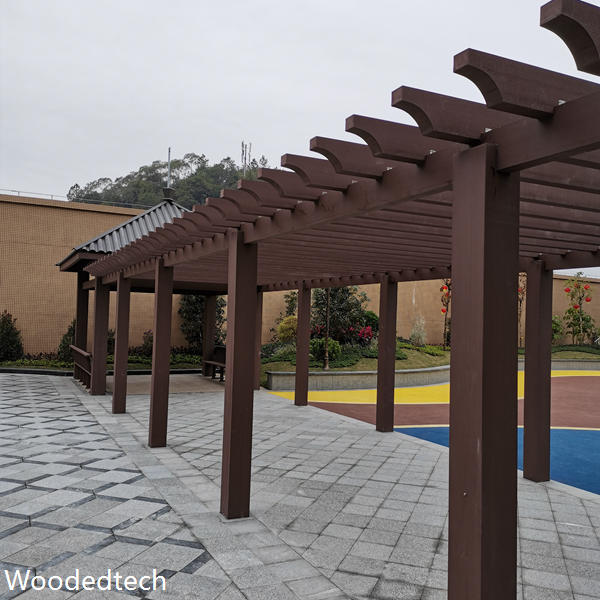
Banding Estetika yang Ditingkatkan
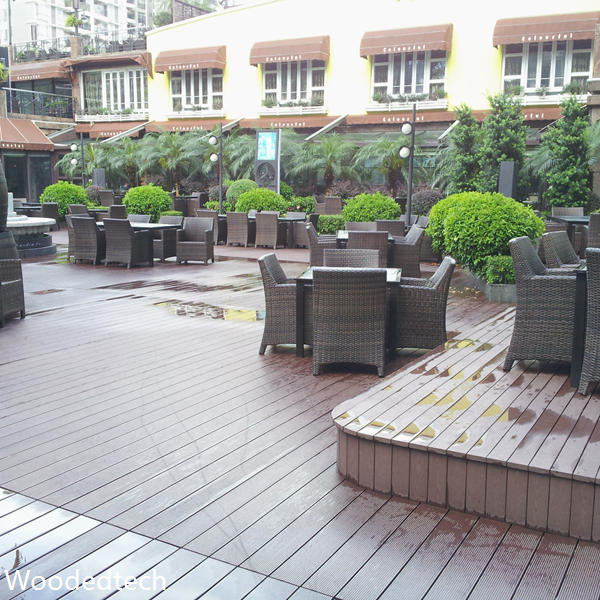
Daya tarik visual gazebo komposit polimer kayu menambahkan lapisan manfaat lainnya.Tersedia dalam berbagai sentuhan akhir yang meniru tampilan kayu alami, gazebo WPC dapat meningkatkan estetika keseluruhan pengaturan luar ruangan tanpa kekurangan yang terkait dengan kayu asli.Kemampuan untuk menyesuaikan warna dan hasil akhir memungkinkan desainer untuk membuat struktur yang melengkapi lanskap yang ada dan gaya arsitektur dengan mulus.
Dengan memasukkan gazebo WPC ke dalam desain lansekap, arsitek dapat meningkatkan keindahan dan fungsionalitas ruang luar, menyediakan area yang mengundang untuk interaksi sosial, relaksasi, dan rekreasi.Peningkatan daya tarik visual ini dikombinasikan dengan keunggulan praktis membuat WPC menjadi pilihan yang sangat baik untuk setiap proyek outdoor.