Apa Manfaat dari struktur naungan kayu plastik komposit
Manfaat dari struktur Nuansa Kayu Plastik Komposit
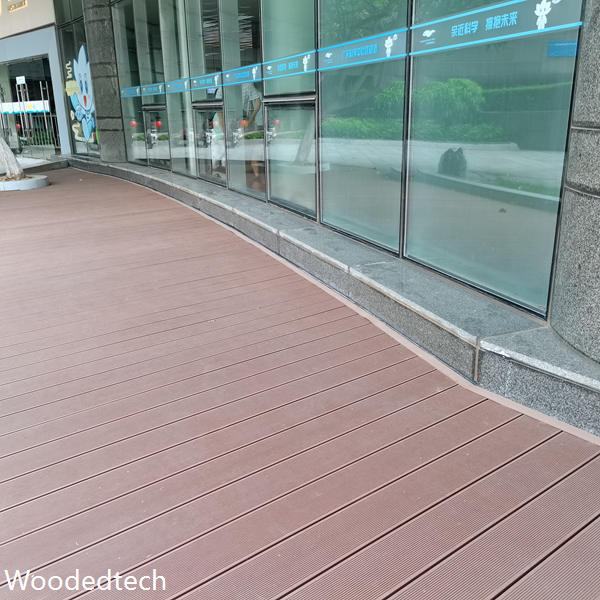
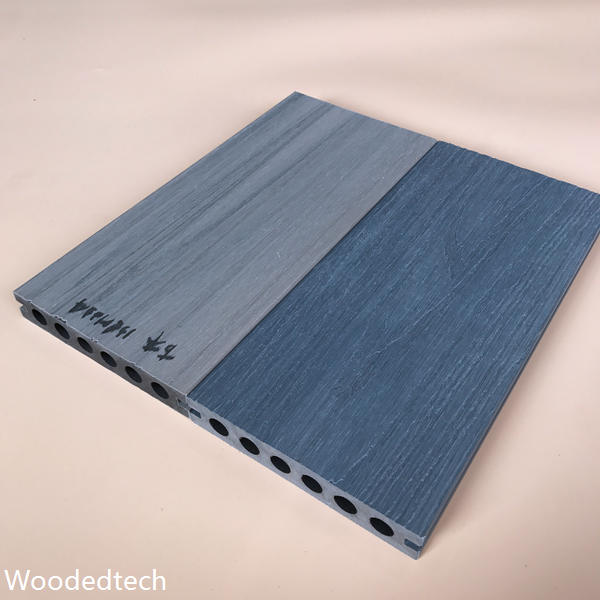
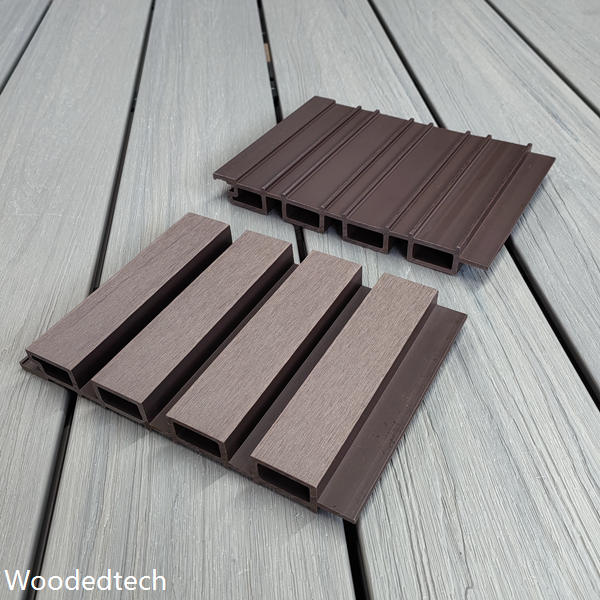
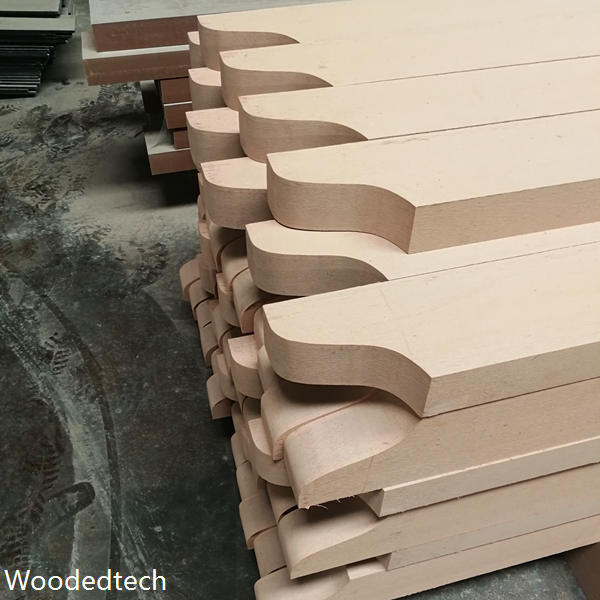
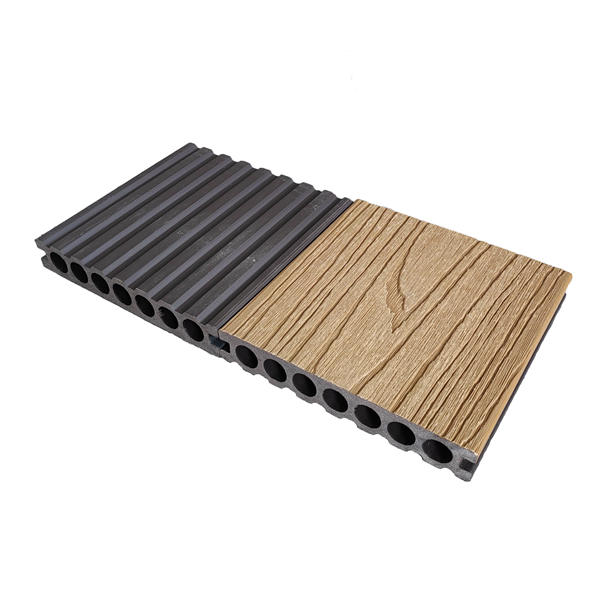
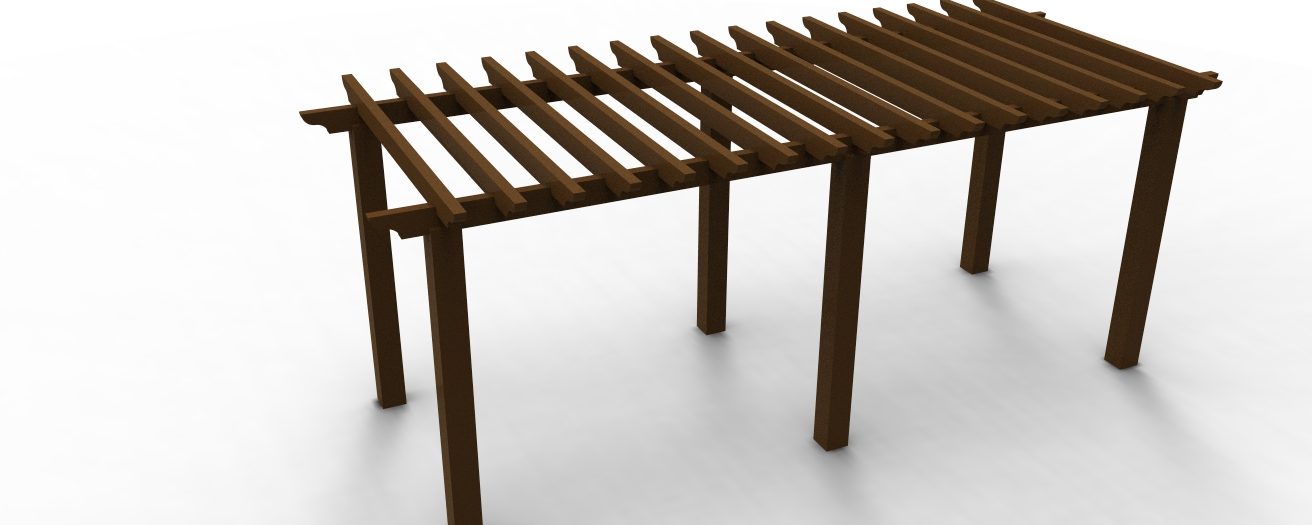
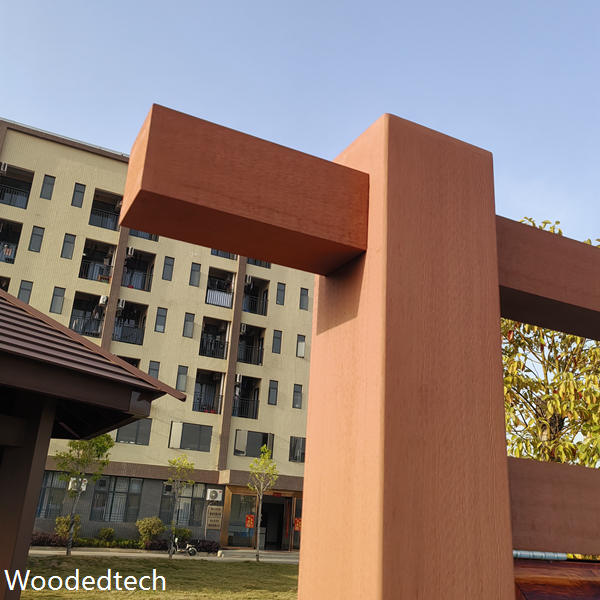
Struktur naungan kayu plastik komposit telah mendapatkan popularitas karena perpaduan fungsi dan estetika yang mengesankan.Struktur ini tidak hanya memberikan naungan yang sangat dibutuhkan dalam pengaturan luar ruangan tetapi juga berkontribusi secara signifikan terhadap daya tarik visual taman, taman, dan ruang komersial.Komposisi mereka, biasanya kombinasi serat kayu daur ulang dan plastik, menawarkan beberapa keuntungan dibandingkan bahan tradisional, menjadikannya pilihan ideal untuk banyak proyek lansekap dan arsitektur.
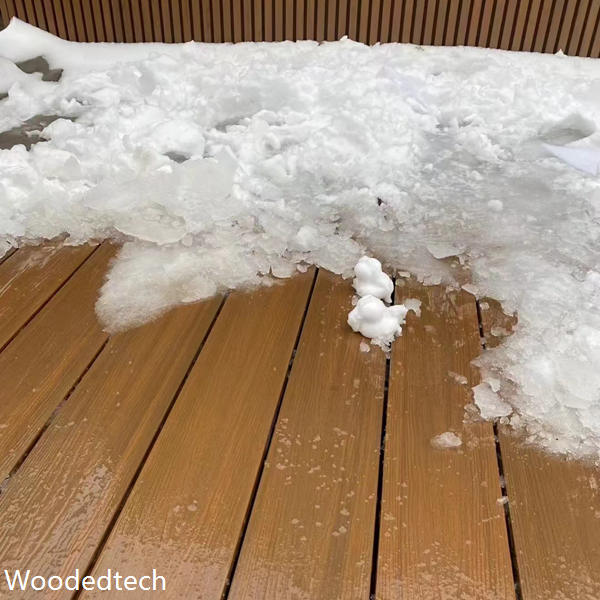
Salah satu manfaat utama dari struktur ini adalah daya tahannya.Tidak seperti kayu tradisional, yang dapat melengkung, retak, atau membusuk dari waktu ke waktu, bahan komposit dirancang untuk menahan kondisi cuaca yang keras, termasuk hujan, salju, dan radiasi UV.Umur panjang ini diterjemahkan menjadi biaya perawatan yang lebih rendah, karena kebutuhan untuk perawatan atau penggantian rutin berkurang secara signifikan.Selain itu, struktur kayu plastik komposit tahan terhadap serangga dan hama, semakin meningkatkan umur mereka dan mengurangi pengeluaran jangka panjang.
Pengujian untuk Akurasi Dimensi
Sebagai pengawas inspeksi kualitas WPC, memastikan kualitas produk WPC luar ruangan sangat penting sebelum dikirim.Salah satu tes pertama yang dilakukan adalah untuk akurasi dimensi.Proses ini melibatkan pengukuran berbagai aspek struktur bayangan, seperti panjang, lebar, dan tinggi, terhadap parameter desain yang ditentukan.Mempertahankan dimensi yang tepat sangat penting, karena memastikan bahwa strukturnya cocok dengan ruang yang dimaksudkan, baik di taman pribadi atau taman umum.
Pengujian akurasi dimensi tidak hanya menjamin keselarasan estetika tetapi juga berdampak pada integritas struktural struktur naungan.Jika komponen tidak diproduksi dengan spesifikasi yang tepat, itu bisa menyebabkan ketidakstabilan atau potensi bahaya keamanan setelah dipasang.Oleh karena itu, pemeriksaan ketat untuk akurasi dimensi merupakan langkah mendasar dalam proses jaminan kualitas.
Menilai Kepadatan dan Resistensi Dampak
Kepadatan bahan komposit memainkan peran penting dalam kekuatan dan kinerja mereka secara keseluruhan.Selama pemeriksaan kualitas, sampel kayu plastik komposit diuji untuk kepadatan.Pengukuran ini membantu menentukan kemampuan material untuk menahan berbagai beban dan tekanan.Kepadatan yang lebih tinggi sering berkorelasi dengan peningkatan daya tahan, menjadikannya faktor penting dalam desain struktur naungan yang dimaksudkan untuk menahan penggunaan berat atau kondisi cuaca buruk.
Resistensi dampak adalah karakteristik penting lain yang dinilai selama kontrol kualitas.Tes ini mensimulasikan kondisi dunia nyata, di mana struktur dapat mengalami dampak tiba-tiba, seperti cabang yang jatuh atau benda berat.Dengan mengevaluasi seberapa baik material menahan kekuatan ini, produsen dapat memastikan bahwa struktur bayangan mereka akan mempertahankan integritas mereka dari waktu ke waktu, memberikan keamanan dan keandalan bagi pengguna di berbagai lingkungan luar ruangan.
Penyerapan Air dan Pengujian Stabilitas Warna
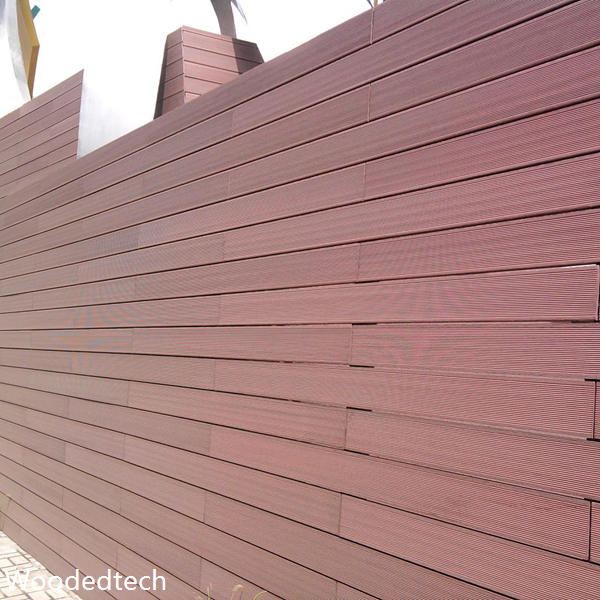
Aspek penting dari produk luar adalah interaksi mereka dengan kelembaban.Pengujian penyerapan air dilakukan untuk menentukan berapa banyak air yang dapat diserap bahan komposit dari waktu ke waktu.Tingkat penyerapan air yang tinggi dapat menyebabkan pembengkakan dan degradasi material, merusak daya tahannya.Oleh karena itu, memastikan bahwa kayu plastik komposit memiliki karakteristik penyerapan air yang rendah sangat penting untuk menjaga integritas struktural.
Stabilitas warna sama pentingnya, karena daya tarik visual struktur naungan adalah kunci untuk pemasaran mereka.Selama inspeksi kualitas, sampel terkena sinar UV dan kelembaban untuk menilai seberapa baik warna bertahan dari waktu ke waktu.Produk yang memudar atau berubah warna dengan cepat dapat mengurangi nilai estetika taman atau taman.Oleh karena itu, pengujian ketat untuk stabilitas warna memastikan bahwa struktur naungan kayu plastik komposit tetap menarik secara visual lama setelah pemasangan.
Bending Kekuatan dan Penampilan Inspeksi
Kekuatan lentur adalah ukuran penting dari seberapa baik struktur warna dapat mentolerir berat dan tekanan tanpa cacat.Selama pengujian, bahan komposit mengalami gaya lentur untuk mengevaluasi resistensi terhadap stres flexural.Bahan dengan kekuatan lentur tinggi cenderung tidak melorot atau pecah di bawah beban berat, membuatnya ideal untuk aplikasi di mana orang berkumpul atau di mana elemen dekoratif tambahan dapat ditambahkan.
Akhirnya, inspeksi penampilan adalah langkah terakhir dalam proses jaminan kualitas.Ini melibatkan pemeriksaan visual menyeluruh terhadap produk untuk setiap cacat, inkonsistensi, atau noda yang dapat mempengaruhi daya tarik estetika secara keseluruhan.Memastikan bahwa setiap struktur warna memenuhi standar penampilan yang tinggi tidak hanya meningkatkan kepuasan pelanggan tetapi juga memperkuat komitmen merek terhadap kualitas.
Dampak Kontrol Kualitas pada Panjang Umur Produk
Menerapkan langkah-langkah kontrol kualitas yang ketat untuk struktur naungan kayu plastik komposit tidak hanya memastikan kepatuhan dengan standar industri tetapi juga secara signifikan berdampak pada umur panjang dan fungsionalitas produk akhir.Dengan berfokus pada aspek-aspek seperti akurasi dimensi, kepadatan, ketahanan benturan, penyerapan air, stabilitas warna, kekuatan lentur, dan penampilan keseluruhan, produsen dapat memberikan produk yang memenuhi atau melebihi harapan pelanggan.
Ketika produk WPC luar ruangan menjalani pengujian menyeluruh sebelum pengiriman, itu mengurangi kemungkinan kegagalan di lapangan, meningkatkan kepercayaan dan kepuasan pelanggan.Pendekatan ketat untuk kontrol kualitas ini sangat penting untuk membangun reputasi yang kuat di pasar, yang mengarah pada peningkatan permintaan dan, pada akhirnya, kesuksesan bisnis.Ketika tren menuju bahan bangunan berkelanjutan terus berlanjut, manfaat struktur naungan kayu plastik komposit hanya akan menjadi lebih jelas, memperkuat tempat mereka dalam desain luar ruangan.