Bagaimana Treillage kayu komposit LEED mendukung desain taman berkelanjutan
Treillage Kayu Komposit dalam Desain Taman Berkelanjutan
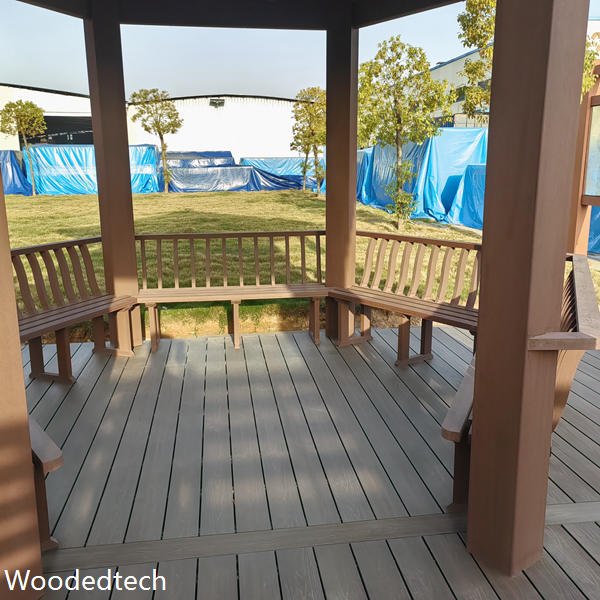
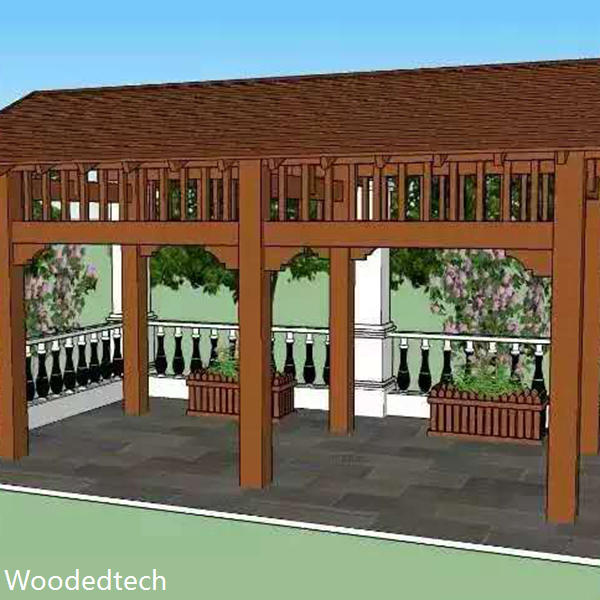
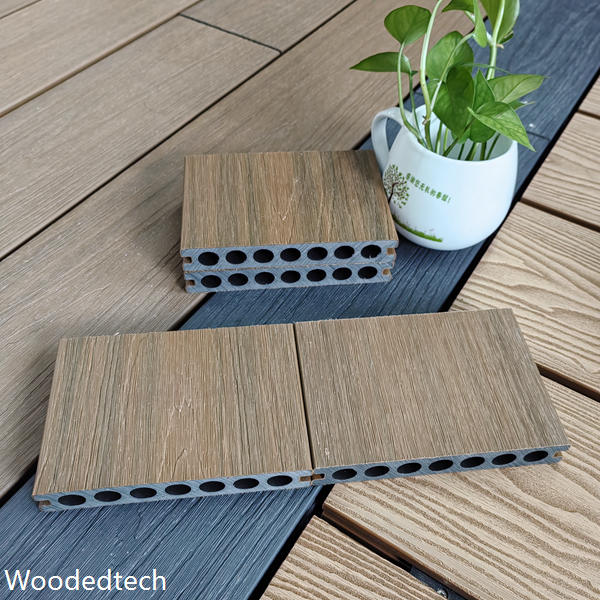
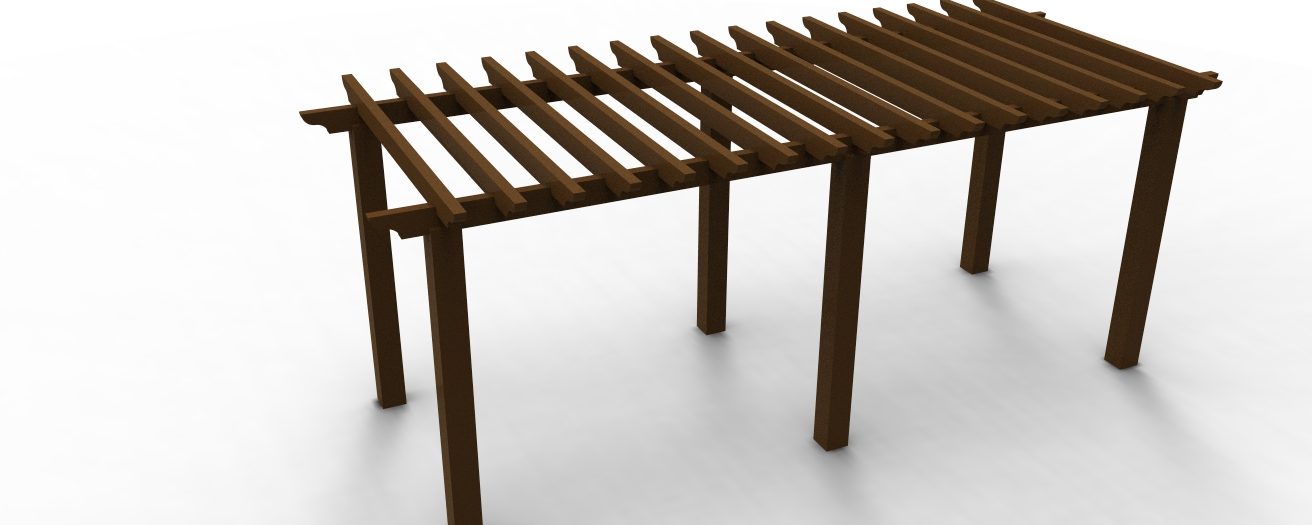
Treillge kayu komposit telah mendapatkan keunggulan yang signifikan dalam desain taman yang berkelanjutan, berkat sifat ramah lingkungan dan daya tarik estetika.Sebagai manajer manajemen produksi di pabrik WPC luar ruangan Guangdong, saya telah mengamati meningkatnya permintaan bahan yang tidak hanya melayani tujuan fungsional tetapi juga berkontribusi pada kelestarian lingkungan.Kayu komposit, atau komposit kayu-plastik (WPC), adalah campuran dari serat kayu daur ulang dan plastik, menghasilkan produk yang tahan lama dan rendah yang mendukung prinsip-prinsip sertifikasi LEED.
LEED, yang merupakan singkatan dari Leadership in Energy and Environmental Design, mendorong adopsi praktik berkelanjutan di sektor konstruksi dan lansekap.Dengan memasukkan penginkatan kayu komposit ke dalam desain taman, arsitek dan desainer menyelaraskan proyek mereka dengan kriteria LEED, meningkatkan daya tarik mereka untuk klien yang sadar lingkungan.Sinergi antara pengembangan produk dan keberlanjutan ini sangat penting dalam pendekatan pabrik kami untuk memproduksi produk WPC.
Proses Produksi yang Efisien di WPC Manufacturing
Produksi massal bahan kayu komposit membutuhkan perencanaan dan pelaksanaan yang teliti untuk mencapai efisiensi dan efektivitas biaya.Di fasilitas kami, kami telah berinvestasi dalam mesin dan teknologi canggih untuk merampingkan proses produksi kami.Penggunaan sistem otomatis mengurangi kesalahan manusia dan mempercepat garis waktu manufaktur, memungkinkan kita untuk memenuhi meningkatnya permintaan global untuk produk seperti treillage kayu komposit.
Selain itu, menerapkan prinsip-prinsip lean manufacturing sangat penting dalam meminimalkan limbah dan mengoptimalkan penggunaan sumber daya.Dengan memantau dengan cermat tingkat rantai pasokan dan inventaris kami, kami dapat secara efisien mengelola pesanan dan memastikan bahwa kami memiliki bahan yang diperlukan tanpa overstocking.Ini tidak hanya mengurangi biaya tetapi juga sejalan dengan etos berkelanjutan yang diharapkan klien kami ketika memilih produk untuk proyek mereka.
Kontrol biaya dan sumber material
Mengontrol biaya produksi adalah aspek penting dari operasi kami, terutama ketika melayani pelanggan internasional yang mencari harga yang kompetitif.Kami mencapai hal ini melalui sumber material strategis dan kemitraan pemasok.Dengan mencari bahan daur ulang dan sumber daya yang berkelanjutan, kami mempertahankan biaya bahan baku yang lebih rendah sambil berkontribusi pada kelestarian lingkungan.
Pemasok kami diperiksa tidak hanya untuk kualitas tetapi juga untuk komitmen mereka terhadap praktik berkelanjutan, memastikan bahwa bahan yang digunakan dalam treillage kayu komposit kami memenuhi standar lingkungan yang diperlukan.Fokus pada keberlanjutan ini semakin penting bagi klien kami yang mencari sertifikasi LEED untuk proyek mereka, karena membantu mereka memenuhi syarat untuk mendapatkan poin yang meningkatkan peringkat keberlanjutan mereka secara keseluruhan.
Manajemen Pesanan dan Kepuasan Pelanggan
Manajemen pesanan yang efektif sangat penting untuk menjaga kepuasan pelanggan, terutama di pasar global di mana klien mengharapkan pengiriman tepat waktu.Kami menggunakan perangkat lunak manajemen inventaris canggih yang memungkinkan kami melacak pesanan secara real-time, memastikan bahwa jadwal produksi kami selaras dengan jadwal klien.Teknologi ini memungkinkan kami untuk memperkirakan permintaan secara akurat, membuatnya lebih mudah untuk merencanakan produksi berjalan dan mengalokasikan sumber daya yang sesuai.
Selain itu, menjaga jalur komunikasi terbuka dengan klien internasional kami mendorong transparansi dalam operasi kami.Dengan memberikan pembaruan tentang kemajuan produksi dan potensi penundaan, kami membangun kepercayaan dan memperkuat hubungan kami.Pendekatan customer-centric ini tidak hanya meningkatkan kepuasan tetapi juga mendorong bisnis yang berulang, penting untuk mempertahankan pertumbuhan pabrik kami di pasar yang kompetitif.
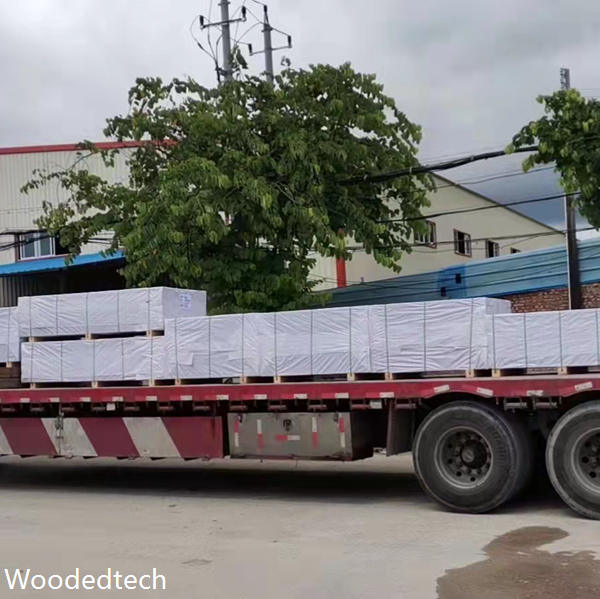
Sistem Pengiriman Stabil untuk Pasar Internasional
Memastikan pengiriman yang stabil untuk pelanggan internasional sangat penting untuk model bisnis kami.Kami telah membentuk kemitraan logistik yang kuat yang memfasilitasi kelancaran transportasi treillage kayu komposit kami lintas batas.Dengan memilih perusahaan pelayaran yang andal, kami dapat menjamin pengiriman tepat waktu, yang sangat penting bagi klien dengan tenggat waktu proyek yang ketat.
Jadwal produksi kami selaras dengan jadwal pengiriman untuk mencegah kemacetan.Kami juga mempertimbangkan berbagai peraturan dan tarif bea cukai di berbagai negara, memungkinkan kami untuk menavigasi kompleksitas perdagangan internasional secara efektif.Tingkat persiapan ini memastikan bahwa produk kami tiba tepat waktu dan dalam kondisi optimal, lebih meningkatkan reputasi kami sebagai pemasok yang dapat diandalkan di pasar WPC luar ruangan.
Menekankan Praktek Berkelanjutan dalam Pengembangan Produk
Dalam lanskap yang semakin dibentuk oleh kesadaran keberlanjutan, pabrik kami memprioritaskan pengembangan produk WPC inovatif yang memenuhi persyaratan LEED.Penelitian dan pengembangan berkelanjutan memungkinkan kami untuk membuat treillage kayu komposit yang tidak hanya memenuhi tujuan desain estetika dan fungsional tetapi juga memajukan keberlanjutan dalam lansekap.Dengan setiap lini produk baru, kami fokus pada peningkatan dampak lingkungan dari penawaran kami, memastikan bahwa kami berkontribusi positif terhadap upaya keberlanjutan global.
Seiring meningkatnya permintaan bahan bangunan berkelanjutan, kami tetap berkomitmen untuk menyesuaikan proses manufaktur dan penawaran produk kami.Dengan menumbuhkan budaya keberlanjutan di dalam pabrik kami, kami tidak hanya selaras dengan tren pasar tetapi juga berperan dalam membentuk masa depan yang lebih hijau untuk ruang luar.