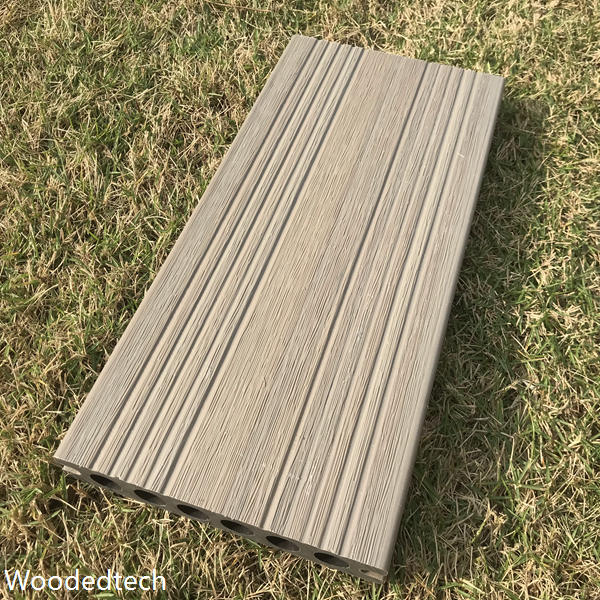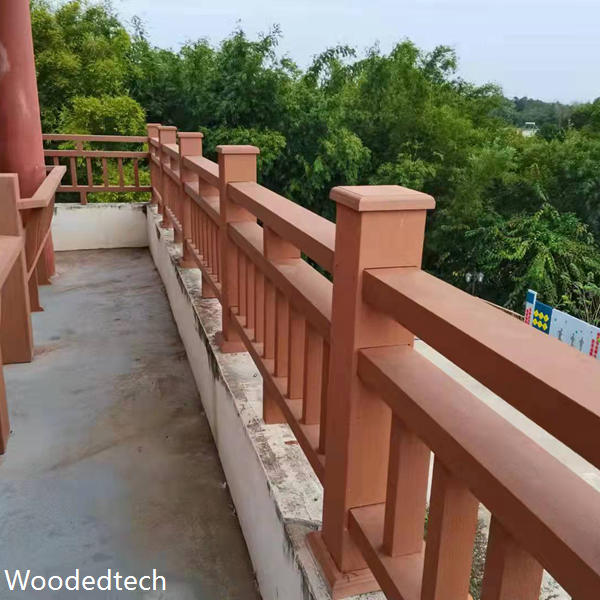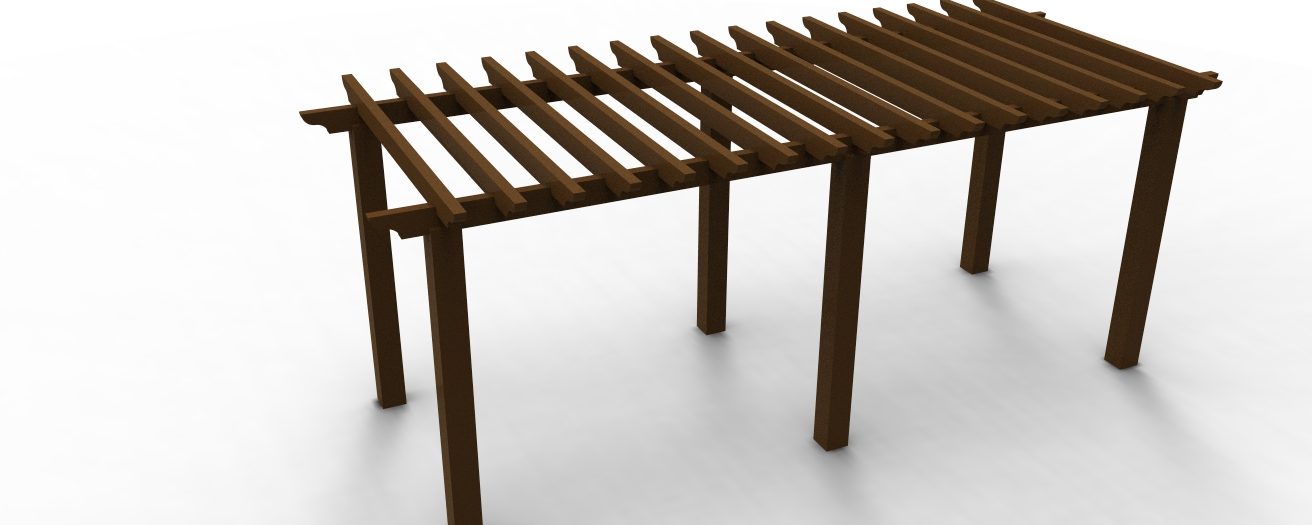
What are the best Shade structure composite wood plastic materials for outdoors
Common Installation Errors with Shade Structure Composite Wood Plastic Materials
Despite the advantages of composite wood plastic materials for outdoor shade structures, installation errors can lead to significant issues. One common mistake occurs during the alignment of the support beams. If these are not level, the entire structure may lean, leading to aesthetic problems and potential safety hazards. It is essential to ensure that all components are correctly aligned and securely fastened according to the manufacturer’s guidelines. Additionally, improperly drilled holes can compromise the integrity of the installation, resulting in gaps that may allow water intrusion or instability.
Another frequent installation issue is the inadequate spacing between panels. Each composite wood plastic material has a specified expansion rate due to temperature fluctuations. Failure to account for this can lead to buckling or warping over time. Always refer to the product specifications to determine the appropriate spacing required for thermal expansion.
Addressing Colour Differences in Composite Wood Plastic Materials
Customers often express concern about colour discrepancies in their outdoor shade structures. These variations can arise from different batches of material, as manufacturing processes may yield slight differences in hue. To mitigate this, it is advisable to purchase all materials needed for a project at the same time and from the same batch whenever possible. If colour variation is noticed after installation, consider applying a standardised wood finish designed for composite materials to create a more uniform appearance.
Lighting conditions can also affect how colours appear. For instance, in direct sunlight, some shades may appear brighter than in shaded areas. To ensure customer satisfaction, it’s essential to communicate these factors during the design and selection phase.
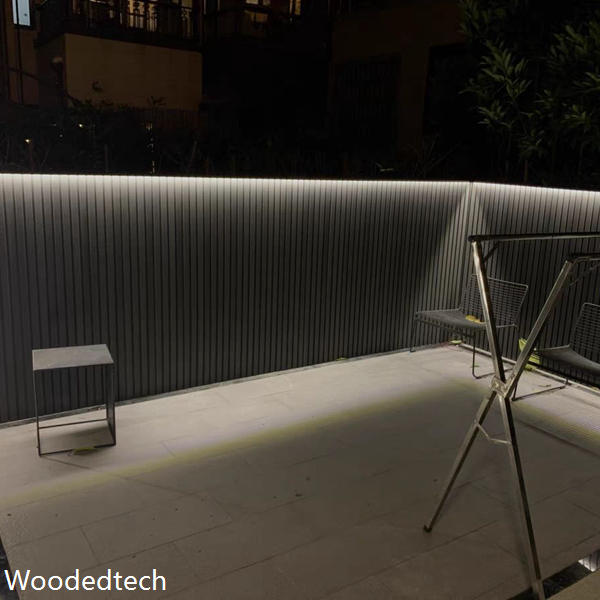
Expansion Issues with Composite Wood Plastic Shade Structures
Composite wood plastic materials typically exhibit expansion and contraction due to temperature changes. This characteristic can pose a challenge if not adequately managed during the installation process. To address expansion issues, it is important to leave sufficient gaps between panels and around fixed structures to accommodate movement. A guideline of approximately 3mm is often recommended, but this can vary based on the specific product.
Furthermore, in regions with extreme temperature variations, additional care should be taken to ensure that the mounting systems allow for some movement. If customers experience problems with their structures due to inadequate allowances for expansion, it may be necessary to revisit the installation and adjust the gaps accordingly.
Surface Scratches and Their Maintenance
Despite the durability of composite wood plastic materials, surface scratches can occur, particularly in high-traffic areas or where equipment is used. These scratches can detract from the overall appearance of the shade structure. Customers can prevent this by using soft cleaning tools and avoiding abrasive materials during maintenance. Regular cleaning with a mild detergent and water can help maintain the surface finish.
If scratches do occur, many composite materials can be sanded lightly to reduce their visibility. Customers should be informed about suitable touch-up paints or coatings that can help restore the finish without compromising the material’s integrity. Proper maintenance and care will enhance the longevity and appearance of the shade structure.
Maintenance Requirements for Long-lasting Composite Wood Plastic Structures
Routine maintenance is essential to ensure the longevity of shade structure composite wood plastic materials. Regular inspections should be carried out to check for signs of wear, especially on the joints and fasteners. Any loose connections should be tightened promptly to prevent further damage.
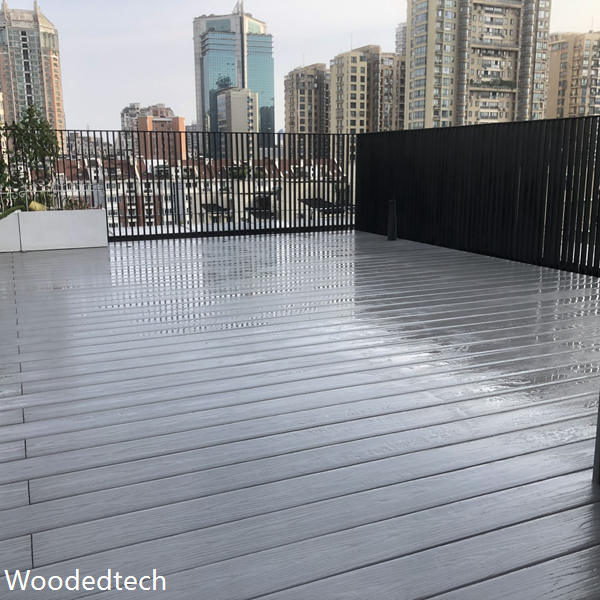
Cleaning the structure periodically will also help prevent the build-up of dirt and debris, which can lead to mould and mildew growth. Customers should be advised to avoid harsh chemicals that can damage the surface of the composite materials. Instead, a gentle wash with soap and water is typically sufficient. This practice not only keeps the structure looking new but also ensures that it performs well throughout its lifespan. Adhering to these maintenance guidelines will help customers get the most out of their outdoor shade structures.