Tendances modernes de conception dans les structures de verrière en polymère de bois
L'assumation des structures de canopée de polymère de bois
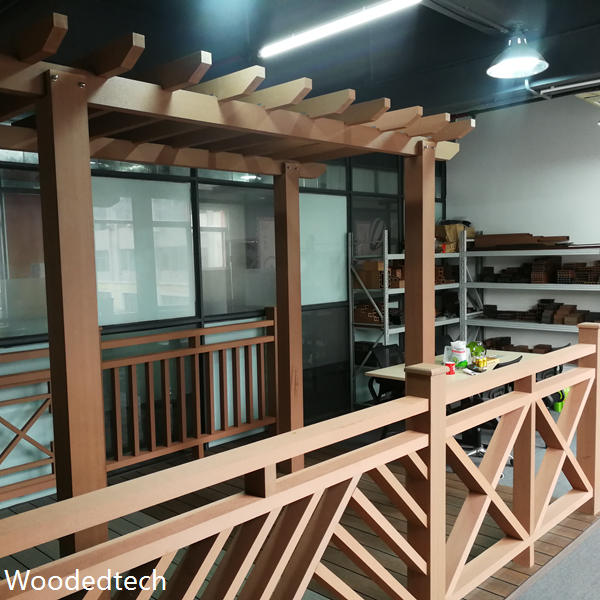
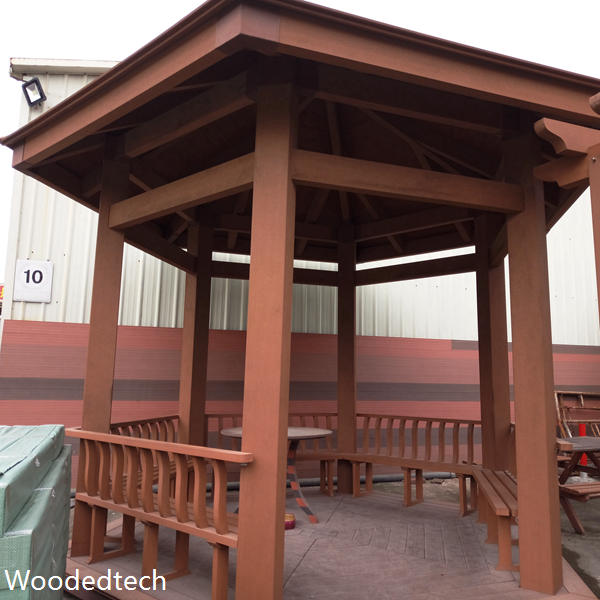
La popularité croissante des verrières en polymère de bois dans l'esthétique extérieure reflète un changement significatif vers les sensibilités de conception moderne.Ces structures mêlent l’élégance du bois naturel à la durabilité des matériaux synthétiques, en particulier dans le domaine des pergolas et des gazebos.En tant que propriétaires et architectes à la recherche de lignes plus propres et d’esthétique contemporaine, le composite polymère de bois (WPC) offre une solution parfaite qui complète l’architecture moderne tout en répondant aux préoccupations pratiques de l’entretien de la structure extérieure.
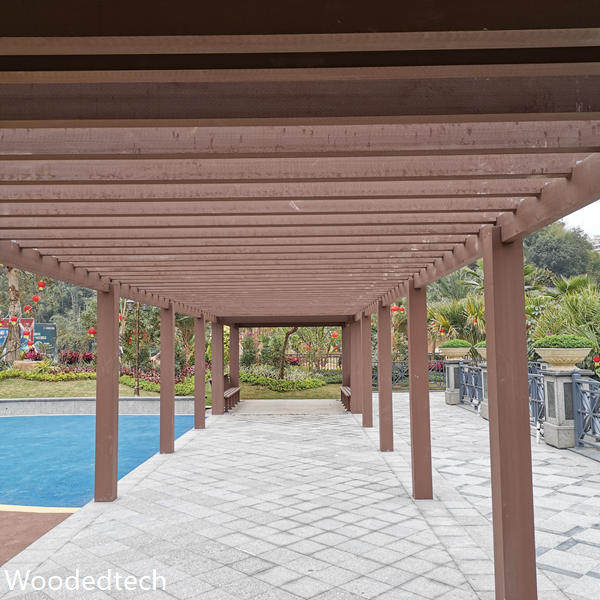
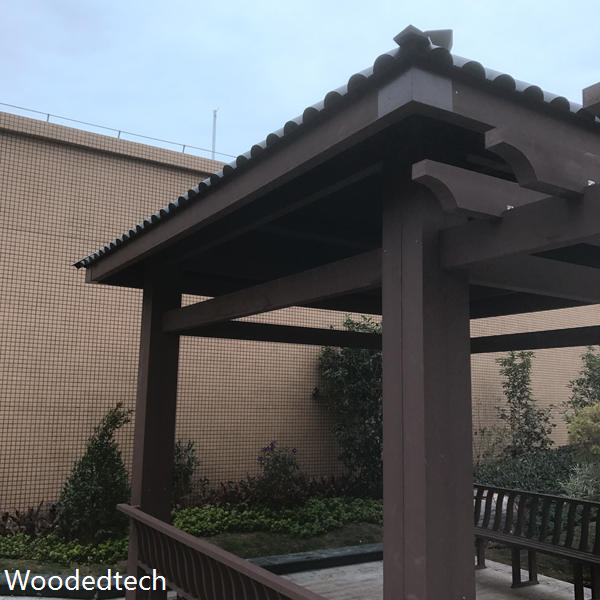
Les auvents en polymère de bois offrent un équilibre harmonieux entre la forme et la fonction.Avec leurs profils épurés et leurs conceptions polyvalentes, ils sont incroyablement adaptables à divers espaces extérieurs.Qu’il s’agisse de créer un patio ombragé ou d’une retraite de jardin invitante, ces auvents améliorent l’expérience extérieure tout en assurant la longévité et la résilience contre les éléments.
Durabilité et résistance aux conditions météorologiques
L'un des avantages remarquables des auvents en polymère de bois est leur durabilité inégalée par rapport au bois traditionnel.Le bois naturel, tout en étant esthétiquement agréable, est sujet à la déformation, au fractionnement et à la pourriture lorsqu'il est exposé à l'humidité et aux températures fluctuantes.En revanche, le WPC n'est pas affecté par de tels facteurs environnementaux.Le matériau composite est conçu pour résister aux intempéries, ce qui en fait un choix fiable pour les structures extérieures qui font face à la pluie, à la neige et à l'exposition aux UV.
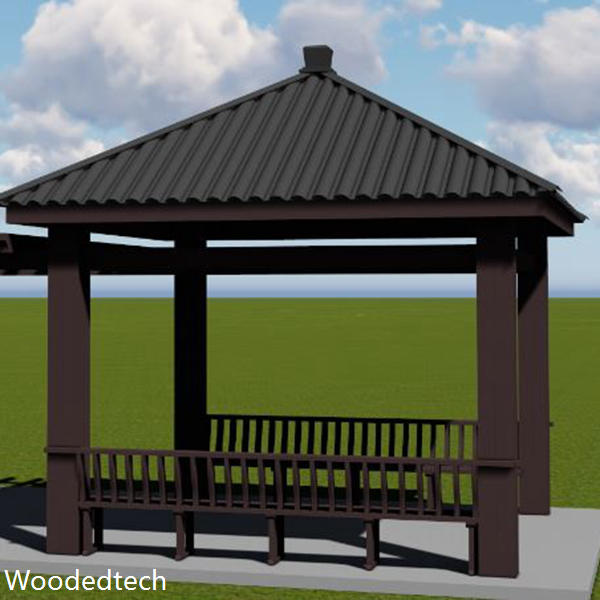
La résistance du polymère de bois aux insectes et à la décomposition ajoute une autre couche d'appel.Les propriétaires peuvent profiter de leurs espaces extérieurs sans l'examen de l'entretien constant ou la nécessité de traitements chimiques généralement associés au bois naturel.Cette durabilité assure non seulement l’intégrité structurelle de la verrière au fil du temps, mais maintient également son attrait visuel, car WPC ne se décolore pas ou ne perd pas sa finition aussi rapidement que le bois.
Attrait esthétique moderne
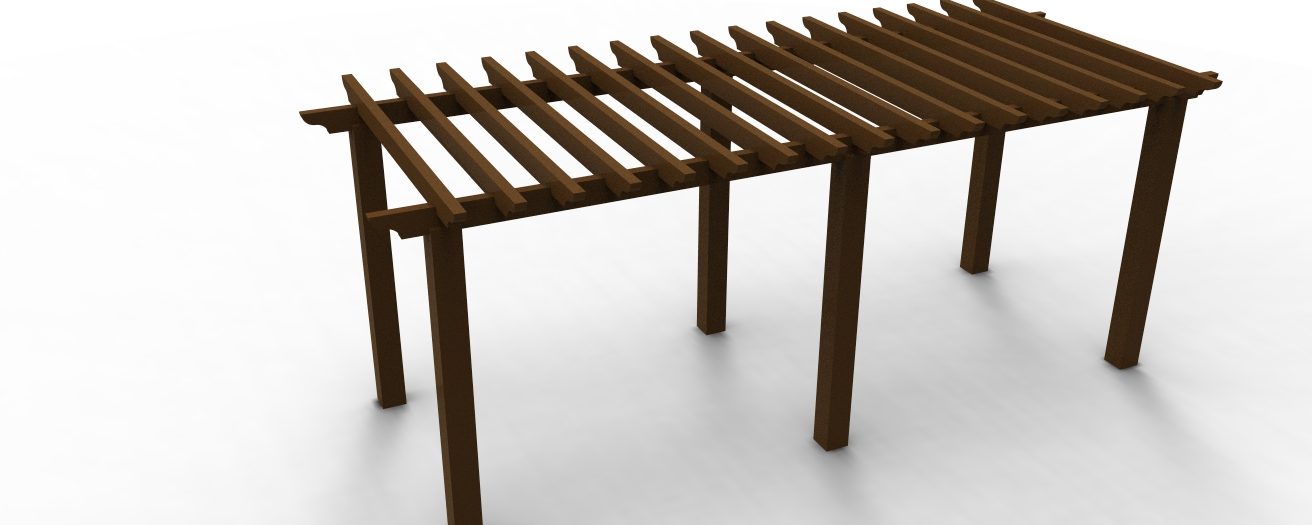
Les tendances de design moderne favorisent des lignes épurées et géométriques et une esthétique minimaliste.Les auvents en polymère de bois peuvent être conçus pour s'intégrer parfaitement dans ces schémas contemporains.La capacité de personnaliser les formes, les tailles et les finitions signifie que ces auvents peuvent compléter n'importe quel style architectural, des maisons urbaines élégantes aux retraites rustiques.La flexibilité dans la conception permet aux architectes et aux constructeurs de créer des structures sur mesure qui améliorent l'environnement extérieur tout en offrant une ombre fonctionnelle et un abri.
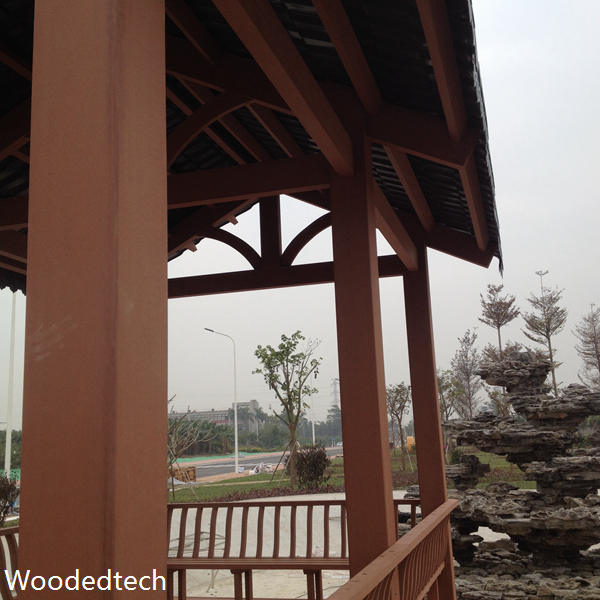
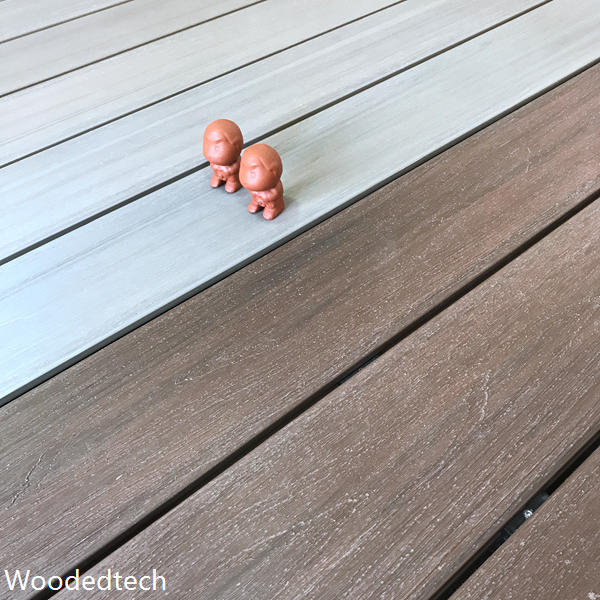
La finition de WPC peut imiter divers bois, donnant aux propriétaires la possibilité d'atteindre l'esthétique souhaitée sans sacrifier la performance.La gamme de couleurs et de textures disponibles signifie qu'il peut convenir à n'importe quelle vision de conception, que l'on désire les tons chauds du cèdre ou les teintes plus profondes de l'acajou.Cette polyvalence garantit que les verrières en polymère de bois servent non seulement un but fonctionnel, mais ajoutent également à la beauté globale de la propriété.
Considérations écologiques
La durabilité est une considération importante pour le design moderne.Les auvents en polymère de bois attirent les consommateurs soucieux de l'environnement.Comme ils sont fabriqués à partir de matériaux recyclés, WPC représente un choix plus durable que le bois traditionnel, qui implique souvent la déforestation et les pratiques d'exploitation forestière non durables.En choisissant WPC, les propriétaires peuvent réduire leur empreinte environnementale tout en profitant des avantages d’une structure extérieure moderne et attrayante.
De plus, la longévité des produits polymères de bois signifie qu'ils n'ont pas besoin d'être remplacés aussi fréquemment que les structures en bois traditionnelles.Cette durabilité entraîne moins de gaspillage dans le temps, améliorant encore leurs références écologiques.Les faibles besoins de maintenance de WPC contribuent également à sa durabilité, car moins d’énergie et de ressources sont dépensées pour l’entretien et les réparations.
Applications polyvalentes
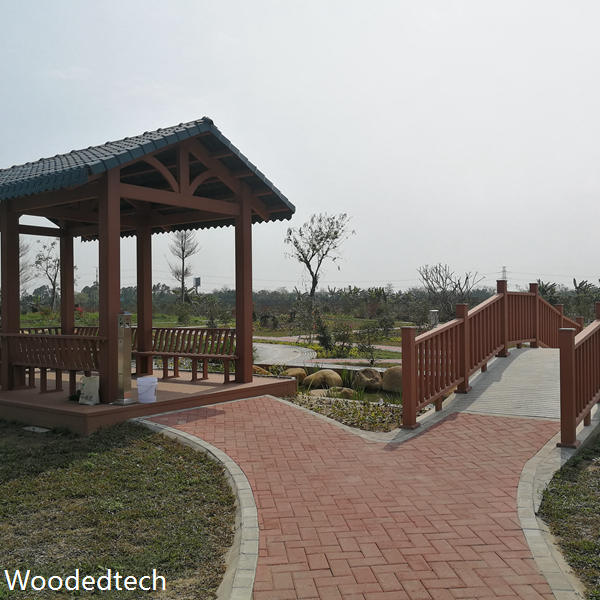
La polyvalence des verrières en polymère de bois s'étend au-delà des pergolas et des gazebos traditionnels.Ils peuvent être utilisés dans une variété d'applications extérieures, y compris les couvertures de patio, les abris de voiture et les porches criblés.Cette adaptabilité fait de WPC un excellent choix pour différents types de projets, des jardins résidentiels aux espaces extérieurs commerciaux.
Dans les zones de loisirs publiques, les auvents en polymère de bois peuvent fournir des sièges ombragés et des lieux de rassemblement communautaires sans risque de détérioration généralement associée au bois.Ceci est particulièrement bénéfique dans les environnements où les structures sont exposées à un trafic piétonnier élevé ou à des conditions météorologiques extrêmes.De telles applications mettent en valeur les avantages du matériau tout en améliorant la convivialité et le plaisir des espaces extérieurs.
Conclusion: Adopter les tendances modernes
L'émergence des canopées en polymère de bois dans la conception moderne représente un changement vers des structures extérieures pratiques, durables et esthétiquement agréables.Leur résistance aux intempéries et leur faible entretien les rendent de plus en plus populaires parmi les propriétaires et les concepteurs.Alors que la demande de solutions extérieures élégantes continue de croître, embrasser les avantages des composites polymères en bois permet la création d’espaces étonnants qui résistent à l’épreuve du temps.
Le choix des verres en polymère de bois s’aligne non seulement sur les tendances modernes du design, mais garantit également un investissement durable dans la vie en plein air.Avec leur mélange de style, de durabilité et de durabilité, ces structures ouvrent la voie à l'avenir de l'architecture extérieure, offrant à la fois beauté et praticité pour les années à venir.