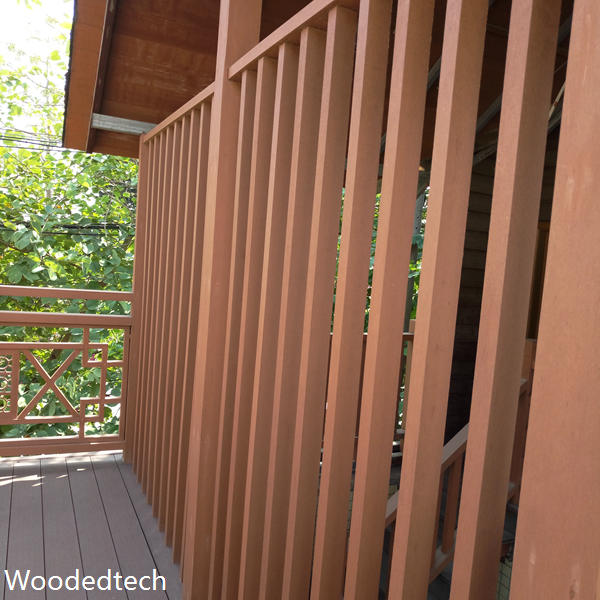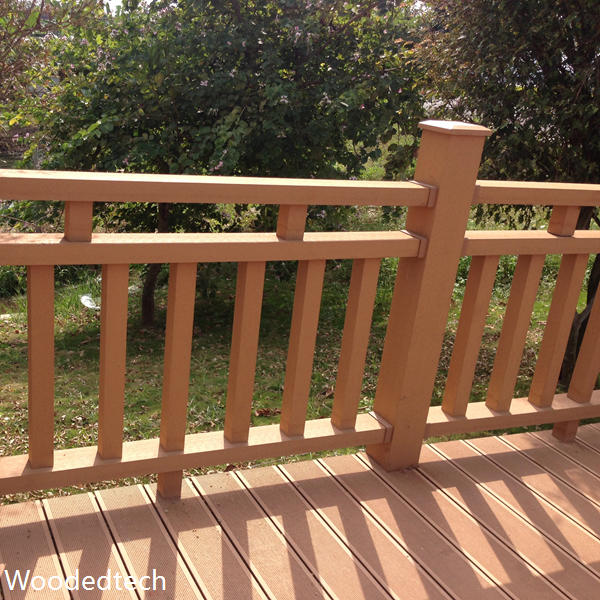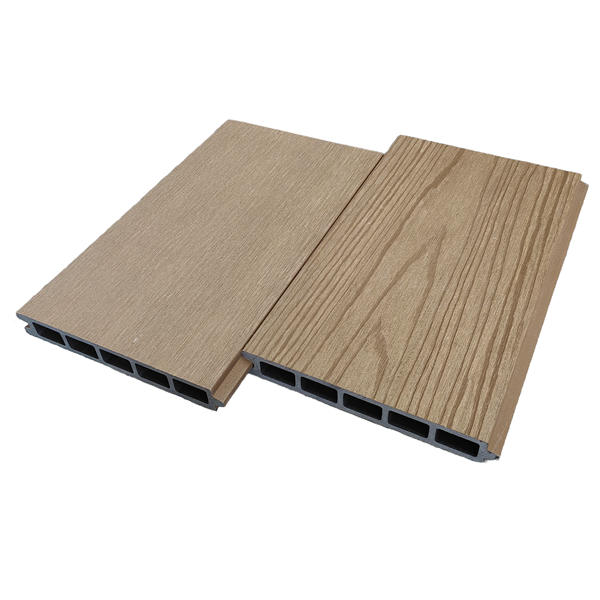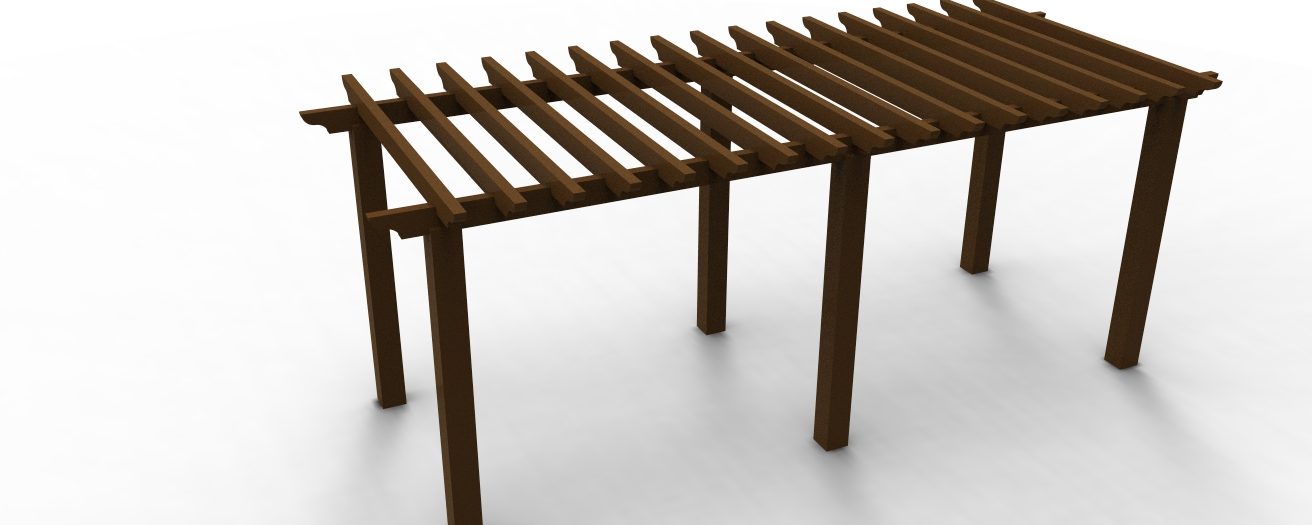
Comment les panneaux composites en bois de treillis améliorent-ils les conceptions de confidentialité extérieure
Avantages des panneaux composites en bois plastique Trellils
Les panneaux composites en bois de treillis offrent un mélange unique de durabilité et d'esthétique, ce qui en fait un choix populaire pour les conceptions d'intimité extérieure.Contrairement au bois traditionnel, ces panneaux ne se déformernt pas ou ne se dispersent pas, réduisant considérablement l'entretien nécessaire au fil du temps.La résistance à l'humidité et aux insectes améliore encore leur longévité, en veillant à ce qu'ils maintiennent leur apparence et leur fonctionnalité, même dans des conditions météorologiques difficiles.Il s'agit d'une amélioration notable par rapport au bois naturel, qui succombe souvent à des infestations de pourriture et de ravageurs, nécessitant un traitement et un remplacement réguliers.
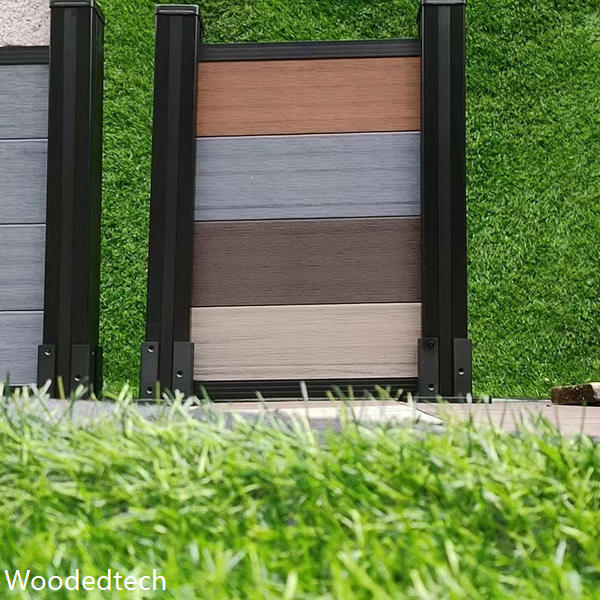
Un autre avantage important des panneaux WPC est leur polyvalence dans la conception.Ils peuvent être fabriqués dans une variété de couleurs et de finitions, permettant une plus grande liberté créative dans les projets d'aménagement paysager et architecturaux.Cette flexibilité permet aux concepteurs de créer des environnements extérieurs sur mesure qui sont visuellement attrayants tout en offrant une intimité essentielle pour les propriétaires et les propriétés commerciales.La qualité esthétique, combinée aux avantages pratiques, fait des panneaux composites en bois plastique de treillis un choix idéal pour les espaces extérieurs contemporains.
Comparaison de WPC avec le bois traditionnel
Lorsque l’on compare les panneaux composites en bois de treillis en plastique avec le bois traditionnel, plusieurs facteurs entrent en jeu.Alors que le bois est souvent loué pour sa beauté naturelle et ses motifs de grains uniques, il présente des inconvénients inhérents qui peuvent affecter sa praticité dans les applications extérieures.Le bois nécessite un entretien régulier, y compris la coloration et l'étanchéité, pour le protéger des éléments.En revanche, les panneaux WPC nécessitent un entretien minimal, principalement limité au nettoyage occasionnel avec du savon et de l'eau.
Le coût du cycle de vie du bois peut également être nettement plus élevé en raison du besoin fréquent de remplacement et d'entretien.En établissant des conceptions de confidentialité en plein air, opter pour des panneaux composites en bois de treillis en plastique peut entraîner des économies substantielles à long terme, car ils ne nécessitent pas le même investissement dans l'entretien et les matériaux de remplacement.À mesure que les espaces urbains évoluent pour accueillir des populations accrues, la durabilité et le faible entretien du WPC deviennent cruciaux dans les pratiques de conception durable.
Performances contre l'aluminium et d'autres matériaux
Bien que l’aluminium offre une esthétique moderne et une alternative légère pour les structures extérieures, il ne fournit pas la même chaleur ou le même attrait visuel que les composites en bois.Les panneaux en aluminium peuvent devenir inconfortablement chauds à la lumière directe du soleil, ce qui les rend moins adaptés à la création d'environnements extérieurs intimes.En outre, la rigidité de l'aluminium peut limiter la flexibilité de conception par rapport à la nature adaptable des panneaux WPC.
Les panneaux WPC se distinguent par leur capacité à imiter l'apparence du bois tout en offrant une durabilité supérieure.Ils ne nécessitent pas de traitements ou de revêtements supplémentaires étendus, contrairement à de nombreux produits en aluminium qui peuvent nécessiter une peinture ou une anodisation pour maintenir leur apparence.Cela rend les panneaux composites en bois de treillis non seulement plus pratiques, mais aussi un choix plus durable à long terme.
Exigences de maintenance
L'entretien est souvent un facteur déterminant lors de la sélection des matériaux pour les projets en plein air.Les panneaux composites en bois de treillis sont conçus pour résister à la décoloration, à la coloration et à la croissance de la moisissure, ne nécessitant guère plus qu'un lavage à l'eau savonneuse pour les garder neufs.C’est un contraste frappant avec le bois naturel, qui doit être poncé, taché et scellé régulièrement pour préserver son intégrité et son apparence.
Pour l'aluminium, alors que l'entretien a tendance à être moins fréquent, toute rayure ou bosse peut entraîner de la corrosion si elle n'est pas traitée rapidement.Cet aspect fait des panneaux WPC une option plus conviviale pour les propriétaires et les entreprises à la recherche d’une expérience sans tracas avec leurs installations de confidentialité en plein air.
Coûts du cycle de vie et impact environnemental
Les coûts du cycle de vie associés aux panneaux composites en bois de treillis en plastique fournissent également un argument convaincant pour leur utilisation dans les conceptions de confidentialité en plein air.L'investissement initial peut être comparable aux matériaux traditionnels, mais les économies à long terme sur l'entretien, les réparations et les remplacements prématurés inclinent souvent le solde en faveur de WPC.De plus, avec l’accent croissant mis sur les pratiques de construction durables, les panneaux WPC sont généralement fabriqués à partir de matériaux recyclés, ce qui en fait un choix respectueux de l’environnement.
La récolte du bois naturel conduit à la déforestation, tandis que la production d'aluminium peut être gourmande en énergie.Les panneaux composites en bois de treillis concluent un équilibre en offrant une alternative durable qui utilise du contenu recyclé sans compromettre les performances ou l’esthétique.Avec une prise de conscience croissante des impacts environnementaux, le choix du WPC devient non seulement une décision économique, mais aussi une décision responsable.