Colonnade Wood Polymer Composite Sustainability pour la construction écologique
Comprendre Colonnade Wood Polymer Composite
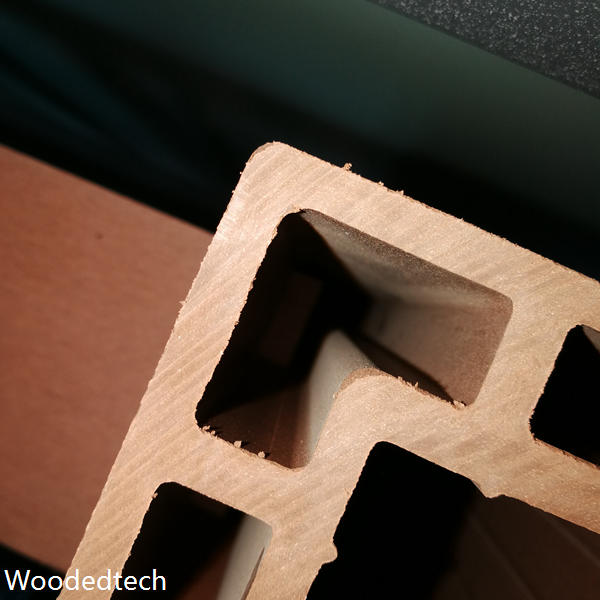
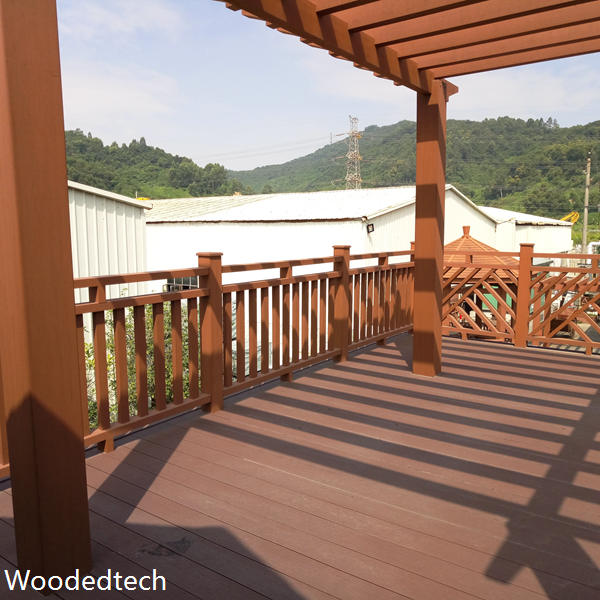
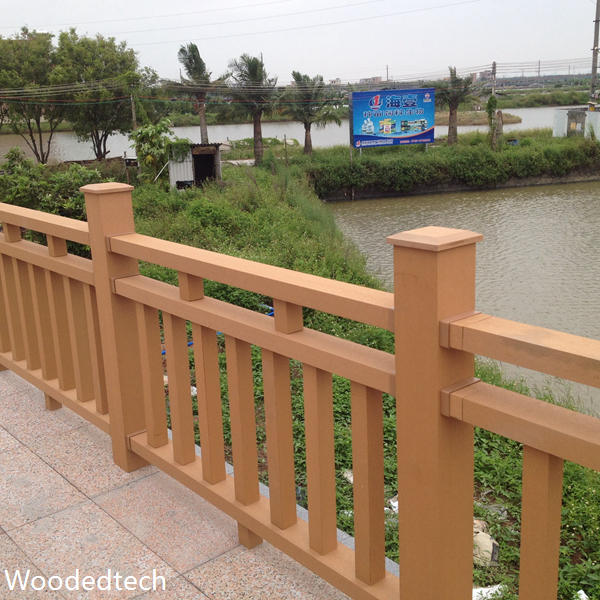
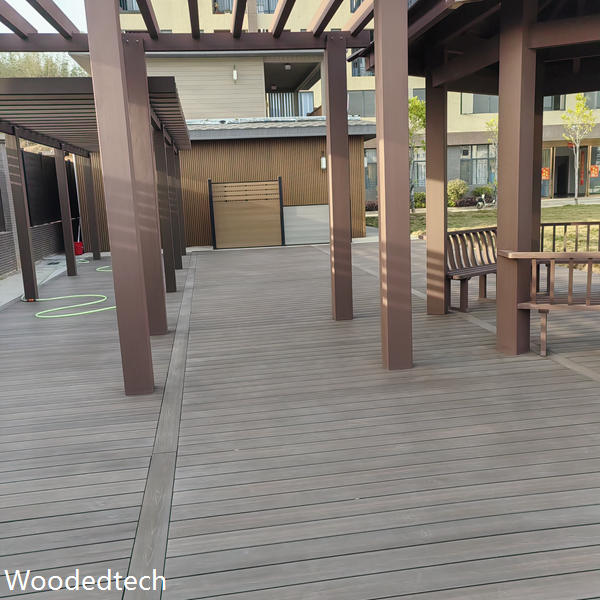
Le composite de polymère de bois de colonnade, souvent abrégé en WPC, intègre les propriétés durables du bois avec la résilience des polymères.Ce matériau innovant gagne du terrain dans l'industrie de la construction, en particulier pour les structures extérieures telles que les pergolas et les clôtures.Sa composition, qui comprend généralement des fibres de bois recyclées et du plastique, en fait non seulement un choix durable, mais aussi un choix qui offre une longévité et un faible entretien.Cette combinaison de matériaux aboutit à un produit qui résiste à l'épreuve du temps, à la pourriture, aux insectes et aux conditions météorologiques difficiles qui compromettraient généralement les structures en bois traditionnelles.
Alors que les acheteurs internationaux recherchent de plus en plus d’options écologiques pour la construction, colonnade WPC se distingue comme un choix privilégié.Non seulement il fournit l'attrait esthétique qui rappelle le bois naturel, mais il s'aligne également sur les préoccupations environnementales croissantes.L'aspect durabilité du WPC ne peut pas être surestimé; il utilise des matériaux recyclés, réduisant ainsi la demande de bois vierge et la pression sur les écosystèmes forestiers.
Les avantages d'installation de structures WPC
L'installation de structures de CPM de colonnade offre de nombreux avantages par rapport aux matériaux traditionnels.Tout d’abord, la facilité d’installation.WPC peut être préfabriqué en sections modulaires, ce qui permet un montage plus rapide sur site.Cette modularité est particulièrement bénéfique pour les acheteurs internationaux qui cherchent peut-être à rationaliser leurs processus de construction.Avec moins de temps passé sur l'installation, les projets peuvent être achevés plus efficacement, ce qui entraîne une réduction des coûts globaux.
De plus, la légèreté de WPC signifie qu'il nécessite des machines moins intensives pour le transport et l'installation.Ce facteur est particulièrement pertinent pour les exportateurs et les importateurs, car la réduction du poids du transport se traduit par une réduction des coûts d'expédition.Non seulement cela rend la colonnade WPC plus économique pour les acheteurs, mais cela s’aligne également sur les objectifs de durabilité en réduisant l’empreinte carbone associée au transport.
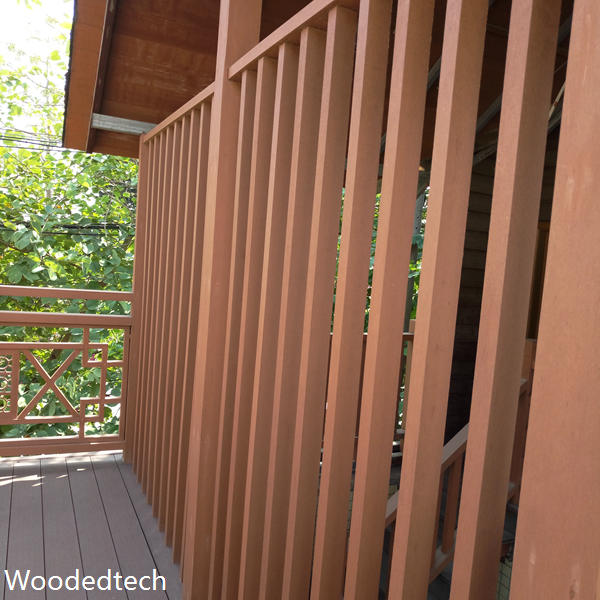
Systèmes modulaires: efficace et durable
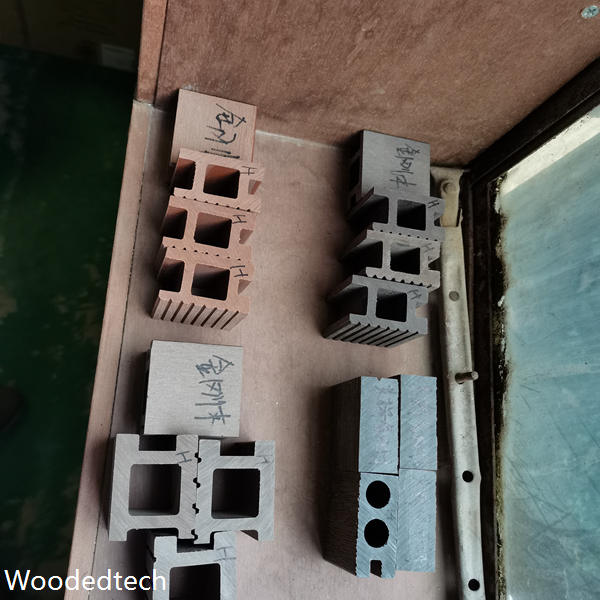
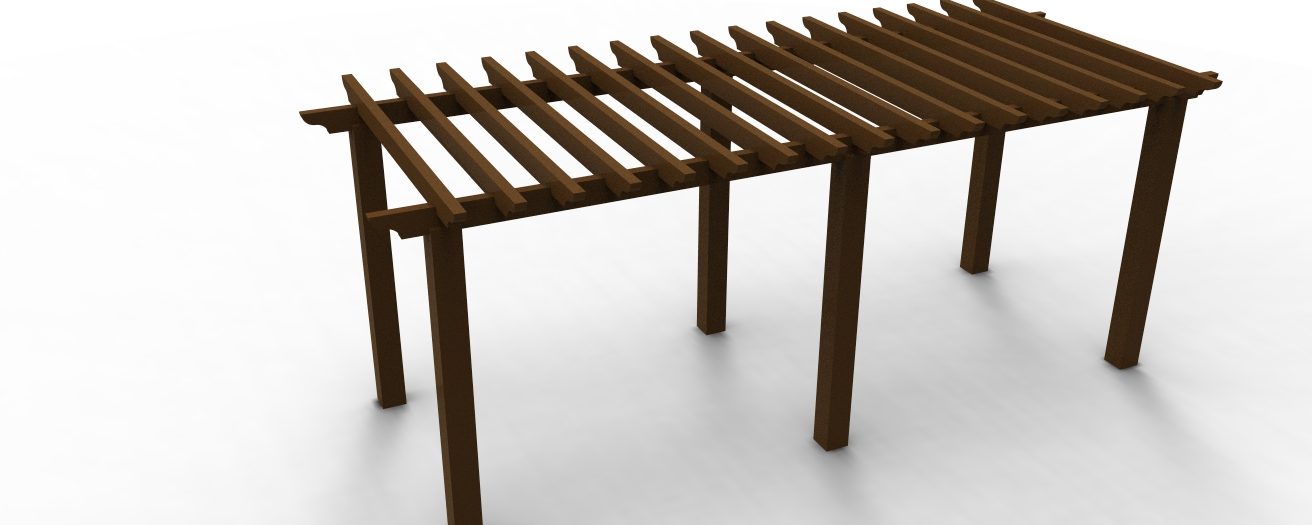
Les systèmes modulaires qui peuvent être créés avec la colonnade WPC ouvrent un monde de possibilités de personnalisation et de flexibilité.Les acheteurs internationaux sont de plus en plus intéressés par des solutions sur mesure qui répondent à des exigences de conception spécifiques tout en maintenant la durabilité.La polyvalence de WPC permet aux fabricants de créer une variété de formes et de tailles, ce qui le rend adapté à différents styles et préférences architecturaux.
De plus, l'utilisation de systèmes modulaires réduit les déchets de construction.Comme les composants peuvent être fabriqués selon des spécifications précises, il y a moins de restes de matériaux qui sont généralement gaspillés dans les pratiques de construction traditionnelles.Cette efficacité permet non seulement de réduire les coûts pour l’acheteur, mais soutient également un modèle de construction plus durable, faisant de WPC une option attrayante pour les entreprises éco-conscientes.
Sourcing WPC de Chine
La Chine s'est imposée comme l'un des principaux fabricants et exportateurs de produits composites en polymère de bois.Pour les acheteurs internationaux, l'approvisionnement en structures WPC de colonnade en provenance de Chine offre une opportunité importante d'accéder à des matériaux rentables et de haute qualité.Les fabricants chinois ont souvent des chaînes d'approvisionnement bien établies et la capacité de produire de grands volumes, ce qui peut être avantageux pour les projets de plus grande envergure nécessitant des achats en vrac.
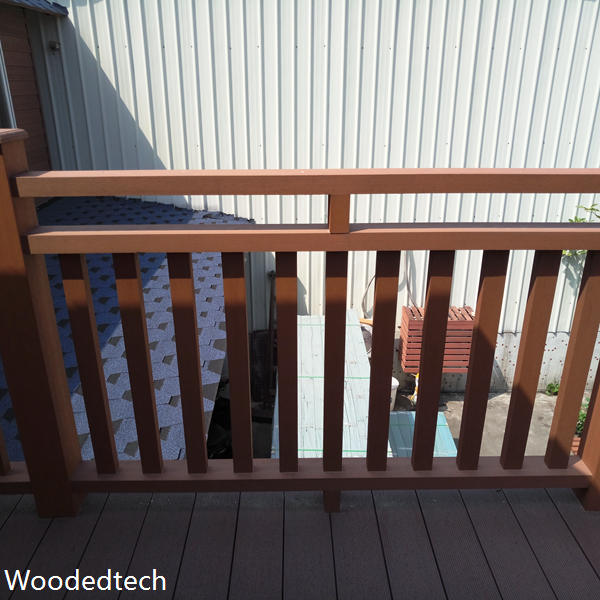
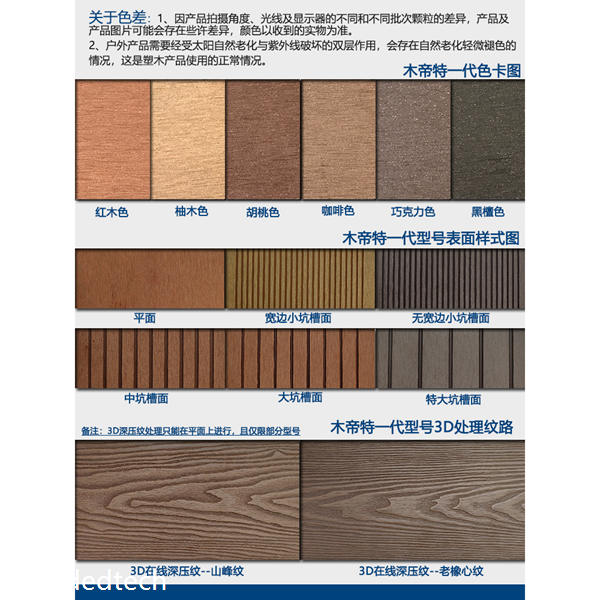
De plus, les progrès de la technologie et des méthodes de production en Chine ont permis aux fabricants d'améliorer la qualité et la variabilité de leurs produits WPC.Les acheteurs peuvent s'attendre à une gamme de finitions et de styles, répondant à différentes demandes du marché.En établissant des partenariats avec des fournisseurs chinois fiables, les acheteurs peuvent s’assurer qu’ils reçoivent des produits qui répondent non seulement à leurs spécifications de conception, mais respectent également les normes de durabilité.
L’avenir de la construction durable
À mesure que la durabilité devient un thème central dans l'industrie de la construction, la demande de matériaux comme le composite de polymère de bois de colonnade est susceptible de croître.Les acheteurs internationaux rechercheront de plus en plus d’options qui répondent non seulement aux exigences esthétiques et fonctionnelles, mais qui sont également respectueuses de l’environnement.Les propriétés uniques de WPC le positionnent comme un chef de file dans la poussée vers des pratiques de construction plus écologiques.
De plus, les progrès continus en science des matériaux sont susceptibles d'améliorer les capacités de WPC, en élargissant ses applications au-delà des structures extérieures.Alors que les fabricants continuent d’innover, le potentiel pour le WPC de colonnade de devenir un élément de base dans la construction écologique est immense, ce qui stimule à la fois la préférence des consommateurs et le soutien réglementaire pour des matériaux de construction durables.