¿Por qué elegir la plástica de madera para las modernas áreas de estar al aire libre
The Appeal of Plastic Timber Pergolas
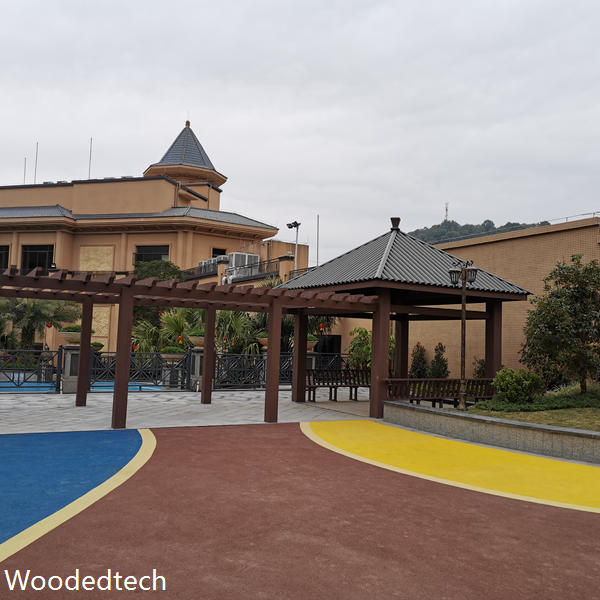
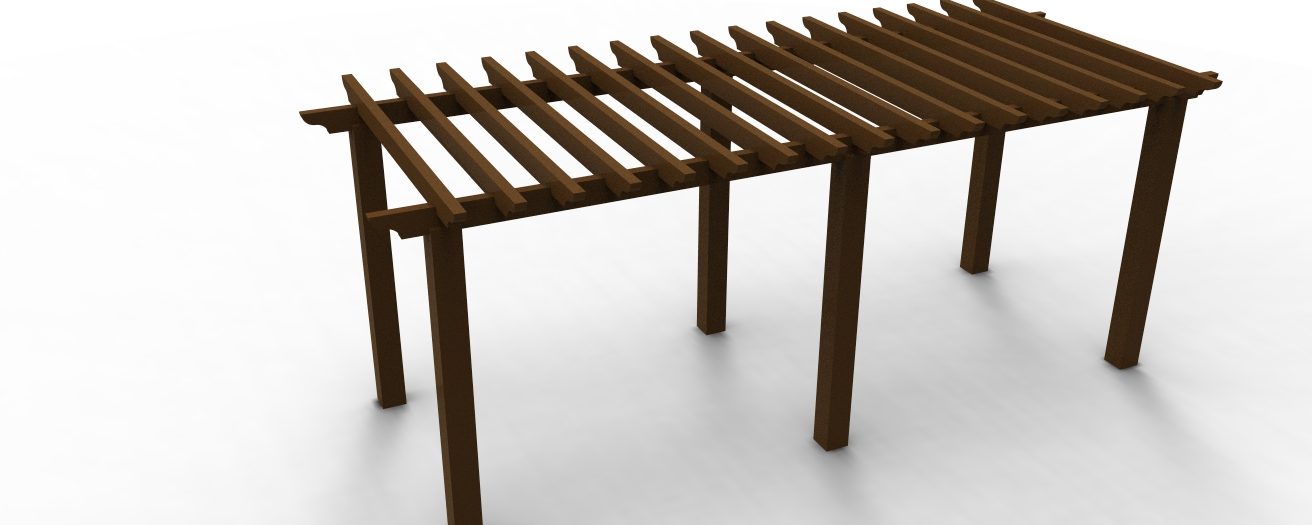
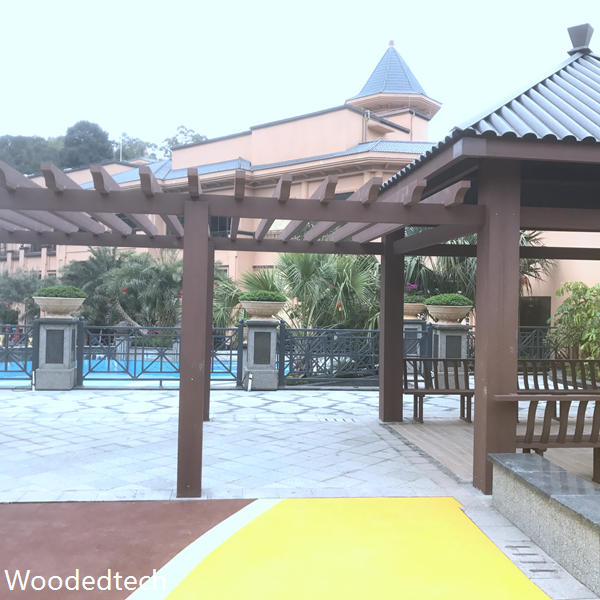
Plastic Timber Pergolas have rapidly gained popularity among homeowners and architects alike, thanks to their innovative design and environmental sustainability. These structures serve as both functional and aesthetic enhancements to modern outdoor living spaces. By combining the natural beauty of wood with the durability of synthetic materials, they offer a perfect blend of form and function. As a WPC extrusion technology engineer, I can attest to how the engineering behind these products facilitates their widespread use in various outdoor applications.
Material Mixing in WPC Production
The first step in producing Plastic Timber Pergolas is the material mixing process, which involves combining wood fibers with thermoplastic resins. This mixture is crucial as it determines the final physical properties of the product. The choice of wood flour, polyethylene, or polypropylene influences not only the strength but also the aesthetic appeal of the finished pergola. Precise proportions must be maintained to ensure consistent quality, which often requires careful monitoring and adjustments during the mixing phase. The blending must achieve a homogenous compound to ensure that each pergola exhibits the same high-quality characteristics.
Pelletizing WPC Materials
After mixing, the next phase is pelletizing. The homogeneous mixture is fed into a pelletiser, where it is subjected to heat and pressure, transforming the compound into small pellets. These pellets are essential for the subsequent extrusion process, as they facilitate uniform melting and flow. At this stage, it is crucial to manage temperatures closely; overheating can lead to degradation of the material, while underheating may result in poor extrusion quality. The pelletised material must be stored properly to prevent moisture absorption, which can adversely affect the production process.
Control de temperatura de extrusión
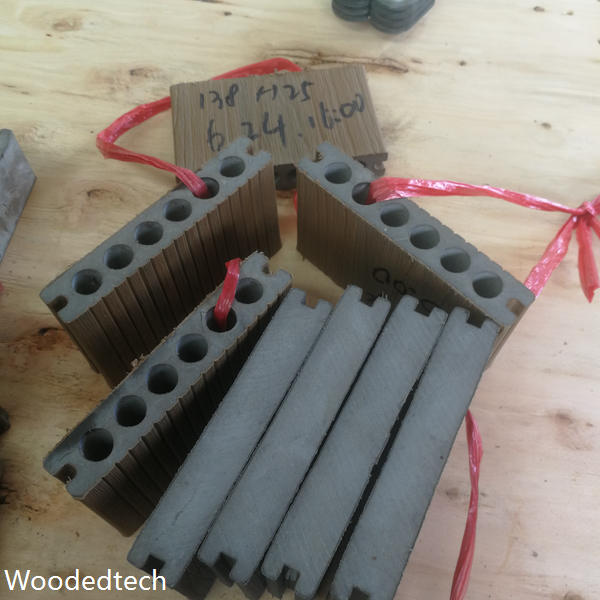
Extrusion is a critical stage in the manufacturing of Plastic Timber Pergolas. Controlled heating is vital here; the temperature of the extruder must achieve the optimal range to melt the pellets without damaging their structural integrity. Typically, temperatures between 160 and 200 degrees Celsius are maintained, allowing for a smooth flow through the die. This step is where the architectural design begins to take shape, as the molten material is forced through a specially designed die that dictates the profile of the pergola components. Maintaining consistency during this phase is imperative to avoid defects, which could compromise the structural stability of the final product.
Mold Design for Precision
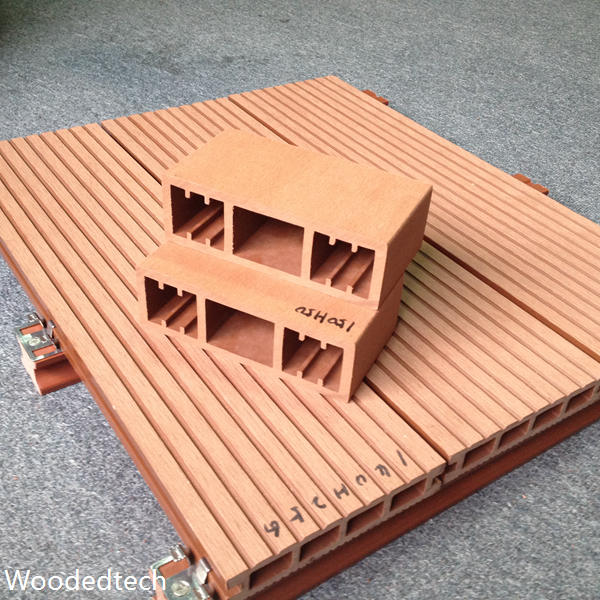
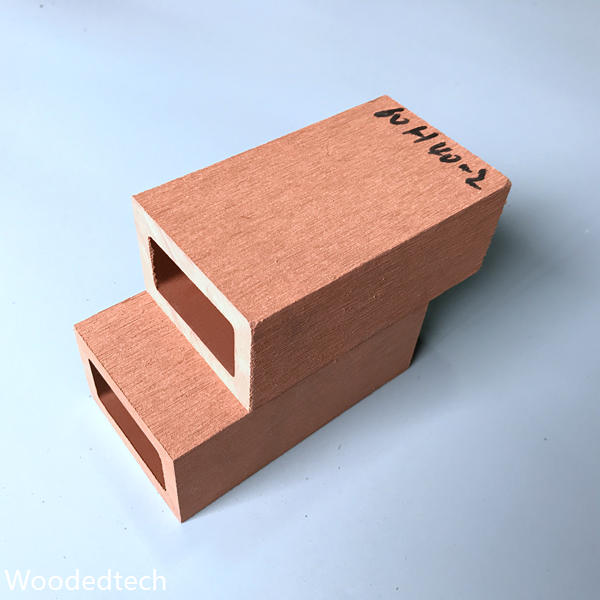
The mold design plays an instrumental role in the production of Plastic Timber Pergolas. Sophisticated moulding techniques allow for intricate shapes and profiles that mimic the aesthetic of traditional timber while providing the durability of plastic. Engineers must consider various factors, including the thermal expansion of materials, the cooling rate, and the desired finish of the product. A well-designed mold not only enhances the visual appeal but also ensures ease of assembly and installation on site, allowing for a hassle-free experience for both contractors and homeowners.
Calibración de enfriamiento y tratamiento de superficie
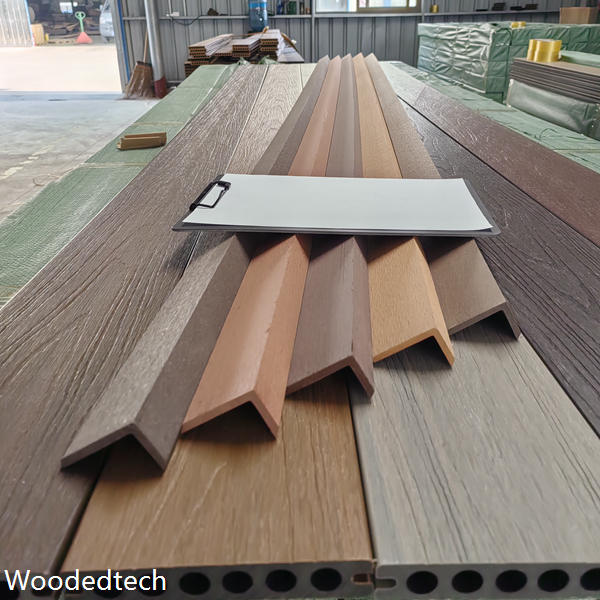
Once the extruded material is shaped, it enters the cooling phase, where precise calibration is essential to maintain the quality of the pergola components. The cooling process solidifies the material and retains its shape, but it must be carefully controlled to avoid warping or other deformities. After cooling, surface treatment is applied to enhance aesthetics and durability. This treatment can include UV protective coatings, colouration, or texturing to replicate the feel of natural wood. These finishing touches are vital for ensuring that the Plastic Timber Pergola not only serves its purpose but also complements the outdoor environment beautifully.