Solución De Problemas De Tamaño De Placas WPC Con Soporte De Instalación Y Mantenimiento
Board Dimensions Shape Outdoor Design
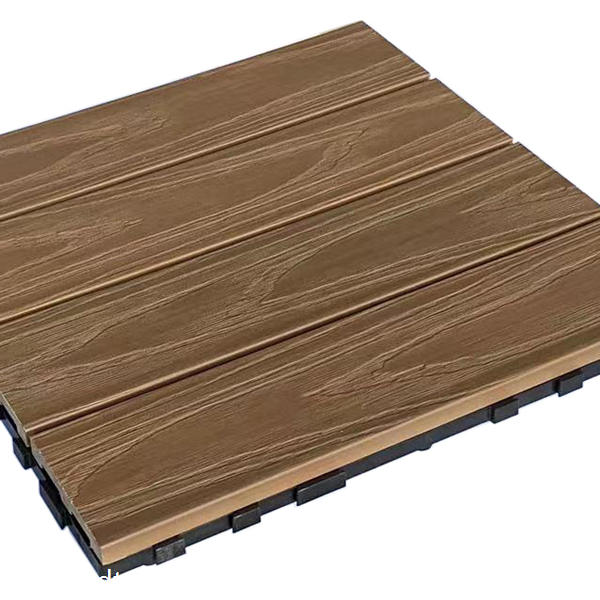
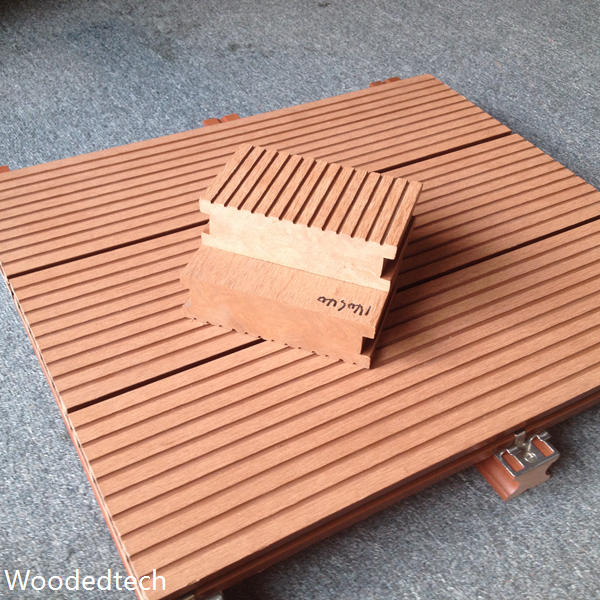
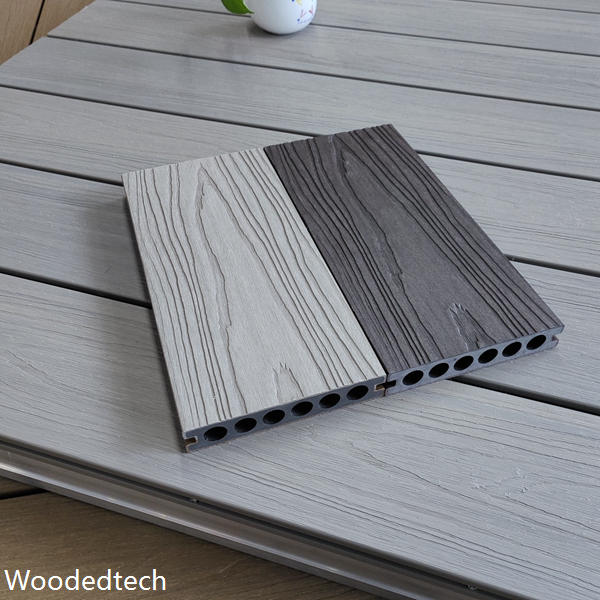
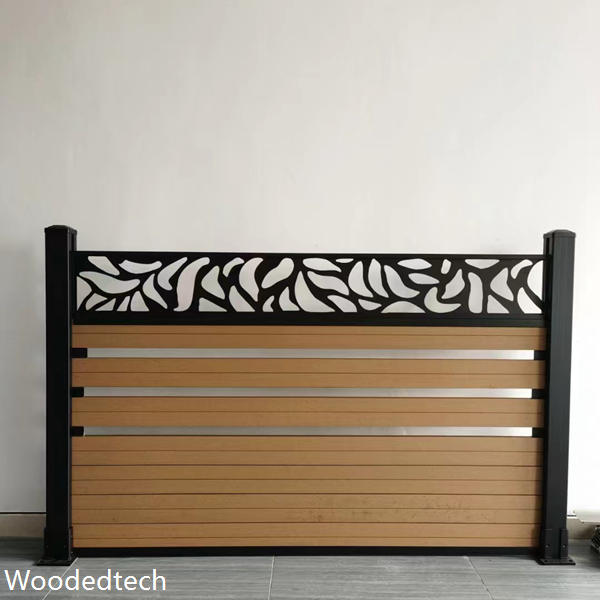
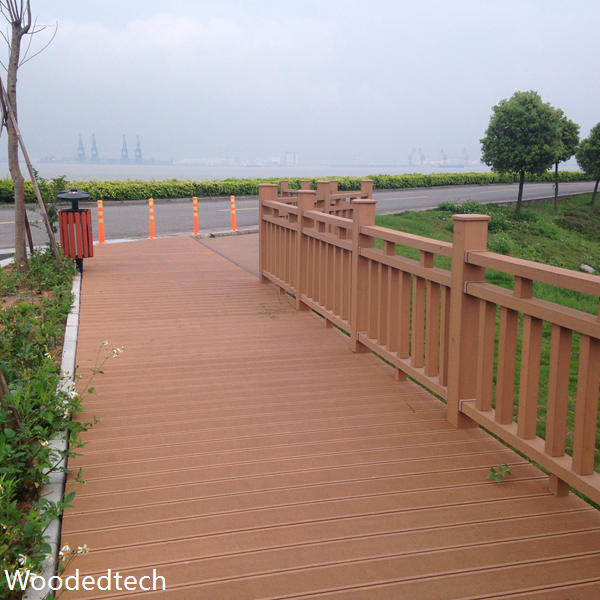
Outdoor WPC environments often fail to perform as expected because the selected board dimensions do not match the site, structure or installation method. Architects and landscape designers may specify a visually attractive product, yet overlook how span, expansion, drainage and access affect long-term performance. Correct wpc board size selection begins with the intended use, whether the material will form a pedestrian deck, pool surround, garden path, screen, planter facing or raised seating area.
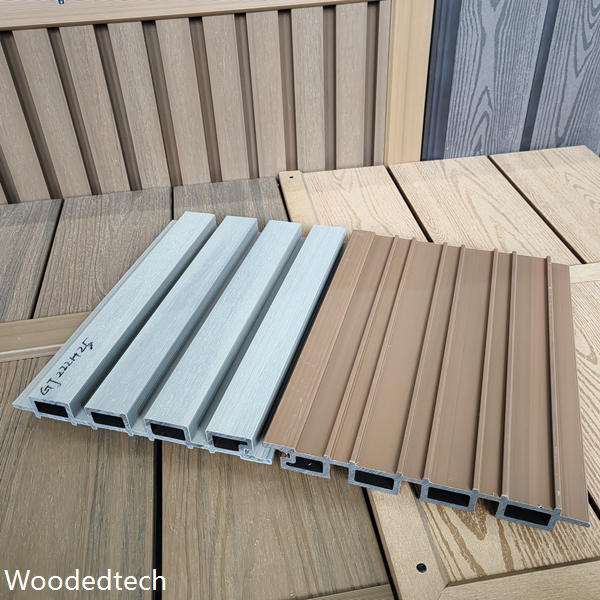
Board width influences the visual rhythm of a landscape, while thickness affects stiffness, fixing requirements and allowable joist spacing. Narrow boards can suit detailed patterns and curved layouts, whereas wider boards create a calmer appearance across terraces and commercial promenades. A project should also account for board length, because excessive joins can interrupt the design and increase installation time. A supplier with technical support can recommend dimensions that balance appearance, structural needs and material efficiency.
Site Conditions Determine Material Selection
Every outdoor project exposes WPC to different stresses. A roof terrace may have intense sunlight, restricted drainage and limited access for long boards. A pool deck faces regular moisture, cleaning chemicals and bare-foot traffic. A public plaza requires resistance to heavy footfall, trolley loads and repeated maintenance activity. These conditions should be assessed before selecting a profile, surface texture and wpc board size.
Landscape consultants should review the substructure, ground levels, drainage falls, ventilation and nearby vegetation. Boards installed close to soil or standing water need adequate separation and airflow beneath them. In hot climates, darker colours can absorb more heat and expand more noticeably, so fixing details and movement gaps deserve particular attention. In coastal or industrial locations, fasteners and support frames should resist corrosion. Material samples should be checked in natural light because colour, texture and surface temperature can influence the final user experience.
Installation Support Prevents Dimensional Errors
Accurate setting out is essential before any WPC boards are cut. The installer should confirm the joist centres, perimeter restraints, doorway levels and drainage direction, then establish a reference line that remains visible throughout the work. If the selected wpc board size is changed on site without recalculating joist spacing, boards may flex, fixing clips may not align, and edge details can become inconsistent.
Professional installation guidance should cover storage, acclimatisation, cutting, pre-drilling, clip placement and expansion allowances. Boards need to be stored flat on a clean, level surface and protected from direct weather exposure before installation. End-to-end joins require suitable support, and butt joints should not be forced tightly together. Around walls, posts and drainage channels, movement gaps must follow the manufacturer’s specification. For complex landscapes, installation drawings and a sample bay can resolve detailing issues before full production begins.
Maintenance Depends on the Finished Environment
WPC is valued for its low-maintenance surface, but low maintenance does not mean no maintenance. Regular sweeping removes grit that can abrade the finish, while prompt cleaning reduces staining from food, soil, leaves and organic debris. A soft brush, clean water and a suitable mild detergent are generally adequate for routine care. Pressure washing, if permitted by the product supplier, should be carried out at a controlled pressure and from a safe distance.
Maintenance teams should inspect the surface after extreme weather and during scheduled landscape visits. They can check for blocked drainage, loose clips, damaged boards, excessive movement and vegetation growing through gaps. The correct wpc board size also supports easier maintenance because accessible board lengths and sensible joint positions allow damaged sections to be removed without dismantling a large area. Clear care instructions should be handed to the client at project completion, including approved cleaning products and restrictions on abrasive tools.
Technical Coordination Protects Project Value
Successful WPC specification depends on cooperation between the architect, landscape designer, contractor, manufacturer and end user. A detailed schedule should identify board profile, dimensions, colour, surface finish, support spacing, fixing system and expected traffic level. It should also record batch information so replacement boards can be matched more accurately in future. For export or multi-site projects, packaging design and delivery planning must protect board edges and prevent distortion during storage.
After-sales support is especially valuable where a project includes unusual geometry, integrated lighting, steps or transitions to stone and concrete. A technical team can review shop drawings, confirm the correct wpc board size and advise on expansion details before materials reach the site. This reduces cutting waste, installation delays and premature complaints. With sound product selection, careful detailing and a practical maintenance plan, WPC can provide durable outdoor surfaces that retain their function and visual order through years of changing weather and regular use.