Cómo los fabricantes de cubiertas de madera de WPC ofrecen órdenes consistentes
Factory Planning for Consistent WPC Wood Decking Orders
As an OEM customization specialist in a WPC factory, I begin every project by converting the customer’s product brief into controlled manufacturing specifications. A request for wpc wood decking is rarely limited to colour and length. It may include board width, thickness, hollow or solid construction, joist compatibility, clip positioning, fire performance, slip resistance, loading requirements and the visual character expected in a particular market. These details are recorded on a technical approval sheet before production begins, so sales teams, engineers, inspectors and operators work from the same reference.
We also confirm the installation environment at an early stage. A residential terrace, hotel pool surround, commercial walkway and rooftop garden can require different drainage, surface friction and dimensional tolerances. For repeat orders, the approved profile drawing, compound formulation, tooling information and inspection standard become the customer’s production baseline. This prevents small changes in raw material ratios, mould settings or finishing pressure from creating visible differences between shipments made months apart.
Profile Dimensions and Tooling Control
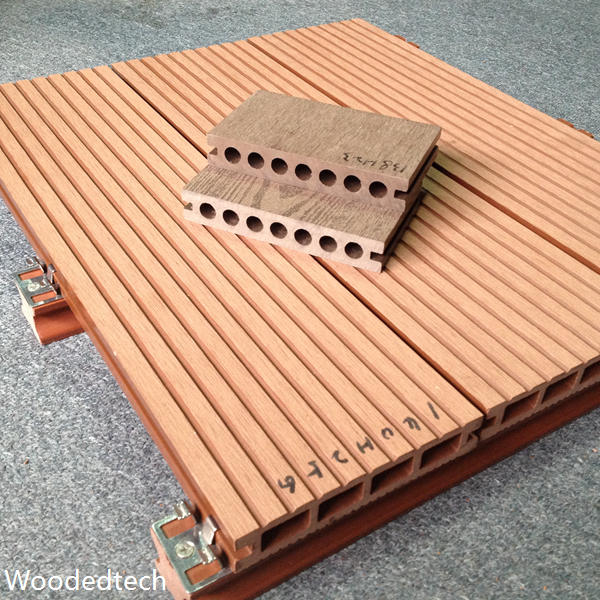
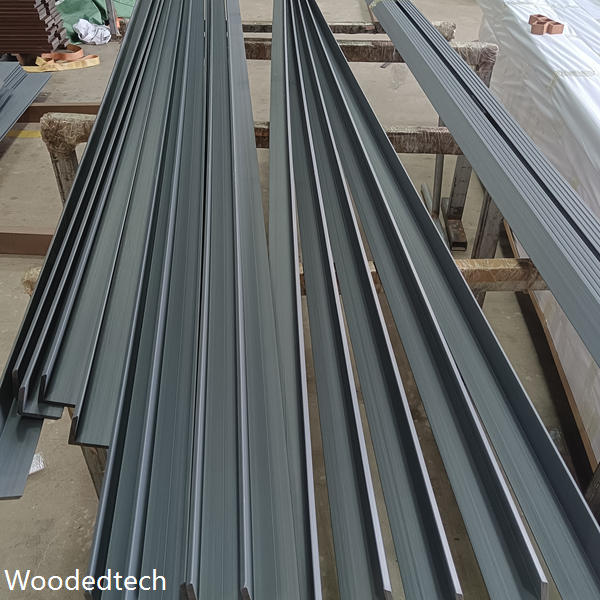
Profile customisation starts with the cross-section. Common boards may be 140 or 150 millimetres wide, but an OEM buyer may require a narrower 120 millimetre plank, a heavier 180 millimetre board or a special edge designed for hidden clips. Solid profiles offer greater mass and fixing flexibility, while hollow profiles reduce weight and material consumption. Our engineering team checks wall thickness, rib geometry, screw clearance and drainage channels through technical drawings and trial extrusion samples before a mould is approved.
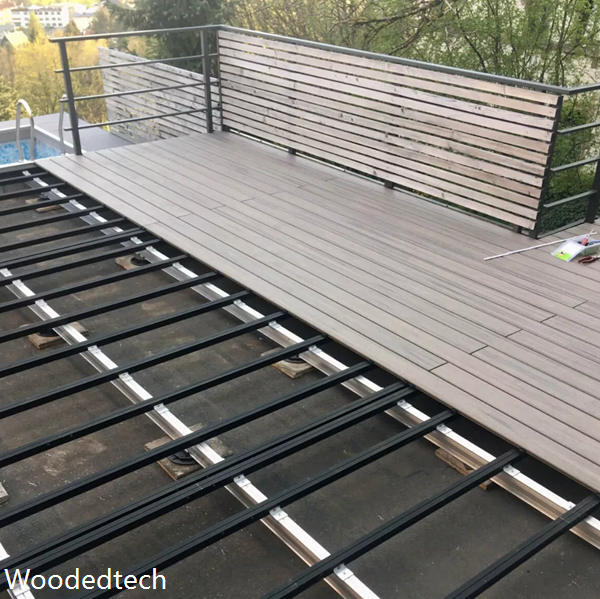
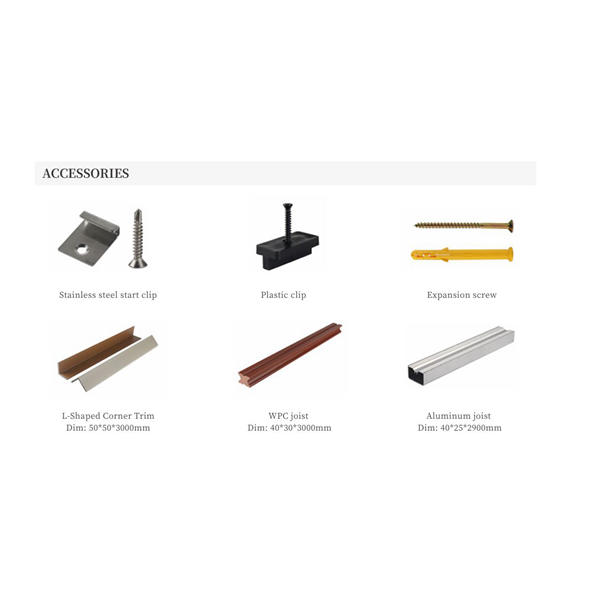
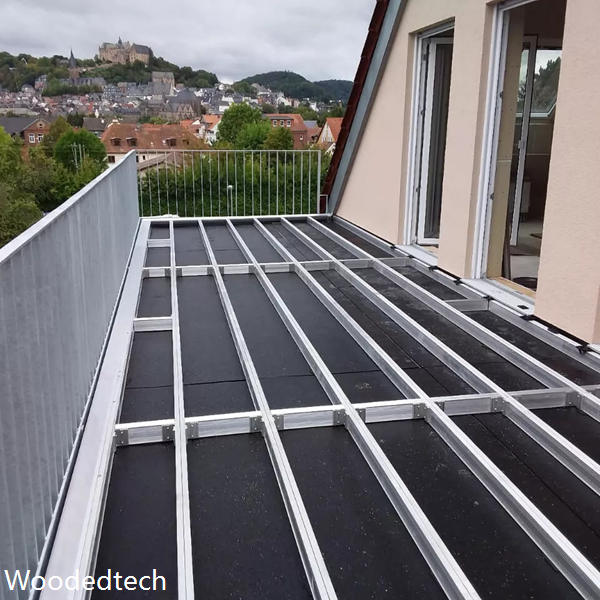
Consistent dimensions depend on more than the die itself. Extrusion temperature, cooling water conditions, haul-off speed and calibration pressure are monitored during production. Samples are measured for width, thickness, straightness, density and weight per metre. If a project uses a proprietary clip system or matching fascia, we test the complete installation rather than inspecting the board in isolation. This approach helps ensure that customised wpc wood decking fits the accessories supplied to contractors in different countries.
Colour, Texture and Surface Matching
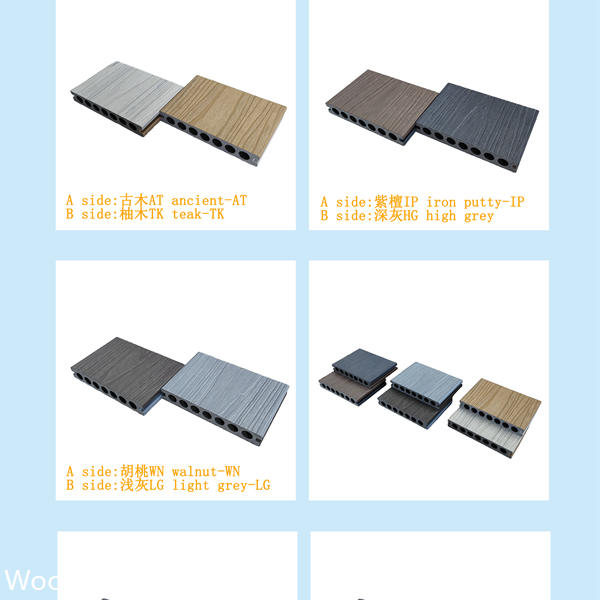
Colour selection is managed with physical reference samples and recorded colour targets rather than informal descriptions such as warm brown or coastal grey. Customers can request single-colour boards, dual-tone co-extrusion, woodgrain variation or a branded colour developed for a property group. We retain approved samples from each project and compare production output under consistent lighting. Pigment dosage, wood fibre tone and polymer composition are controlled because each can influence the final shade.
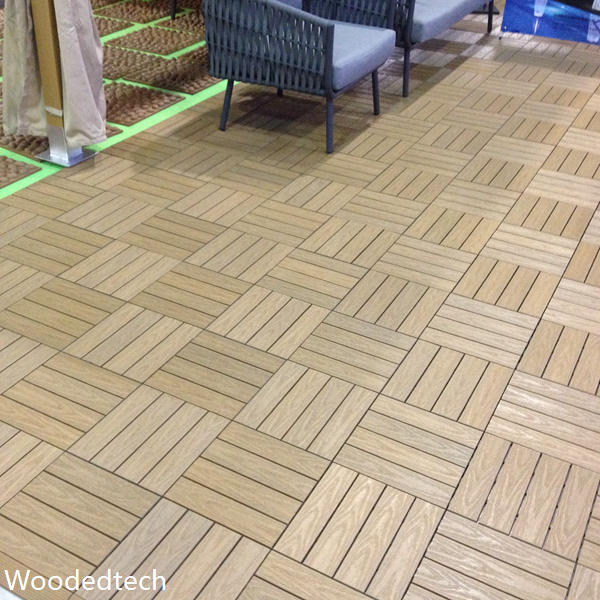
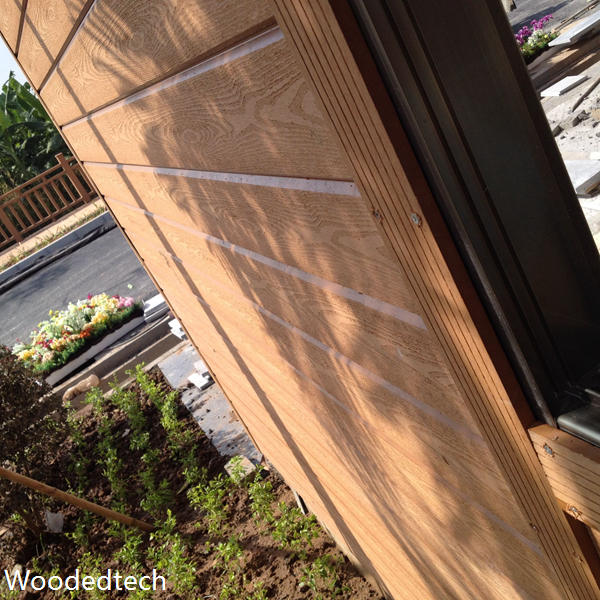
Surface texture is developed alongside colour. Brushed grain, embossed wood pattern, fine matte finish and deeper anti-slip textures create different appearances and performance characteristics. The embossing roller, brushing equipment and line speed must remain within defined settings to reproduce the approved finish. Quality inspectors check both sides of the board, particularly the edges and end cuts, because uneven texture or gloss can become obvious after installation across a large deck.
Packaging and Branding for Export Projects
Packaging is customised according to transport distance, handling method and customer sales channel. Export bundles may use protective corner guards, moisture-resistant wrapping, reinforced straps, pallet bases and separators that reduce rubbing during container movement. We calculate bundle weight and dimensions against container loading plans, then confirm that forklifts can safely handle the finished packs. Clear labels identify profile, colour, length, batch number and quantity, making warehouse receiving and installation preparation faster.
OEM branding can be applied to cartons, labels, protective film, installation guides and pallet marks. Artwork is checked for language, barcode accuracy, colour reproduction and local regulatory information before printing. Some distributors need neutral packaging for private-label sales, while others require a complete retail presentation with their own logo and product codes. Keeping packaging specifications in the same controlled file as the product drawing helps prevent a correct board from being paired with incorrect labels or mixed instructions.
Special Applications and Reliable Repeat Supply
Global customers often need solutions beyond standard garden decking. We support matching stair treads, fascia boards, privacy screens, poolside profiles, marina walkways, rooftop terraces and boards for high-temperature outdoor areas. For demanding applications, we review water exposure, ultraviolet radiation, foot traffic, drainage, fixing methods and cleaning chemicals. Prototype sections are installed or tested before mass production so the final specification reflects real site conditions rather than only laboratory assumptions.
Before dispatch, batch records connect raw material inspection, extrusion parameters, dimensional results, colour checks, surface evaluations and packaging verification. Retained samples provide a reference for future orders, while corrective action records show how any deviation was handled. This system gives international buyers a dependable supply of customised wpc wood decking, even when orders are repeated across different seasons, production runs or destination markets. Clear technical communication and disciplined factory control are what turn an OEM design into a consistent product delivered to site.