Cómo construir arco de jardín compuesto de madera proyectos de bricolaje fácilmente
Preparación de materiales para arcos de jardín compuestos de madera
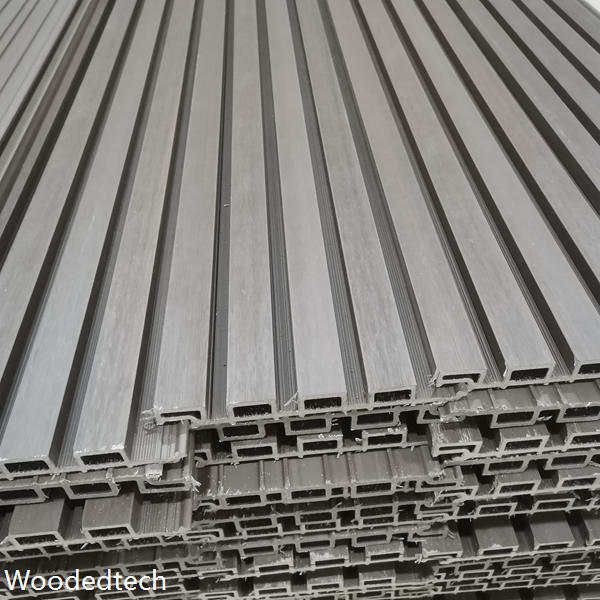
La creación de un proyecto DIY de arco de jardín compuesto de madera comienza con la selección y preparación cuidadosa de materias primas.Los ingredientes primarios en los materiales compuestos de madera-plástico (WPC) incluyen fibras de madera y termoplásticos, típicamente polietileno o polipropileno.Las fibras de madera proporcionan las propiedades estéticas y estructurales, mientras que los componentes plásticos mejoran la durabilidad y la resistencia a la humedad.Mezclar estos materiales en las proporciones adecuadas es crucial para lograr un rendimiento óptimo.La precisión en la mezcla de materiales asegura un producto consistente, que es esencial para la funcionalidad y la apariencia del arco final del jardín.
Una vez que se seleccionan los materiales, se alimentan a un mezclador de alta capacidad.Este proceso requiere un conocimiento experto para lograr el equilibrio ideal entre madera y plástico.La mezcla adecuada no solo contribuye a la resistencia del material compuesto, sino que también tiene un impacto significativo en el proceso de extrusión que sigue.La mezcla homogénea se granula entonces, produciendo granos uniformes que son esenciales para una extrusión efectiva.
Control de temperatura de extrusión
El control de la temperatura durante el proceso de extrusión es crítico.El material WPC debe calentarse a un intervalo de temperatura específico que le permita fluir a través de la extrusora sin degradarse.En general, esto implica calentar el material de forma gradual y uniforme para evitar cualquier degradación térmica de las fibras de madera.Como ingeniero de tecnología de extrusión, el seguimiento de la temperatura de cerca es una parte necesaria del proceso para asegurar que el WPC mantenga su integridad mientras se logra el caudal deseado.
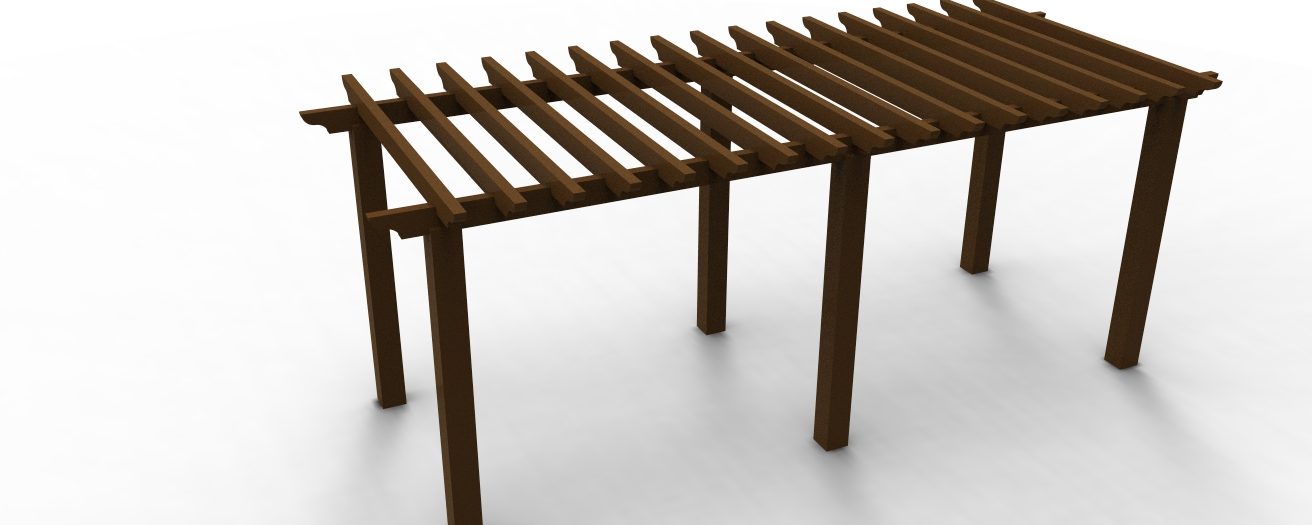
Durante la extrusión, el material fundido es forzado a través de un troquel que lo da forma en el perfil deseado de los componentes del arco de jardín.Mantener una temperatura óptima en diferentes secciones de la extrusora ayuda a aliviar los problemas asociados con las inconsistencias de flujo y permite un ciclo de producción suave.Si la temperatura es demasiado alta, puede hacer que las fibras de madera se quemen, mientras que demasiado baja puede conducir a una fusión incompleta del plástico, lo que resulta en defectos.
Diseño de moldes para una estética mejorada
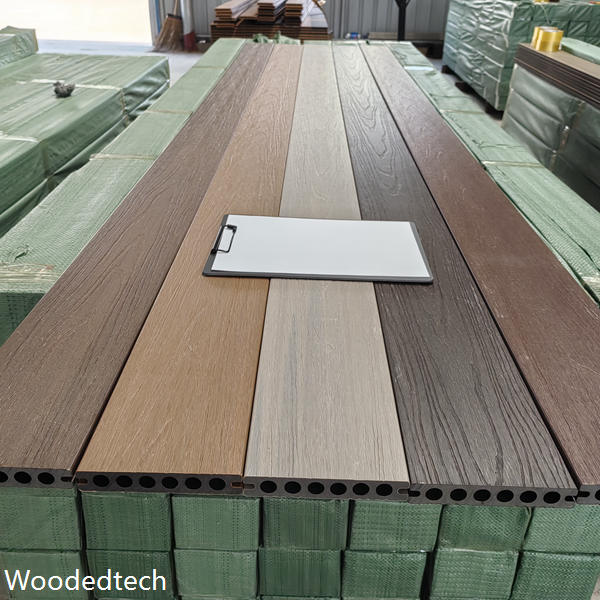
El diseño del molde utilizado durante la extrusión es otro factor clave que influye en la calidad y la apariencia del arco de jardín compuesto de madera.Un molde bien diseñado no solo da forma al perfil extruido, sino que también afecta al acabado superficial del producto final.La participación de diseñadores de moldes expertos garantiza que se logren las cualidades estéticas del arco del jardín, como acabados lisos o superficies texturizadas que imitan la madera natural.
El diseño adecuado del molde también ayuda a controlar el proceso de enfriamiento.Es esencial que los componentes se enfríen uniformemente para evitar la deformación o distorsión.Incluso una ligera imperfección en el molde puede conducir a problemas estéticos significativos, lo que puede comprometer el atractivo general del proyecto DIY.
Calibración de enfriamiento y tratamiento de superficie
Una vez extruido, el material compuesto de madera entra en la fase de enfriamiento.La calibración de enfriamiento es crítica; si el material se enfría demasiado rápido, puede provocar fracturas por estrés, mientras que un proceso de enfriamiento demasiado lento puede causar inexactitudes dimensionales.Los ingenieros deben garantizar una velocidad de enfriamiento constante, que generalmente se logra a través de un baño de agua o un sistema de enfriamiento por aire.Esta fase solidifica el material en su forma final, preparándolo para los siguientes pasos.
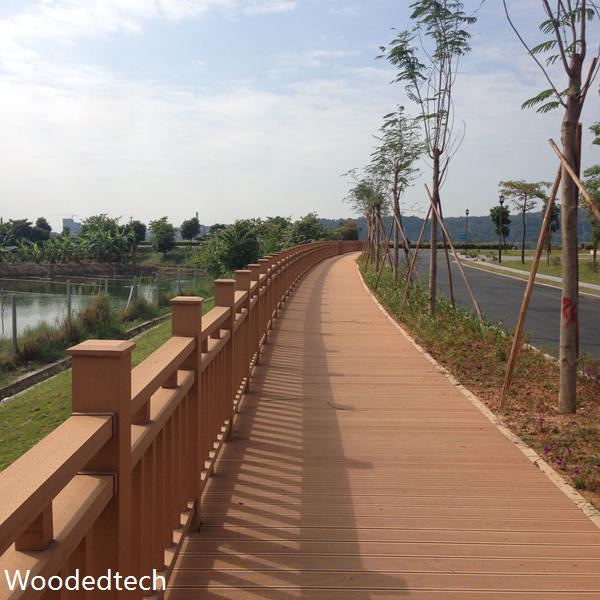
Después del enfriamiento, se aplica el tratamiento de la superficie para mejorar la durabilidad y la apariencia.Se pueden agregar varios tratamientos, como estabilizadores UV o colorantes, para mejorar la resistencia a la intemperie del arco del jardín.Esto no solo extiende la vida útil del producto, sino que también permite colores vibrantes o acabados que atraen a los entusiastas del jardín.
Problemas comunes de producción en la extrusión de WPC
<pA pesar de los avances en la tecnología, los problemas comunes de producción aún pueden surgir durante la extrusión de los materiales de WPC.Estos pueden incluir problemas como manchas superficiales, distribución inconsistente del color e imprecisiones dimensionales.La comprensión de las causas fundamentales de estos problemas es esencial para mantener altos estándares de producción.Por ejemplo, una temperatura desigual durante la mezcla puede conducir a un color inconsistente o calidad de superficie.Otro desafío es el potencial de bloqueos dentro de la extrusora causados por materiales insuficientemente mezclados, que pueden conducir a tiempo de inactividad y pérdida de productividad.La supervisión continua y las medidas de control de calidad pueden ayudar a mitigar estos problemas, asegurando que el proyecto DIY del arco de jardín compuesto de madera funcione sin problemas y con éxito de principio a fin.