WPC-Wand-Platten-Endkappen-Optionen im Vergleich zu Holz und Aluminium
Choosing the Right WPC Wall Panel End Cap
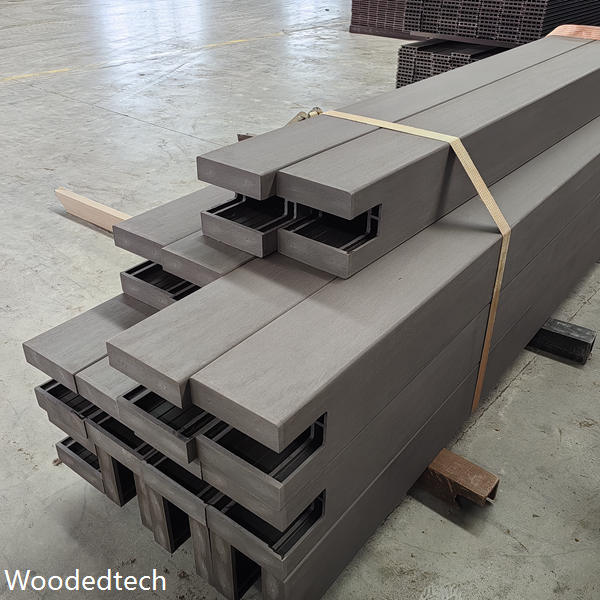
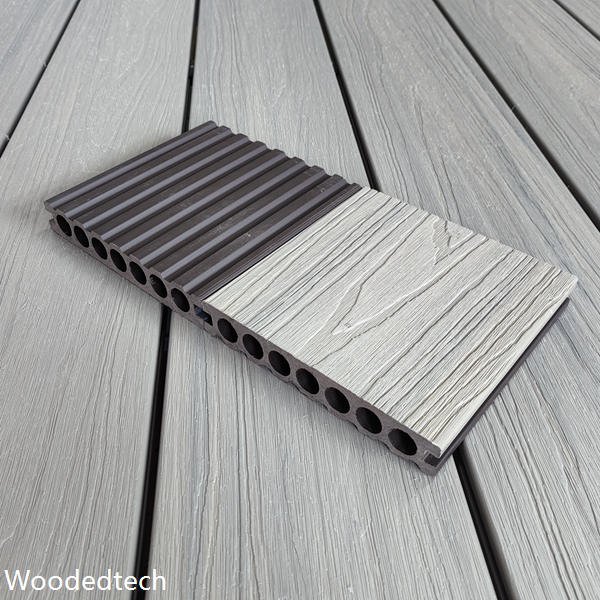
After-sales problems around exterior wall panels often begin at the edges. A correctly selected wpc wall panel end cap protects the hollow or profiled board, improves the finished appearance and reduces water, dust and insect access. The main choices are WPC, timber and aluminium, and each behaves differently in outdoor service. WPC end caps usually provide the closest colour and texture match because they are manufactured from a similar wood plastic composite formulation. They are suitable for residential facades, garden rooms and covered outdoor structures where visual continuity matters.
Timber end caps can create a traditional appearance, but they require more preparation and regular coating. Even treated timber may absorb moisture, swell, split or change colour at the joint. Aluminium offers excellent dimensional stability and a crisp contemporary line, although its metallic appearance may contrast with a wood-grain WPC surface. It can also become hot in direct sunlight and may show dents more clearly than a composite cap. Selection should therefore consider exposure, movement allowance, appearance, drainage and the serviceability of the complete wall system rather than the cap price alone.
Installation Errors That Cause Edge Failure
A frequent complaint is that the end cap becomes loose, bows away from the board or leaves an uneven gap. This usually results from fixing into the wrong location, using insufficient fasteners or forcing a cap onto a board that has not been cut square. The panel end should be trimmed with a sharp, fine-tooth blade, checked for burrs and cleaned before the cap is fitted. The installer should confirm that the cap profile matches the actual board dimensions, since nominal width and thickness can vary between manufacturers.
Use the recommended exterior adhesive or mechanical fixing method, and keep fasteners away from the board edge to prevent splitting. Do not block drainage paths at the bottom of a vertical installation. A small ventilation or drainage opening can prevent trapped water behind the cap. Aluminium profiles need compatible screws and, where required, isolation washers to reduce galvanic reaction against other metals. Timber caps should be sealed on all faces and cut ends before installation. Adhesive alone is rarely reliable on dusty, wet or highly textured surfaces.
Colour Differences and Weathering
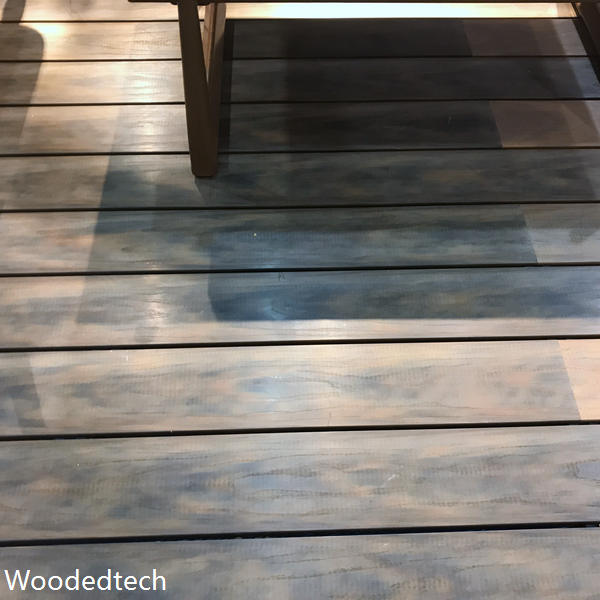
Customers sometimes report that an end cap does not match the wall panel, even though both products are described as the same colour. WPC boards can vary slightly between production batches, and the cap may have a different grain direction or surface finish. Ultraviolet exposure also changes the appearance gradually, with some colours lightening during the first months outdoors. Compare components in natural daylight before fixing them, and avoid mixing old and new batches on a prominent elevation.
Timber will normally develop a different tone from WPC unless it is repeatedly stained, while anodised or powder-coated aluminium may retain a stable colour but still contrast in gloss and texture. Keep batch records and photographs for future replacement orders. For a visible repair, fitting the replacement cap on a less prominent section and moving the existing cap to the most noticeable location can produce a more consistent elevation without replacing an entire wall.
Expansion, Contraction and Surface Damage
WPC expands and contracts with temperature changes, particularly along its length. A cap fitted tightly against a fixed corner can therefore lift, crack or push the panel out of alignment. Follow the manufacturer’s clearance requirements at corners and around adjoining trims, and use slotted fixing points where the system allows movement. Do not fill movement joints with rigid mortar or excess adhesive. Timber also moves as its moisture content changes, but its movement may include cupping, twisting and splitting. Aluminium has lower thermal expansion across its width, yet long profiles still need suitable joints and allowance for heat movement.
Surface scratches are usually caused by dragging tools, abrasive cleaning pads, loose fasteners or contact with metal scaffold components. Light marks on a capped WPC surface may become less visible after gentle cleaning, but sanding can expose a different colour layer or alter the grain. Never use a wire brush or aggressive solvent without checking the supplier’s technical guidance. Replace a badly damaged cap rather than attempting a patch that creates a more noticeable colour block.
Maintenance and After-Sales Inspection
Routine maintenance should start with a soft brush and clean water to remove dust, leaves and airborne pollution. A diluted, non-abrasive household cleaner can be used for heavier deposits, followed by thorough rinsing. Inspect the cap and adjacent panel at least twice a year, with additional checks after storms or building movement. Look for open joints, loose screws, staining, trapped water and cracks around cut ends. Early correction is normally simpler than replacing a full run of panels.
Timber requires renewed paint, stain or end-grain protection according to its exposure, while aluminium should be checked for coating damage and corrosion around fixings. WPC generally needs less treatment, but it is not maintenance-free. Record the product batch, installation date and repair materials so future service work uses compatible components. A properly sized wpc wall panel end cap, installed with movement allowance and maintained with non-abrasive cleaning, gives the most dependable finish for outdoor applications.