So wählen Sie Pergola-Verbundholz-Kunststoffproben vor der Bestellung
Auswahl von Pergola Composite Timber Plastic Samples
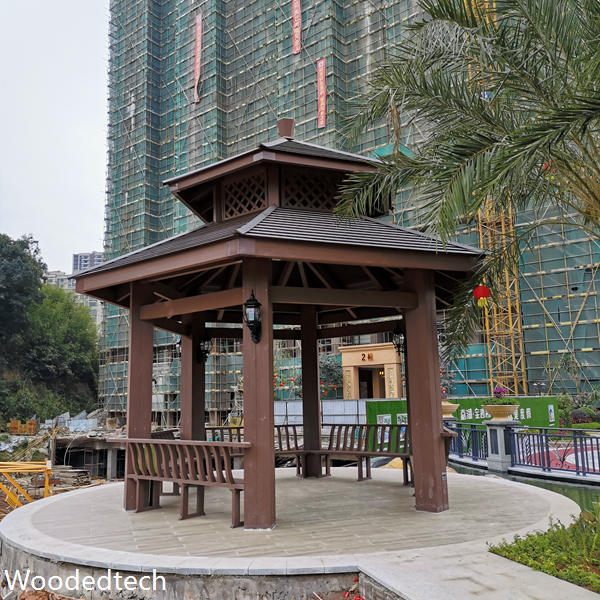
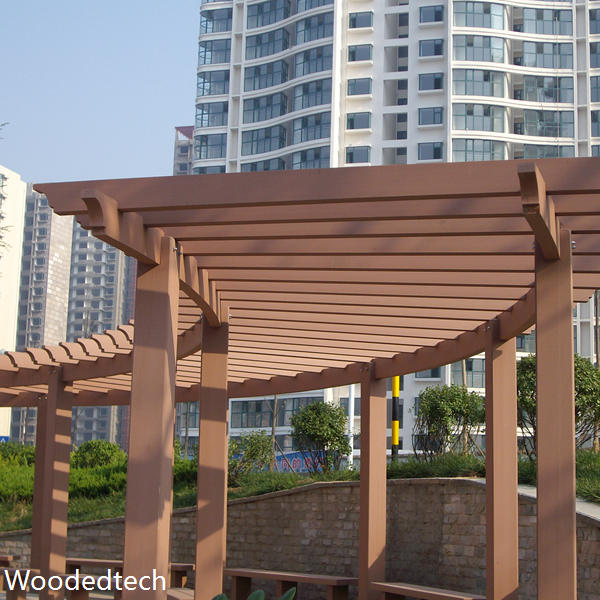
Wenn Sie sich auf die Reise der Gestaltung eines Außenbereichs begeben, kann die Auswahl der Materialien die Gesamtästhetik und Funktionalität erheblich beeinflussen.Zu den beliebtesten Optionen für Outdoor-Strukturen gehören Pergola-Verbundholz-Kunststoffproben für ihre Mischung aus Haltbarkeit und optischer Anziehungskraft.Das Verständnis der Nuancen von Farbe, Textur und Design kann den Unterschied ausmachen, eine harmonische und einladende Umgebung im Freien zu erreichen.
Moderne Designtrends in Outdoor-Strukturen
Die zeitgenössische Outdoor-Design-Landschaft neigt stark zu nachhaltigen Materialien, die beim Stil keine Kompromisse eingehen.Verbundholzkunststoff ist ein Paradebeispiel, der die Eleganz von Naturholz bietet und gleichzeitig die Langlebigkeit von synthetischen Materialien einbezieht.Diese Kombination sorgt dafür, dass Strukturen wie Pergolen ihre Schönheit erhalten, während sie den Elementen standhalten.Aktuelle Trends zeigen eine Neigung zu minimalistischen und doch auffälligen Designs, die sich nahtlos in die umgebende Natur integrieren.
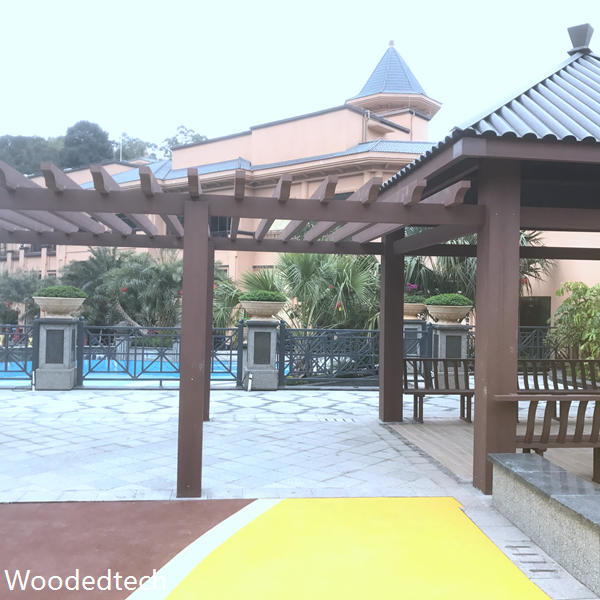
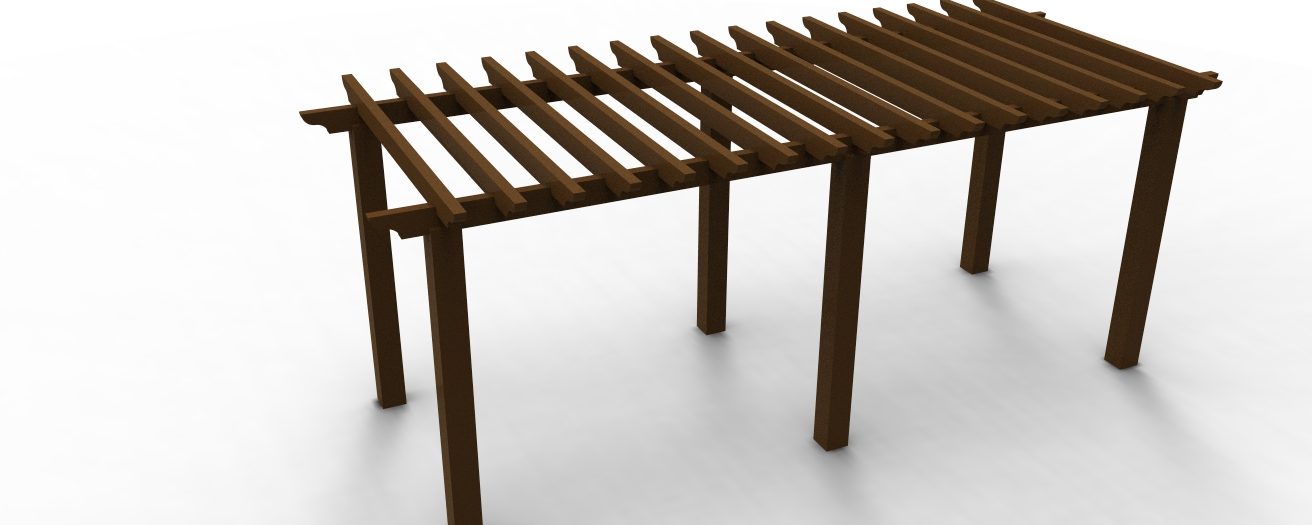
Die Integration modularer Designs ermöglicht Flexibilität und Kreativität und ermöglicht es, Strukturen an bestimmte Landschaften oder persönliche Vorlieben anzupassen.Die Vielseitigkeit von Verbundwerkstoffen bedeutet, dass die Außensicht ohne die Einschränkungen realisiert werden kann, die häufig mit traditionelles Holz verbunden sind.
Die Bedeutung der Farbauswahl
Farbe spielt eine zentrale Rolle im Outdoor-Design, beeinflusst die Stimmung und gibt den Ton für den gesamten Raum an.Wenn Sie Pergola-Verbundholz-Kunststoffproben auswählen, sollten Sie die Palette Ihrer bestehenden Landschaft berücksichtigen.Erdige Töne wie Braun und Grün können sich mit der natürlichen Umgebung vermischen und das organische Gefühl Ihres Gartens verbessern.Umgekehrt können kräftige Farben wie Tiefblau oder satte Rottöne dramatische Schwerpunkte schaffen und ein Statement gegen das Grün setzen.
Zusätzlich kann das Finish der Materialien die Wahrnehmung der Farbe beeinflussen.Matte Oberflächen neigen dazu, Licht zu absorbieren und bieten ein weicheres Aussehen, während glänzende Oberflächen Sonnenlicht reflektieren können, wodurch die Farben lebendiger erscheinen.Es ist wichtig, Proben in natürlichem Licht zu betrachten, um festzustellen, wie sie den ganzen Tag über wirklich aussehen werden.
Textur und Oberflächenfinish
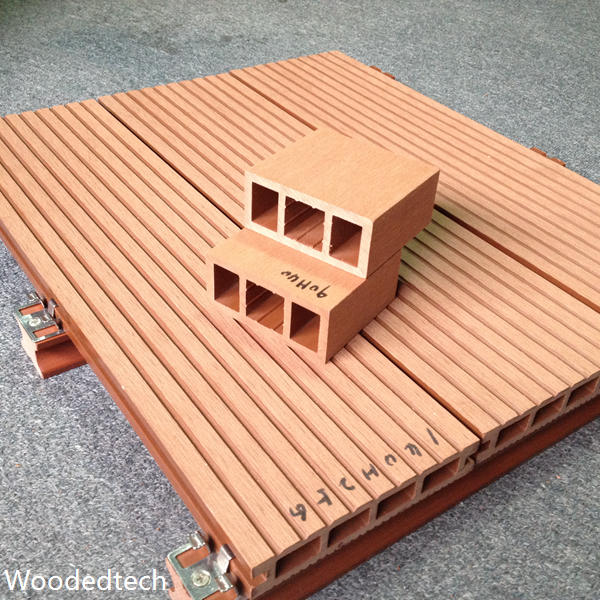
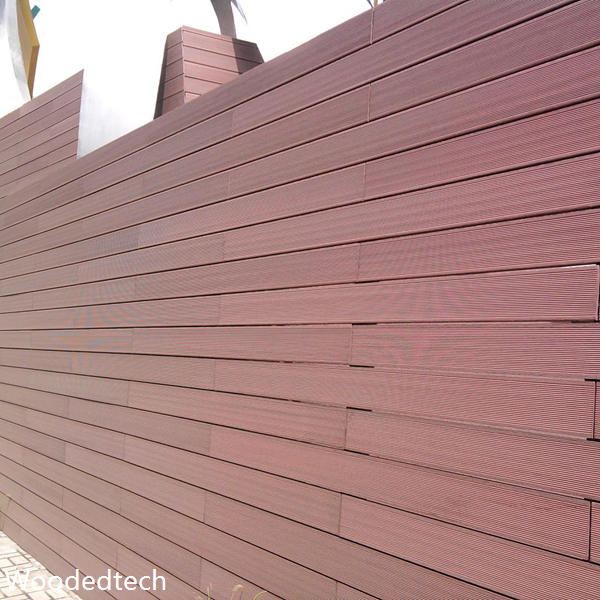
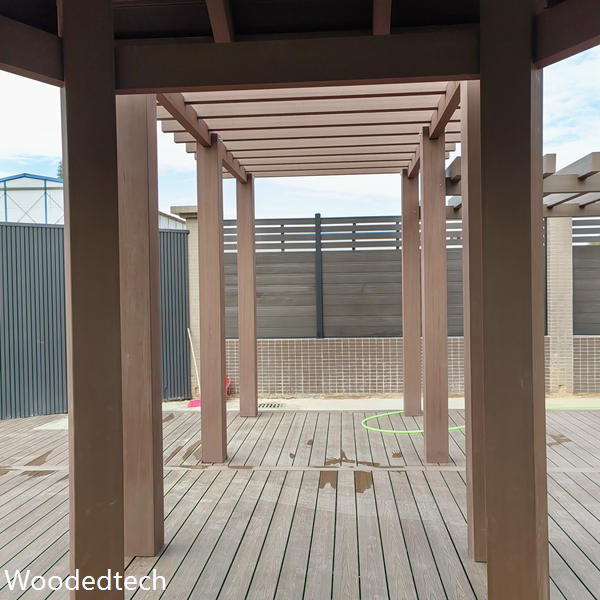
Textur ist ein weiterer kritischer Aspekt bei der Auswahl von Verbundmaterialproben.Die taktile Qualität einer Oberfläche kann nicht nur die visuelle Ästhetik, sondern auch die physische Erfahrung des Raumes beeinflussen.Glatte Oberflächen evozieren ein modernes, schlankes Aussehen und sind leicht zu reinigen, während strukturierte Oberflächen Tiefe und Charakter verleihen können.Viele Hausbesitzer entscheiden sich für Holzkorn-Oberflächen, die traditionelles Holz nachahmen und das Beste aus beiden Welten in Bezug auf Stil und Wartung bieten.
Es ist ratsam, Proben anzufordern, die verschiedene Texturen darstellen, um zu beurteilen, wie sie sich unter den Füßen fühlen und wie sie mit Licht interagieren.Strukturierte Oberflächen können auch zusätzlichen Grip bieten, was sie bei nassen Bedingungen sicherer macht, was eine wesentliche Berücksichtigung für Pergolen ist, die sich in der Nähe von Pools oder Wasserspielen befinden können.
Profile und strukturelle Integrität
Das Profil von Verbundwerkstoffen beeinflusst sowohl die ästhetische Anziehungskraft als auch die strukturelle Integrität.Unter Auswerten von Pergola-Verbundholz-Kunststoffproben untersuchen Sie die Dicke und den Formfaktor jeder Option.Dickere Profile bieten in der Regel eine höhere Festigkeit und halten den Strapazen von Wind und Regen effektiver stand als dünnere Alternativen.Dies ist besonders wichtig für größere Pergolen, die ein erhebliches Gewicht tragen müssen, wie Kletterpflanzen oder Beleuchtungskörper.
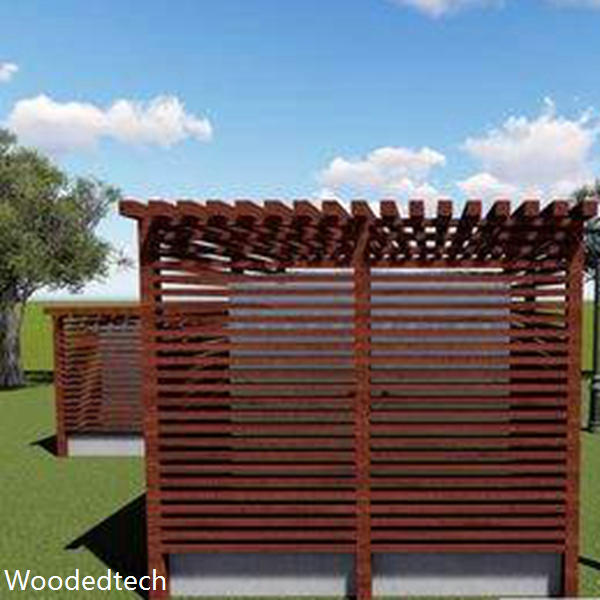
Darüber hinaus bieten viele Hersteller mittlerweile eine Vielzahl von Profilen an, die verschiedene Architekturstile ergänzen können.Ob es sich um einen zeitgenössischen flachen Balken oder einen traditionellen Bogen handelt, die Fähigkeit, die Strukturelemente anzupassen, kann die gesamte Designkohärenz verbessern und sicherstellen, dass sich die Pergola nahtlos in die breitere Landschaft einfügt.
Modulare Konstruktionen für die Individualisierung
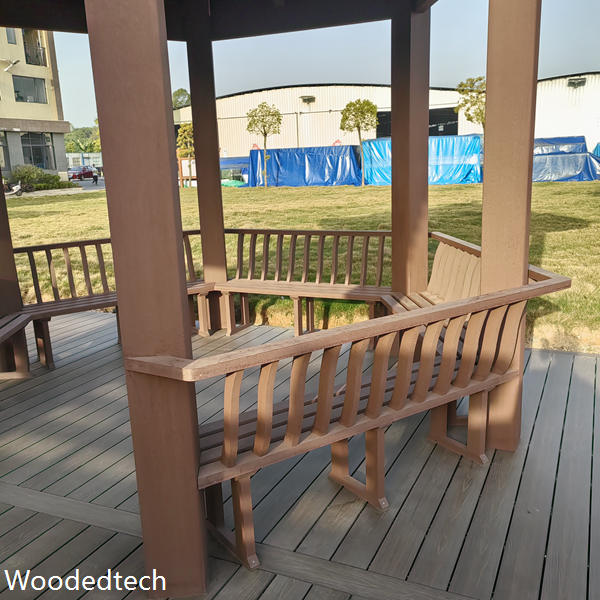
Einer der spannenden Aspekte moderner Verbundwerkstoffe ist ihre Anpassungsfähigkeit.Modulare Konstruktionen ermöglichen eine einfache Montage und Neukonfiguration, wobei die sich ändernden Anforderungen und Vorlieben erfüllt werden.Diese Flexibilität bedeutet, dass Hausbesitzer mit einem grundlegenden Pergola-Setup beginnen und im Laufe der Zeit erweitern können, wobei sie Funktionen wie integrierte Beleuchtung, Bänke oder Kletterpflanzen hinzufügen.
Überlegen Sie bei der Auswahl von Mustern, wie diese modularen Komponenten zusammenarbeiten, um ein zusammenhängendes Design zu erstellen.Suchen Sie nach Systemen, die eine einfache Integration zusätzlicher Elemente ermöglichen, ohne die ästhetische oder strukturelle Integrität zu beeinträchtigen.Verschiedene Proben können einzigartige Befestigungssysteme oder Steckverbinder bieten, die die Montagefreundlichkeit bei gleichzeitiger Beibehaltung eines polierten Aussehens verbessern.
Die letzten Berührungen: Zubehör hinzufügen
Sobald die primäre Struktur vorhanden ist, kann die Verbesserung mit Zubehör das Design auf die nächste Ebene heben.Betrachten Sie die Integration der Beleuchtung, die nicht nur Ambiente schafft, sondern auch die architektonischen Merkmale der Pergola hervorhebt.Darüber hinaus können weiche Möbel wie Outdoor-Kissen oder Vorhänge Farbe und Komfort einführen, was den Raum einladender macht.
Darüber hinaus kann das Pflanzen von Kletterpflanzen oder Weinreben um die Pergola herum ein üppiges, natürliches Gefühl schaffen, Schatten spenden und die Gesamtästhetik verbessern.Wenn Sie verstehen, wie Ihre Wahl der Pergola-Verbundholz-Kunststoffproben mit diesen Elementen interagieren, können Sie Ihre Auswahl leiten und sicherstellen, dass Ihr Außenbereich so funktional wie schön ist.