Wie verbessert der Belüftungsschirm von Gitterholz-Kunststoff den Luftstrom im Freien
Dimensional Accuracy of Lattice Wood Plastic Ventilation Screens
For any outdoor WPC product, particularly lattice wood plastic ventilation screens, ensuring precise dimensional accuracy is fundamental to performance and aesthetics. Each piece is measured meticulously against industry standards to confirm that it meets the specified tolerances. This process usually involves the use of advanced measuring tools, such as digital callipers and laser measuring devices, which provide precise readings. Variations in size can lead to difficulties in installation and affect the overall effectiveness of airflow management, thus thorough checks are conducted prior to shipment to ensure all dimensions align with the design specifications.
In practice, the dimensional checks include length, width, and thickness measurements. Any deviations beyond acceptable limits warrant further investigation or re-manufacturing, ensuring that customers receive only products that conform to quality expectations.
Density and Impact Resistance Testing
The density of WPC materials is a crucial factor influencing durability and performance. The lattice wood plastic ventilation screen must exhibit a density that balances both durability and weight. To assess this, samples are taken and weighed before their volume is measured, allowing for density calculations. The resulting figures must align with the specifications set out in the product development phase.

Impact resistance testing is another integral aspect of quality control. This test assesses the ability of the screens to withstand sudden forces or impacts. By using standardized drop tests, we can evaluate how the product performs under stress. Poor impact resistance can lead to cracks or breaks, which may not only affect the product’s lifespan but could also compromise functionality. Thus, each batch undergoes rigorous testing to ensure that it can endure everyday usage without significant degradation.
Water Absorption and Color Stability Analysis
The performance of a lattice wood plastic ventilation screen in outdoor settings greatly relies on its ability to resist water absorption. During testing, samples are submerged in water for a predetermined duration, after which they are weighed again to determine the percentage of water absorbed. Excessive water absorption can lead to swelling and warping, ultimately compromising the integrity of the product. The acceptable water absorption rates are established based on the intended use of the product, ensuring it remains functional in various weather conditions.
Color stability is equally essential, especially for products exposed to sunlight. This is tested using accelerated weathering machines that simulate prolonged UV exposure. The samples are regularly monitored for any colour changes. Stabilizers and pigments are incorporated during the manufacturing process to enhance resistance against fading, and only those products that maintain their colour integrity through extensive testing are cleared for shipment.
Bending Strength Measurements
Bending strength is a critical characteristic that dictates how well a lattice wood plastic ventilation screen can handle loads without deforming. Testing involves applying a set load to a beam of the material until it bends or breaks. The force applied is recorded to calculate the bending strength. This metric is particularly important for outdoor structures, as they must withstand environmental stresses, such as wind and snow.
Comprehensive Appearance Inspection
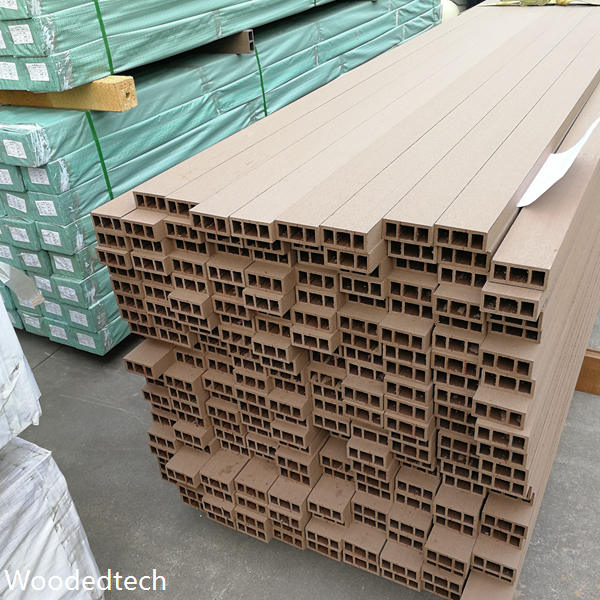
The final stage of quality inspection for lattice wood plastic ventilation screens involves a comprehensive appearance inspection. This inspection assesses factors such as surface finish, colour consistency, and the absence of defects like scratches or discolorations. Aesthetic quality can be as important as functional qualities, particularly for products intended for consumer-facing applications.
Inspectors utilize both visual and tactile methods to ensure that each screen is free from blemishes. Any products that do not meet the aesthetic criteria are marked for rework or rejection. This commitment to visual quality assures clients that they receive only the finest products, enhancing brand reputation and customer satisfaction.