Composite Decking for Ramps: Buyer-Focused SEO Content That Builds Trust
Why Composite Decking for Ramps Requires Careful Selection
As the owner of a WPC manufacturing company in Guangdong, China, I have spent more than ten years helping contractors, architects, distributors and product brands select decking for demanding outdoor projects. Ramps deserve more careful specification than ordinary flat terraces because they combine pedestrian traffic, concentrated loads, rainwater exposure and strict expectations for traction. Composite decking for ramps must therefore be assessed as a complete system, including board profile, subframe spacing, fixing method, surface texture and drainage.
Many buyers first compare colour and price, but those factors do not determine long-term performance. A ramp may serve a private garden, hotel entrance, public walkway, commercial premises or accessible route. Each application has a different traffic level and maintenance requirement. Our technical team reviews the intended gradient, width, support structure, local climate and expected use before recommending a WPC profile. This factory-to-customer process helps prevent unsuitable products from being selected simply because they look attractive in a sample.
Board Structure, Load Capacity and Surface Safety
Most quality WPC decking is manufactured from a controlled blend of wood fibre, polymer and functional additives. The formula must provide a balance between stiffness, weather resistance and dimensional stability. Too much wood fibre can increase moisture sensitivity, while excessive polymer may affect surface feel, colour retention or cost. At our Guangdong plant, raw materials are checked before production, and each formula is adjusted according to the intended profile and market conditions.
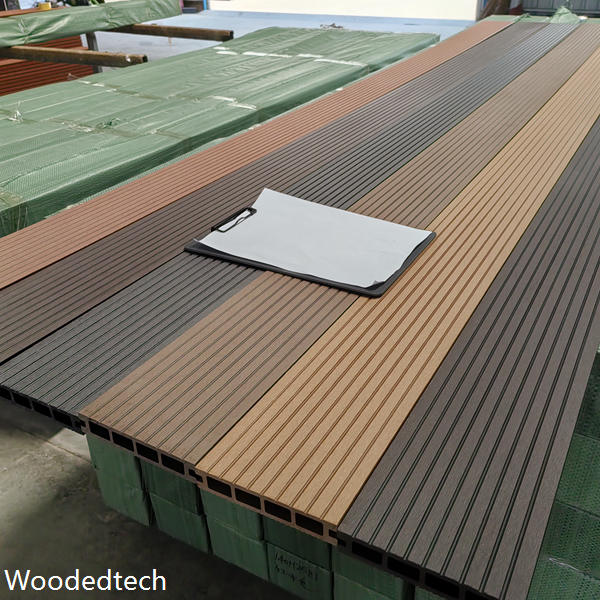
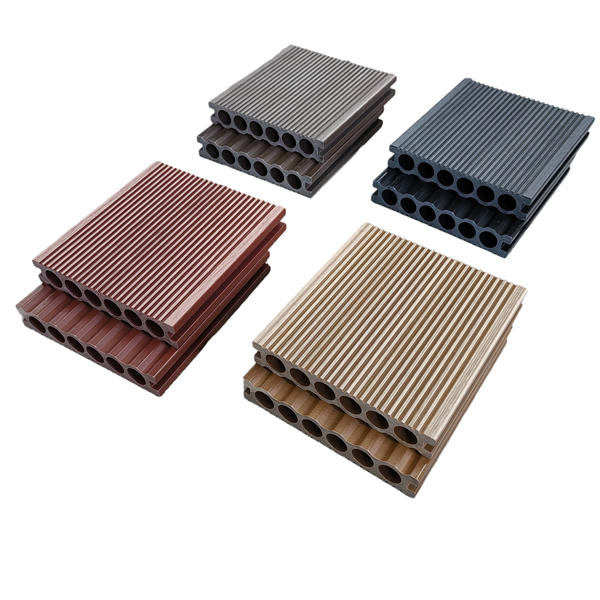
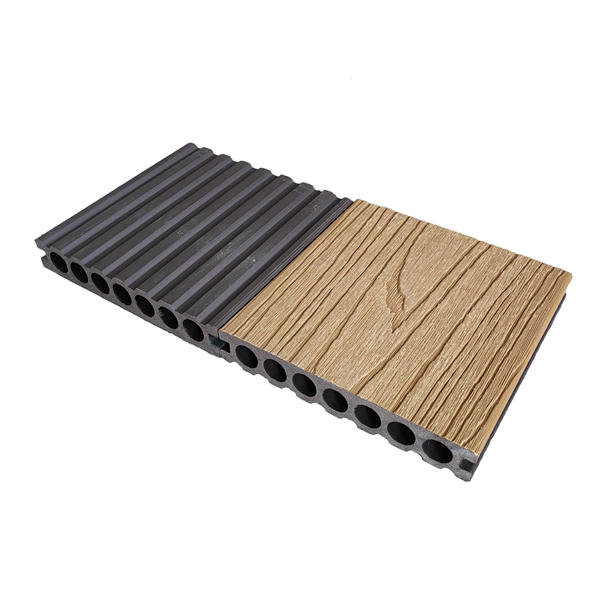
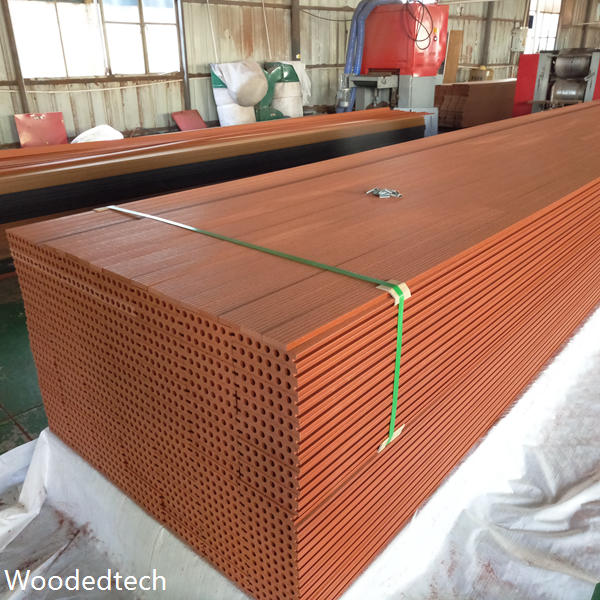
For composite decking for ramps, board thickness and internal structure require particular attention. A solid or reinforced profile can offer improved resistance to impact and concentrated loading, while a hollow profile can reduce weight and material consumption when supported correctly. Support spacing must follow the board specification rather than a general assumption. We check extrusion dimensions, wall thickness, surface consistency and locking accuracy during production. A textured finish may improve grip in wet conditions, but its pattern should remain comfortable for walking and suitable for cleaning.
Production Control at a Guangdong WPC Factory
Reliable ramp decking begins with repeatable manufacturing. Our production workflow includes material batching, high-temperature mixing, extrusion, mould calibration, cooling, surface treatment, cutting and final inspection. Every stage affects the finished board. If calibration is unstable, boards may vary in width and create installation gaps. If cooling is uneven, internal stress can lead to movement after installation. If surface treatment is poorly controlled, the appearance may change between production batches.
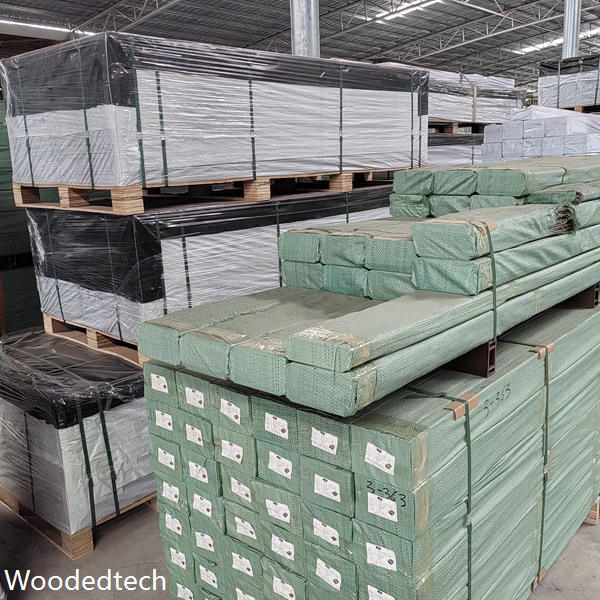
Our quality philosophy is based on prevention rather than relying only on final inspection. We monitor colour, dimensions, weight, moisture behaviour and surface defects throughout the run. Samples are retained for reference, and export orders are checked against approved specifications before packing. Depending on the project, we can provide technical data, installation guidance, test arrangements and pre-shipment inspection support. This level of documentation is especially useful for importers and OEM customers who need consistent products across repeated orders.
Installation Details That Protect Ramp Performance
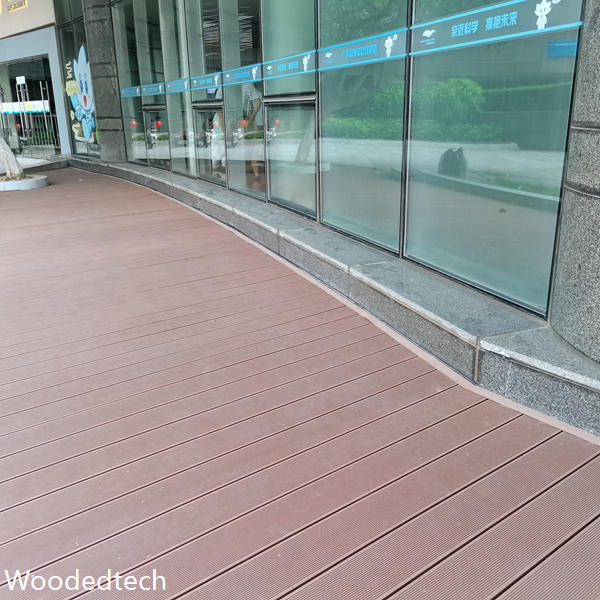
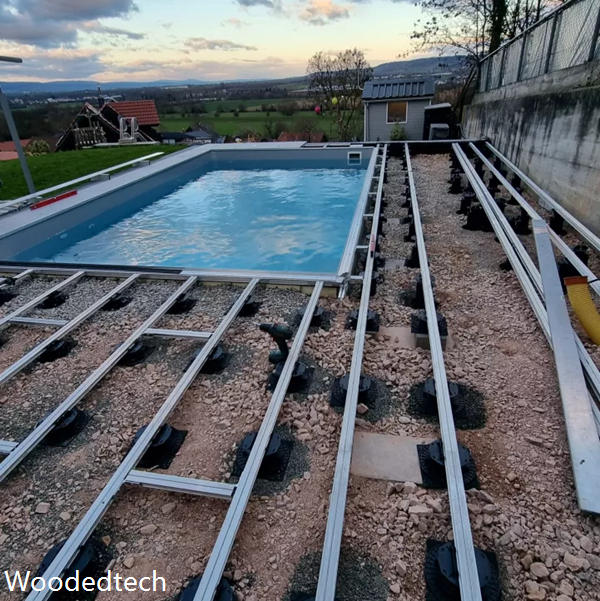
Even a well-made board can fail if the supporting structure is poorly prepared. A ramp should have a stable, accurately aligned subframe with sufficient support beneath every board. The frame needs appropriate drainage, because standing water increases staining, dirt accumulation and long-term moisture exposure. Stainless steel or approved corrosion-resistant fixings are normally preferred for outdoor use, particularly in coastal regions or areas with frequent rainfall.
Installers should allow for thermal movement according to the product specification and avoid over-tightening clips or screws. Board ends need proper support, and transition areas should be designed to prevent trip hazards. On accessible ramps, the finished surface must also be checked for excessive gaps, raised edges and changes in level. Our application engineers regularly communicate with installation teams during projects, helping them adapt details to local building practice without compromising the board system.
Buying Support for Importers and Project Customers
International buyers need more than a catalogue image and a quotation. A dependable manufacturer should explain minimum order quantities, lead times, colour options, packaging strength, container loading and replacement procedures before the order is confirmed. We support distributors, landscape contractors, building material importers and OEM brands with product development from the first drawing through sample approval and mass production.
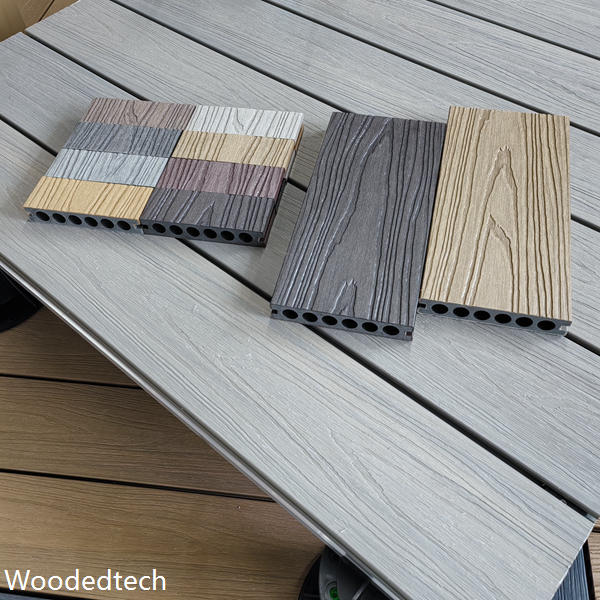
Customisation may include board dimensions, surface embossing, colour matching, private packaging, labelling and accessory selection. We also consider the destination market because UV exposure, temperature variation, humidity and installation habits differ between countries. Our export team prepares clear commercial documents and coordinates production updates, while our after-sales engineers investigate quality concerns using batch records, photographs and installation information. That cooperation gives buyers a practical route to resolve issues and protect their own customer relationships.
Choosing a Supplier for Long-Term Outdoor Projects
The right supplier for composite decking for ramps should combine formula knowledge, extrusion experience and disciplined customer service. Ask for clear product dimensions, support recommendations, test information and evidence of batch control. It is also sensible to review how the factory handles colour consistency, packaging damage, technical questions and warranty cases. A lower initial price has limited value if boards arrive damaged, vary between batches or require unexpected installation changes.
After more than a decade in WPC manufacturing, we regard each ramp project as a technical cooperation rather than a simple product sale. Our responsibility is to deliver boards that suit the application, communicate their limits honestly and support the customer through production, shipment and installation. That approach helps composite decking for ramps perform reliably in real outdoor conditions while giving buyers confidence in the factory behind the specification.