ما هي تكلفة تركيب العرشقة الخشبية البوليمر المركبة للمشاريع السكنية
عملية بثق WPC
يعتمد تصنيع عروش الخشب البوليمرية المركبة على عملية بثق WPC متطورة (الخشب البلاستيك المركب).تجمع طريقة التصنيع هذه بين ألياف الخشب واللدائن الحرارية ، مما يؤدي إلى مادة متينة للغاية وممتعة من الناحية الجمالية.الخطوة الأولى في هذه العملية هي خلط المواد ، حيث يتم تناسب دقيق الخشب واللدائن الحرارية ومزجها لتحقيق الخصائص المطلوبة.إن تحقيق النسبة المثالية لا يؤثر فقط على المظهر النهائي للعربة ولكن أيضًا يؤثر بشكل كبير على قوته ومقاومة الطقس والمتانة العامة.
بعد الخلط ، تخضع المادة للتكوير.هذه المرحلة الحاسمة تحول المواد المختلطة إلى كريات ، مما يسهل التعامل بسهولة والتغذية الأكثر اتساقًا في آلة البثق.حجم الكريات ضروري ؛ إذا كانت كبيرة جدًا ، فقد لا تذوب بشكل موحد ، في حين أن الكريات الصغيرة بشكل مفرط يمكن أن تؤدي إلى الغبار والنفايات المفرطة.يعد ضمان حجم الحبيبات الأمثل أمرًا حيويًا لتحقيق النهاية المطلوبة في المنتج النهائي.
التحكم في درجة الحرارة أثناء الثق
يعد التحكم في درجة الحرارة أثناء عملية البثق عاملاً حاسمًا آخر.يجب أن يحافظ الطارد على درجات حرارة محددة لضمان الذوبان الموحد لمواد WPC.تختلف إعدادات درجة الحرارة اعتمادًا على التركيبة ولكنها تتراوح عمومًا من 180 إلى 220 درجة مئوية.إذا كانت درجة الحرارة منخفضة جدا، فإن المواد لا تتدفق بشكل صحيح ويمكن أن يؤدي إلى انسداد.على العكس من ذلك ، يمكن للحرارة المفرطة أن تحط من المواد ، مما يؤدي إلى فقدان الجودة والسلامة الهيكلية.
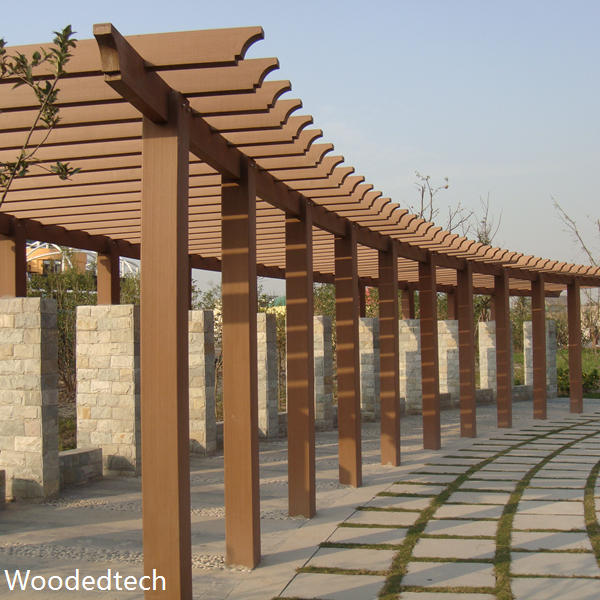
هذه الإدارة الدقيقة للحرارة لا تضمن فقط معالجة المواد بشكل مناسب ولكن تلعب أيضًا دورًا مهمًا في لون سطح العريفة.يمكن أن تؤثر الاختلافات في درجة الحرارة على اللون النهائي ، مما يخلق تناقضات قد تنتقص من الجاذبية الجمالية للمنتج.لذلك ، يحتاج المهندسون إلى مراقبة وضبط درجة الحرارة بدقة طوال عملية البثق.
تصميم العفن لمكونات العين
بمجرد أن يتم بثق المواد بشكل كاف ، يتم تشكيلها باستخدام قوالب متخصصة مصممة لمكونات العريمة.تصميم القالب هو جزء لا يتجزأ من تحقيق الملامح والأبعاد المطلوبة من العرش.على سبيل المثال ، يضمن القالب المصمم جيدًا أن العناصر الهيكلية تتناسب معًا بسلاسة ، مما يوفر قوة ونهاية جذابة.
<pدقة تصميم القالب لها أيضًا آثار كبيرة على عملية التثبيت.إذا كانت المكونات لا تتناسب بشكل صحيح بسبب عدم دقة التصنيع ، فقد يؤثر ذلك على تكلفة التركيب والوقت الإجمالي.لذلك يجب على المهندسين استثمار جهد كبير في تصميم القوالب التي لا تخلق مكونات عالية الجودة فحسب ، بل تسهل أيضًا التجميع الفعال في موقع العمل.تقنيات التبريد والمعاشة
المرحلة التالية تتضمن التبريد والمعايرة.بعد عملية البثق ، يجب تبريد المادة الساخنة بشكل فعال لترسيخ الشكل المطلوب والاحتفاظ به.غالبًا ما يتم تحقيق ذلك باستخدام حمامات التبريد أو أنظمة تبريد الهواء ، والتي تحتاج إلى معايرتها بدقة لتجنب تشوه أو انكماش المنتج النهائي.
المعايرة أمر بالغ الأهمية لأنها تحدد الأبعاد النهائية لمكونات العريش.يمكن أن تؤدي معدلات التبريد غير الصحيحة إلى عيوب ، مما يؤثر على ملاءمة العريمة وتشطيبها.يجب على المهندسين التأكد من أن عملية التبريد موزعة بالتساوي عبر جميع المكونات للحفاظ على التوحيد في الحجم والشكل ، وهو أمر ضروري للتثبيت السريع والدقيق.
المعالجة السطحية للجاذبية الجمالية
بعد التبريد ، يتم تطبيق المعالجة السطحية لتعزيز الصفات الجمالية للعرشة مع زيادة مقاومتها للعناصر الخارجية.لا تعمل العلاجات المختلفة مثل الطلاء أو عمليات التركيب على تحسين الجاذبية البصرية فحسب ، بل تعزز أيضًا المتانة ضد الأشعة فوق البنفسجية والرطوبة ، والتي تعتبر حاسمة بشكل خاص للتطبيقات الخارجية.
يمكن أن يؤثر اختيار المعالجة السطحية على تكلفة تركيب عرشة الخشب البوليمر المركبة بشكل كبير.قد تتطلب التشطيبات عالية الجودة عمليات تطبيق أكثر صرامة وقد تضيف إلى تكلفة المواد.ومع ذلك ، فإن الاستثمار في العلاجات السطحية الفائقة يمكن أن يؤدي إلى منتج يتطلب صيانة أقل بمرور الوقت ، وبالتالي تقليل التكاليف طويلة الأجل لأصحاب المنازل.
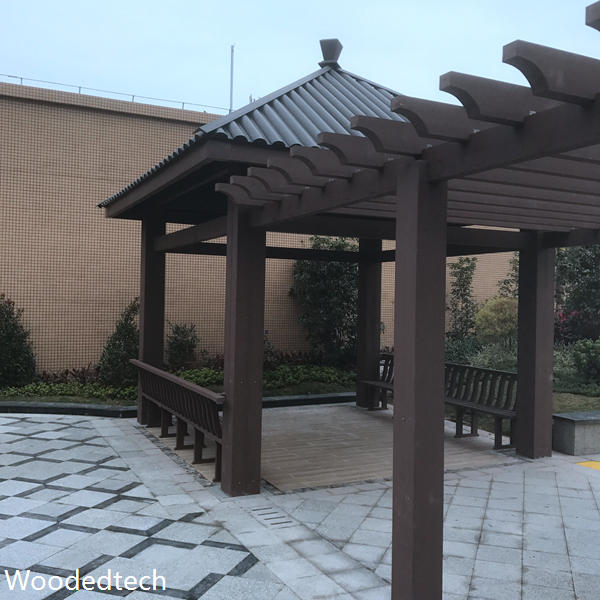
تحديات وحلول الإنتاج المشتركة
<pDesite التقدم في تكنولوجيا WPC ، لا تزال هناك تحديات إنتاج شائعة يواجهها المصنعون.يمكن أن تؤدي مشكلات مثل التناقضات المادية وأعطال المعدات وعدم كفاءة العمليات إلى زيادة النفايات وارتفاع تكاليف التركيب.على سبيل المثال ، إذا لم يكن خليط المواد الأولية متجانسًا بشكل كافٍ ، فقد يؤدي ذلك إلى نقاط ضعف في المنتج النهائي.وللتخفيف من هذه المشاكل، فإن تدابير الرصد المستمر ومراقبة الجودة ضرورية طوال دورة الإنتاج.يساعد تنفيذ بروتوكولات قوية لضمان الجودة على التقاط العيوب في وقت مبكر، مما يضمن أن المكونات عالية الجودة فقط تصل إلى مرحلة التثبيت.وعلاوة على ذلك، فإن الاستثمار في تدريب الفنيين والمهندسين يمكن أن يعزز مهارات استكشاف الأخطاء وإصلاحها، مما يؤدي إلى إنتاج أكثر كفاءة ونتائج أفضل في نهاية المطاف لمنشآت العريش الخشبية المركبة من البوليمر.