نصائح لتثبيت تلس مركب من البلاستيك في الحدائق الصغيرة
مزايا WPC في الحدائق الصغيرة
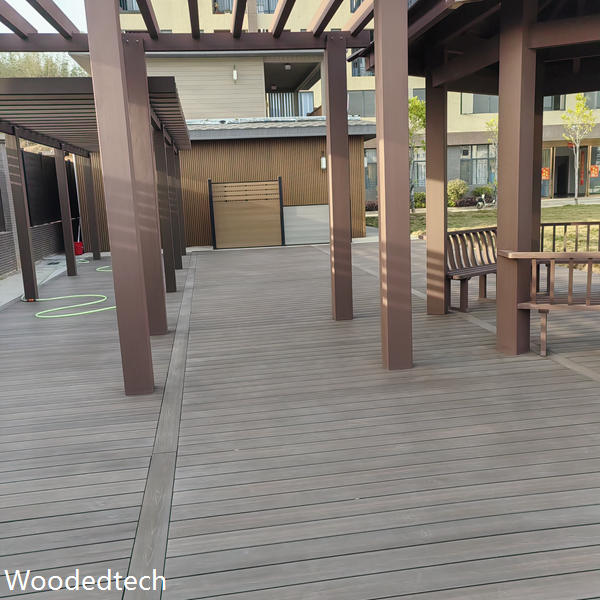
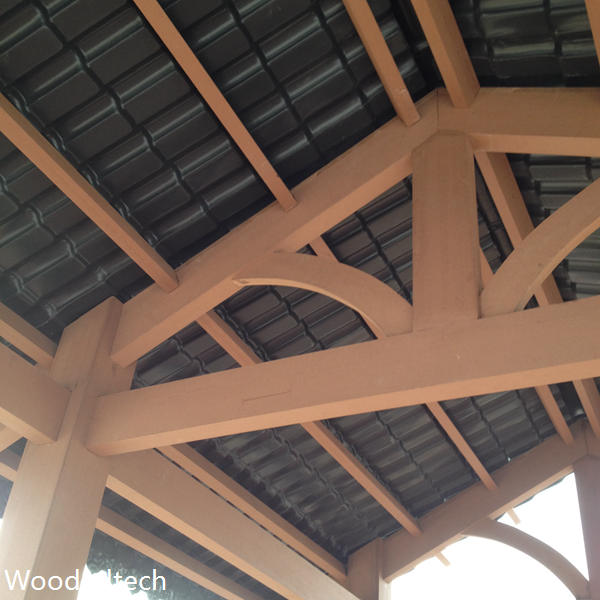
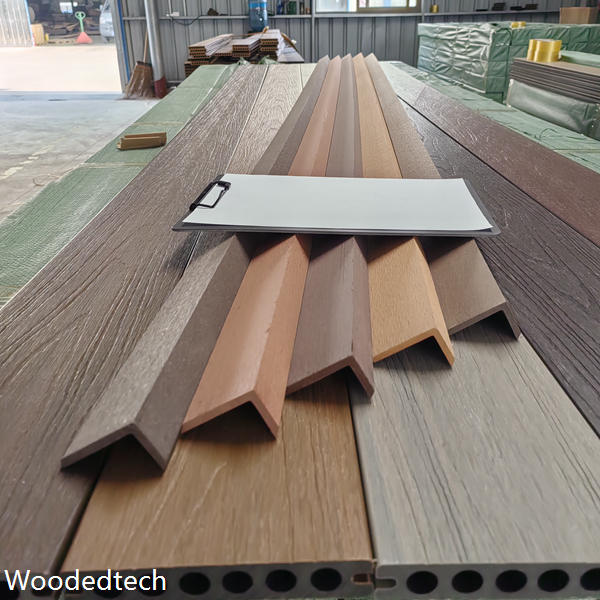
تعمل المواد البلاستيكية المركبة ، وخاصة الخشب البلاستيكي (WPC) ، على تحويل النهج إلى الهياكل الخارجية في الحدائق الصغيرة.بالمقارنة مع الأخشاب التقليدية ، تقدم WPC متانة دائمة ومقاومة رائعة للطقس ، مما يجعلها خيارًا استثنائيًا لتثبيت تعريشة مركبة بلاستيكية في الحدائق الصغيرة.مع القدرة على تحمل العناصر دون تشوه أو انشقاق ، يمكن لهياكل WPC الحفاظ على جاذبيتها الجمالية ونزاهتها الهيكلية عامًا بعد عام.
غالبًا ما تواجه الحدائق الصغيرة تحديات فريدة من نوعها ، مثل المساحة المحدودة والتعرض لمختلف الظروف الجوية.يوفر WPC حلاً موثوقًا به ، لأنه لا يستلزم نفس مستوى الصيانة مثل الأخشاب.في حين أن الخشب يمكن أن يكون عرضة للتعفن ، وتلف الحشرات ، ويتلاشى من التعرض للأشعة فوق البنفسجية ، فإن المزيج الهندسي من البلاستيك والألياف الخشبية في WPC يضمن طول العمر والمرونة.يمكن لأصحاب المنازل الاستمتاع بمساحاتهم الخارجية دون القلق المستمر من الصيانة.
التحضير للتركيب
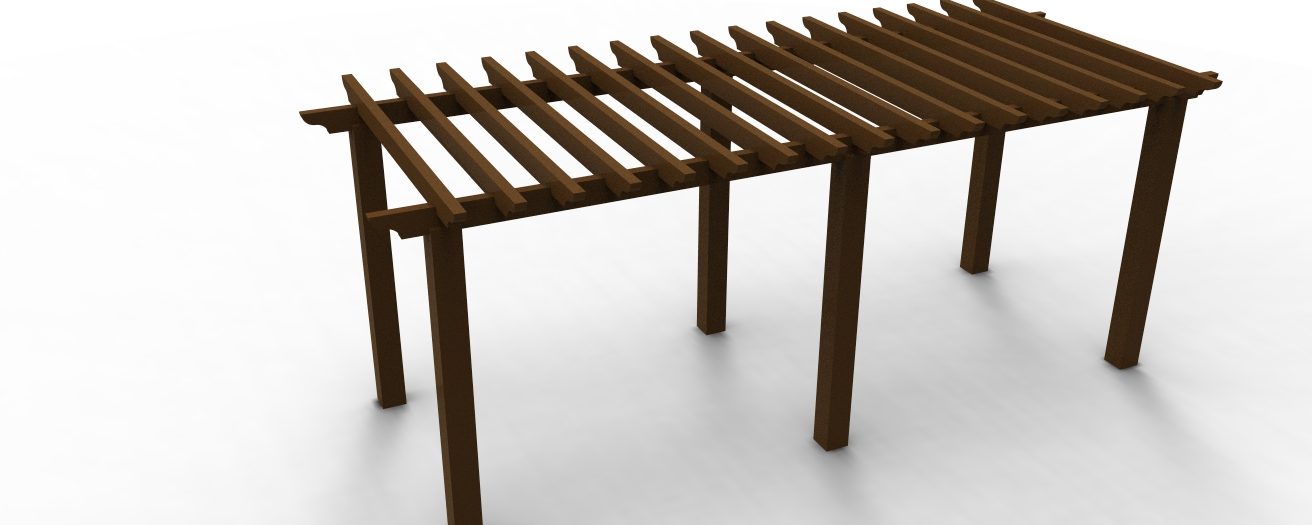
قبل الشروع في مشروع تركيب تعريشة بلاستيكية مركبة في حدائق صغيرة ، يعد التخطيط الدقيق أمرًا بالغ الأهمية.ابدأ بتقييم المساحة المتاحة ، مع مراعاة عوامل مثل أشعة الشمس ، ورغبات نمو النبات ، والتصميم العام للحديقة.يمكن أن تكون تعريشة مدروسة جيدًا بمثابة ميزة مركزية تعزز جمال الحديقة دون أن تتغلب عليها.
قياس المنطقة بدقة سوف تسمح لك لتحديد الحجم المناسب وأسلوب تعريشة.مع WPC ، الخيارات الجمالية واسعة ، تتراوح من التصاميم الحديثة الأنيقة إلى المظهر التقليدي.هذه المرونة تعني أن التعريض يمكن أن يكمل عناصر الحديقة الموجودة ، مثل السياج أو التزيين ، مما يخلق مساحة خارجية متماسكة.
الأدوات والمواد اللازمة
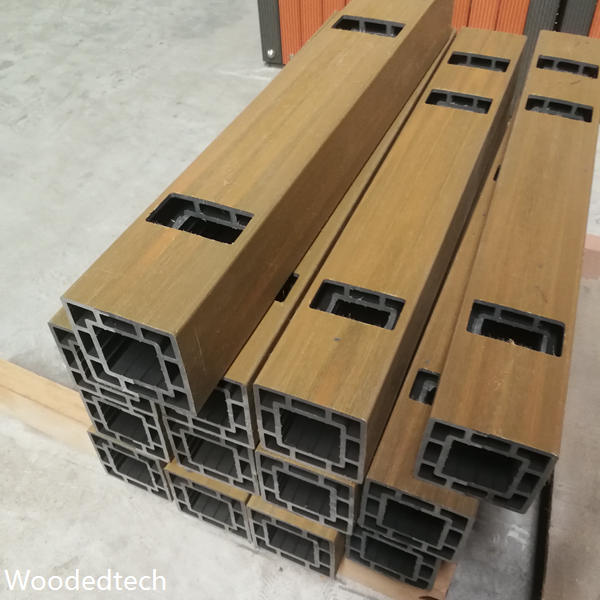
عند تركيب تعريشة بلاستيكية مركبة ، يمكن أن يؤثر وجود الأدوات والمواد المناسبة بشكل كبير على كفاءة المشروع ونتائجه.ستكون الأدوات الأساسية مثل الحفر والمستوى وشريط القياس ضرورية.يُنصح أيضًا بوجود موصلات وسحابات مصممة خصيصًا لـ WPC ، حيث ستضمن هذه تركيبًا آمنًا وطويل الأمد.
بالإضافة إلى ذلك ، فكر في استخدام إطار دعم إذا كانت تعريضة العتبات طويلة بشكل خاص أو إذا كانت ستدعم نباتات التسلق الثقيلة.الطبيعة خفيفة الوزن من WPC يجعل من الأسهل التعامل معها من الأخشاب، ولكن الدعم المناسب يمكن أن يعزز الاستقرار، وخاصة في الظروف العاصفة أو عند تحمل وزن أوراق الشجر.
عملية التثبيت
يبدأ تركيب تعريشة مركبة بلاستيكية في الحدائق الصغيرة بوضع القاعدة.ضع علامة على الموقع المطلوب من تعريشة وحفر ثقوب للوظائف.تأكد من أن هذه الثقوب عميقة بما يكفي لاستيعاب ارتفاع تعريشة.بعد إدخال الوظائف ، املأ الثقوب بتربة خرسانية أو مدمجة لتوفير الاستقرار.
وبمجرد أن تصبح الوظائف آمنة، أرفق أفرقة المعراقب بالإطار، مع ضمان أن تكون من المستوى.عادة ما يكون قطع WPC وتشكيله أسهل من الأخشاب الطبيعية ، مما يسمح بمزيد من المرونة في تعديلات التصميم أثناء عملية التثبيت.أثناء عملك ، تذكر التحقق من المستوى ، لأن هذا سيساهم في الجماليات العامة للمنتج النهائي.
الصيانة وطول العمر
واحدة من السمات الواقعة لـ WPC هي الحد الأدنى من متطلبات الصيانة.على عكس الأخشاب ، التي قد تحتاج إلى تلطيخ دوري أو ختم لمنع الاضمحلال ، يمكن ببساطة غسل WPC بالماء والصابون للحفاظ على مظهره طازجًا.هذه السهولة في الصيانة تجعلها خيارًا جذابًا لأصحاب المنازل المزدحمين الذين يرغبون في الاستمتاع بمساحتهم الخارجية دون متاعب الصيانة المستمرة.
بالإضافة إلى ذلك ، فإن مقاومة WPC للرطوبة والحشرات تعني أن تعريض العتبات سيستمر في الأداء بشكل جيد بمرور الوقت ، حتى في الحدائق الصغيرة حيث يمكن أن تتقلب الظروف.هذه المتانة لا تضمن فقط أن الاستثمار في تعريفة مركبة تؤتي ثمارها ولكن أيضًا يسمح لعشاق الحديقة بالتركيز على زراعة النباتات والاستمتاع بمساحاتها الخارجية.