بوليمر الخشب المركب تريلاج مقابل طول العمر المعدني للمشاريع في الهواء الطلق
فهم البوليمر الخشب المركب والمعادن
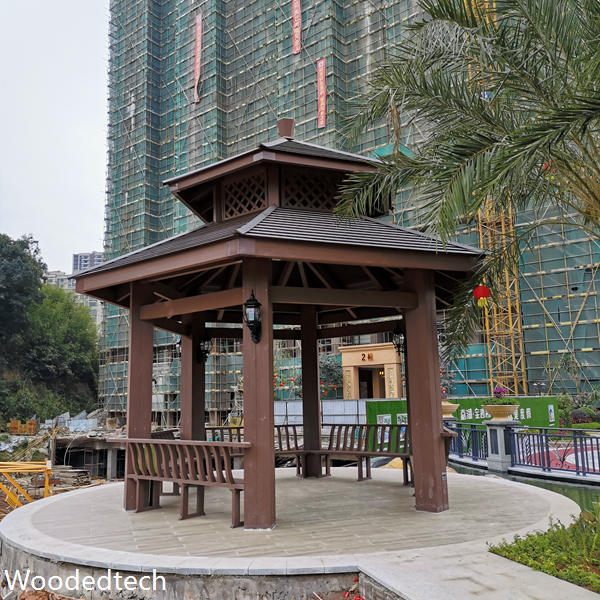
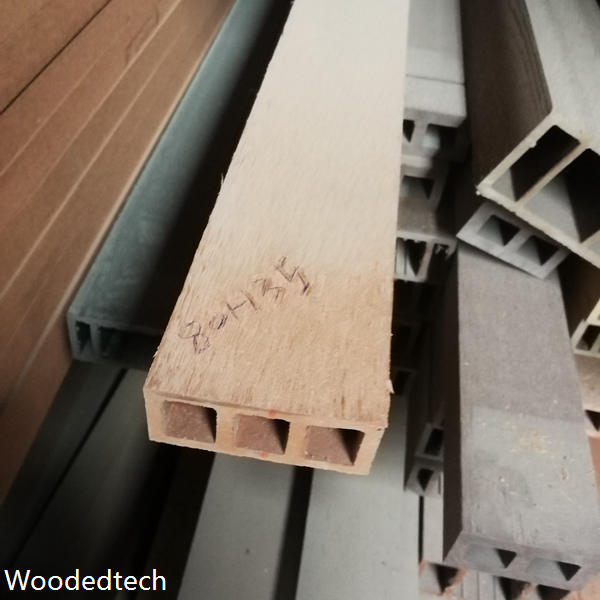
ظهرت الكعكة المركبة المصنوعة من الخشب البوليمر كخيار شائع للهياكل الخارجية ، حيث تقدم مزيجًا من الجماليات والمتانة التي تجذب العديد من المشترين.على عكس الخشب التقليدي ، الذي يمكن أن يتشوه أو يتصدع أو يشق بمرور الوقت ، تم تصميم مركب خشب البوليمر لطول العمر.تجمع هذه المادة بين ألياف الخشب والبلاستيك المعاد تدويره ، مما يؤدي إلى منتج مقاوم للرطوبة والحشرات والتسوس.في المقابل ، فإن الهياكل المعدنية ، مثل الألومنيوم أو الصلب ، لها جاذبية خاصة بها ولكنها تأتي مع تحديات متميزة ، لا سيما من حيث الصيانة وطول العمر.
المكونات المعدنية ، في حين تعتبر في كثير من الأحيان قوية ودائمة ، يمكن أن تعاني من الصدأ والتآكل إذا لم يتم معالجتها بشكل صحيح.هذا صحيح بشكل خاص في المناطق الرطبة أو الساحلية حيث تكون مستويات الرطوبة مرتفعة.يمكن أن يتم اختراق طول عمر الهياكل المعدنية دون صيانة منتظمة ، والتي قد تشمل الطلاء أو تطبيق الطلاء الواقي.وهكذا، عند مقارنة البوليمر الخشب مركب تريليج مقابل طول العمر المعدني، يصبح من الواضح أن هذا الأخير يتطلب المزيد من الاهتمام للحفاظ على سلامتها الجمالية والهيكلية.
مزايا صيانة منخفضة من البوليمر الخشب المركب
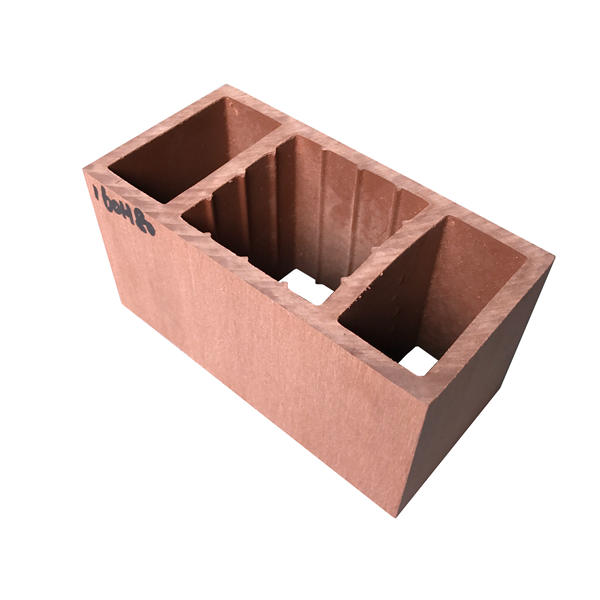
واحدة من المزايا الهامة لمركب خشب البوليمر هو متطلبات الصيانة المنخفضة.يقدر أصحاب المنازل والشركات على حد سواء حقيقة أنه بمجرد تثبيتها ، تحتاج هذه الهياكل إلى الحد الأدنى من الصيانة.على عكس المعدن ، الذي قد يستلزم إعادة الطلاء أو العلاجات المضادة للتآكل ، لا يتطلب مركب خشب البوليمر مثل هذه التدخلات.غالبًا ما يكون الغسيل البسيط بالماء والصابون كافيًا للحفاظ على هذه الهياكل تبدو نقية ، مما يحرر الوقت والموارد للمشاريع أو الأنشطة الترفيهية الأخرى.
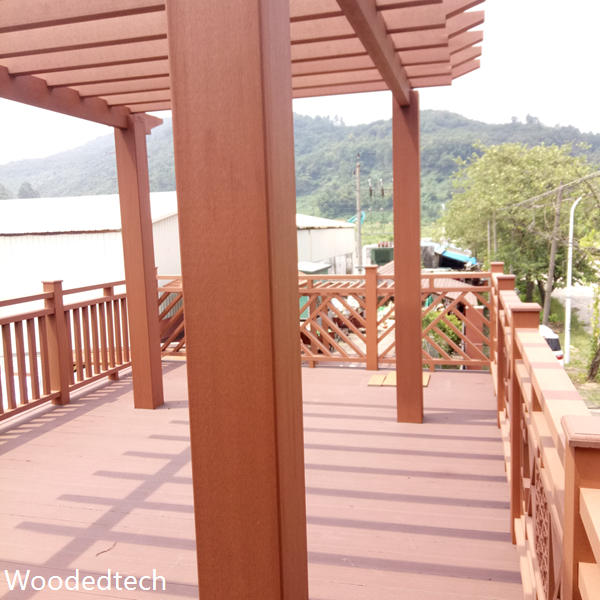
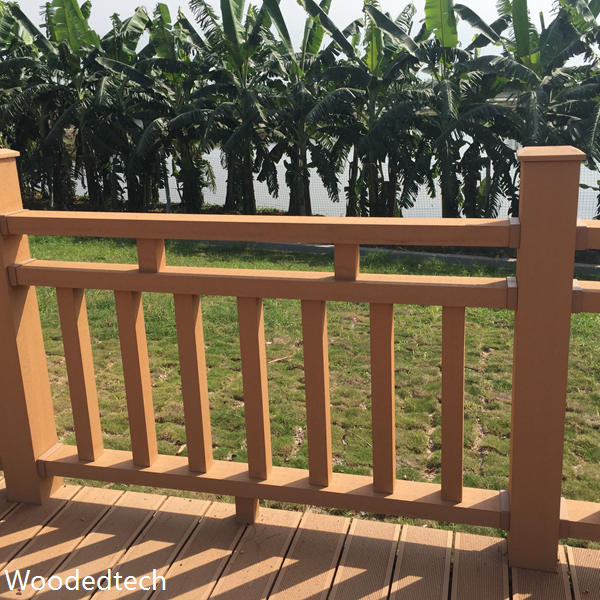
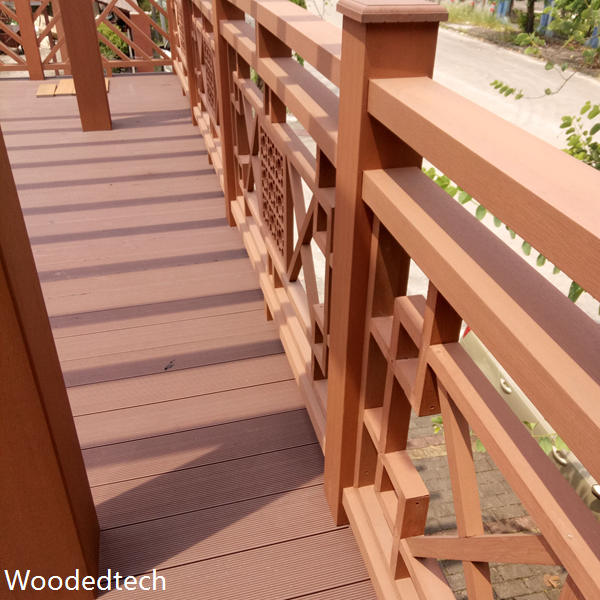
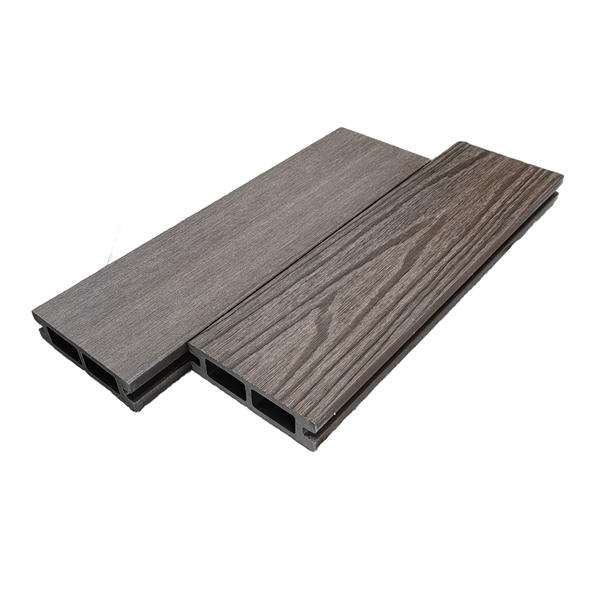
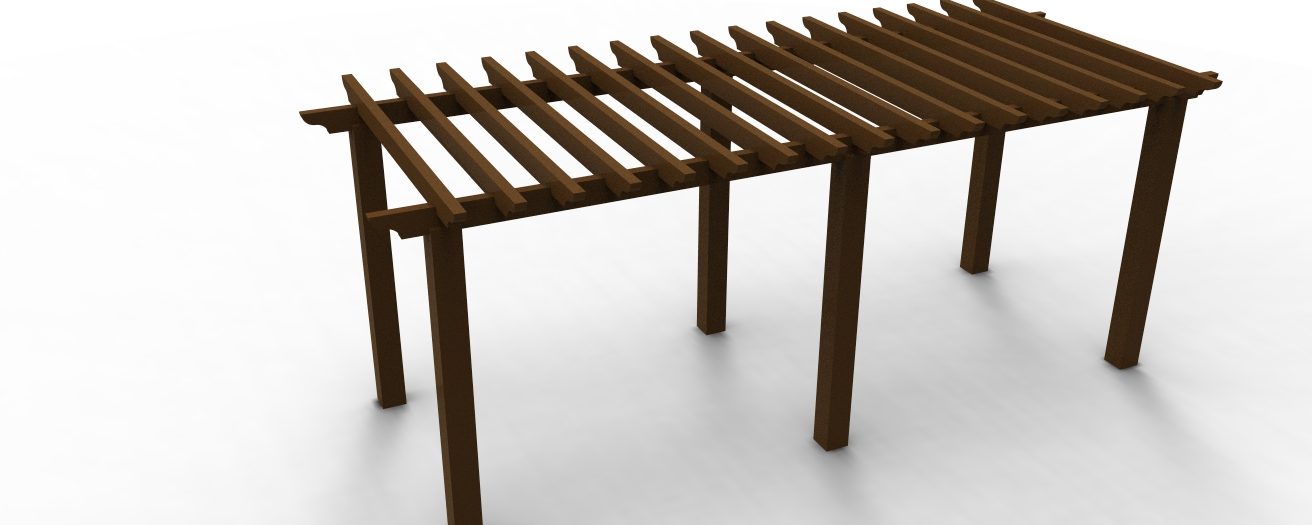
هذه السهولة في الصيانة لا تضر بتنوع التصميم الذي يقدمه مركب خشب البوليمر.متوفر في مجموعة متنوعة من التشطيبات والألوان ، يمكن أن تتطابق هذه المواد مع أي منظر طبيعي أو نمط معماري ، مما يوفر جمالية جذابة دون متاعب الخشب أو المعدن التقليدي.ونتيجة لذلك، يختار العديد من أصحاب المنازل العرشة المركبة من خشب البوليمر أو المبارزة، مع العلم أنهم لن يعززوا فقط مساحتهم في الهواء الطلق ولكن أيضا الوقوف اختبار الوقت مع الحد الأدنى من الجهد.
عمر الخدمة الطويل لهياكل WPC
عمر الخدمة الطويل لمركب خشب البوليمر جدير بالملاحظة بشكل خاص.يضمن مصنعون مثل WPC Pergola أن منتجاتهم مصممة لتحمل الظروف البيئية القاسية ، بما في ذلك التعرض للأشعة فوق البنفسجية ودرجات الحرارة القصوى.هذه المرونة تعني أنه في حين أن الهياكل المعدنية قد تظهر علامات التآكل مع مرور الوقت ، فإن مركب خشب البوليمر لا يزال سليمًا وعمليًا لسنوات.وتترجم هذه المتانة إلى وفورات في التكاليف للمالكين الذين سيواجهون العبء المالي للإصلاحات أو الاستبدالات المتكررة.
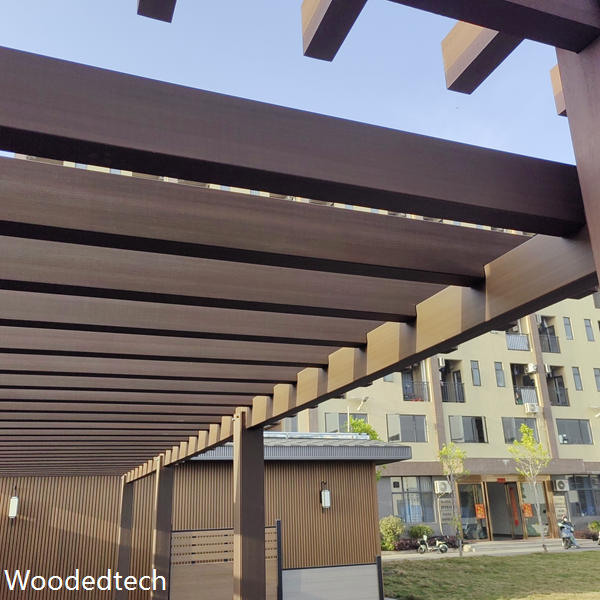
منتجات WPC مثل العرشة ، شرفات المراقبة ، والمبارزة لا تحافظ فقط على سلامتها الجسدية ولكن أيضًا على جاذبيتها الجمالية.إن الاحتفاظ بالألوان ومقاومة التلاشي يعززان الجاذبية البصرية للمساحات الخارجية ، مما يجعلها استثمارًا طويل الأمد.على عكس المعدن ، الذي قد يتطلب استبداله بسبب الصدأ أو التآكل القبيح ، تحتفظ الهياكل المركبة المصنوعة من خشب البوليمر بجمالها دون الحاجة إلى الاستبدال ، مما يساهم في خيار أكثر استدامة للمشاريع الخارجية.
الاعتبارات البيئية في اختيار المواد
تعد الاستدامة البيئية مصدر قلق متزايد ، ويمكن أن يكون لاختيار المواد المناسبة للمشاريع الخارجية آثار كبيرة.عادة ما يتم تصنيع مركب خشب البوليمر باستخدام مواد معاد تدويرها ، مما يجعله خيارًا أكثر ملاءمة للبيئة مقارنة بالمعادن ، والذي يتطلب في كثير من الأحيان طاقة كبيرة للاستخراج والمعالجة.من خلال اختيار الكراتية المركبة المصنوعة من خشب البوليمر ، لا يستثمر المستهلكون في الهياكل الخارجية المتينة والمنخفضة الصيانة فحسب ، بل يساهمون أيضًا في تقليل النفايات وتعزيز الاستدامة.
علاوة على ذلك ، يمكن أن تؤدي عمليات إنتاج المعادن إلى ارتفاع انبعاثات الكربون.وعلى النقيض من ذلك، فإن إنتاج مركب من خشب البوليمر يعطي الأولوية لإعادة التدوير والحد من النفايات، مما يجذب المستهلكين الواعين بيئيا.يضيف هذا الجانب طبقة أخرى من طول العمر إلى جاذبية المادة ، لأنها تتماشى مع تفضيل متزايد لممارسات البناء المستدامة والمسؤولة.
عند وزن فوائد البوليمر الخشب مركب التريلاج مقابل طول العمر المعدني، ونصائح مقياس إيجابي نحو البوليمر الخشب مركب.مع احتياجات الصيانة المنخفضة ، وعمر الخدمة الطويل ، والمزايا البيئية ، يصبح خيارًا جذابًا لأي شخص يتطلع إلى تعزيز مساحته الخارجية.يمكن لمالكي المنازل والشركات الاستمتاع بحرية الهياكل الخارجية المصممة بشكل جميل دون عبء المواكبة المستمرة.مع استمرار ارتفاع شعبية منتجات WPC ، من الواضح أنها توفر بديلاً مقنعًا للمواد التقليدية ، وتقف في اختبار الوقت والتدقيق البيئي على حد سواء.