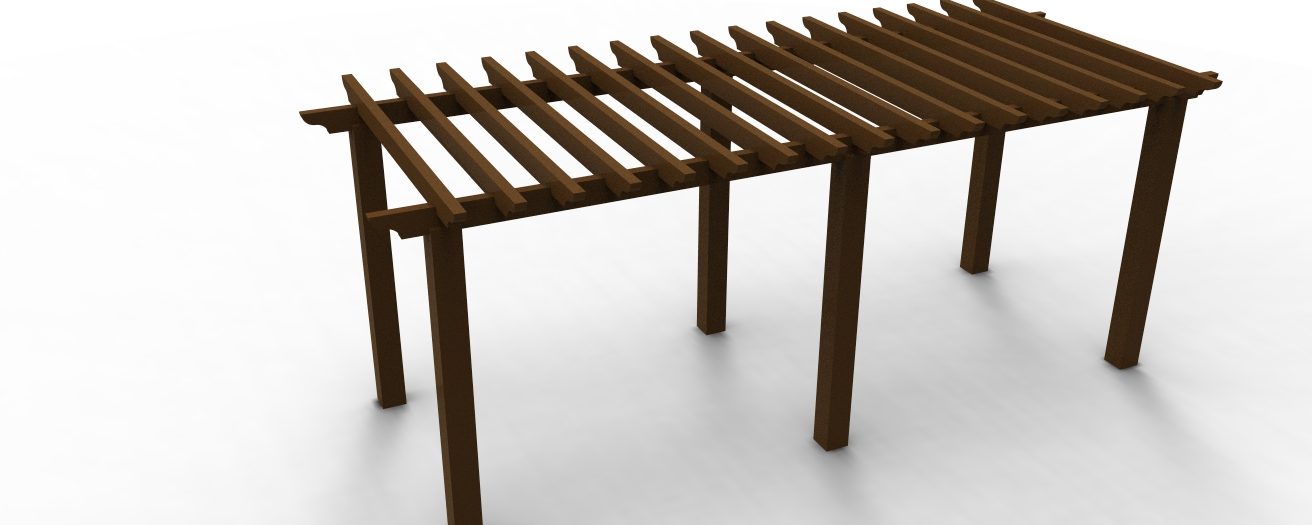
وهو أفضل مظلة الأخشاب البلاستيكية مقابل الألومنيوم للتظليل في الهواء الطلق
تقييم المواد للتظليل في الهواء الطلق
يتجه المهندسون المعماريون ومصممو المناظر الطبيعية بشكل متزايد إلى المواد المبتكرة عند إنشاء مساحات خارجية تمزج الجماليات مع الوظائف.ومن بين الخيارات المتاحة، ظهرت الأخشاب البلاستيكية والألومنيوم كخيارين شائعين للمظلات وهياكل التظليل.تقدم كل مادة مزايا وقيودًا متميزة ، مما يجعل من الضروري للمصممين النظر بعناية في متطلبات المشروع المحددة.
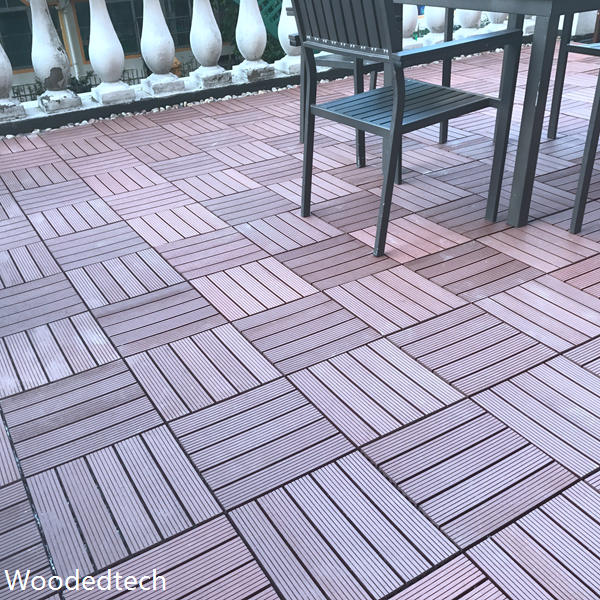
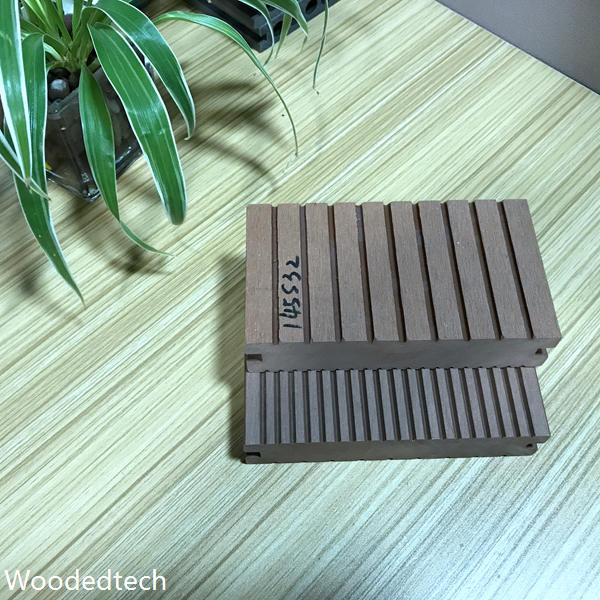
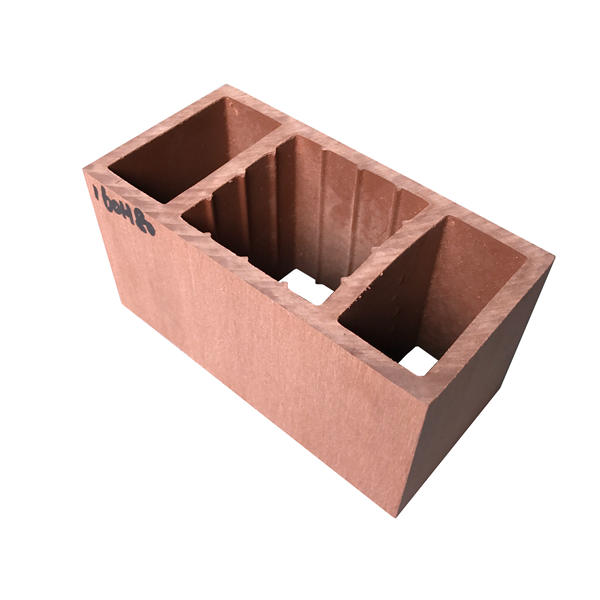
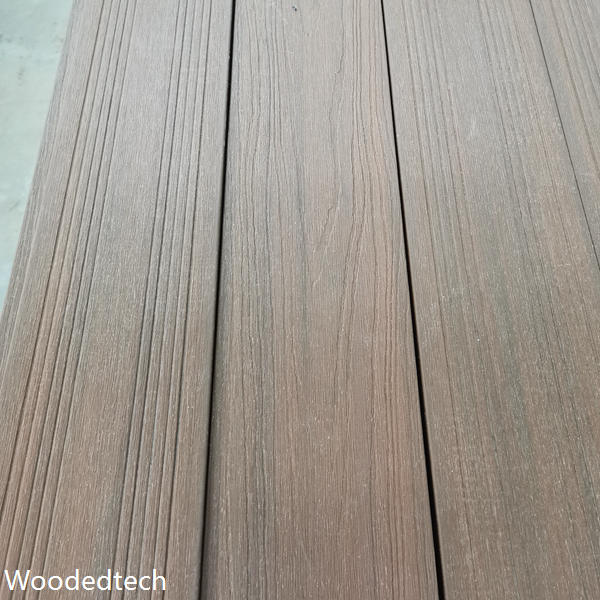
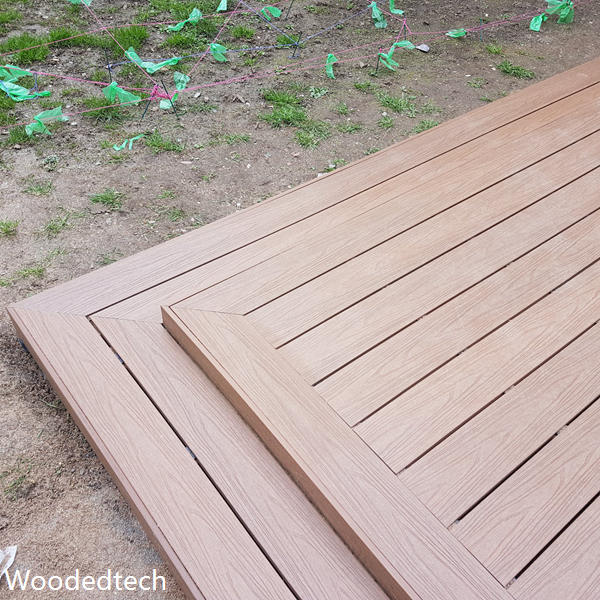
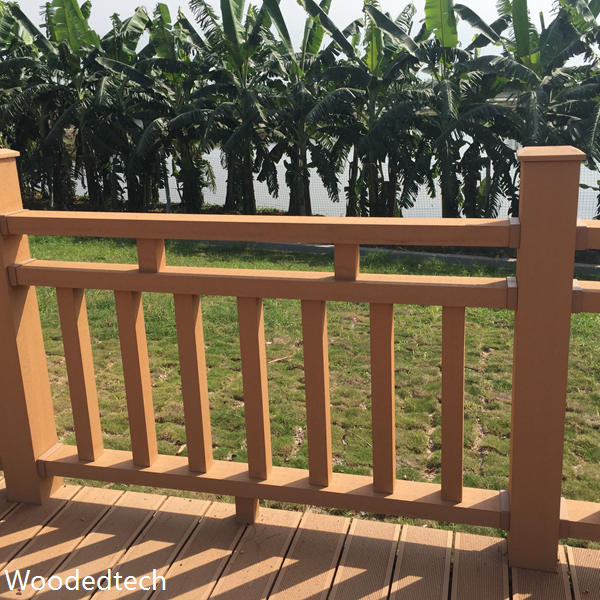
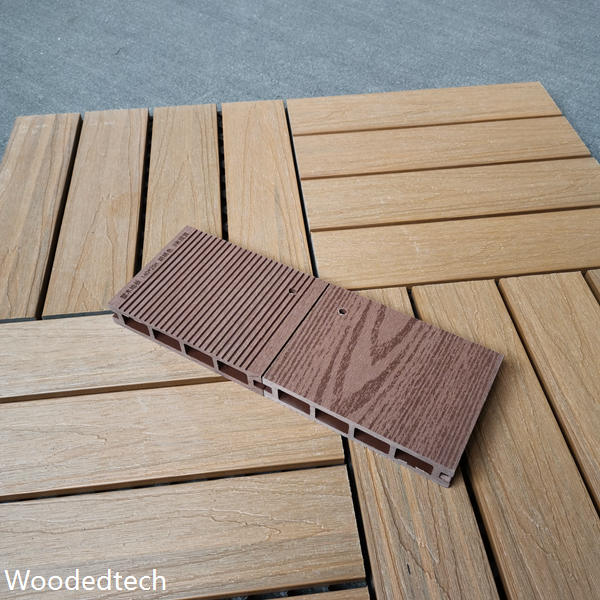
الأخشاب البلاستيكية ، التي يشار إليها غالبًا باسم الخشب والبلاستيك المركب (WPC) ، تجمع بين المظهر الطبيعي للأخشاب مع المتانة والصيانة المنخفضة للبلاستيك.هذه المادة مناسبة بشكل خاص للتطبيقات الخارجية ، لأنها تقاوم الرطوبة والحشرات وتدهور الأشعة فوق البنفسجية.في المقابل، يوفر الألومنيوم لمسة نهائية أنيقة وحديثة وخفيفة الوزن ومقاومة للتآكل ومتينة للغاية، مما يجعلها خيارًا عمليًا لمختلف الظروف البيئية.
اعتبارات المشروع لتصميم المظلة
عند اتخاذ قرار بين مظلة الأخشاب البلاستيكية وهيكل الألومنيوم ، يجب مراعاة عدة عوامل.تلعب الجمالية المقصودة للمشروع دورًا مهمًا ؛ يمكن لمواد WPC أن تثير شعورًا عضويًا دافئًا يتكامل بسلاسة مع البيئة الطبيعية المحيطة ، ويجذب أولئك الذين يبحثون عن سحر ريفي.بدلاً من ذلك ، غالبًا ما تساهم مظلات الألومنيوم بمظهر معاصر يناسب البيئات الحضرية أو التصاميم المعمارية الحديثة.
السلامة الهيكلية هي اعتبار حاسم آخر.توفر مظلات الأخشاب البلاستيكية قوة ممتازة بينما تظل خفيفة الوزن ، وهي مفيدة للمنشآت حيث يكون الحمل مصدر قلق.من ناحية أخرى ، تسمح قوة الألومنيوم المتأصلة بامتدادات وتصاميم أكبر قد لا تكون ممكنة مع WPC.يمكن لكلتا المادتين تحمل الظروف الجوية المختلفة ، ولكن المناخ والموقع المحددين سيؤثران على القرار الذي هو أكثر ملاءمة.
المتانة والصيانة
كل من المواد تتباهى المتانة المثيرة للإعجاب، ولكن احتياجات الصيانة تختلف اختلافا كبيرا.يتطلب WPC الحد الأدنى من التصنية ، وعادة ما يحتاج فقط إلى الغسيل في بعض الأحيان لإزالة الأوساخ والحطام.مقاومتها للتلاشي والانشقاق تجعلها خيارًا مثاليًا للبيئات التي تكون فيها السلامة وطول العمر أمرًا بالغ الأهمية.في المقابل، في حين أن الألومنيوم متين بنفس القدر، إلا أنه يمكن أن يخضع لخدوش أو خدوش سطحية وقد يتطلب صيانة لمنع التآكل، خاصة في المناطق الساحلية التي ينتشر فيها التعرض للملح.
بالنسبة للمشاريع التي تعطي الأولوية للاستدامة ، تتمتع WPC بميزة ، حيث أنها غالبًا ما تكون مصنوعة من مواد معاد تدويرها وقابلة لإعادة التدوير بالكامل في نهاية دورة حياتها.يتوافق هذا الجانب بشكل جيد مع التركيز المتزايد على ممارسات التصميم المسؤولة بيئياً ، ويناشد المهندسين المعماريين ومصممي المناظر الطبيعية الذين يهدفون إلى إنشاء مساحات أكثر خضرة.
اعتبارات التكلفة والموازنة
التكلفة هي عامل محوري في اختيار المواد، مما يؤثر على ميزانيات المشاريع والجدوى العامة.عادة ، يمكن أن تكون WPC أكثر فعالية من حيث التكلفة على المدى الطويل بسبب متانتها ومتطلبات الصيانة المنخفضة.وفي حين أن الاستثمار الأولي قد يكون أعلى مقارنة بخيارات الألومنيوم الأساسية، فإن طول العمر وانخفاض تكاليف الصيانة يمكن أن يجعلاه خيارا أكثر اقتصادا مع مرور الوقت.
من ناحية أخرى ، قد تمثل مظلات الألومنيوم تكلفة أقل ولكن يمكن أن تتكبد نفقات إضافية إذا كانت الصيانة مطلوبة بشكل متكرر.يجب على المهندسين المعماريين ومصممي المناظر الطبيعية إجراء تحليل شامل للتكلفة ، مع مراعاة الوفورات المحتملة على المدى الطويل المرتبطة بكل مادة.
مرونة التصميم والجاذبية الجمالية
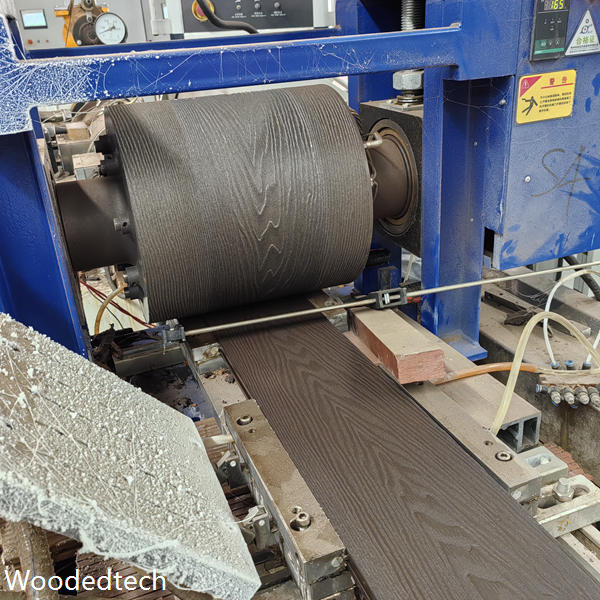
تعد مرونة التصميم التي يوفرها كل من الأخشاب البلاستيكية والألومنيوم جانبًا مهمًا آخر.يمكن تشكيل WPC بسهولة ، وتشكيلها ، وتشطيبها لتحقيق مختلف المظاهر ، مما يتيح تصميمات مخصصة يمكن أن تعزز الجمالية العامة للمساحة.تسمح هذه القدرة على التكيف بتعبيرات إبداعية تتوافق بشكل وثيق مع رؤية المصممين.
الألومنيوم ، في حين أنه يوفر تشطيبًا أنيقًا وبسيطًا ، إلا أنه متوفر أيضًا بألوان وقوام مختلف مغلف بالمسحوق ، مما يسمح بالتخصيص الذي يمكن أن يتطابق أو يتناقض مع العناصر المحيطة.يمكن للمهندسين المعماريين استخدام هذه الميزات لخلق تأثيرات بصرية مذهلة ترفع من التجربة الخارجية.
في نهاية المطاف ، يتوقف الاختيار بين مظلات الأخشاب البلاستيكية وهياكل الألمنيوم على الاحتياجات المحددة للمشروع.تتمتع كلتا المادتين بخصائص فريدة يمكن أن تعزز المساحات الخارجية ، ومع ذلك فإن مدى ملاءمتها يعتمد على عوامل مثل أهداف التصميم والظروف المناخية وتفضيلات الصيانة واعتبارات الميزانية.يمكن أن يوفر الانخراط في مناقشات شاملة مع الموردين وتقييم دراسات الحالة رؤى قيمة ، مما يضمن توافق المواد المختارة مع الرؤية الشاملة للبيئة الخارجية.