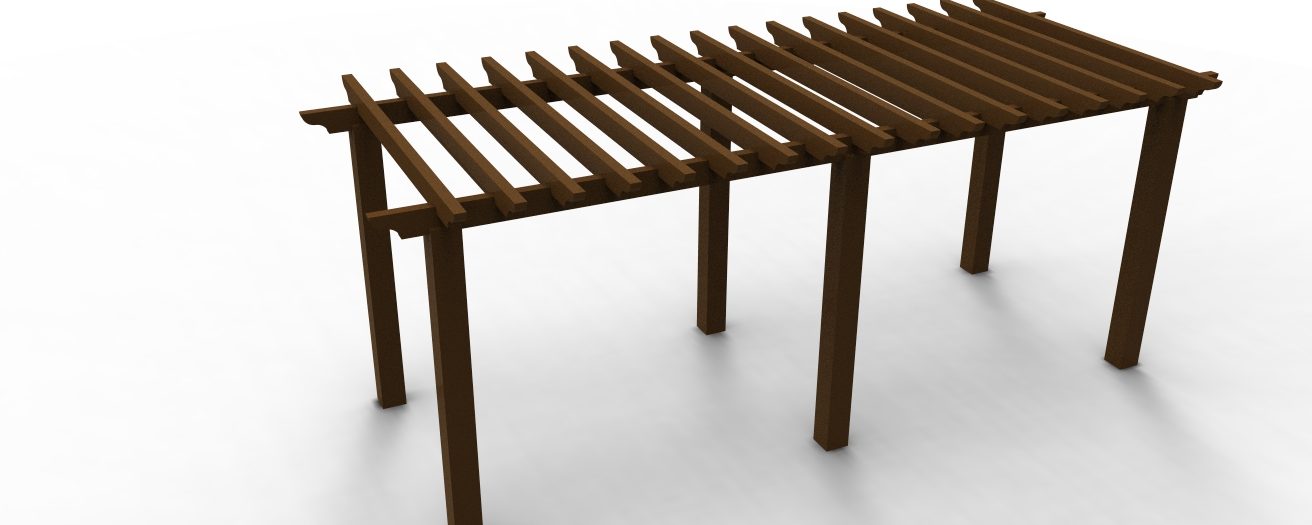
WPC模式材料測試,具備防風戶外產品品質
Raw Material Tests That Predict Outdoor Performance
Outdoor wood plastic composite quality begins before the extruder starts. In production, I check wood flour moisture, particle size distribution and contamination alongside polymer melt flow, density and recycled feedstock consistency. Excess moisture can cause steam pockets, rough surfaces and weak internal bonding. Each batch needs traceable acceptance limits, with wood flour dried to a validated moisture target for the chosen formulation.
Weather resistance also depends on the additive package. Coupling agents support fibre adhesion, while antioxidants, UV stabilisers and pigments help control deterioration. For any specification labelled wpc mode, translate that label into measurable requirements: water absorption, dimensional change, flexural performance and colour stability. A commercial description alone cannot establish suitability for exposed decking, fencing or architectural profiles.

Material Mixing and Pelletising Consistency
Accurate weighing matters as much as ingredient selection. Wood flour loading, lubricant balance and coupling agent dosage affect torque, melt strength and surface quality. During hot mixing, monitor material temperature and dispersion rather than relying only on elapsed time. Follow with controlled cooling to prevent agglomeration, then protect the blend from moisture during storage and transfer.
For a two stage process, compounding and pelletising provide an opportunity to disperse additives and remove volatiles before profile extrusion. Track compound temperature, motor load and vacuum performance. Pellets should have consistent dimensions and feed freely, with fines controlled to avoid dosing fluctuations. Direct extrusion can also work, but requires dependable feeding and devolatilisation. Compare routes through measured product performance, throughput and scrap rates.
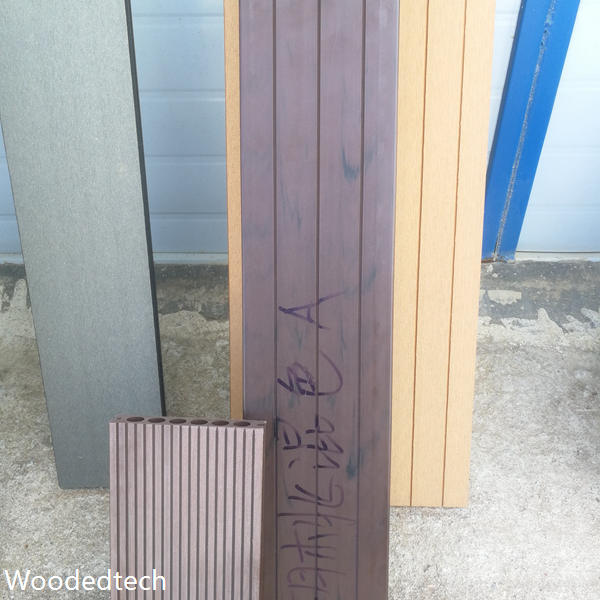
Extrusion Temperature Control and Melt Stability
Barrel settings must match the polymer system. For many polyethylene based WPC formulations, processing temperatures fall roughly within 150 to 190 degrees Celsius, although the correct window depends on resin grade, fibre content and screw design. PVC requires its own formulation and thermal control strategy. Treat these ranges as starting points for trials, never as universal machine settings.
Measure actual melt temperature wherever practical because shear can raise it above the displayed barrel setting. Excessive heat can darken wood flour, generate odour and damage the compound; insufficient heat can leave poor fusion and unstable pressure. Record screw speed, output, head pressure and torque together. When pressure oscillates, investigate feed consistency, moisture, venting and restrictions before changing several temperature zones simultaneously.
Mould Design and Cooling Calibration
A profile die must distribute the wood filled melt evenly across solid sections, hollow chambers and corners. Abrupt flow changes encourage stagnation, local overheating and visible flow lines. Balanced channels, suitable land lengths and accessible cleaning features improve repeatability. Hollow profiles also need correctly positioned internal supports, with die trials checking wall thickness, weld integrity and output balance.
Cooling calibration fixes geometry while the profile still lacks stiffness. Match vacuum, cooling water temperature and haul off speed to the section and extrusion rate. Uneven cooling creates bowing, twist or residual stress that may appear during outdoor heating. Measure profiles after conditioning as well as immediately after production, recording width, thickness, straightness and mass per metre against agreed tolerances.
Surface Treatment and Common Production Defects
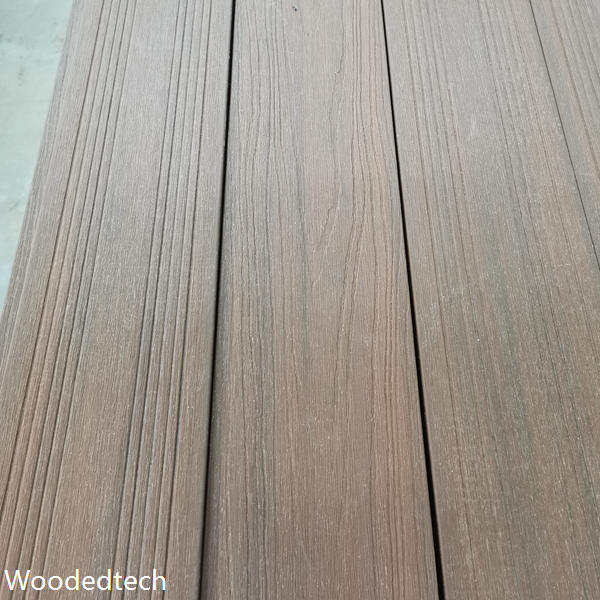
Brushing, sanding and embossing create different textures, but each changes the exposed surface. Excessive brushing can expose fibres and increase water uptake, while aggressive sanding may produce inconsistent thickness. Control tool condition, treatment depth and dust extraction. For capped products, inspect cap coverage, interlayer adhesion and corner thickness, then assess weathering on the finished surface rather than an untreated laboratory sample.
Pinholes often point towards moisture or trapped gas; streaking may indicate poor dispersion, contamination or degraded material. Cracking can involve weak fusion, die imbalance or excessive cooling stress. Diagnose defects using retained samples and process records. Change one influential variable at a time, and confirm recovery through dimensional checks and mechanical testing before releasing affected production.
Weathering Validation and Production Release
Outdoor qualification should combine water absorption and swelling measurements with thermal cycling, accelerated weathering and mechanical tests before and after exposure. Select methods appropriate to the product and destination market, such as EN 15534 or ASTM D7032 where applicable. Record exposure conditions, specimen preparation and acceptance criteria. Accelerated weathering supports comparison, but does not directly establish a guaranteed service life.
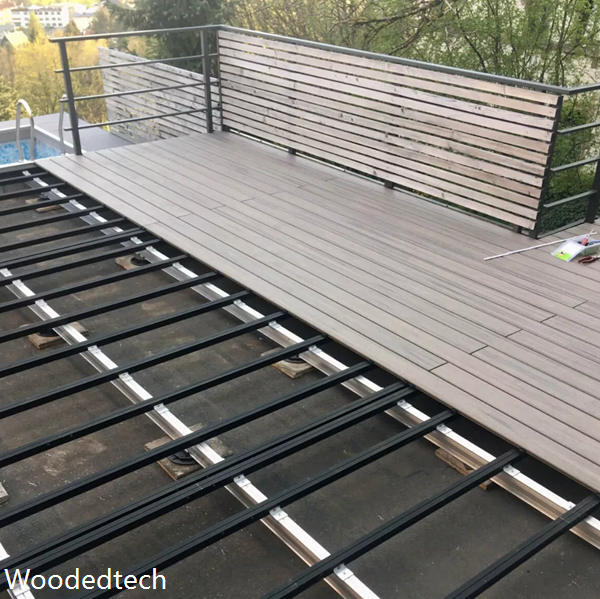
Keep reference samples from approved batches and compare colour, surface integrity and retained strength. Installation trials should verify fastening, expansion allowances and drainage under representative conditions. Release documentation should connect raw material batches, processing records and inspection results, giving installers, export customers and after sales engineers evidence for investigating later field performance.