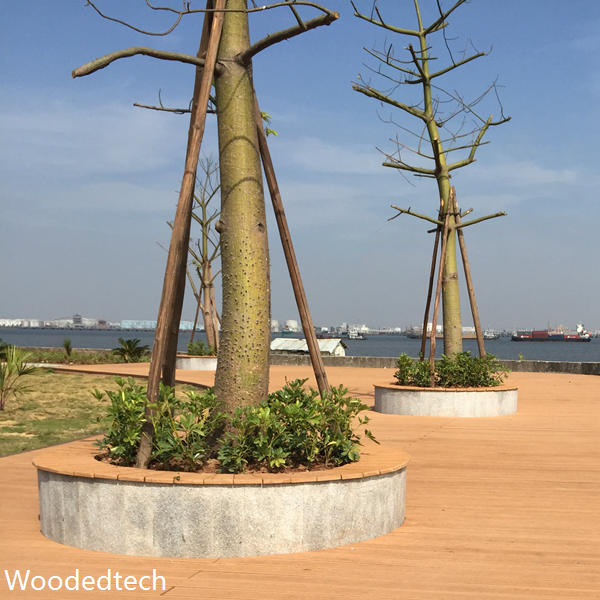
複合板板套件:將全球買家轉換的SEO內容
Why Composite Decking Board Kits Need Buyer Focused SEO
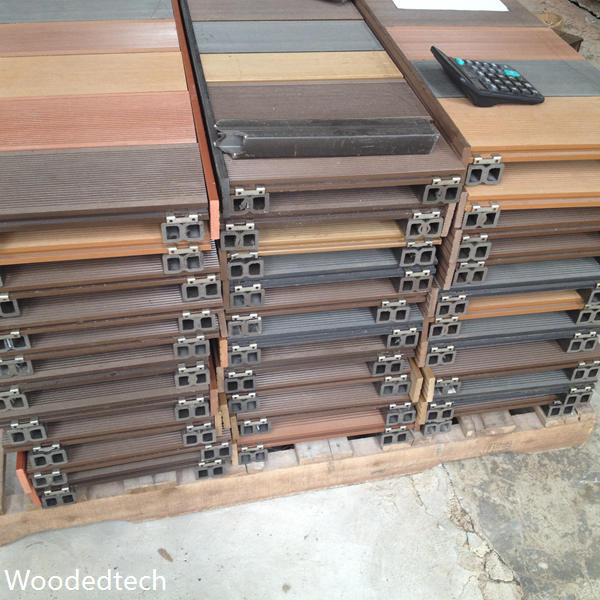
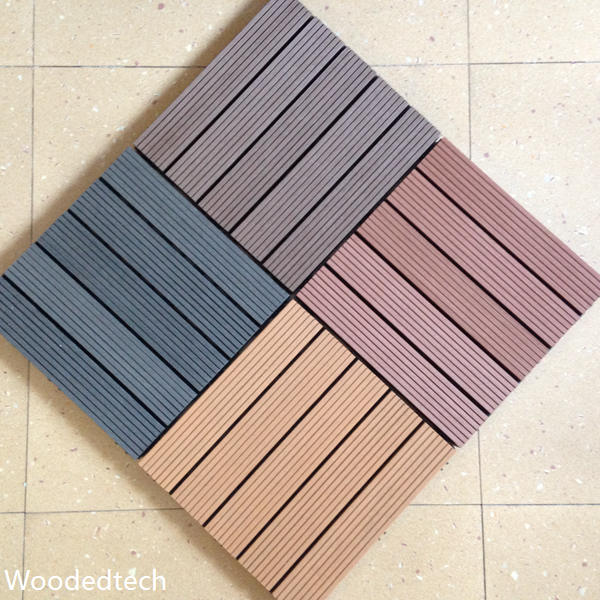
For international buyers, composite decking board kits are more than a collection of boards and accessories. They represent a complete purchasing solution for residential terraces, hospitality projects, public walkways and landscaping developments. A strong SEO article should therefore answer the practical questions asked by importers, distributors, contractors and project consultants before they contact a factory. Buyers need clear information about board profiles, surface finishes, colours, dimensions, clip systems, load performance, packaging and export capability.
As a foreign trade export specialist for outdoor WPC products, I recommend linking product information with the actual purchasing journey. A buyer may first search for composite decking board kits, then compare co extrusion and solid profiles, request a quotation, order samples and assess whether the supplier can deliver consistently. Content that explains these stages attracts qualified traffic because it reflects commercial decisions rather than simply describing appearance or low maintenance benefits.
Quotation Details for International WPC Orders
A useful export quotation must be specific enough for a buyer to calculate landed cost. It should state the product code, board dimensions, coverage per square metre, weight, colour, surface treatment, installation accessories and minimum order quantity. The quotation should also clarify whether the price is based on EXW, FOB or another Incoterm, because freight responsibility, insurance and export handling vary between each arrangement. Currency, payment terms, production lead time and quotation validity should be shown clearly.
For composite decking board kits, accessory compatibility requires particular attention. Clips, screws, joists, edge profiles and starter fasteners need to match the board structure and installation method. An overseas distributor may also require private labelling, barcodes, carton artwork or a mixed container containing several colours. Confirming these requirements before issuing the proforma invoice reduces revisions and gives both parties a reliable basis for production planning.
Sample Approval Before Mass Production
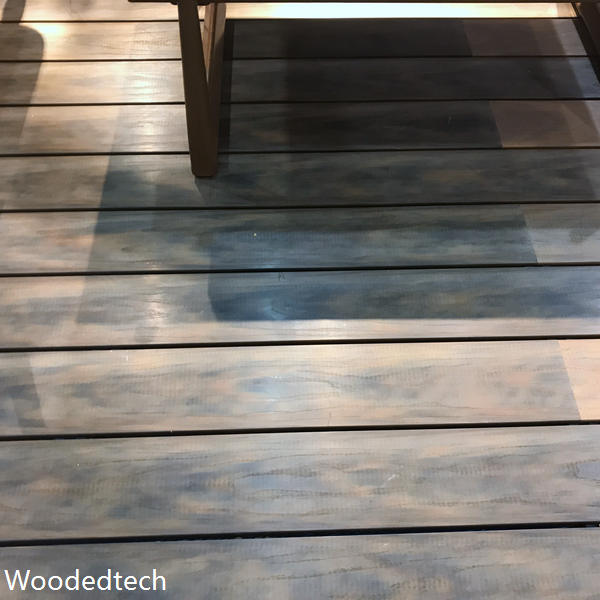
Sample approval is a commercial control point, rather than a formality. The supplier should send representative boards showing the agreed colour, embossing, brushed texture, cap layer, dimensions and packaging method. If the order includes several colours, every selected colour should be checked under natural and indoor light, since monitors and printed colour charts cannot reproduce WPC shades perfectly.
The buyer should record approval against a sample code or signed specification sheet. This document can include acceptable dimensional tolerances, surface expectations, colour references and the chosen accessory set. For large projects, the distributor or architect may need to approve a small installed area as well as individual boards. Production should begin only after the final specification, artwork and sample status are confirmed, especially for customised composite decking board kits.
Packaging and Container Loading Standards
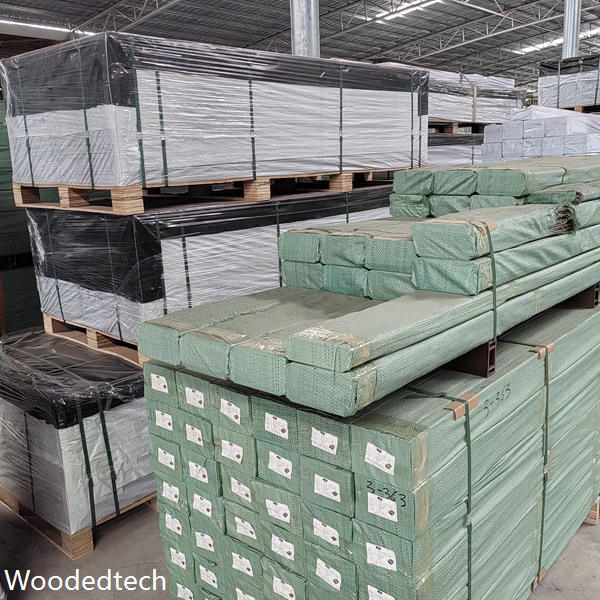
WPC decking can travel long distances, so packaging must protect both the surface and the board edges. Export cartons or bundles should use suitable corner protection, moisture resistant wrapping and strong strapping. Labels normally include product name, colour, length, quantity, gross weight, net weight and destination marks. A distributor may also request retail cartons, neutral packaging or its own brand design, which should be approved before printing.
Container loading affects cost and product condition. The factory should calculate bundle dimensions to use available container space efficiently while keeping heavy loads stable. Boards must be supported to prevent bending, and mixed products need clear loading records so the receiving warehouse can identify each item quickly. Photographs taken during loading, showing the container number and seal, provide useful evidence for the buyer and support claims handling if damage is discovered after arrival.
Shipping Documents and Import Coordination
Export documentation usually includes the commercial invoice, packing list, bill of lading and certificate of origin where required. Some destinations also request fumigation records for wooden packaging, test reports, declarations of conformity or documents related to building product regulations. Document names and requirements differ by market, so the exporter should confirm them with the buyer’s customs broker before shipment.

Accurate data must match across every document. Product descriptions, quantities, package counts, weights and consignee details should correspond with the approved order and container loading record. Sending draft documents for checking before the vessel departs helps prevent clearance delays. The exporter should also share the estimated departure, arrival, shipping line and tracking details so the overseas distributor can prepare warehouse labour and onward delivery.
Building Long Term Distributor Cooperation
Successful overseas distribution depends on more than one shipment. A factory should provide installation instructions, technical drawings, maintenance advice, product photographs and answers to common site questions. Training for local sales teams can help distributors explain board selection, subframe spacing, drainage and colour variation accurately. Clear after-sales procedures are also valuable when a contractor reports a damaged board or requests replacement clips.
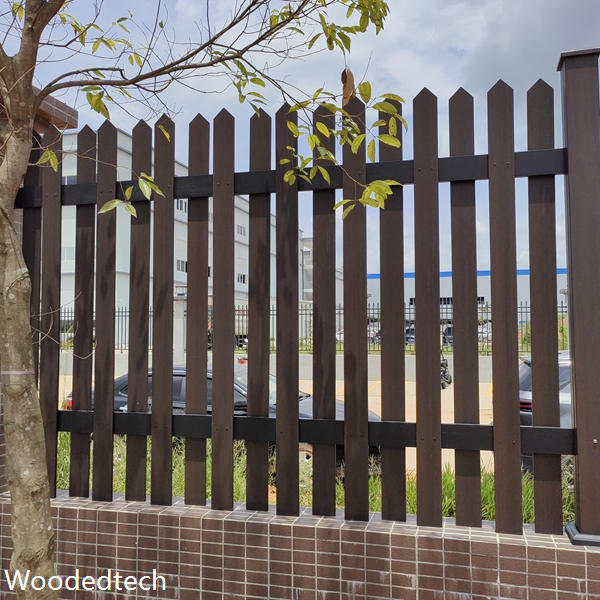
SEO content supports this relationship by reaching buyers before the first enquiry and demonstrating that the supplier understands export work in detail. Pages built around composite decking board kits should connect technical specifications with quotation support, sample approval, packaging, container loading and documentation. When the published information matches the factory’s real process, international buyers can assess suitability faster and distributors gain confidence in presenting the product to their own markets.