Planning Durable Outdoor Landscapes with a WPC Onlineshop
A landscape project can lose weeks before installation begins if its decking arrives bowed, its wall panels are scratched, or its finishing profiles are missing. As a packaging engineer at a WPC factory, I treat the journey from production line to building site as part of the product specification. Orders placed through a wpc onlineshop may combine several lengths, colours and profiles, but every item must survive handling at the factory, loading at the port, weeks at sea and delivery to the installer.
Packaging Starts With the Product Specification
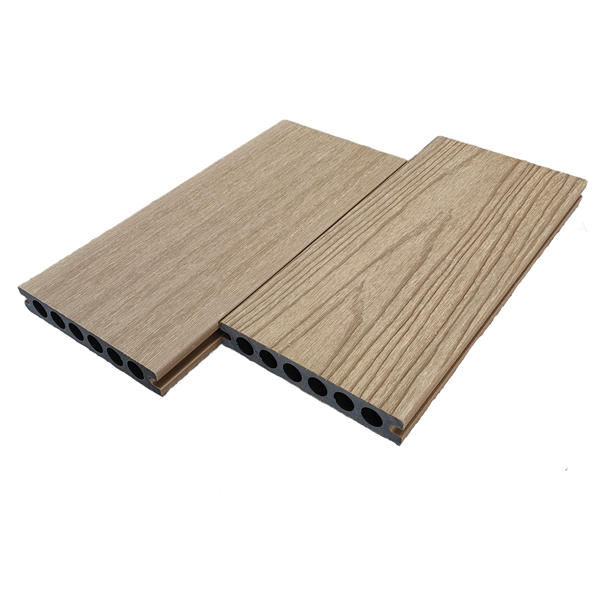
Decking boards, cladding panels and trim profiles do not need identical protection. A solid deck board tolerates stacking differently from a hollow board with thin internal webs. Brushed or embossed faces can show abrasion even when the board remains structurally sound. Before selecting packaging, I check length, section weight, surface finish and the quantity per pack. That information determines where supports can sit without marking visible faces or concentrating pressure on unsupported edges.
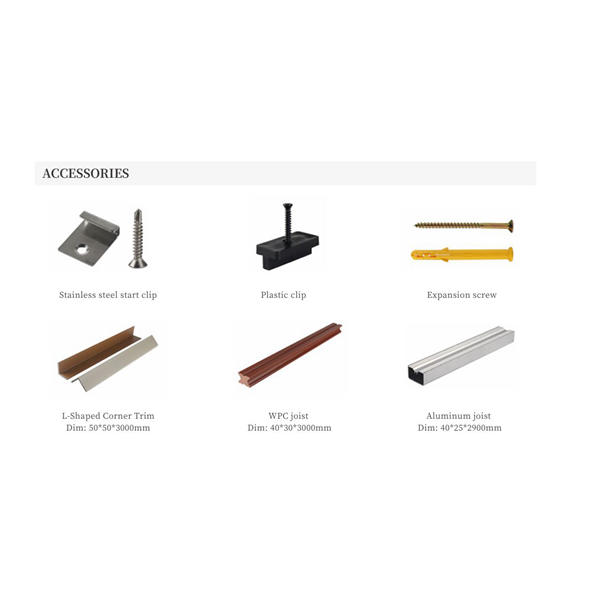
Mixed orders need particular care. A landscape scheme might pair long decking boards with narrow edging profiles and shorter wall panels for a garden structure. If these are packed as one convenient bundle, the heaviest pieces can crush the lighter ones. We group products by dimensions and load capacity, then mark each pack with its product code, colour, length and piece count. Clear identification also helps site teams keep matching batches together during installation.
Keeping Long Boards Straight in Transit
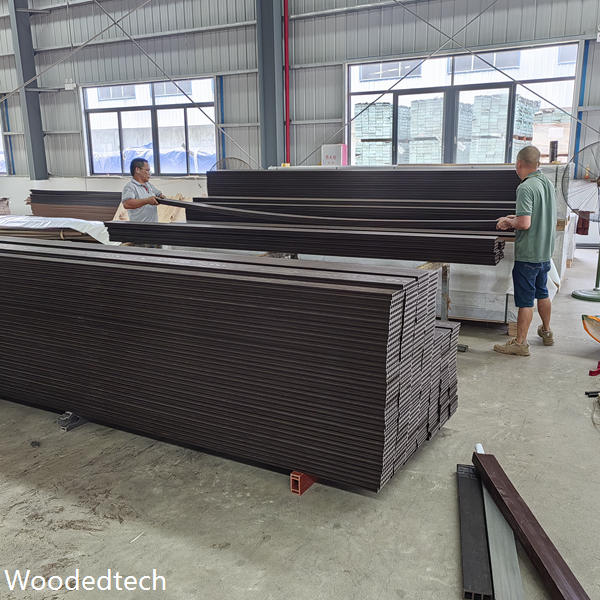
Long WPC boards need continuous, predictable support. Pallet bearers are spaced to suit the board length and aligned vertically through stacked bundles, so weight passes down through the supports rather than bending boards between them. We use rigid corner protection where straps bear against the load. Strapping must hold the pack securely without squeezing hollow sections or leaving pressure marks on decorative surfaces. A straight pack leaving the factory is only useful if it remains straight after repeated lifting.
Where boards extend beyond the pallet, fork truck contact becomes a serious risk. We avoid unsupported overhang and check that forks can enter without touching the product. For especially long profiles, timber frames or reinforced skids provide safer lifting points. We also test pack stability at the intended stacking height. A design that works on a warehouse floor may behave differently inside a container exposed to vibration, braking and repeated port handling.
Moisture and Surface Protection at Sea
WPC itself is designed for outdoor use, yet that does not make an export pack immune to moisture. Condensation inside a shipping container can wet labels, soften cartons and stain protective materials. I specify moisture resistant wrapping where appropriate, while allowing for ventilation if tightly sealed film could trap water against the boards. Dry pallets and packaging materials matter just as much as the outer wrap. Container condition should be checked before loading, particularly for leaks or damp flooring.
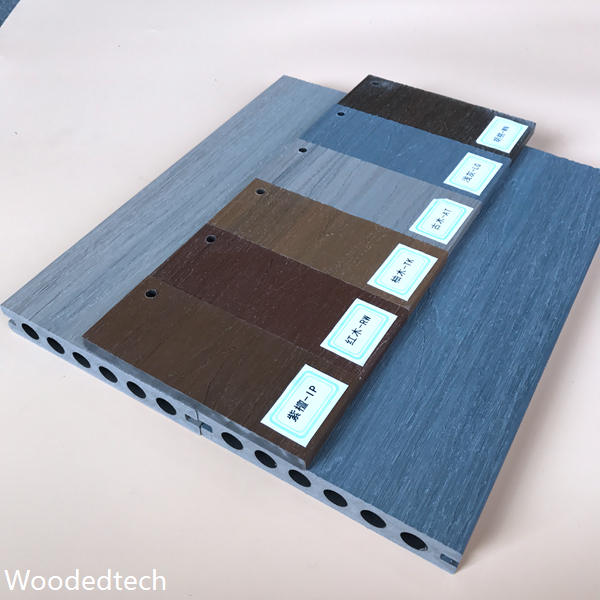
Surface protection has to survive movement without creating its own damage. Interleaving sheets can separate embossed faces; protective sleeves help keep slim profiles from rubbing together. We select contact materials that will not transfer colour or leave residue during a hot voyage. Painted, coextruded and deeply textured finishes may each need a different arrangement. The aim is to protect the visible surface while keeping inspection and unpacking straightforward for the distributor or contractor.
Container Loading and Export Checks
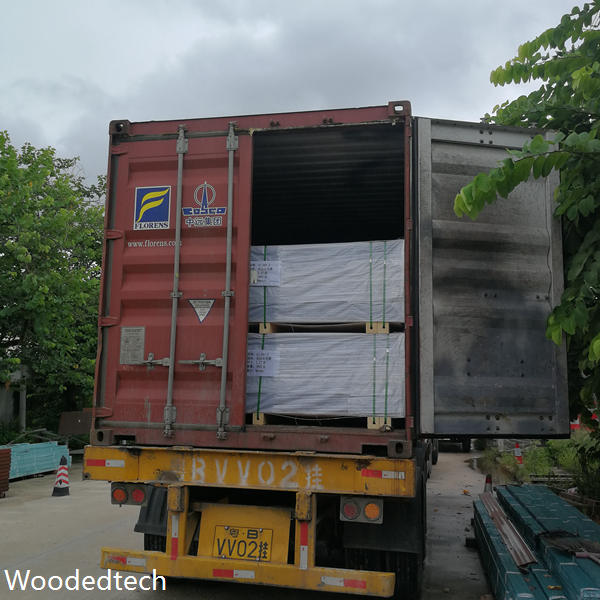
Packaging design continues into the loading plan. Heavy decking packs belong low in the container, with weight distributed within the container limits. Wall panels and delicate trims need positions where they cannot be trapped beneath shifting loads. Blocking and restraint are specified around the packed goods, not improvised after the container is full. Accurate pack dimensions help the logistics team use space efficiently without creating awkward gaps that let goods move during transport.
Before dispatch, we check strap tension, pallet condition, label legibility and the count against the packing list. Loading photographs record pack placement and container condition, giving sales and after-sales teams useful evidence if a claim arises. For repeat orders, damage reports are valuable engineering data: a crushed corner may point to inadequate edge protection, while repeated scuffing may call for a different interleaf. Packaging specifications improve when feedback reaches the factory rather than stopping at the claims desk.
Planning for Site Handling
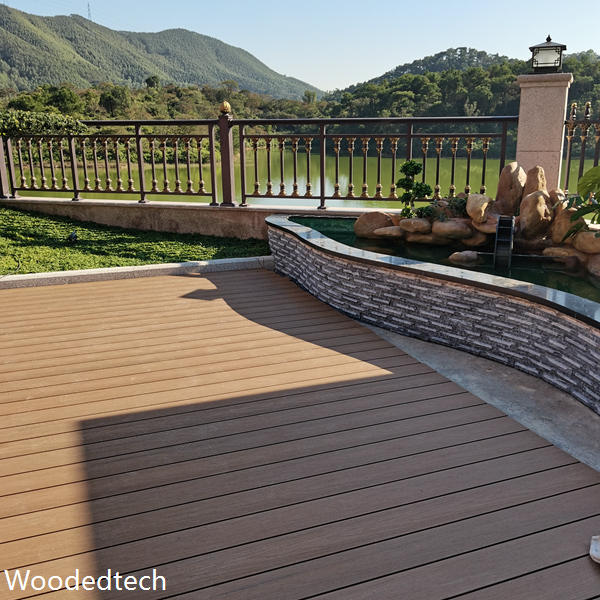
The final handover shapes our decisions at the factory. A pack that survives the ocean crossing can still be damaged when it is opened on uneven ground or lifted with unsuitable equipment. Labels should show lifting points and identify faces requiring protection. Manageable bundle sizes help contractors move boards without dragging them across hard surfaces. Keeping colour and length information visible also reduces unnecessary unpacking while installers set out decking runs, cladding elevations and finishing details across the landscape project.