How to maintain a polymer wood composite canopy for long lasting outdoor use
The Extrusion Process for Polymer Wood Composites
When embarking on the journey of creating a polymer wood composite (WPC) canopy, one must first understand the intricacies of the extrusion process. This process begins with the careful selection and mixing of raw materials, typically a combination of wood flour and thermoplastics. Achieving an optimal blend involves ensuring that the wood and plastic components are proportioned correctly to enhance the final product’s durability and aesthetic appeal. During this stage, additives such as UV stabilisers, colourants, and coupling agents may also be included to improve the canopy’s longevity and resistance to environmental factors.
Once the mixing is complete, the material is subjected to pelletising, which transforms the blend into small, uniform pellets. This step is critical as it facilitates efficient handling and feeding into the extruder. The quality of the pellets directly influences the extrusion process, as inconsistencies can lead to defects in the final product.
挤出时的温度控制
Temperature control is vital throughout the extrusion process. The extruder must maintain specific temperature ranges to ensure proper melting and flow characteristics of the WPC material. Typically, temperatures must be adjusted based on the specific formulation and the type of thermoplastic being used. For instance, if the temperature is too low, the material may not melt adequately, resulting in poor flow and potential blockages. Conversely, excessive heat can degrade the polymer, negatively affecting the canopy’s integrity.
Monitoring the temperature at various zones of the extruder helps in achieving a homogeneous mixture. Continuous adjustments may be needed to account for variations in the material properties during extrusion. This careful balancing act is essential for ensuring that the resulting canopy exhibits the desired strength and durability.
Mold Design and Formation
The design of the extrusion mold is another critical factor that influences the final structure of the polymer wood composite canopy. Molds are typically crafted from robust materials such as steel to withstand the pressure of the extruded material. The design must be precise to achieve the desired canopy shape and dimensions, while also allowing for adequate cooling and solidification of the extruded WPC.
Effective mold design also considers the flow dynamics of the material as it is extruded. Properly designed molds reduce the likelihood of defects such as voids or inconsistent thicknesses, which can compromise the canopy’s performance. Additionally, the incorporation of features that promote efficient cooling is essential for maintaining dimensional accuracy in the final product.
冷却校准与表面处理
Once the polymer wood composite exits the mold, it enters the cooling phase, which is crucial for achieving dimensional stability. Calibrating the cooling process can prevent warping or distortion as the canopy material solidifies. Water baths or air cooling systems are often implemented to ensure an even cooling rate, essential for maintaining the integrity of the structure.
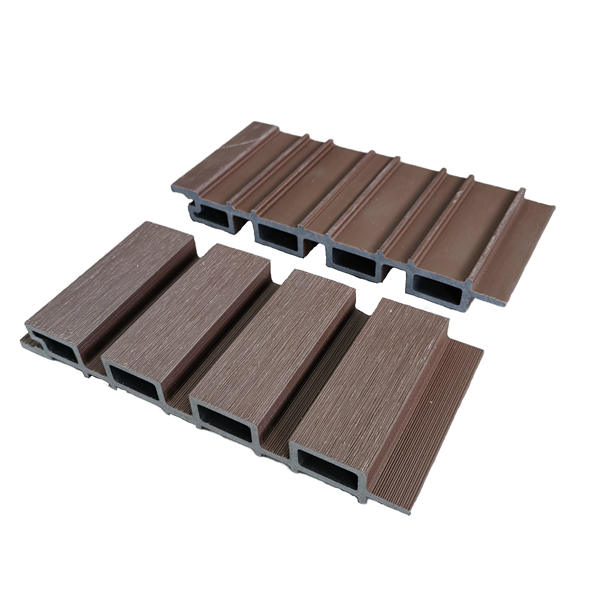
Following the cooling process, surface treatment becomes necessary to enhance the visual appeal and functional properties of the canopy. Treatments may include texturing, sanding, or applying protective coatings. These treatments not only improve the aesthetic quality but also increase resistance to weathering, UV rays, and scratching, thereby supporting the longevity of the WPC canopy.
共同生产挑战
Another challenge is maintaining consistent material properties across production batches. Variations in raw material sources can affect the final product, leading to discrepancies in strength and appearance. To combat this, it is essential to establish strict quality control protocols and conduct regular inspections of the raw materials and end products.
Maintaining a Polymer Wood Composite Canopy
类似文章
为何选择洛吉亚塑料木复合材料用于花园和户外空间
作为广东一家成熟的户外WPC制造公司的老板,我为园地推出Loggia塑料木复合材料,我很荣幸推出适用于花园的木塑复合材料。
绿色隧道复合木聚合物,用于医院花园和户外景观
绿色隧道复合木聚合物在追求可持续且持久耐用的户外结构方面的优势,是天然木材聚合物的卓越选择。
花园拱木WPC扩展如何影响长期性能
室外WPC挤出工艺 用于园艺拱木等用途的木材塑料复合材料(WPC)工艺涉及多个精确步骤,每个步骤都有助于最终产品的性能。
在花园中安装复合聚合物木格:分步指南
了解复合材料、木胶合物复合材料,作为园林安装的理想选择,已迅速流行起来,既具有美观性,也具有功能性优势。混合一体......
防火等级 Espalier 复合聚合物木材,适用于安全的户外应用
室外建筑结构中火灾等级的重要性至关重要,尤其是考虑到其接触自然元素以及可能存在火灾隐患时,户外建筑的安全性至关重要。火灾等级......
木材塑料复合三貣貲�
了解木材塑料复合材料 木材塑料复合材料(WPC)是一种创新材料,融合了木材和塑料的最佳特性。这款工程产品在户外正变得越来越受欢迎......