How does canopy composite timber plastic thermal movement affect installation

Canopy Composite Timber Plastic: Environmental Considerations

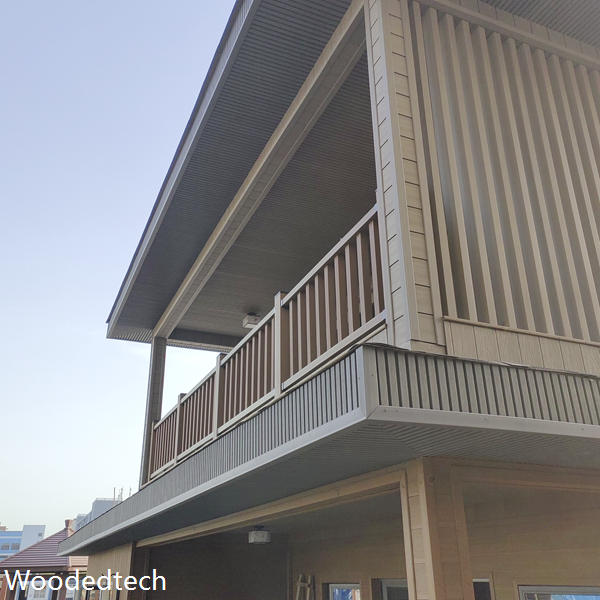
Canopy composite timber plastic, commonly referred to as WPC (wood-plastic composite), has rapidly gained popularity as an environmentally friendly alternative in outdoor construction. This innovative material is crafted from a blend of recycled wood and plastic, making it an excellent choice for those looking to reduce their ecological footprint. By incorporating recycled materials, WPC significantly lowers the demand for virgin wood, which is crucial in preserving forests and promoting sustainable practices. This reduction not only helps conserve biodiversity but also minimises the carbon emissions associated with traditional timber harvesting and processing.

Moreover, the durability of WPC materials is another factor that enhances their environmental credentials. Unlike traditional wood, which can succumb to rot, pests, and weathering, composite materials are designed to withstand the elements. This longevity means that fewer replacements are necessary over time, reducing waste and the overall resource consumption associated with frequent replacements of less durable materials.

Thermal Movement in WPC Installations

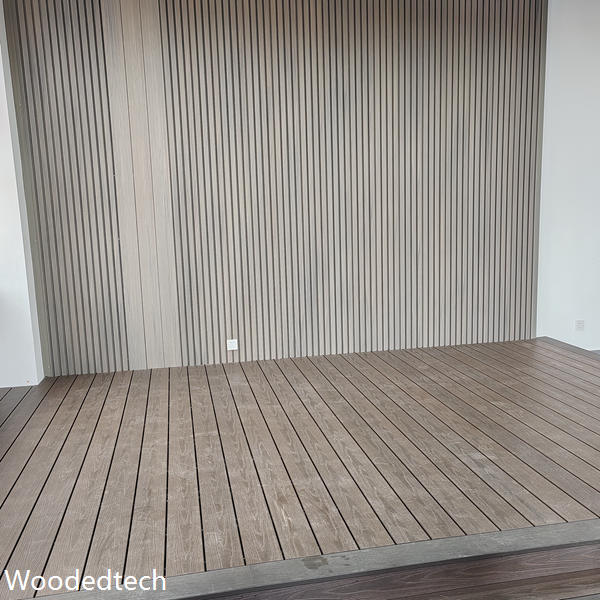
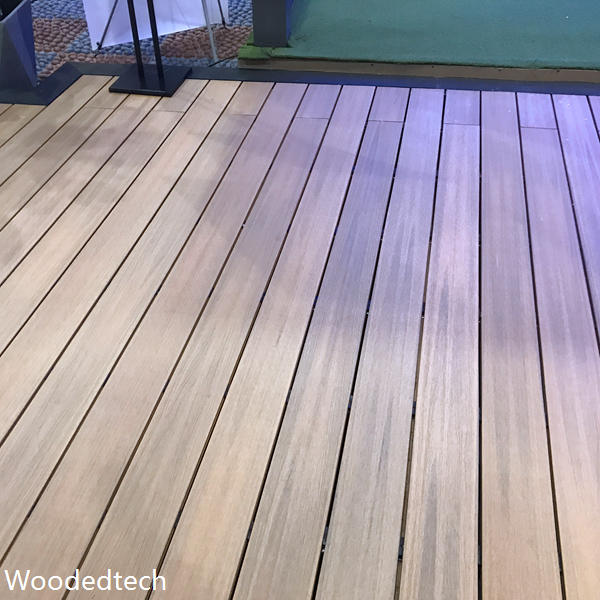
One essential aspect of working with canopy composite timber plastic is understanding thermal movement. As temperatures fluctuate, materials expand and contract, which can lead to complications during installation if not properly considered. WPC tends to have a lower thermal expansion rate compared to traditional wood, which makes it a stable choice in various climates. However, it is critical to account for this movement during the design and installation phases. Failure to do so can result in warping or other structural issues, compromising the integrity of the installation.

To mitigate the effects of thermal movement, proper spacing and alignment during installation are paramount. Allowing for expansion joints and ensuring that the material is not overly constrained will help maintain the structural integrity of the installation while accommodating natural thermal variations.

Low-Maintenance Advantages of WPC

Another compelling feature of WPC is its low-maintenance nature. Traditional wood often requires regular treatments, such as staining, sealing, or painting, to protect it from decay and the elements. In contrast, canopy composite timber plastic is designed to be stain-resistant and does not require such frequent upkeep. This reduction in maintenance not only saves time and money for property owners but also aligns with environmentally friendly practices by decreasing the need for chemical treatments and preservatives.

The low-maintenance aspect extends the lifecycle of the material, meaning fewer resources are expended on upkeep and replacements. This quality makes WPC an attractive choice for both residential and commercial outdoor applications, from decking to fencing and outdoor furniture.

WPC产品的耐用性与持久性

Durability is a cornerstone attribute of canopy composite timber plastic that further solidifies its reputation as a sustainable building material. WPC is resistant to common issues such as moisture damage, insect infestation, and fading from UV exposure. This resilience means that products made from WPC can last significantly longer than their wooden counterparts, providing excellent value over time.

Moreover, the environmental impact of disposal is considerably lessened with WPC. At the end of their lifecycle, WPC materials can often be recycled, reducing landfill waste. This capacity for recycling, combined with their long lifespan, makes WPC an environmentally sound choice for construction and landscaping projects.

WPC in Landscape Architecture

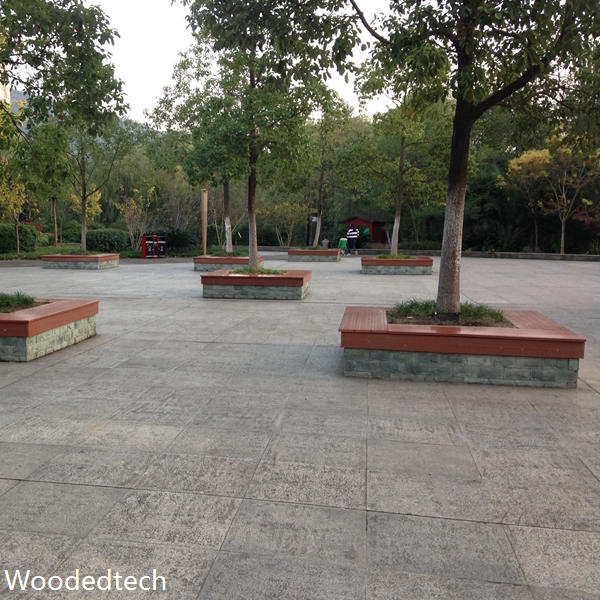
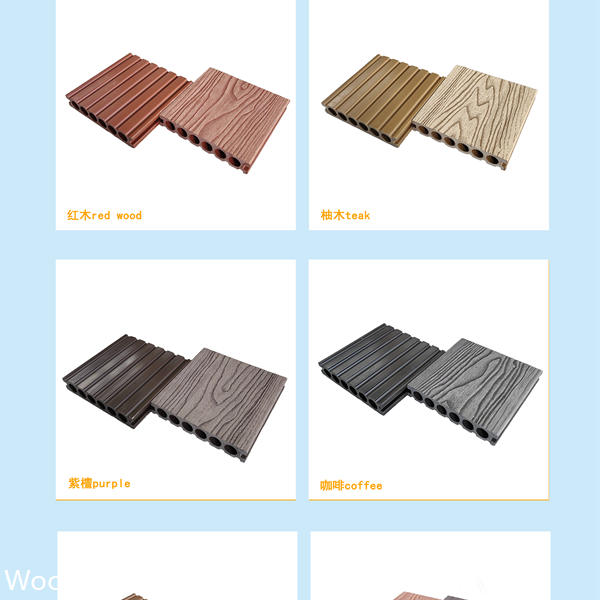
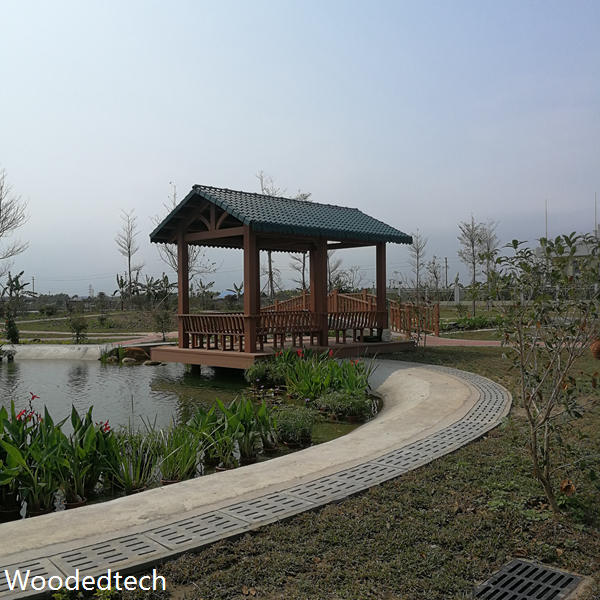
In landscape architecture, the application of canopy composite timber plastic is particularly noteworthy. It offers designers a versatile material that can be shaped and coloured to meet diverse aesthetic requirements while still adhering to sustainable practices. Whether crafting garden paths, pergolas, or outdoor furniture, WPC allows for creativity without compromising environmental integrity.

Landscape architects can take advantage of the material’s properties to create stunning outdoor environments that not only look appealing but are also built to last. The selection of WPC aligns with contemporary trends prioritising sustainability, proving that high-quality design can coexist with responsible material choices.

类似文章