将遮阳结构塑料木材与钢材进行比较:什么最适合你?
The Rise of Shade Structures
Outdoor spaces have become integral to both residential and commercial properties, enhancing aesthetics while providing functional areas for relaxation and socialising. Among the various outdoor structures, shade solutions are particularly sought after, offering protection from the elements and adding value to outdoor spaces. When considering options for constructing these structures, two primary materials come into play: plastic timber and steel. Each comes with its own set of benefits and challenges, making the choice dependent on various factors.
Understanding Plastic Timber
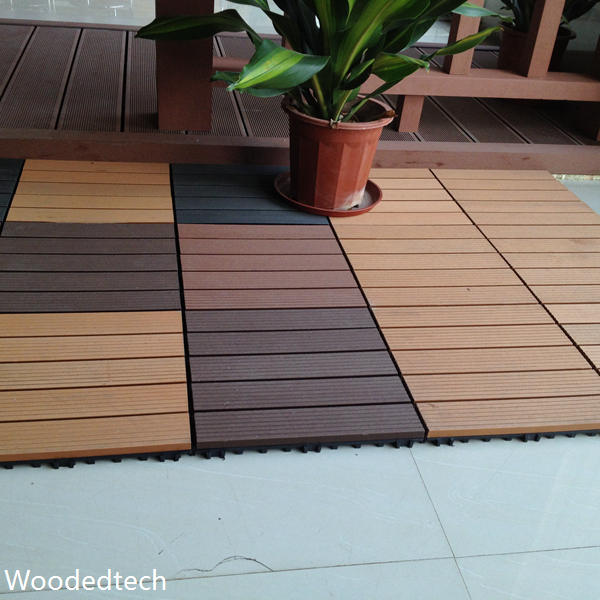
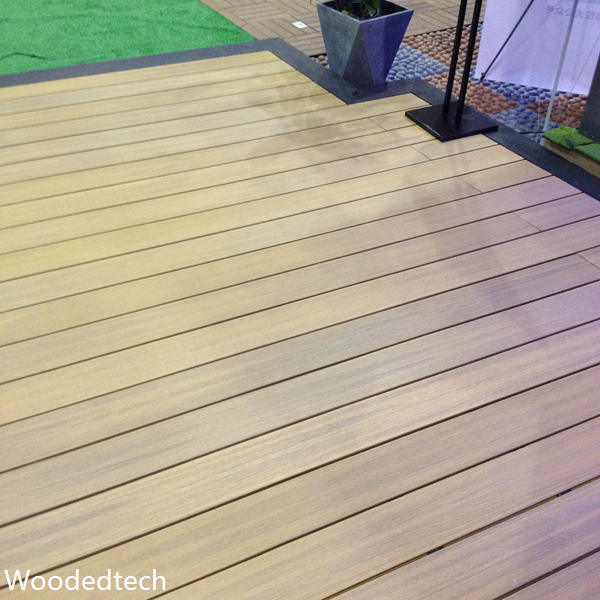
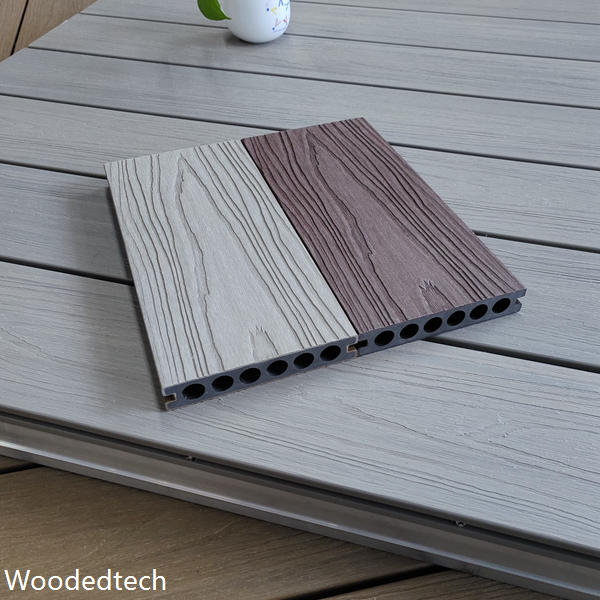
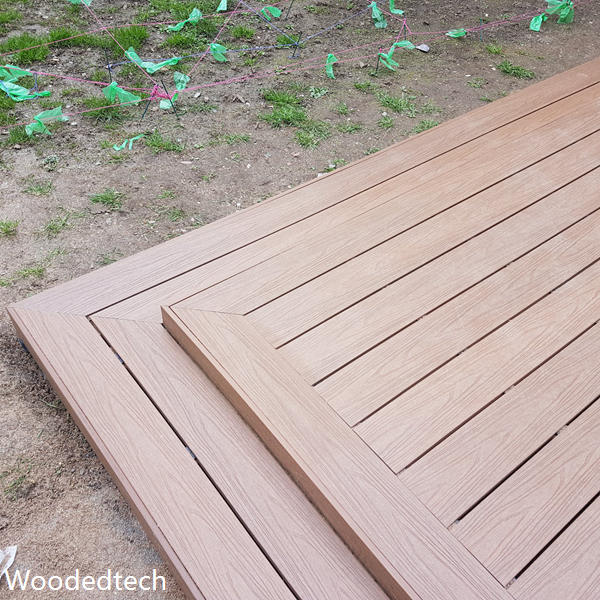
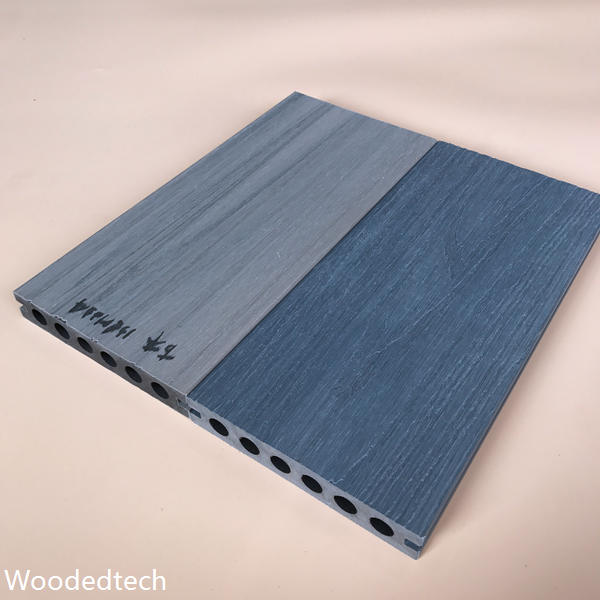
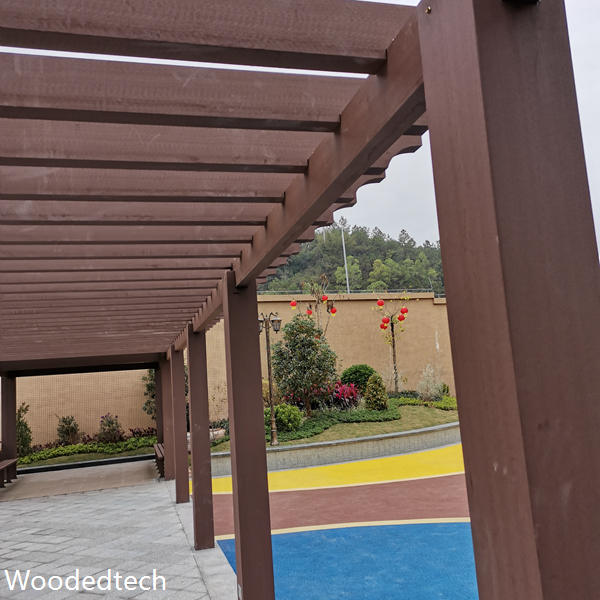
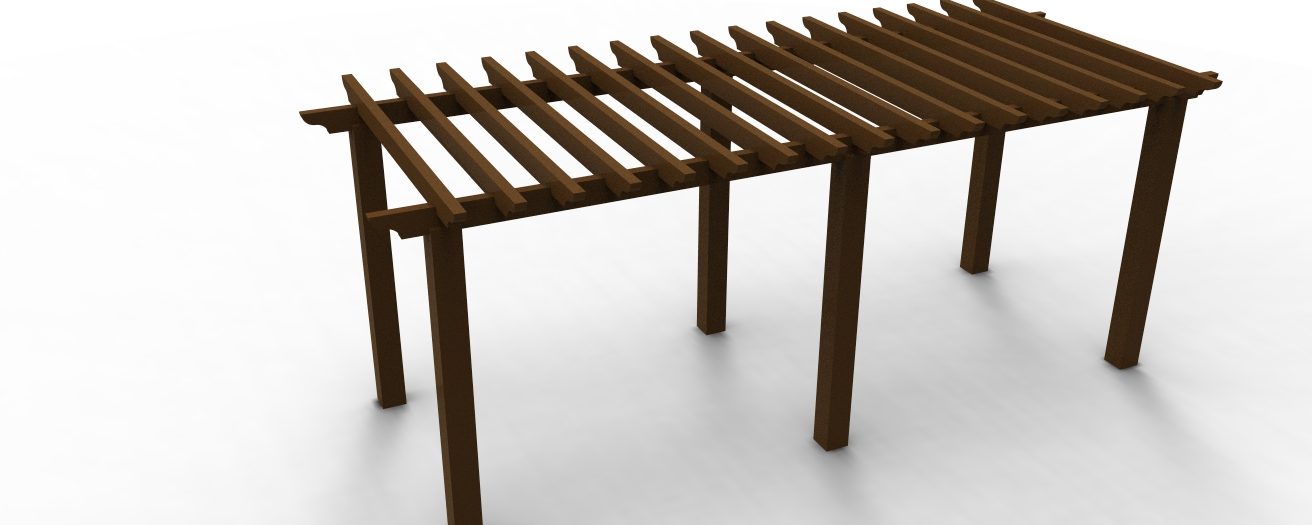
Shade structure plastic timber, often made from wood plastic composite (WPC), has gained popularity due to its environmentally friendly composition and low maintenance requirements. This material combines recycled wood fibres and plastic, resulting in a durable product that withstands weather conditions without the susceptibility to rot or insects that traditional wood faces. For international buyers sourcing WPC structures from China, this represents an appealing option, allowing them to provide clients with sustainable yet aesthetically pleasing solutions.
Benefits of Steel Structures
On the other hand, steel has long been a staple in construction due to its strength and longevity. Shade structures made from steel can support larger spans and resist heavy winds, making them ideal for commercial applications or areas prone to severe weather. Additionally, the sleek, modern appearance of steel can complement contemporary architecture, appealing to a different market segment. However, while steel offers excellent structural integrity, it requires regular maintenance to prevent rust and corrosion, particularly in coastal areas.

Installation Considerations
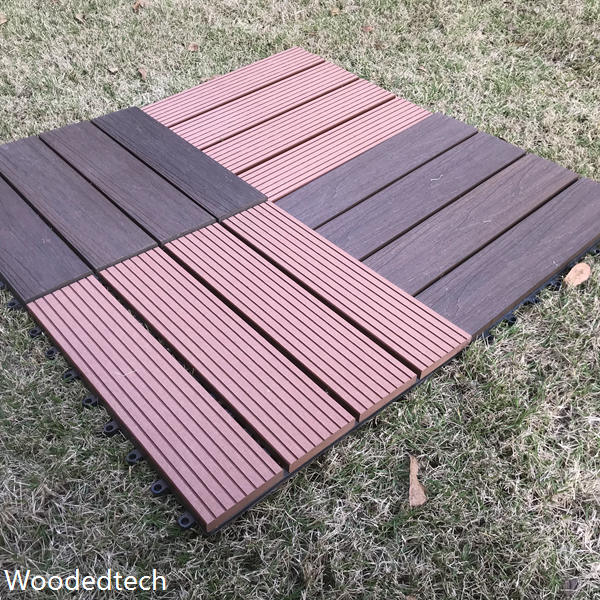
When it comes to installation, both materials present unique challenges. Modular systems designed for shade structure plastic timber allow for quick assembly and disassembly, making them perfect for temporary or seasonal installations. This flexibility can be particularly advantageous for international buyers who need to adapt to different market demands. In contrast, steel structures often require more specialised skills for installation, which can extend project timelines and increase labour costs.
Cost Analysis
Cost considerations are always at the forefront of decision-making for buyers. Generally, shade structure plastic timber tends to be more cost-effective due to lower material costs and reduced maintenance expenses over time. While the initial investment for steel may be higher, its durability can make it a more economical choice in the long run, especially in high-traffic or high-stress environments. Understanding the total cost of ownership, including installation and maintenance, is crucial for making an informed choice.

Making the Right Choice
Ultimately, the decision between shade structure plastic timber and steel depends on specific project requirements. Buyers must evaluate factors such as the intended use of the structure, local climate conditions, aesthetic preferences, and budget constraints. With the growing trend towards sustainability, many buyers are leaning towards WPC options for their eco-friendly footprint. However, for those prioritising strength and longevity, steel may still hold the upper hand. Therefore, international buyers need to partner with reliable manufacturers like those found in China, ensuring they receive products that meet their unique specifications and quality expectations.