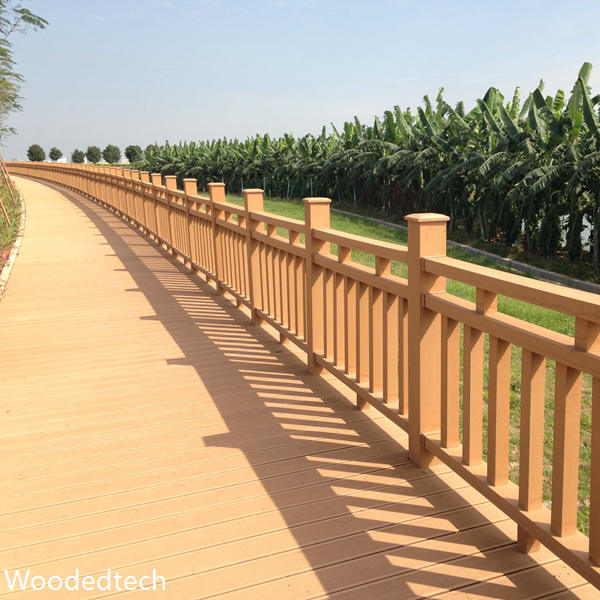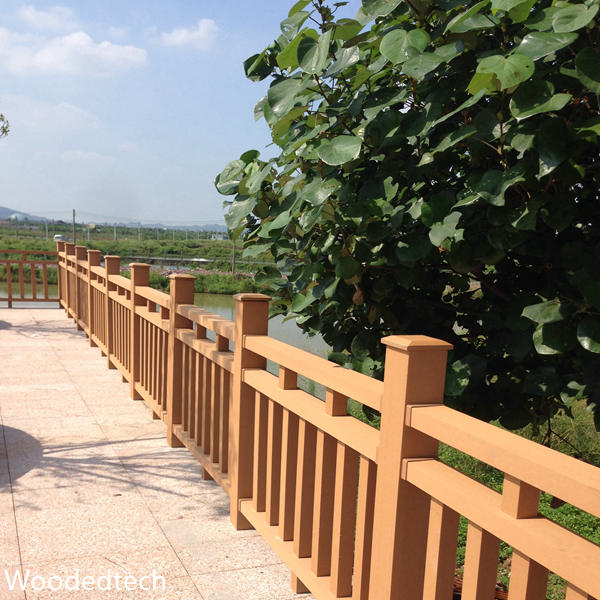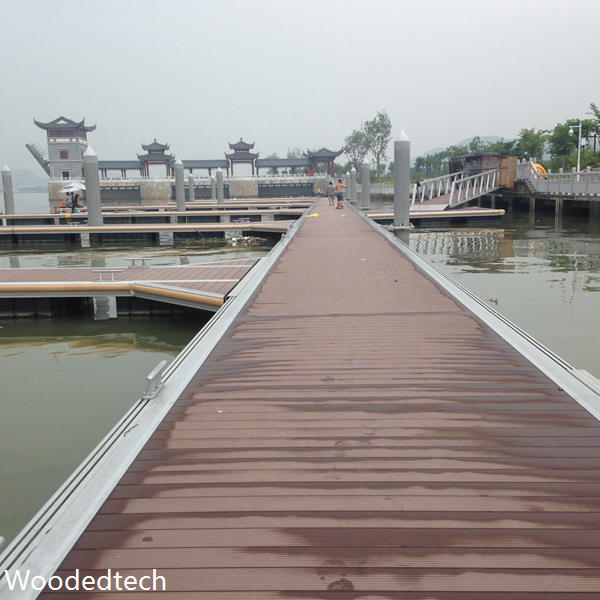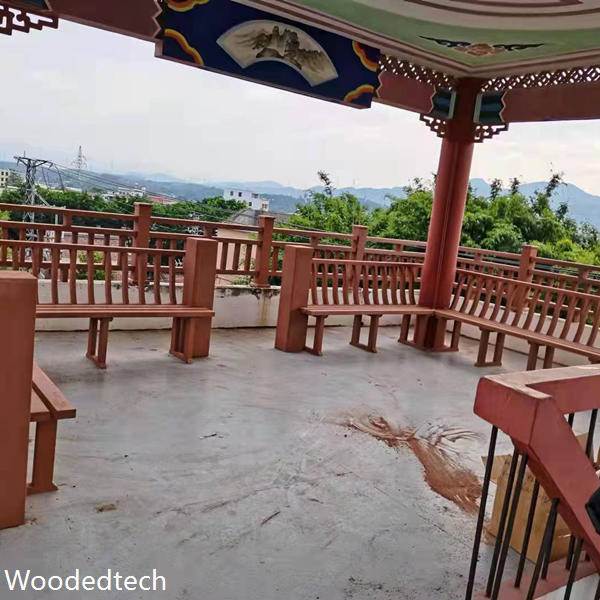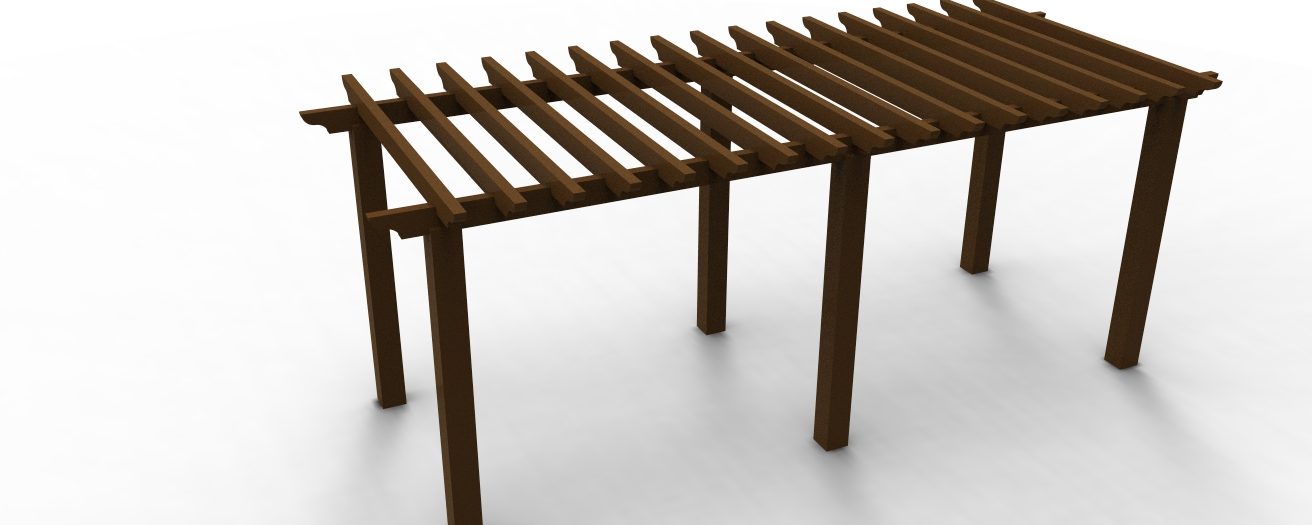
适用于使用耐用WPC材料的木质聚合物滑道
Understanding Wood Polymer Composites
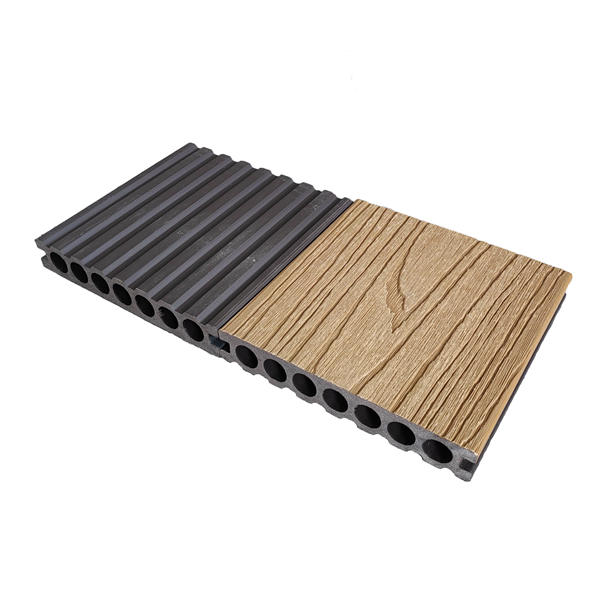
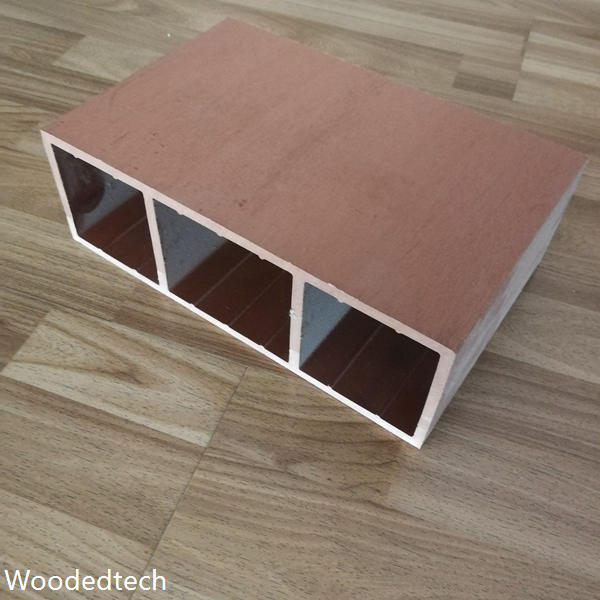
Wood polymer composites (WPC) represent an innovative fusion of traditional wood fibres and advanced polymer materials. This combination results in a product that not only retains the aesthetic appeal of natural timber but also surpasses it in terms of durability and weather resistance. WPC is increasingly used in various outdoor structures, including decking, fencing, and particularly in the creation of wood polymer lattice for deck skirting. The underlying properties of these materials make them ideal for external applications, where exposure to moisture, sunlight, and fluctuating temperatures can severely compromise the integrity of conventional wood.
Natural timber, while beautiful and appealing, suffers from several intrinsic limitations. It can warp, splinter, and decay when exposed to harsh environmental conditions. On the other hand, WPC boasts a high level of resilience. The polymer component adds a layer of protection, which helps to prevent the absorption of water, thus reducing the risk of rotting and insect infestations. This makes WPC not only a practical choice but also a more sustainable option for long-term outdoor applications.
Weather Resistance of WPC
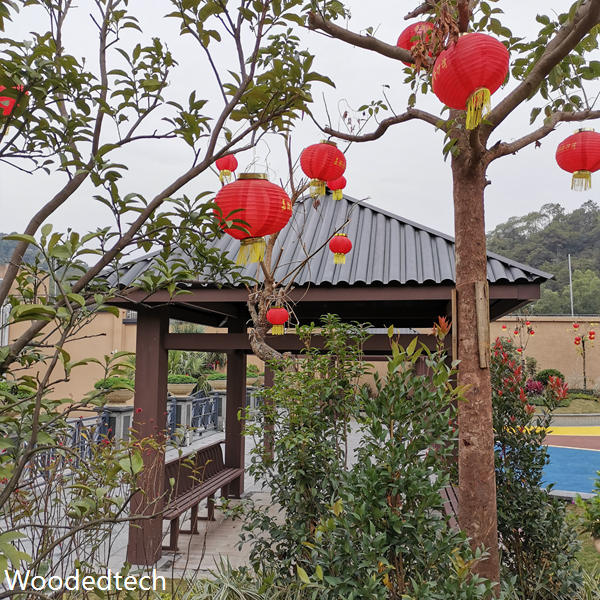
One of the standout features of wood polymer lattice for deck skirting is its exceptional weather resistance. Unlike traditional timber, which can become damaged due to rain, snow, and UV exposure, WPC can withstand various weather conditions without significant degradation. The polymers used in WPC are engineered to be UV resistant, ensuring that colours remain vibrant and surfaces remain intact even after prolonged sun exposure. This advantage is particularly vital for outdoor structures, where aesthetic appeal and structural integrity must be maintained over time.

Moreover, WPC does not expand or contract as dramatically as wood does with changing humidity levels. This stability means that wood polymer lattice installations are less likely to suffer from gaps or misalignment, providing a more uniform appearance and reliable performance. As a result, homeowners and builders can enjoy the beauty of a lattice structure without the cumbersome maintenance often associated with wooden alternatives.
Maintenance Advantages of WPC
Maintenance is a key consideration for any outdoor structure. Traditional wood fences and decks often require regular painting, staining, or sealing to prevent deterioration. This ongoing requirement can be both time-consuming and costly. In contrast, wood polymer composites are designed to be low-maintenance. A simple wash with soap and water is usually sufficient to keep WPC looking fresh and clean.
For those considering wood polymer lattice for deck skirting, this maintenance ease translates into more leisure time rather than manual upkeep. The durability of WPC materials means that property owners can rest assured knowing their skirting will maintain its function and appearance through the seasons, without the need for frequent repairs or replacements. This aspect is especially appealing to businesses and commercial properties, where reducing operational costs and maintenance schedules is a priority.
Environmental Considerations
Environmental sustainability is increasingly becoming a significant factor in material selection. WPC is often produced using recycled wood and plastic materials, making it a more eco-friendly choice compared to virgin timber. By opting for wood polymer lattice for deck skirting, consumers are not only enhancing their outdoor spaces but also contributing to the reduction of waste and the preservation of forests.
The production process for WPC typically involves lower energy consumption compared to traditional wood manufacturing, further lessening its environmental footprint. This consideration is crucial for stakeholders who prioritise sustainable building practices, making WPC an attractive option for modern construction projects focused on environmental stewardship.
Design Flexibility with WPC
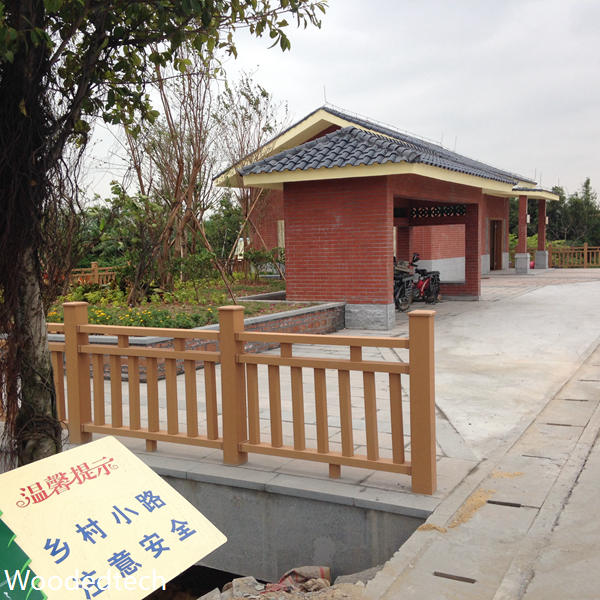
Another compelling reason to choose wood polymer lattice for deck skirting is the design flexibility it offers. WPC can be easily moulded into various shapes and sizes, allowing for creative and customised designs that can perfectly match the aesthetic of any property. Whether a homeowner desires a classic look or a more contemporary style, WPC can be engineered to suit diverse architectural themes.

This adaptability extends beyond aesthetics. The structural capabilities of WPC enable it to be used in various applications, from decorative skirting to functional fencing and beyond. The ability to combine functionality with stylish design makes WPC a favourite among homeowners and architects alike, ensuring that outdoor spaces are not only practical but also visually appealing.
As more property owners seek durable, low-maintenance, and environmentally friendly options for their outdoor projects, wood polymer composites are poised to lead the way. The advantages of WPC, particularly in applications like wood polymer lattice for deck skirting, highlight its potential as a superior alternative to traditional timber. With its impressive weather resistance, minimal maintenance requirements, and design versatility, WPC offers an appealing solution for those looking to enhance their outdoor living spaces while ensuring longevity and sustainability.