Nasıl etkili bir gölgelik plastik kompozit bakım programı oluşturulur
Kanopi Bakımı için Rutin Oluşturma
Etkili bir gölgelik plastik kompozit bakım programı oluşturmak, gölgeliklerin farklı yönlerinin ne sıklıkta denetlenmiş ve sürdürüle başlaması gerektiğini özetle eden bir rutin oluşturmakla başlar.Kompozit malzemenin ömrünü uzatmak ve yapının estetik çekici olmasını sağlamak için düzenli bakım gereklidir.Bu rutin, temizlik, hasar için denetimler ve aşınma ve gözyaşı kontrol gibi görevleri içermelidir.Tipik olarak, iki-yıl veya üç aylık bir program iyi çalışır ve ağır kullanım veya mevsimsel değişikliklerden sonra kapsamlı kontrollere izin verir.
Denetim aşamasında, kompozitin eklemler ve bağlantılar gibi daha fazla strese maruz tutulabileceği alanlara dikkat edilmelidir.Nem birikimi veya yüzey bozulması belirtileri, daha fazla bozulmayı önlemek için derhal belgelenmiş ve ele alınmalıdır.Her bir bakım oturumunun kontrol listesi de dahil olmak üzere, denetimlerin verimliliğini artırabilir ve kritik adımların göz ardı edile alınmaması için garanti edilebilir.
Kompozit Kanopileri için Temizlik Proses
Temizlik, gölgelik plastik kompozit bakım programının hayati bir yönüdür.Enkaz, kir ve organik madde yüzeyde birikir, renklendirmeye neden olabilir ve potansiyel olarak küf büyümesine yol açabilir.Kompozit malzemeler için uygun bir temizlik maddesi seçilmelidir ve yüzeye zarar verebilecek sert kimyasallardan arınmasını sağlar.Tipik olarak, ılık su ile birleştirilmiş nazik bir sabun çözeltisi etkili bir temizleme çözümüdür.
Yumuşak bir fırça veya bez kullanarak, tüm kirleticileri çıkarmak için gölgelik iyice temizlenmelidir.Bu temizleme işlemi, birkaç ayda bir bakım programına dahil edilmeli veya daha sık yoğun kirliliğe veya ağaçlarla çevrili alanlarda yer almaktadır.Bu proaktif yaklaşım sadece gölgeliğin görünümünü korumakla kalmaz, aynı zamanda malzemenin bütünlüğünü de korur.
Hasar ve Aşit için Denetim
Bakım programının önemli bir kısmı, plastik kompozitte herhangi bir hasar veya aşınma için kapsamlı bir incelemedir.Aşırı hava koşulları, ağır yükler ve UV maruziyeti gibi faktörler, malzemelerin bozulmamasına katkıda bulunabilir.Düzenli denetimler çatlakları, çipleri veya herhangi bir yapısal arıza belirtisini belirlemeye odaklanmalıdır.Bu tür değerlendirmeler belgelenmelidir ve daha fazla hasarın önlenmesi için gerekli onarımlar derhal gerçekleştirilmelidir.
Nitelikli profesyonellerle, özellikle hasarın kapsamlı olması veya gerekli onarımlarla ilgili belirsizlik varsa, bunlarla etkileşime girmesi önerilir.Uzmanlıkları, gölgeliğin yapısal bütünlüğünün korunmasına önemli ölçüde yardımcı olabilir, böylece ömrünü ve işlevselliğini genişletebilir.
Destekleme Yapılarının Bakımı
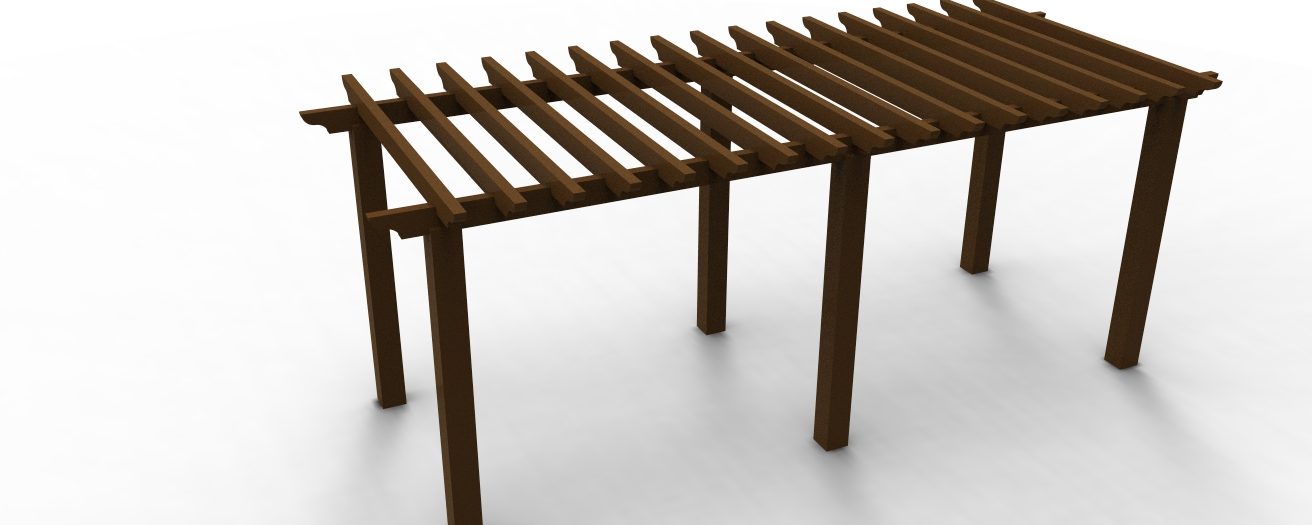
Kompozit malzemenin kendisine ek olarak, gölgelilerin destekleyici yapılarını korumak esastır.Bu, çerçevenin stabilitesinin kontrol edilmesini ve tüm cıvataların ve bağlantı parçalarının güvenli olmasını sağlamayı içerir.Herhangi bir paslama veya korozyon, özellikle metal bileşenlerde derhal ele alınmalıdır, ancak bu kontrol edilmezse önemli güvenlik sorunlarına yol açabilir.
Tüm çerçevenin görsel bir incelemesinin bakım programına dahil edilmesi, potansiyel sorunların erken tespit edilmesine yardımcı olabilir.Ek olarak, gölgeliklerin doğru şekilde demirlenmesini sağlamak, rüzgar veya diğer çevresel faktörlerle ilgili sorunları önleyebilir.Bakıma bu bütünsel yaklaşım, gölgelik destek sisteminin her yönünün etkili bir şekilde çalışmasını sağlar.
Onarım ve Yükseltmeler Planlama
gölgeli plastik kompozit bakım programının bir parçası olarak, rutin onarımlar ve potansiyel yükseltmeler için planlama önemlidir.Kompozit malzemeler gelişebilir ve yeni teknoloji gelişmiş dayanıklılık veya estetik iyileştirmeler sunabilir.Bakım programının düzenli incelemeleri, yükseltmelerin gerekli olup olmayacağına ilişkin değerlendirmeleri içermelidir.
Onarımlar ve yükseltmeler için özel bir bütçeye sahip olmak, gölgeliğin uzun ömürlülüğünü ve performansını artıran zamanında müdahaleleri kolaylaştırabilir.Bu ileri görüşlü yaklaşım sadece gölgeliğin işlevini korumakla kalmaz, aynı zamanda genel çekiciliğini artırır ve modern standartları ve alıcı beklentilerini karşıladığından emin.