Daha iyi hava direnci için WPC gölge bakımı nasıl yapılır
WPC Kanopi Bakımına Genel Bakış
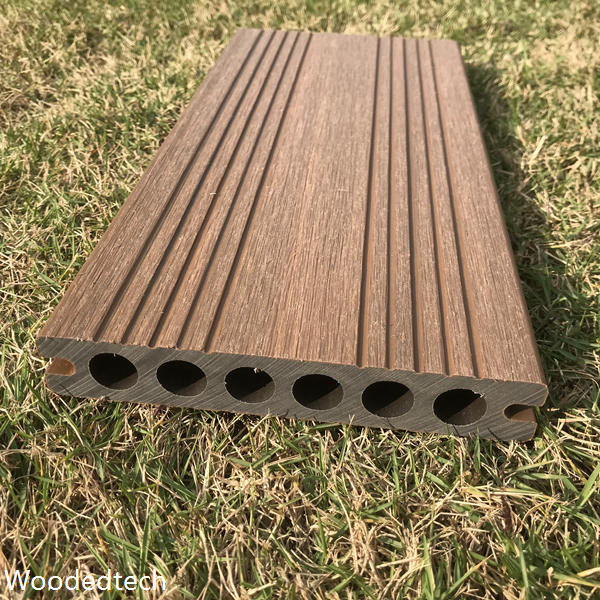
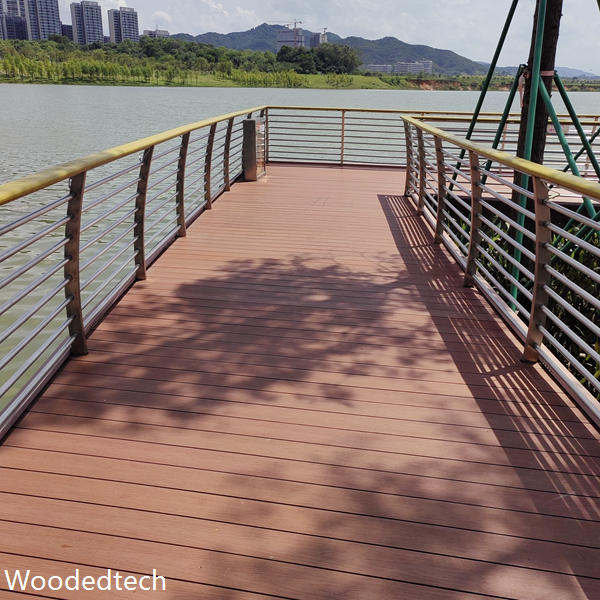
Bir WPC gölgeliğini korumak, uzun ömürlülüğünü sağlamak ve çeşitli hava koşullarına karşı direnci artırmak için gereklidir.WPC veya ahşap-plastik kompozit, dayanıklılığı ve düşük bakım ihtiyaçları ile ünlüdür, ancak yine de zaman içinde en iyi performans göstermeyi düzenli denetimler ve bakım gerektirir.UV maruziyeti, nem ve sıcaklık dalgalanmaları gibi faktörler malzemenin bütünlüğünü etkileyebilir.Yapılandırılmış bir bakım planını hayata adamak sadece esttiğini korumakla kalmaz, aynı zamanda işlevsel ömrünü de uzatın.
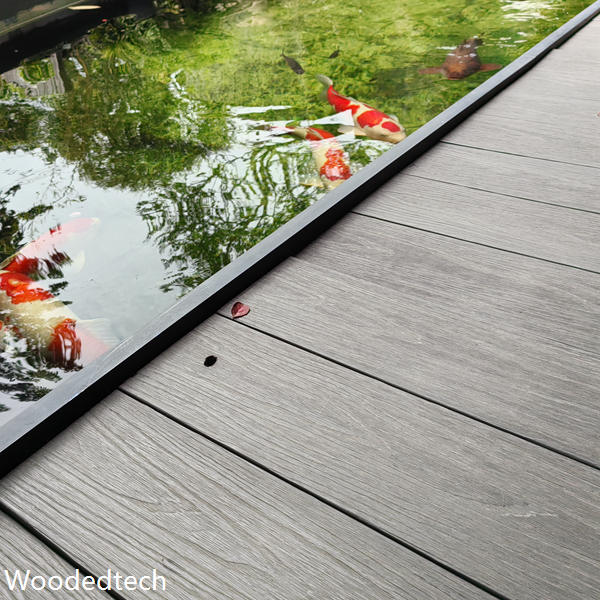
Düzenli temizlik, WPC gölgelik bakımının temel bir yönüdür.Bu, zamanla biriken enkas, kir ve organik malzemelerin çıkarılması içerir.Nazik bir sabun çözeltisi ve su kullanarak, hasara neden olmadan yüzeyi etkili bir şekilde temizleyebilir.İnatlı lekeler veya hafifek için, yumuşak bir fırça veya yüksek basınçlı bir yıkacık kullanılabilir ve bu da yüzeyin çizilmemesi için ayarların uygun olmasını sağlar.Ek olarak, birkaç yılda bir koruyucu bir sızdırmazlık maddesi uygulamak, hava direncinin iyileştirilmesi ve su sızması önlemesi için.
Uluslararası Satınlama Süreci
Açık hava WPC ürünleri için uluslararası satın alma süreci, dikkatli bir koordinasyon ve iletişim gerektiren birkaç önemli adımı içerir.Başlangıçta, potansiyel alıcılar tedarikçilerden, boyutlar, renkler ve miktarlar gibi özel gereksinimlerini detaylandıran bir teklif isteyecekler.Bu alıntı aşaması, fiyatlandırma, kurşun süreleri ve ödeme koşulları konusunda karşılıklı anlayış temeli belirlediği için çok önemlidir.Ayrıntılar üzerinde anlaşmaya varıladıktan sonra, tedarikçi genellikle ilgili maliyetleri özetleyerek bir proforma fatura hazırlar.
Teklifi tamamladıktan sonra, bir sonraki adım örnek onaydır.Bu, ürünün alıcının beklentilerini kalite ve spesifikasyon açısından karşılamasını sağlamak için kritik öneme tabidir.İyi hazırlanmış bir örnek, daha sonra iletişimsizlikleri ve potansiyel anlaşmazlıkları önleyebilir.Numuneler onaylandıktan sonra, satın alma siparişi onaylanır ve paketleme ve sevkiyat için hazırlık için yol açar.
Ambalaj ve Konteyner Yükleme
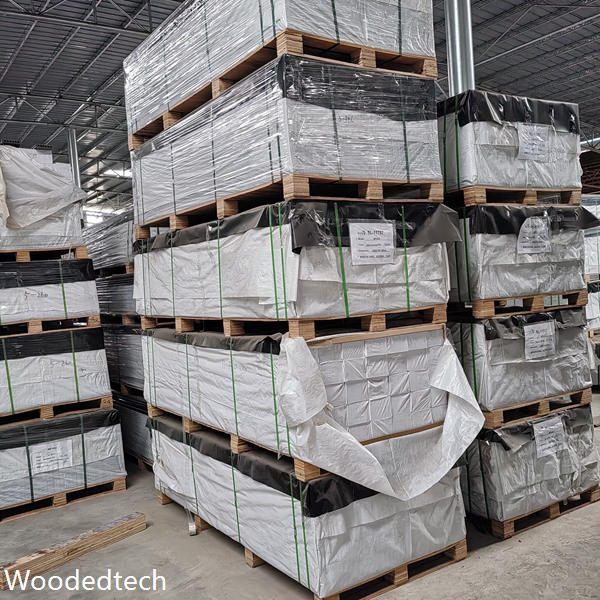
Transit sırasında WPC ürünlerini korumak için uygun ambalajlar gereklidir.Maddelerin nemden ve fiziksel etkiden kaynaklanan hasarı önlemek için güvenli bir şekilde paketlenmesi çok önemlidir.Kullanılan ambalaj malzemelerinin uluslararası nakliye için uygun olmasını ve yönetmeliklere uygun olmasını sağlamak için özel özen kullanılmalıdır.Paketlendiğinde, ürünler genellikle alanı en üst düzeyen ve taşıma sırasında kaymayı önleyecek bir yöntem kullanan bir yöntem kullanılarak kaplara yüklenir.
Konteyner yüklemesi verimli bir şekilde gerçekleştirilmeli, ağırlık dağılımının dengelenmesini ve tüm öğelerin yeterince güvence altına alanmasını sağlamak için yapılmalıdır.Bu sadece ürünleri korumakla kalmaz, aynı zamanda nakliye düzenlemelerine de uyum sağlar.Ambalaj listeleri ve ağırlık sertifikaları gibi yüklü konteynere eşlik eden belgeler, gümrükte sorunlardan kaçınmak için titizlikle hazırlanmalıdır.
Nakliye Belgeleri ve Uyum
Nakliye belgeleri, WPC ürünlerinin uluslararası ticaretinde hayati bir rol oynamaktadır.Temel evraklar tipik olarak delikanlama, ticari fatura, paketleme listesi ve menşe sertifikaları içerir.Her belge belirli bir amaca hizmet eder ve sorunsuz bir gümrük temizleme sürecini kolaylaştırmak için doğru bir şekilde tamamlanmalıdır.Tüm belgelerin düzene girmesini sağlamak gecikmeleri ve ek maliyetleri önleyebilir.
Uluslararası nakliye yönetmelikleri ile uyumlu olmak da aynı derecede önemlidir.Farklı ülkelerin değişen ithalat gereksinimleri var ve bunlar hakkında bilgili kalmak başarılı işlemler için çok önemlidir.Bu sadece tarifeleri ve vergileri değil, aynı zamanda inşaat malzemeleri için güvenlik standartlarını da içerir.Bu düzenlemelere bağlı olarak, tedarikçiler denizaşırı distribütörlerle zamanında teslimat ve olumlu ilişkiler sağlayabilir.
Yurtdışı Distribütörlerle İşbirliği
Ürünler gönderildikten ve alındıktan sonra, denizaşırı distribütörlerle iyi bir ilişki sürdürmek, pazardaki başarının devam etmesi için anahtardır.Envanter seviyeleri, ürün performansı ve müşterilerden gelen geri bildirimlerle ilgili net iletişim, gelecekteki tekliflerin uyarlanın uyarlana yardımcı olabilir.Ortaya çıkan herhangi bir sorunu ele almak için proaktif bir yaklaşım güven ve işbirliğini teşvik edebilir.
Ek olarak, WPC gölge bakımında distribütörler için eğitim ve destek sağlamak müşteri memnuniyetini artırabilir.Onları son kullanıcıya yardımcı olmak için gereken bilgi ve araçlarla donatarak, tedarikçiler ürünlerinin en yüksek durumda kalmasını sağlayabilir ve böylece markanın uluslararası pazarda kalite ve güvenilirlik konusundaki itibarlarını güçlendirebilir.