Bahçe Uygulamaları için Kompozit Plastik Espalier Bitki Kanca Sistemi
WPC'nin Dış Mekan Uygulamalarında Avantajları
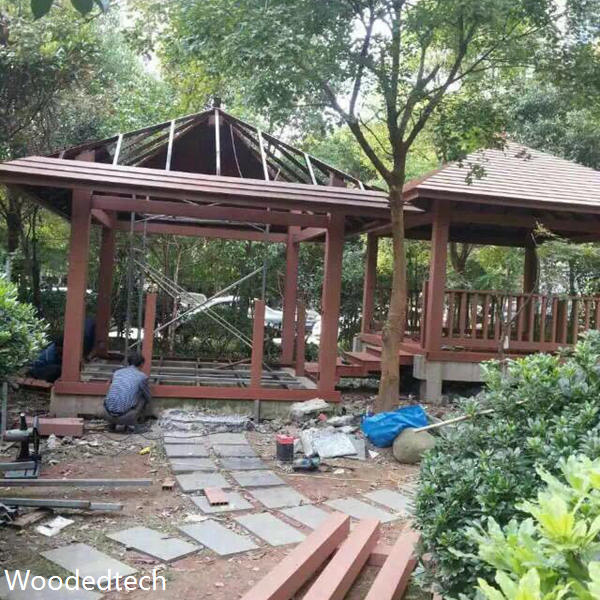
Dış mekan yapıları için malzeme seçerken dayanıklılık ve hava direnci çok önemlidir.Ahşap plastik kompozit veya WPC, geleneksel keresteye kıyasla üstün bir seçim olarak ortaya çıkar.WPC, ahşap ve plastiğin en iyi özelliklerini birleştirerek, doğal akabın estetik çekiciliklerini korurken zorlu çevre koşullarına dayanan bir çözüm sunar.Nem, çürük ve zararlılara karşı direnci, pergolas, eskrim ve döşeme gibi yapıların ömrünü önemli ölçüde uzat.
Zamanla çözebilen, çatlayabilir veya parçalamaabilen doğal ahırın aksine, WPC sabit kalır ve yapısal bütünlüğünü korur.Bu, özellikle değişen iklimlere maruz kalan dış mekan uygulamaları için faydalıdır.WPC'nin uzun ömürlü doğası, daha az yedek ve onarım anlamına gelir, bu da onu ev sahipleri ve bahçe meraklıları için uygun maliyetli bir çözüm haline getirir.
Kompozit Plastik Espalier Bitki Kanca Sistemi
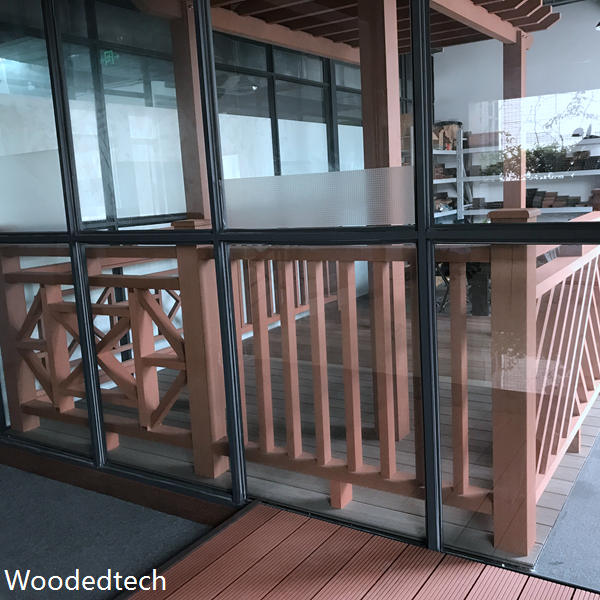
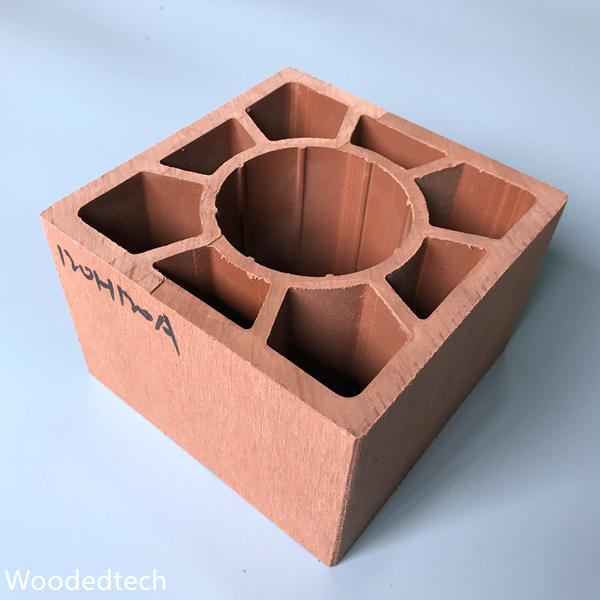
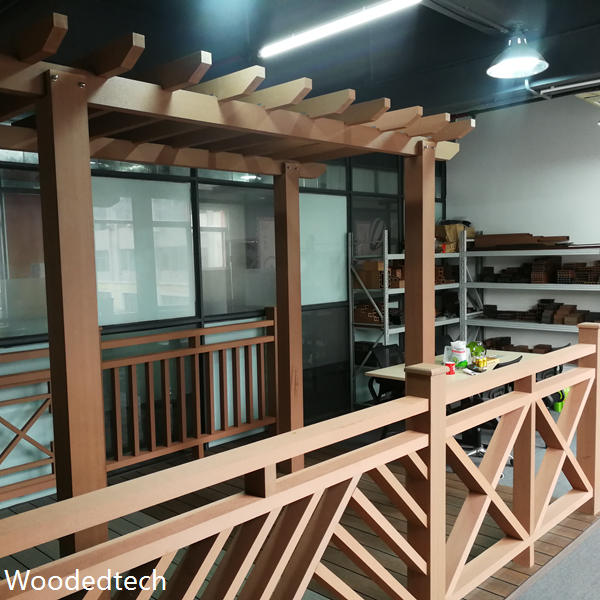
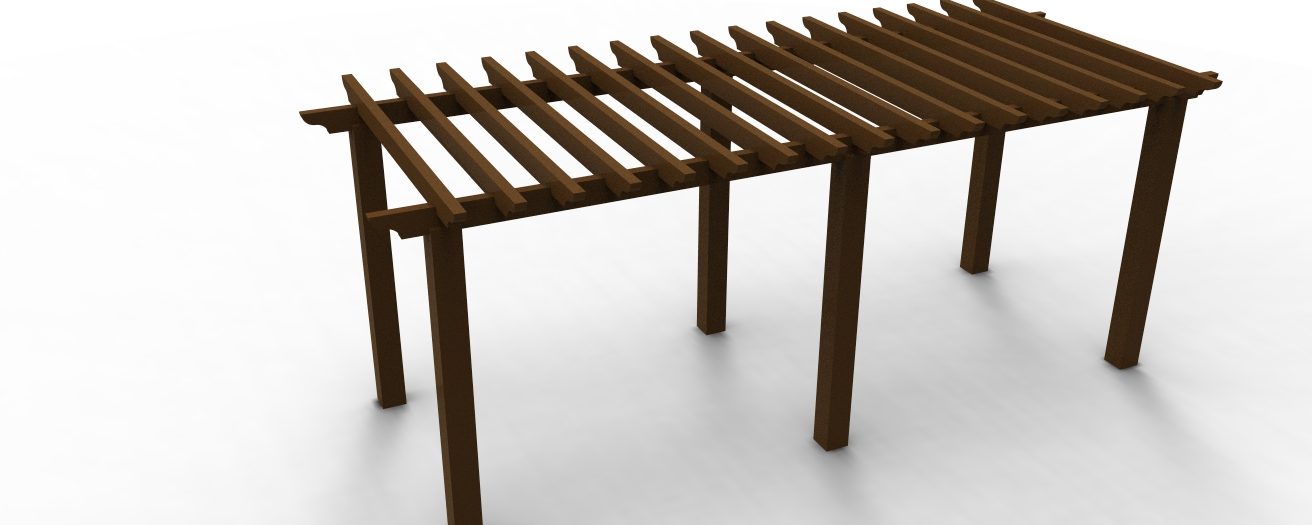
Kompozit bir plastik espalier bitki kanca sisteminin bahçe tasarımına entegrasyonu sadece görsel çekiciyi arttırmakla kalmaz, aynı zamanda alanı da optimize ediyor.Bu yenilikçi sistem, bahçıvanların tırmanma bitkilerini duvarlara veya tilliselere karşı eğitmelerini sağlayarak çarpıcı bir dikey bahçe oluşturmalarını sağlar.Bu sistemler için WPC’yi kullanarak, bireyler malzemenin dayanıklılığı ve düşük bakım gereksinimlerinden yararlanabilirler.Geleneksel ağa farklı olarak, kompozit malzeme nezele veya aşırı hava koşullarına maruz kaldıklarında bozulmayacaktır.
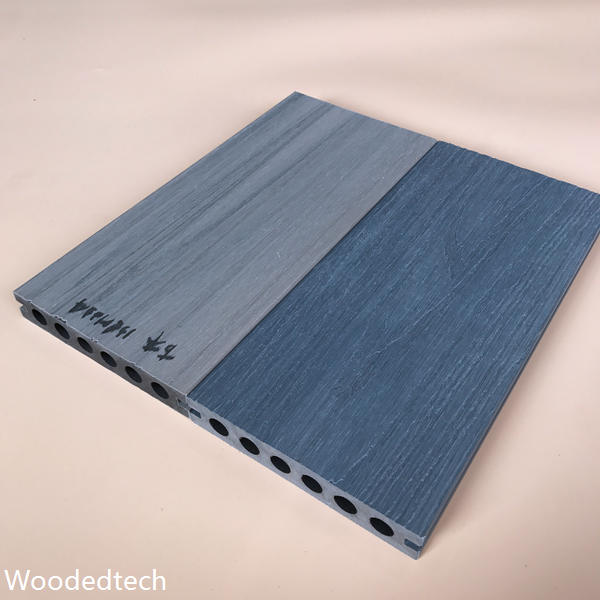
Ayrıca, kompozit bir plastik espaliier bitki kanca sistemi, bahçedeki pergolalar ve eskrim gibi diğer WPC yapılarıyla sorunsuz bir şekilde uyum sağlayacak şekilde tasarlanabilir.Bu, dış mekanların genel çekiciliğini artıran uyumlu bir estetik yaratır.WPC'nin çok yönlülüğü, çeşitli peyele stillerine hitap eden çeşitli tasarımlara ve renklere izin verir.
Hava Direnişi: Önemli Bir Fayda
WPC'nin göze çarpan özelliklerinden biri, dikkat çekici hava direncidir.Doğal ahşap, görünüşünü ve işlevselliğini korumak için genellikle düzenli tedavi ve bakım gerektiren elementlere duyarlıdır.Buna karşılık, WPC, solmaya, lekelenmeye ve kalıp büyümesine direnmek için tasarlanmıştır ve bahçe yapılarının zaman içinde cazibelerini korumasını sağlar.Bu, geleneksel kerestenin boğulabileceği şiddetli hava koşulları yaşayan bölgeler için özellikle avantajlıdır.
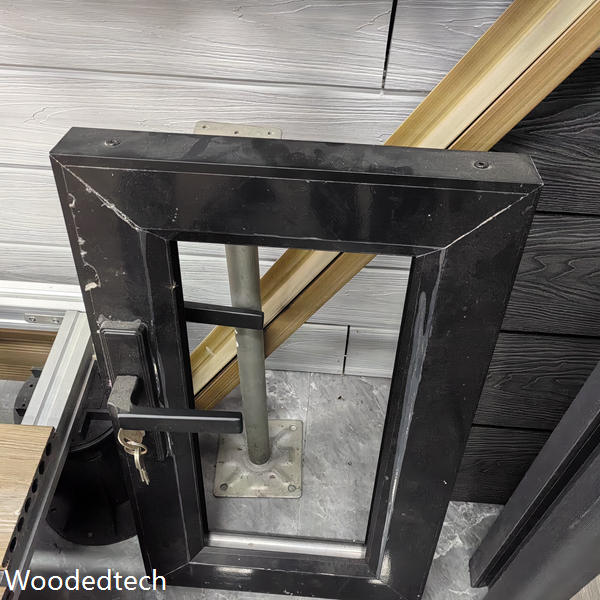
WPC'nin gözeneksiz doğası, neme ve yağmura dayanma kabiliyetine katkıda bulunur ve bu da onu dış mekan kullanımı için ideal bir malzeme haline getirir.Kompozit malzeme, ahşap yapılarda yaygın bir sorun olan çürüme ve çürüme riskini hafifleteni yapan suyu emmeyecektir.Bu nedenle, kompozit bir plastik espalier bitki kanca sistemini seçmek, bahçecilik çabalarınızın esnek bir çerçeve ile desteklenmesini sağlar.
Düşük Bakım: Bahçenizin Tanının Talinını
Dış mekan yapıları için WPC'yi seçmek için bir başka zorlayıcı neden, sunduğu düşük bakımdır.Bahçıvanlar genellikle kendilerini geleneksel kerestenin taleplerine olan bakımdan bunalmış bulurlar.Lekeleme ve sızdırmazlıktan çürümeye kadar, bakım bakım bahçeciliğin keyfinin çekilmesinden uzaklaşabilir.WPC ile bu tür bakım ihtiyacı önemli ölçüde azalır.
Kompozit plastik espaliier bitki kancası sistemini temizlemek basittir.Sabun ve su ile basit bir yıkama genellikle görünümünü korumak için yeterlidir.Bu bakım kolaylığı, bahçe meraklılarının yapılarından ziyade bitkilerine daha fazla odaklanmalarını sağlayarak keyifli ve stressi bir bahçecilik deneyimi yaratır.
WPC'nin Uzun ömürlülüğü ve sürdürülebilirliği
WPC dış mekan yapılarının uzun ömürlülüğü onları çevre dostu bir seçim yapar.Doğal ayakları aşan bir ömürle, değiştirmeler ve onarımlar için daha az kaynama gereklidir.Ayrıca, WPC geri dönüştürülmüş malzemelerden yapılır, atıkların azaltılmasına katkıda bulunur ve bahçecilik ve peynirde sürdürülebilir uygulamaları teşvik etmektedir.
Kompozit plastik espaliyan bitki kancası sistemini seçmek sadece güzel bir bahçeyi desteklemekle kalmaz, aynı zamanda eko-bilinçli değerlerle de uyumludur.WPC ürünlerine yatırım yaparak, bireyler çevreye fayda sağlayacak sorumlu seçimler yaparken dış mekanlarının güzelliğinin tadını çıkarabilirler.