Композитное Настилочение Для Стен Требует Точечного Смесения И Экструзионного Контроля
Correct Installation Starts With Accurate Wall Preparation
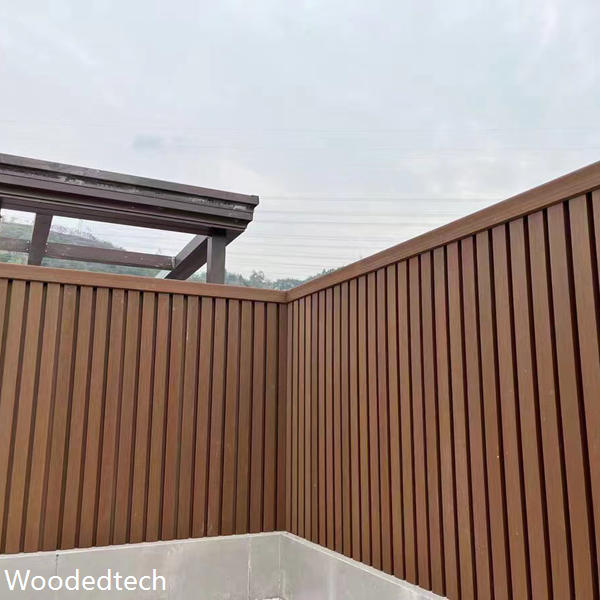
Customer complaints about composite decking for walls often begin on site rather than at the factory. Uneven masonry, damp backgrounds, incorrect fixing centres and missing ventilation can make a sound WPC board appear defective. Before installation, the wall should be checked for flatness, moisture and structural stability. A level subframe made from suitable treated timber or aluminium should create a consistent fixing plane, while drainage and airflow behind the boards must remain open. Fixing directly onto a wet or irregular wall commonly causes movement, staining and localised distortion.
Installation teams should follow the specified gap between boards, allow clearance at corners and keep fixings away from the board edge. Hidden clips must be fully seated, and screws should be tightened firmly without crushing the profile. End joints require particular care because boards can expand along their length. If a customer reports open joints, buckling or rattling, record the installation temperature, board length, joist spacing and fixing method before recommending replacement materials. Many apparent product failures are installation errors that can be corrected by rebuilding the support frame.
Colour Differences Need Batch and Exposure Checks
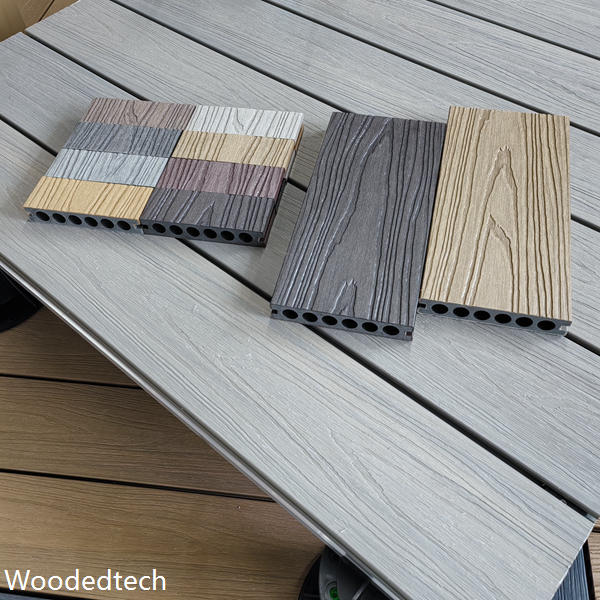
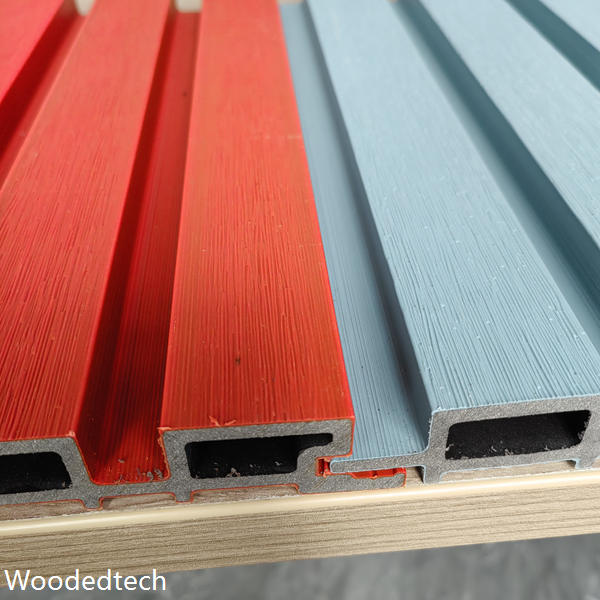
WPC colour variation can result from normal production tolerance, different manufacturing batches or uneven exposure after installation. Wood fibre, pigment and polymer must be mixed within controlled limits. Poor dispersion, inconsistent moisture in the fibre or unstable extrusion temperature may produce streaks, shade changes or gloss variation across the same order. Quality records should therefore include the raw material batch, pigment dosage, moisture readings, die temperature and cooling conditions.
For an after-sales investigation, ask the customer to send photographs taken in neutral daylight and identify the board positions. Boards installed on different elevations may weather at different rates because of sunlight, rain and surrounding cover. A replacement board from a later batch may not match an older board even when the product code is identical. Advise installers to mix boards from several packs during fitting, rather than completing one wall from a single carton. This distributes small shade differences and produces a more natural appearance.
Expansion Problems Point To Design or Processing Controls
Composite profiles respond to temperature changes, although their movement is lower than that of many solid timber products. Insufficient expansion gaps, excessive board lengths and fixed points at both ends can force the profile to bow or push against adjacent components. Wall cladding is especially sensitive where dark colours absorb strong sunlight. Installation guidance should state the gap required for the local temperature range, board length and fixing system, not provide a single figure without context.
Factory control also affects dimensional stability. A stable formula requires consistent polymer content, fibre loading, lubricant dosage and moisture level. During extrusion, melt pressure, screw speed, die temperature and calibration vacuum must remain within approved limits. Poor cooling can leave residual stress inside the board, which later appears as twisting or shrinkage. When investigating expansion, compare retained samples with the customer material, measure profile dimensions at several points and review production data before selecting a corrective action.
Surface Scratches Require Appropriate Cleaning Methods
Light scratches usually occur during transport, cutting or installation rather than during extrusion. Sliding boards across concrete, placing tools on the visible face and using unprotected clamps can mark the surface. Customers should not attempt to polish a textured coating with aggressive abrasives, wire brushes or solvent cleaners. These methods may remove the protective layer and create a brighter patch that is more visible than the original mark.
For routine cleaning, use clean water, a soft brush and a mild household detergent. Test any stain remover on an inconspicuous area first. Mud should be rinsed away before brushing, while oil, food residue and sunscreen should be treated promptly to prevent penetration into the surface texture. For deeper damage, the service engineer should establish whether the board has a capped surface, embossed finish or co-extruded layer. Repairs and replacement recommendations must match that construction, since sanding a capped profile can expose the core.
Maintenance Records Support Longer Service Life
A practical maintenance schedule protects both the customer and the manufacturer. Inspect composite decking for walls at least twice a year, with additional checks after storms or building work. Look for loose clips, cracked end caps, blocked drainage paths, trapped leaves and signs of water behind the cladding. Vegetation should be kept away from the wall so that air can circulate and damp deposits do not remain against the boards.
After-sales teams should document every complaint with product batch information, installation date, orientation, photographs and environmental conditions. This evidence separates isolated handling damage from recurring formula or extrusion faults. It also helps the factory improve mixing accuracy, profile calibration and packaging protection. Clear guidance at quotation, delivery and installation stages prevents many disputes, while prompt technical support gives installers a sound method for correcting genuine defects without replacing unaffected sections.