Formulário completo e opções do painel de parede de WPC para personalização do OEM
What WPC Wall Panel Means for Outdoor Projects
For buyers comparing exterior surface systems, the wpc wall panel full form is Wood Plastic Composite wall panel. This material combines processed wood fibre with thermoplastic resin and selected additives to create a panel with a stable appearance, practical weather resistance and lower maintenance requirements than many traditional timber products. The exact resin may be PVC, polyethylene or polypropylene, while the wood content, surface treatment and internal structure vary according to the intended application.
As a WPC application engineer, I recommend selecting the panel only after reviewing exposure, fixing conditions, ventilation and expected traffic. An exterior wall panel may be used on a garden feature wall, a covered balcony, a hotel entrance or a poolside screen, but each location demands a different balance of drainage, colour stability, impact resistance and slip-safe detailing. A decorative indoor grade should not automatically be specified for an exposed public facility.
Residential Gardens and Balcony Applications
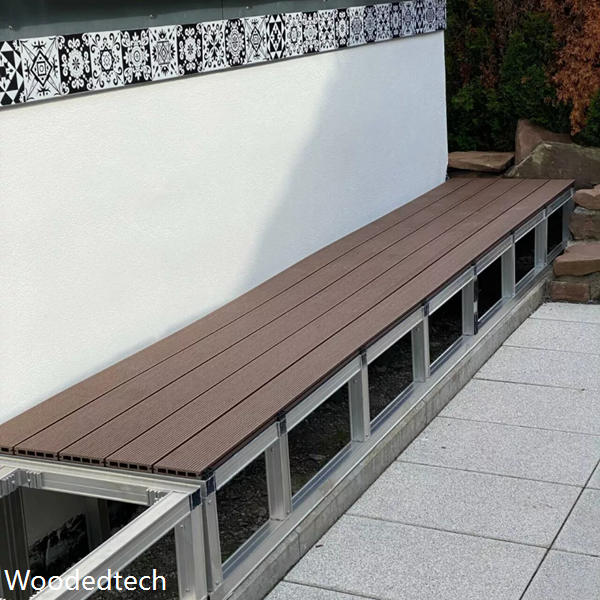
In residential gardens, WPC wall panels can clad boundary walls, outdoor kitchens, planter surrounds, bin storage enclosures and garden room façades. They provide a warm linear texture that works with stone paving, metal pergolas and rendered walls. For a small garden, narrow grooves or a lightly brushed surface can make the space feel taller without adding visual weight. Dark colours should be used selectively because they absorb more solar heat and may show dust or fading sooner than medium wood tones.
Balconies require careful attention to wind, water and access for maintenance. Panels should be mounted on a galvanised or corrosion-resistant subframe with a ventilated cavity behind them. Allowance for thermal movement is essential, particularly on high-rise façades receiving strong afternoon sun. Around balcony doors and drainage outlets, installers should use neat trims and maintain clear water paths. The specification should also confirm building regulations, fire performance requirements and the fixing method approved for the structure.
Hotels, Commercial Landscapes and Parks
Hotels often use outdoor WPC products for reception terraces, pool changing areas, restaurant screens, planter walls and decorative façades around leisure facilities. In these settings, the material must support a consistent brand image while tolerating frequent cleaning and contact with luggage, furniture and service equipment. I usually suggest a capped or co-extruded surface for high-use locations, especially where sunscreen, food residue and cleaning chemicals may reach the panels. A sample should be tested with the proposed maintenance products before bulk production.
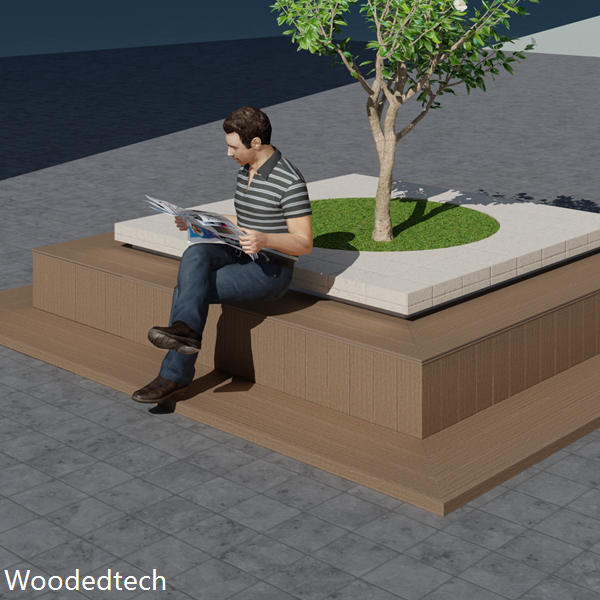
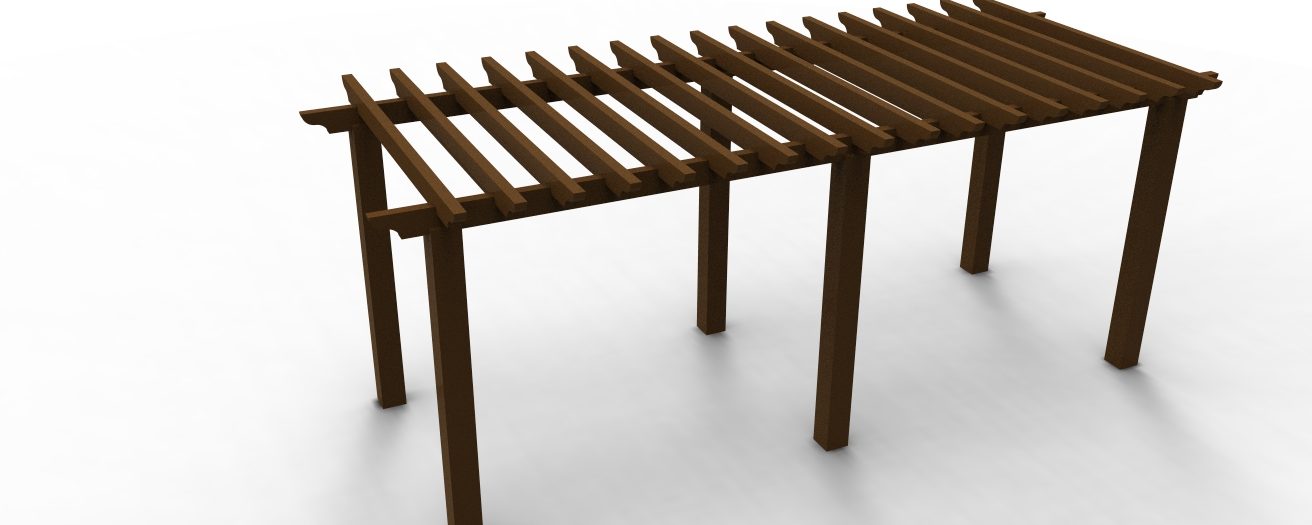
Commercial landscapes and public parks benefit from WPC cladding around seating shelters, interpretation boards, visitor centres, maintenance compounds and shaded rest areas. The design should discourage water trapping and conceal fixings where possible, but still allow damaged boards to be replaced without dismantling the whole elevation. For busy parks, choose a profile with sufficient impact strength and a texture that hides minor scuffs. Colour matching between panels, trims and furniture is also useful for creating a coherent public space without excessive decoration.
Swimming Pool Areas and Public Facilities
Poolside installations place greater demands on material selection because of persistent moisture, splashing, chlorine and barefoot use. WPC wall panels can be applied to privacy screens, pool equipment enclosures, shower zone partitions and feature walls outside the wettest splash line. They should be kept clear of standing water, with open drainage at the base and suitable stainless steel or treated aluminium fixings. Where people may touch or lean against the surface, rounded trims and smooth, well-finished edges improve safety.
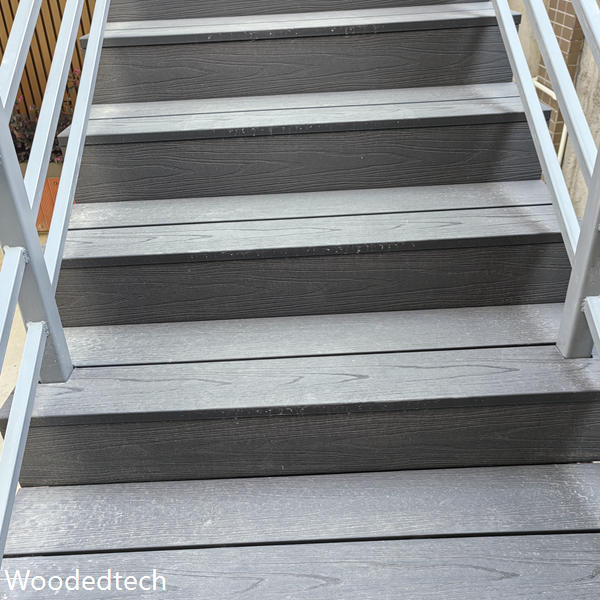
Public facilities such as transport shelters, sports centres, schools and municipal amenity buildings require a specification that covers cleaning, vandal resistance, fire classification and replacement logistics. Panel spacing, support centres and screw positions should be checked against wind load and the manufacturer’s installation data. In coastal areas, salt exposure makes fastener selection particularly important. A clear maintenance schedule should state how to remove stains, inspect joints and replace boards that have suffered impact.
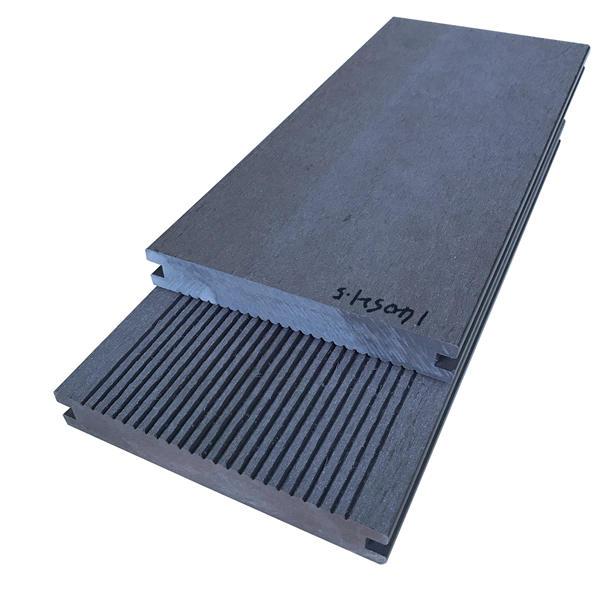
OEM Customisation Options for WPC Wall Panels
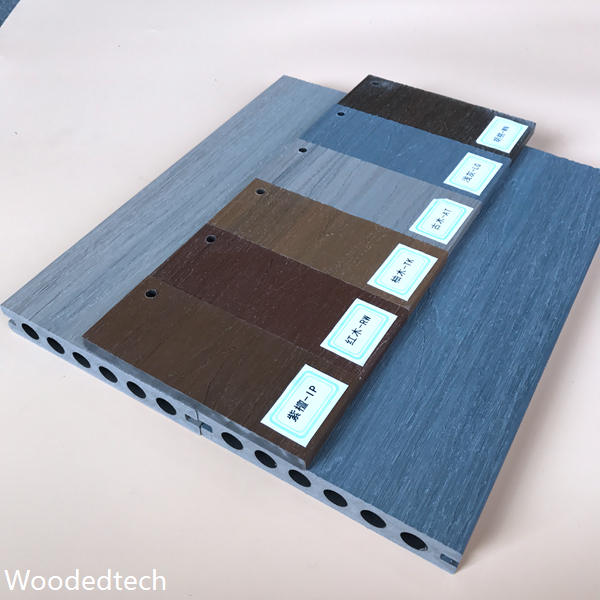
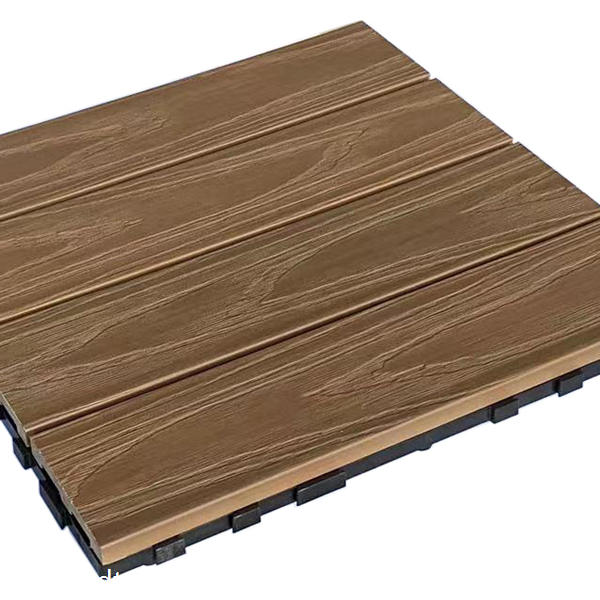
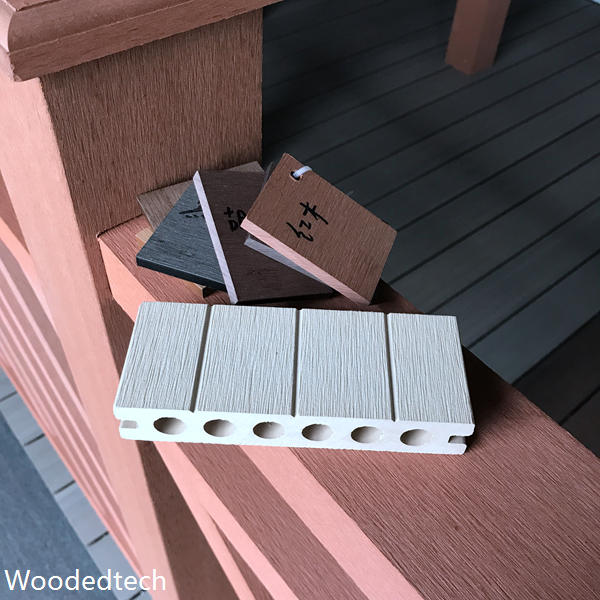
OEM customers can customise more than colour. A manufacturer may develop specific panel widths, groove patterns, embossing, surface sheen, capped layers, corner trims and matching profiles for a complete project system. Brushed oak, teak, charcoal, grey stone and solid architectural colours serve different design briefs, while co-extruded protective layers can improve resistance to staining and ultraviolet exposure. Embossing should be selected with the cleaning environment in mind because deep textures may collect dust.
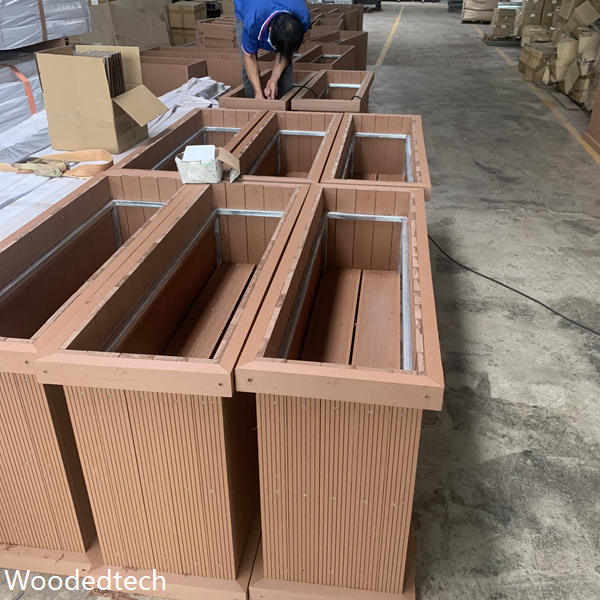
Before approving a production order, the buyer should provide installation drawings, target climate, panel span, packaging requirements and the intended project setting. A factory can then confirm tooling, resin formulation, sample approval, batch colour tolerance and quality inspection points. For export projects, packaging should protect corners and prevent abrasion during container transport, with labelled cartons that match the installation sequence. This structured approach helps architects, contractors and sales teams receive a panel that fits the technical needs of gardens, hotels, parks, balconies, pool areas and public facilities.