Kits De Deck Compostos Com Joiss Sinalizam Oportunidades De Mercado Global À Frente
Complete Decking Systems Create Export Opportunities
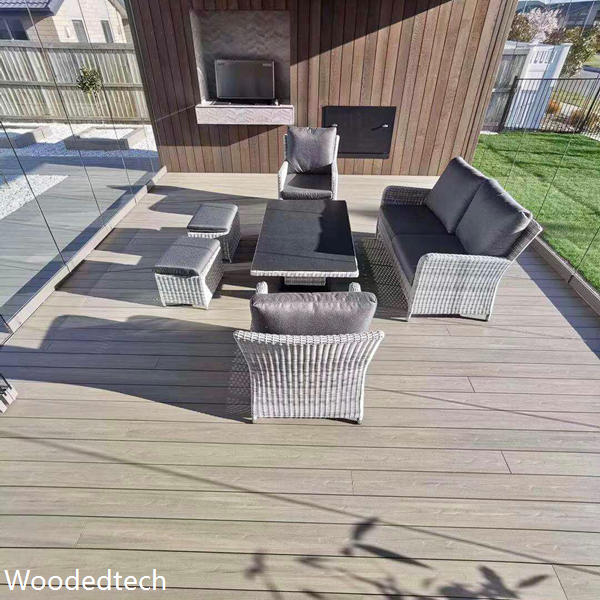
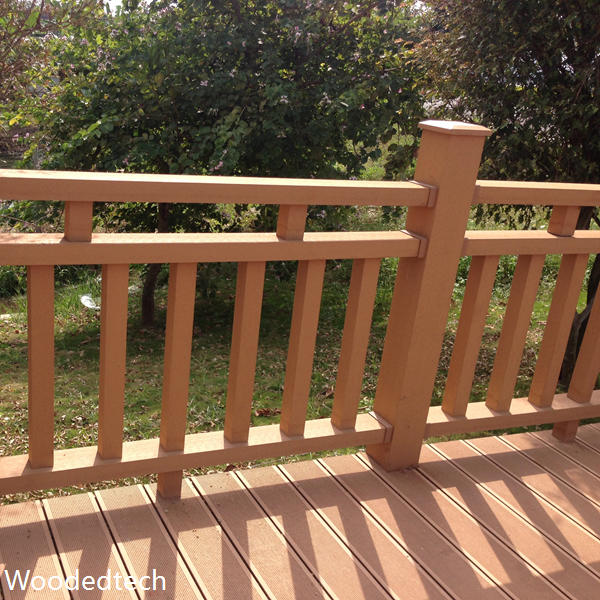
Overseas buyers increasingly assess outdoor decking as a complete installation package rather than a shipment of boards. For exporters, composite decking kits with joists offer a way to serve distributors, landscape contractors and building material merchants that want compatible components, predictable purchasing and fewer site shortages. The commercial opportunity lies in reducing procurement complexity, not simply adding accessories to an invoice.
Demand still varies by destination. Residential renovation channels may favour compact terrace kits, while hospitality projects require scheduled deliveries and replacement stock. Before proposing a range, exporters should establish local installation practices, climate exposure, applicable product requirements and the distributor’s preferred stock lengths.
Quotation Starts With a Defined Installation System
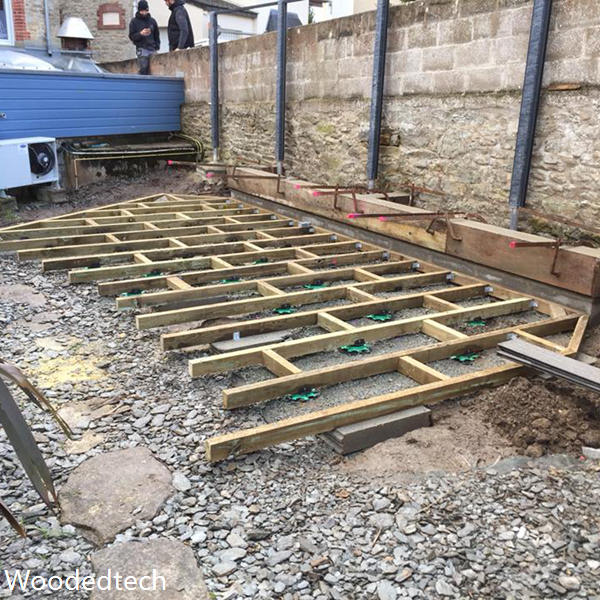
A reliable quotation begins with drawings or confirmed deck dimensions. Board coverage width, installation gaps, joist spacing, edge details and expected cutting waste all affect quantities. The bill of materials should identify decking boards, joists, clips, screws, starter fittings and fascia separately, with quantities and specifications that purchasing and installation teams can check.
Joist selection deserves particular care. Some WPC joists require continuous support and must not be treated as structural members spanning between pedestals. Aluminium, timber or other framing may be necessary, depending on the design. Quotations should state system limitations, currency, validity, production lead time and the agreed Incoterms rule with a named place or port. Freight estimates, destination charges and taxes need clear allocation.
Sample Approval Connects Appearance With Performance
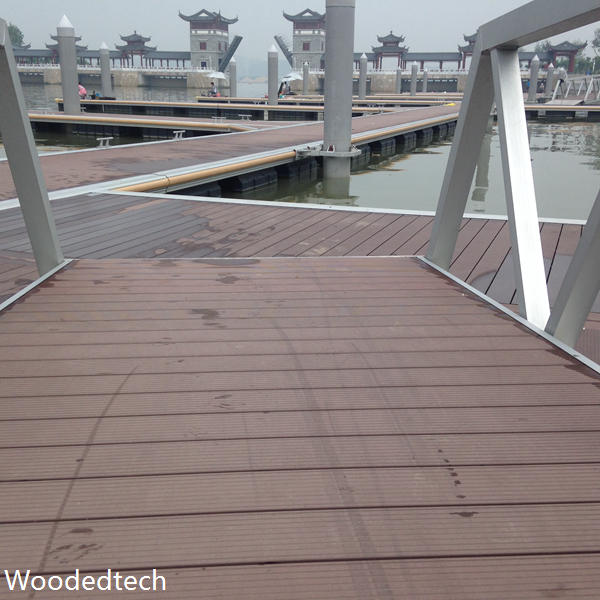
Samples should represent the proposed production specification, including profile geometry, surface finish and colour. A short assembly containing a board, joist and fixing helps buyers assess fit more effectively than a loose colour chip. For OEM orders, confirm branding, embossing, packaging artwork and any tooling ownership arrangements before requesting written approval.
Appearance approval is not performance certification. Buyers should review relevant test reports for the exact product construction, with particular attention to slip resistance, loading, moisture behaviour and any fire classification required for the intended application. Record approved samples and agreed colour tolerances, then link them to the purchase order. Any formulation or profile change should trigger review rather than an unannounced substitution.
Packaging and Container Loading Protect the Order
Export packaging must suit board length, handling equipment and the receiving warehouse. Protective wrapping, corner protection and suitable supports help limit scratching and distortion. Bundle labels should show the product code, colour, length, quantity and batch reference. Clips and screws need clearly identified cartons, while installation instructions should match the destination language and supplied system.
Container planning should consider payload, internal dimensions, weight distribution and unloading access, rather than volume alone. Long bundles require appropriate restraint and support to reduce movement and sagging. Check container condition before loading and photograph the loading sequence, bundle labels and seal. Where solid wood packaging is used, confirm applicable ISPM 15 treatment and marking requirements.
Shipping Documents Support Customs Clearance
Before dispatch, the exporter and importer should align the commercial invoice, packing list and transport document with the purchase order and actual shipment. Descriptions, package counts, weights and consignee details must agree. Confirm tariff classification with the importer or customs adviser, since composite composition and local interpretation can affect classification and duty treatment.
Certificates of origin, insurance documents and destination compliance records may also be needed, depending on the transaction. Documentary credit orders require especially careful checking against bank conditions. Send draft documents for approval early, agree the bill of lading release method and share shipment tracking promptly. Accurate paperwork cannot remove port delays, but it can prevent avoidable clearance holds and storage costs.
Distributor Cooperation Builds Repeat Business
Successful distributors need more than an opening discount. Export partners should provide technical drawings, realistic installation guidance, product photography and a clear claims procedure. Agree how damaged goods, missing fittings and batch differences will be documented and assessed. Keeping replacement boards and fittings locally can reduce disruption for contractors and protect the distributor’s reputation.
Range planning should follow actual sales and installer feedback. Start with manageable colours and lengths, review stock turnover, and introduce exclusive profiles only when demand supports tooling and inventory commitments. Composite decking kits with joists become a stronger export proposition when every repeat order delivers the same specified fit, traceable quality and dependable commercial support.