Canopy WPC Wood Density for Strong Outdoor Structures
The Importance of Wood Density in Outdoor Structures
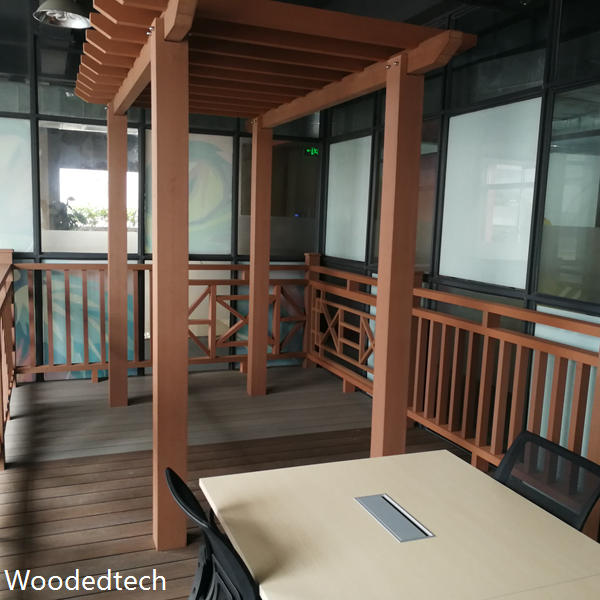
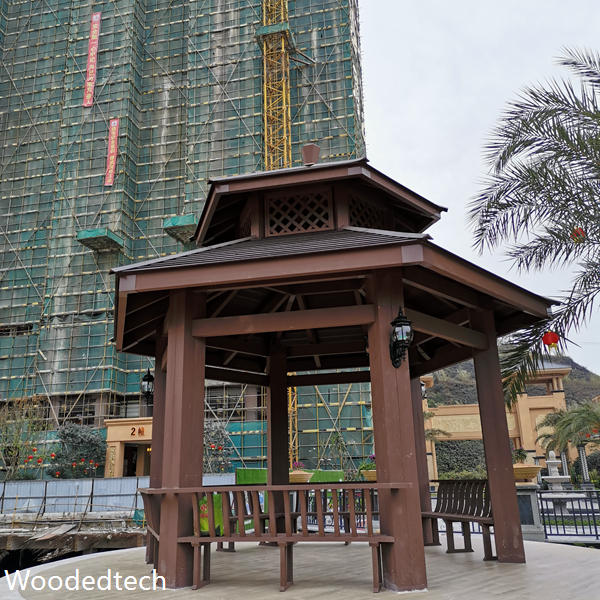
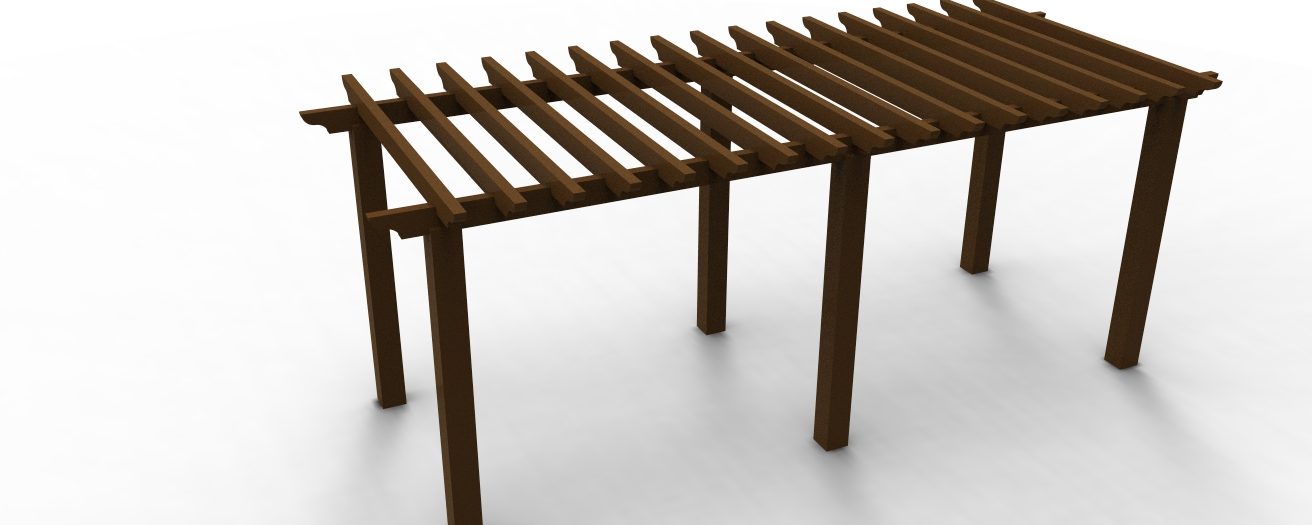
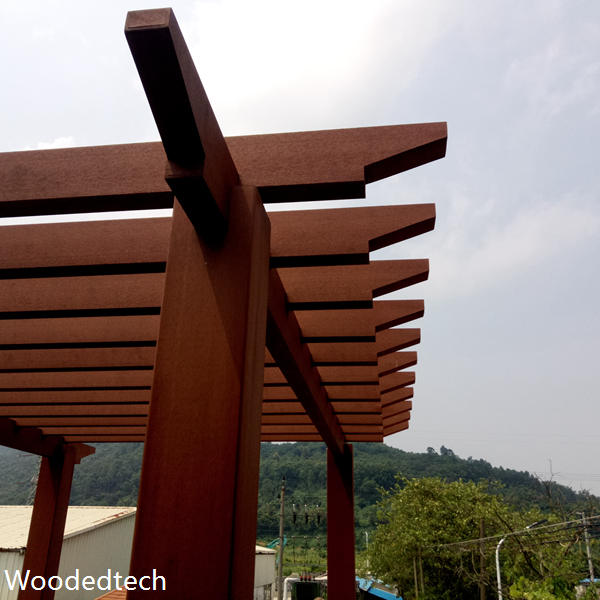
When considering the construction of outdoor structures such as pergolas and gazebos, one crucial factor that often goes overlooked is the wood density of the materials used. Canopy WPC wood density plays a significant role in determining the strength, durability, and longevity of these structures. Unlike natural timber, which can vary widely in density depending on the species, WPC, or wood plastic composite, offers a more consistent and reliable option for outdoor applications.
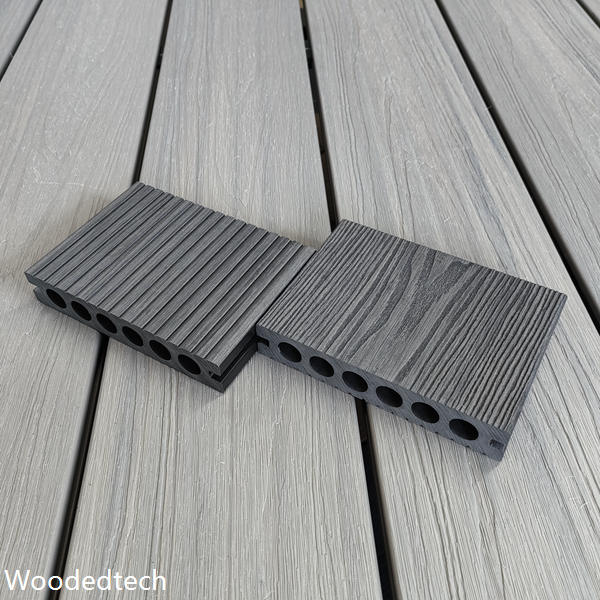
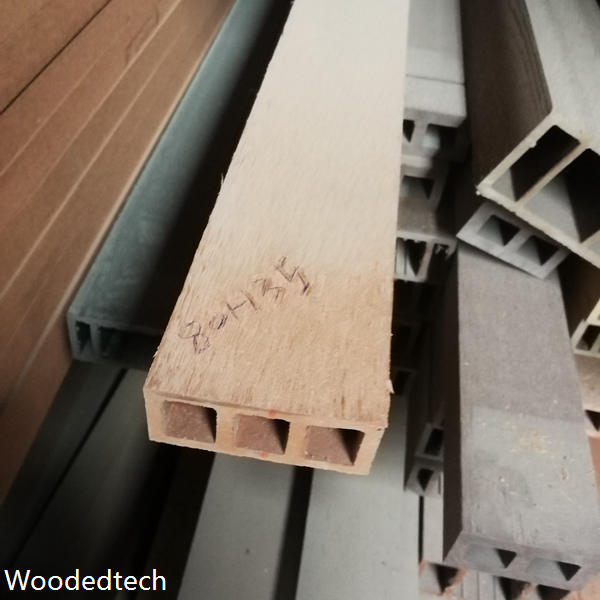
WPC materials are engineered to combine the best attributes of both wood and plastic. This hybrid approach results in a product that is not only lightweight but also possesses a higher density compared to many natural woods. The increased density means that WPC can withstand greater stress and weight, making it an ideal choice for outdoor structures that must endure various environmental conditions.
Durability: WPC vs. Natural Timber
Durability is a paramount consideration when selecting materials for outdoor constructions. Natural timber, while aesthetically pleasing, is vulnerable to a range of issues such as rot, warping, and insect infestations. These weaknesses can significantly reduce the lifespan of timber structures, leading to costly repairs and replacements. In contrast, WPC benefits from its unique composition, which is resistant to these common problems. The closed-cell structure of canopy WPC ensures that moisture does not penetrate deeply, thus minimizing the risk of decay.
This inherent resistance to moisture is further enhanced by the wood density of WPC. With a higher density, WPC structures can better resist the damaging effects of rain and humidity. This quality is particularly beneficial in regions with harsh weather conditions, where traditional timber might struggle to maintain its integrity over time. As a result, outdoor structures made from WPC often remain in excellent condition for many years, requiring little to no maintenance.
Weather Resistance and Aesthetic Appeal
The weather resistance of WPC is another significant advantage. Canopy WPC wood density allows for superior performance against UV radiation, extreme temperatures, and heavy rainfall, all of which can degrade natural wood. Many WPC products are treated with stabilisers and colourants that protect against fading and discolouration, ensuring that your outdoor structure retains its attractive appearance long after installation.
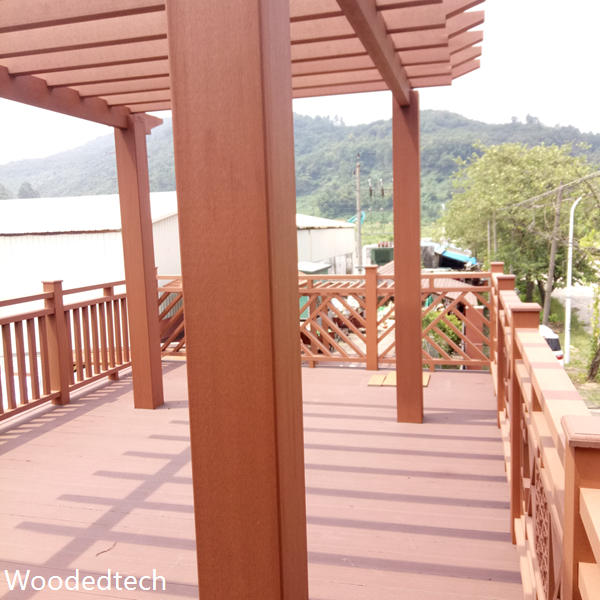
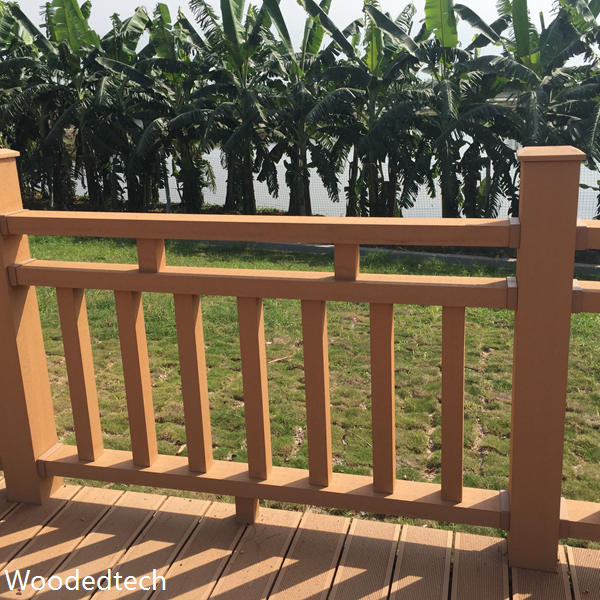
Moreover, WPC offers a broad range of finishes and colours, allowing for versatile design options that can complement any outdoor space. Unlike timber, which may require regular staining or painting to preserve its look, WPC structures are designed to maintain their aesthetic appeal with minimal upkeep. This means that homeowners can enjoy their gardens without the constant worry of maintenance that natural wood often demands.
Custo-Efetividade Ao Comume
While the initial investment in WPC might be slightly higher than traditional timber, the long-term cost savings are undeniable. The durability and reduced maintenance requirements of WPC structures translate into lower overall costs over time. Natural timber may seem more affordable at first glance, but the expenses associated with repairs, replacements, and ongoing maintenance can quickly accumulate.
Furthermore, the longevity of WPC products often means that they do not need to be replaced as frequently as their wooden counterparts. This durability not only saves money but also reduces the environmental impact of frequent replacements, making WPC a more sustainable choice in the long run.
Installation Advantages of WPC
Installation of outdoor structures made from canopy WPC is generally more straightforward compared to timber. The consistent density and formulation of WPC allow for easier cutting, shaping, and fastening, which can reduce labour time and associated costs during installation. This streamlined process is an attractive feature for both contractors and homeowners looking to maximise efficiency on their projects.
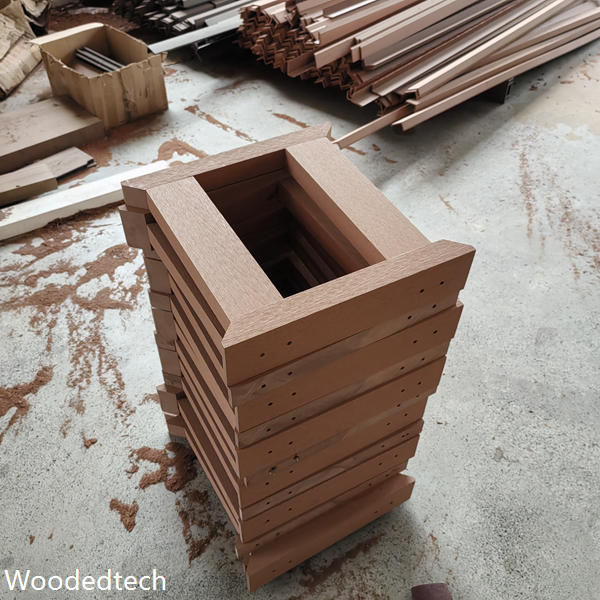
In addition, many WPC products come with pre-drilled holes and ready-to-assemble designs, further simplifying the installation process. This ease of use contributes to quicker project completion times, allowing homeowners to enjoy their outdoor spaces sooner.
Considerações Ambientais
WPC is also a more environmentally friendly option compared to traditional timber. It is manufactured using recycled materials, including wood and plastic, which helps divert waste from landfills. Canopy WPC wood density contributes to its sustainability, as the durability of the material means that fewer resources are needed for repairs or replacements over time.
In an era where eco-conscious choices are paramount, opting for WPC for outdoor structures not only benefits the homeowner but also the planet. By choosing WPC, consumers support sustainable practices and contribute to a reduction in deforestation, making it a responsible choice for those looking to enhance their properties.