複合ポリマー木製ガゼボUV耐性性能は、ユーザーにとってどのようにメリットですか
Embracing Modern Design Trends in Outdoor Spaces
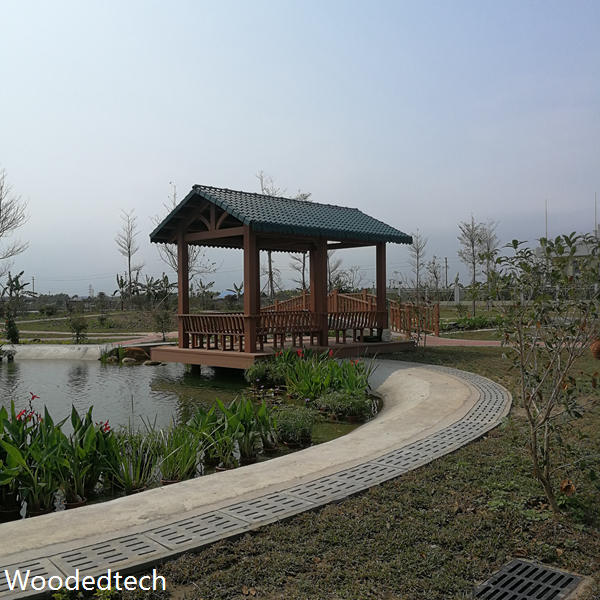
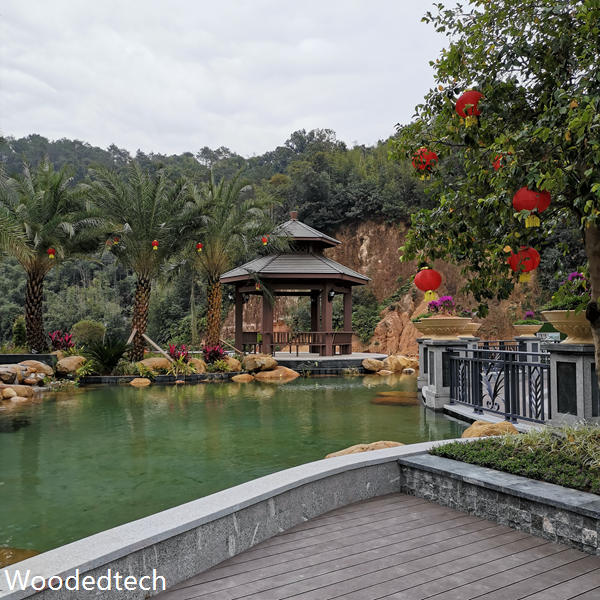
The contemporary outdoor living landscape is evolving, reflecting a desire for both aesthetic appeal and functional durability. Among the various outdoor structures gaining popularity, the composite polymer wood gazebo stands out. This innovative product embodies a blend of elegance and practicality, enhancing gardens and patios while providing a stylish space for relaxation and entertainment. Modern design trends are steering the use of composite materials in a manner that not only complements natural surroundings but also elevates outdoor aesthetics.
Designers are increasingly adopting a minimalist approach, where clean lines and uncluttered spaces enhance the overall visual impact. Composite polymer wood gazebos are designed to fit seamlessly into various landscapes, offering versatility in style and structure. The ability to choose from an array of colours and textures allows property owners to personalize their outdoor spaces, ensuring their gazebos are not just functional but also serve as a statement piece.
UV Resistance: An Essential Feature
One of the standout attributes of composite polymer wood is its UV-resistant performance. This characteristic significantly benefits users by reducing the effects of fading, warping, and deterioration caused by prolonged sun exposure. Traditional wood materials often require frequent maintenance to retain their appearance and structural integrity, but composite materials offer a more sustainable alternative. Users can enjoy the aesthetic benefits without the associated upkeep, as the UV-resistant properties keep the colours vibrant and the surface intact for an extended period.
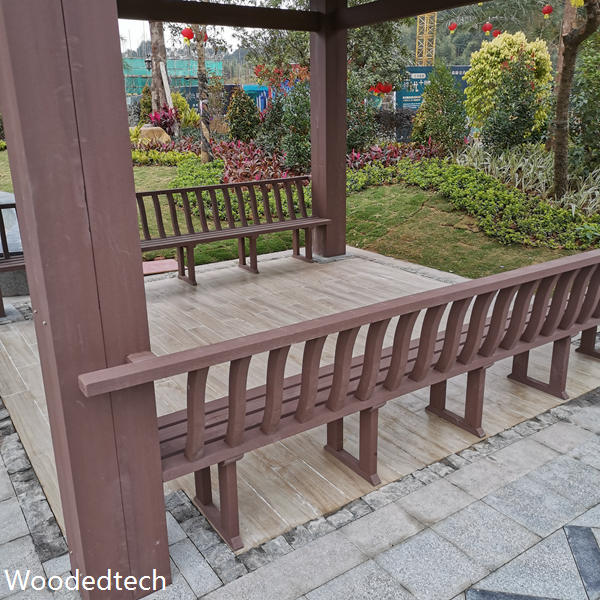
By integrating UV-resistant technology into composite polymer wood gazebos, manufacturers are addressing a fundamental concern for outdoor structures. Property owners can confidently invest in these products, knowing that they will maintain their beauty and functionality regardless of the weather conditions. This durability is particularly appealing for those living in regions with intense sunlight, as it ensures that their investment will endure the test of time.
Textures and Colours Transforming Outdoor Experiences
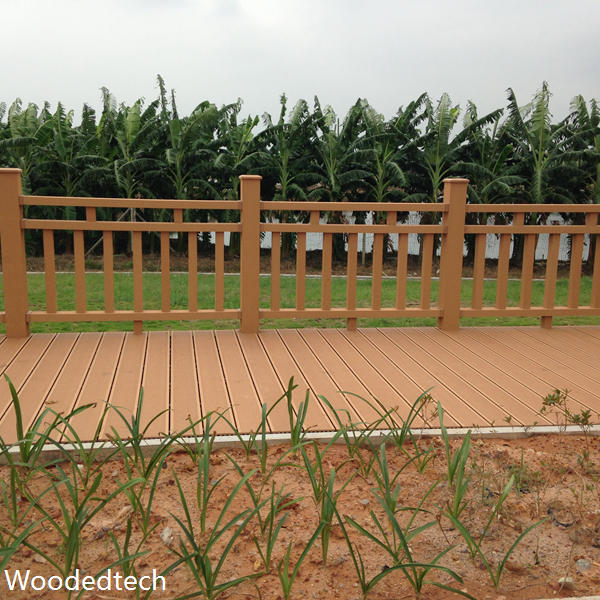
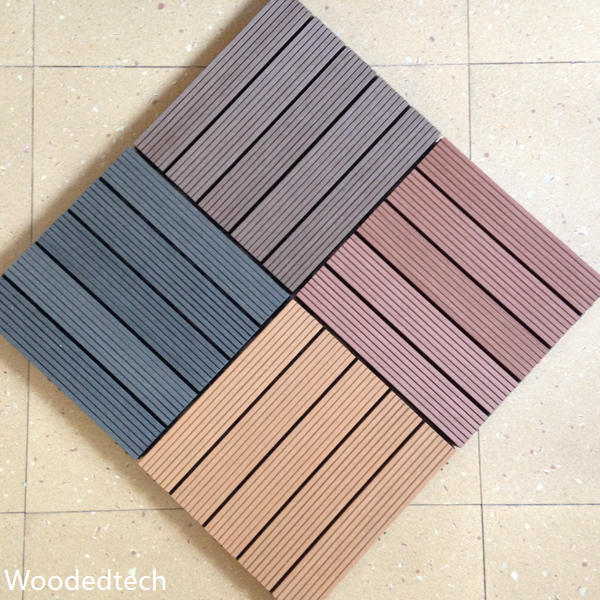
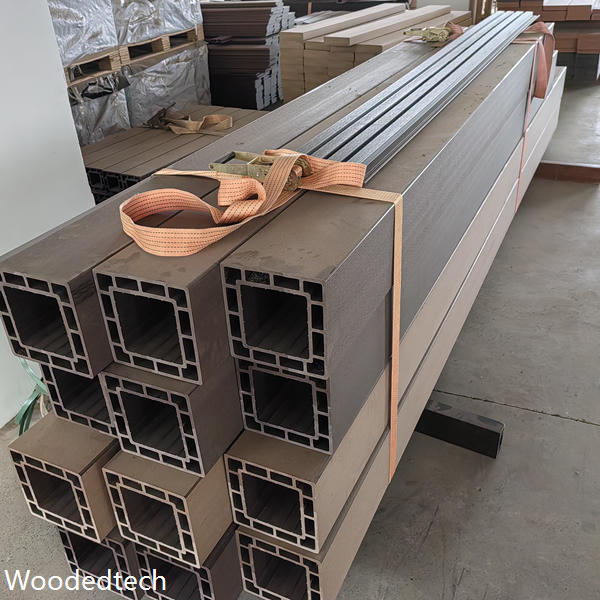
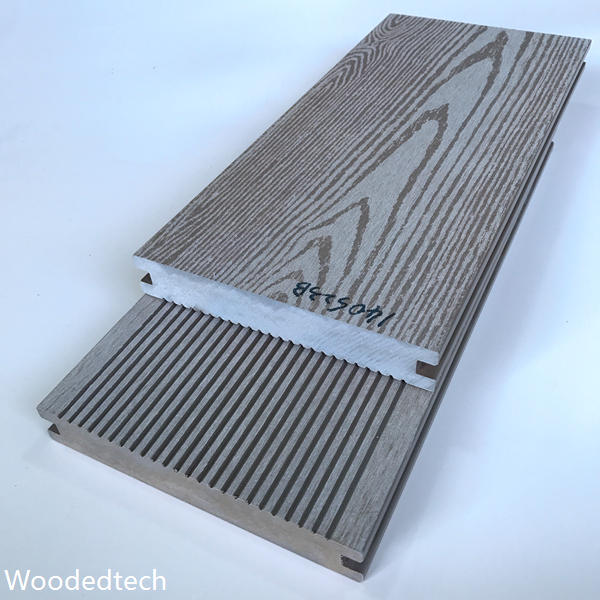
The choice of textures and colours in outdoor products plays a pivotal role in creating inviting environments. Composite polymer wood gazebos are available in various finishes that mimic the natural grain of wood while providing the added advantage of low maintenance. Designers can select from smooth, textured, or embossed surfaces, allowing for a tailored look that fits the desired theme of a garden or outdoor area.
Moreover, the availability of diverse colour palettes further enhances the design possibilities. Earthy tones can harmonize with natural landscapes, while bolder hues can serve as focal points or accents in outdoor settings. These design choices empower outdoor WPC product designers to create spaces that reflect personal tastes and complement the surrounding environment, thus enriching the user experience.
Profiles and Modular Designs for Flexibility
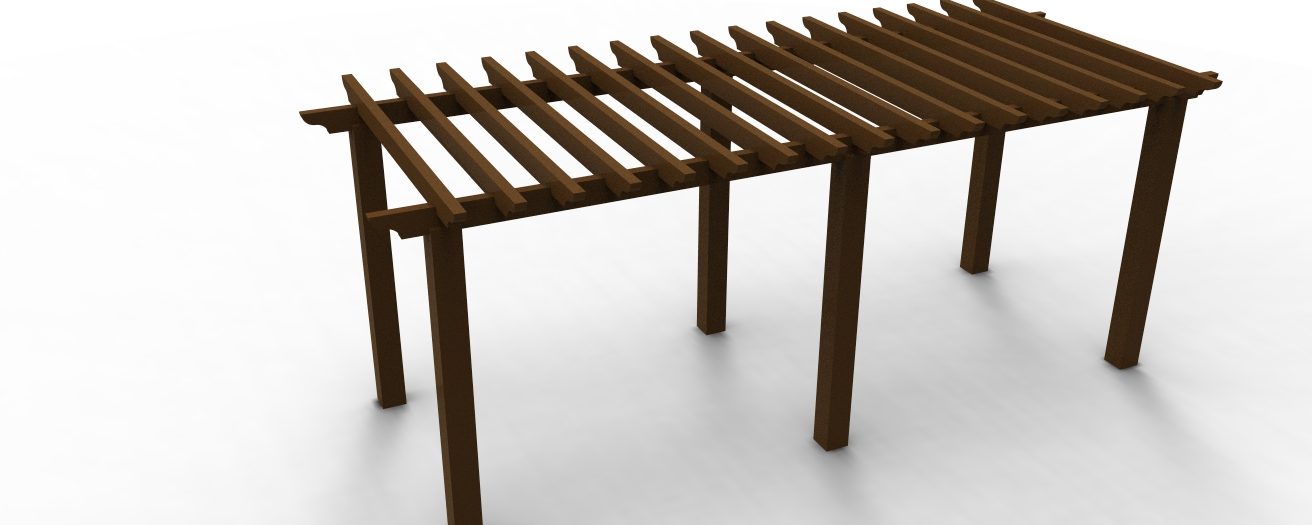
Another trend gaining traction in outdoor design is the emphasis on modularity. Composite polymer wood gazebos can be designed with versatile profiles that allow for easy assembly and reconfiguration. This flexibility means that users can adapt their outdoor structures according to their changing needs or seasonal requirements. Whether it’s transforming a gazebo into a shaded retreat during summer or a charming focal point for outdoor gatherings, the modular aspect offers unparalleled adaptability.
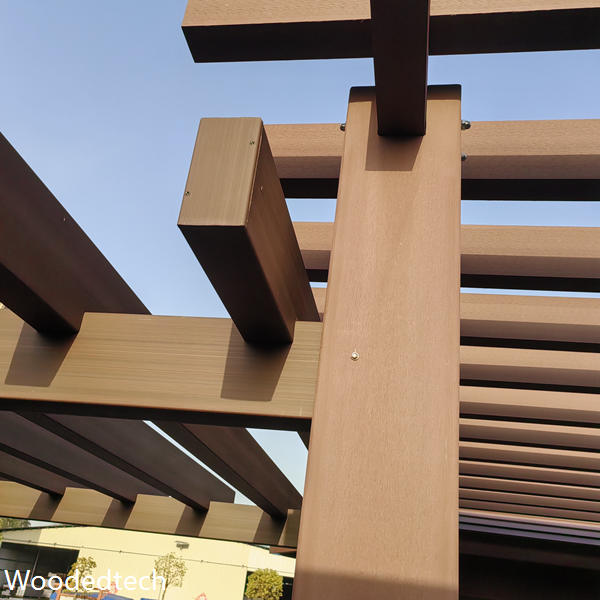
This adaptability is complemented by the lightweight nature of composite materials, which simplifies transportation and installation. As a result, users who may have previously hesitated to invest in large outdoor structures due to logistical concerns can now embrace the possibilities that modular designs afford. These features not only elevate the functionality of outdoor spaces but also encourage creativity and innovation in landscape design.
Enhancing Sustainability in Outdoor Design
As environmental consciousness continues to shape consumer preferences, sustainable building materials are becoming increasingly important in outdoor design. Composite polymer wood gazebos often incorporate recycled materials, making them an eco-friendly choice for conscientious users. This focus on sustainability resonates with those who wish to minimise their ecological footprint while still enjoying beautiful and functional outdoor spaces.
The longevity of composite materials also contributes to sustainability. Users can enjoy the benefits of their investment without the need for frequent replacements, thus reducing waste and resource consumption. By choosing composite polymer wood gazebos, property owners can align their purchasing decisions with their values, supporting a healthier planet while creating inviting environments.
Creating Functional and Aesthetic Outdoor Spaces
The integration of composite polymer wood gazebos into outdoor designs is more than just a trend; it signifies a shift towards creating well-rounded and functional spaces. These structures not only provide shelter but also enhance the aesthetic appeal of gardens and patios. With considerations for UV resistance, design flexibility, and sustainability, users can enjoy outdoor environments that are both beautiful and practical.
As outdoor WPC product designers continue to innovate and push boundaries, the possibilities for creating incredible outdoor experiences are virtually limitless. Each gazebo becomes a canvas for personal expression, encouraging users to create spaces that reflect their lifestyles and enhance their connection to nature. This evolving landscape marks a new era in outdoor design, one that prioritises both beauty and durability in every aspect.