How to choose Shade structure composite wood plastic suppliers for projects
Choosing Quality Shade Structure Composite Wood Plastic Suppliers
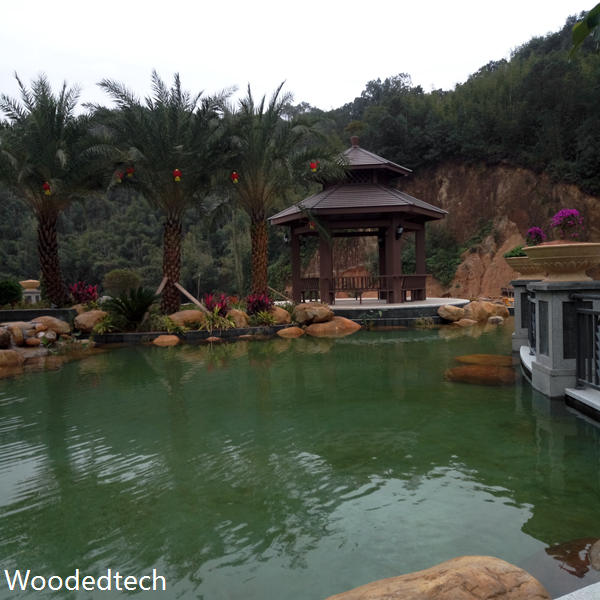
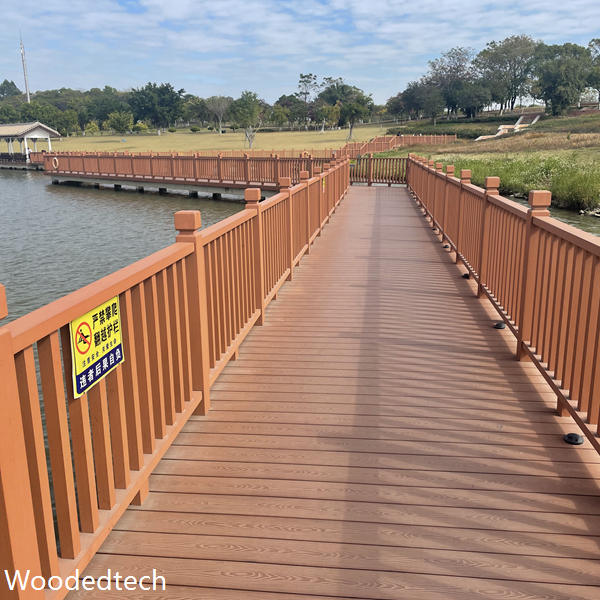
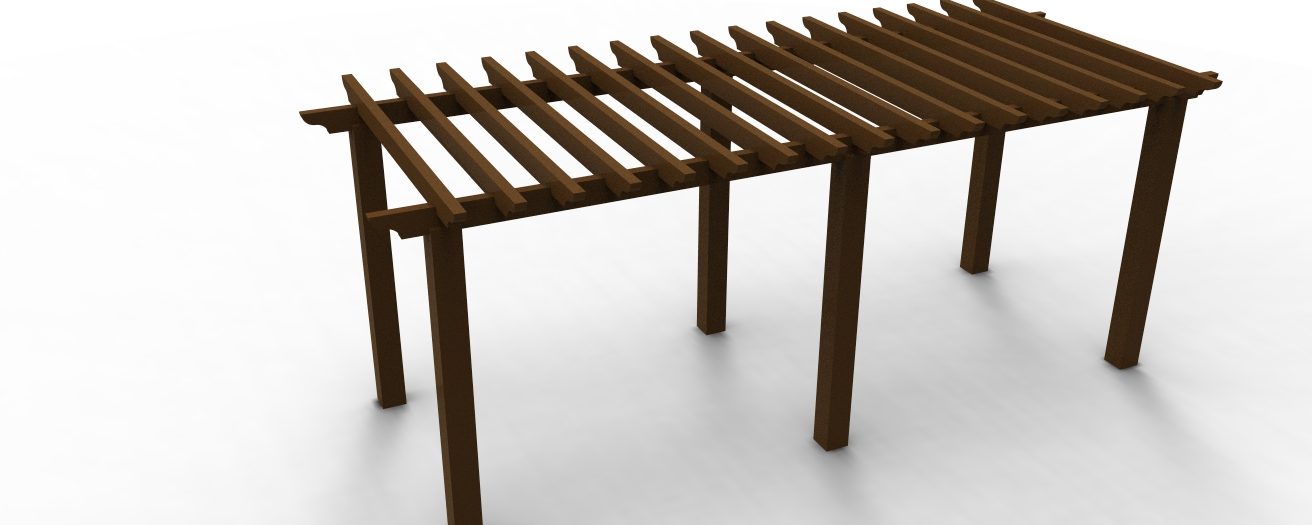
When embarking on a project that involves the installation of shade structures using composite wood plastic, selecting the right suppliers is paramount. This material, often referred to as WPC, offers a combination of durability and aesthetic appeal, making it a popular choice for outdoor applications. To ensure that your project meets both functional and design criteria, you must consider suppliers that provide high-quality WPC products. Start by evaluating their track record in the industry, seeking out testimonials and case studies that highlight their past work. A reliable supplier will have a portfolio showcasing various installations, which can provide insight into their capabilities and the range of designs available.
Furthermore, it is crucial to assess the materials the suppliers use in their composite wood plastic products. Look for suppliers that use recycled materials, as these not only contribute to sustainability but also ensure a higher quality product. Inquire about the manufacturing process, as suppliers who maintain strict quality control measures are more likely to provide products that meet industry standards. Understanding the warranty and after-sales support offered by the supplier can also be beneficial, as it indicates their level of confidence in their products and commitment to customer satisfaction.
サブフレームをインストール準備中
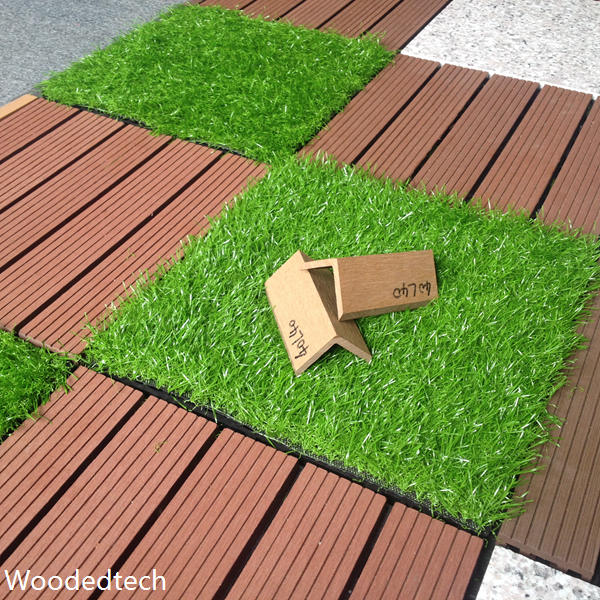
Before you begin the installation of WPC decking and wall cladding systems, a solid subframe is essential. Start by ensuring that the area is clear of debris and vegetation. Then, lay out the frame according to the dimensions required for your project. The subframe should be constructed from treated timber or metal to withstand moisture and resist degradation. It’s important to ensure that the subframe is level; this can be done by using a spirit level and adjusting the supports as necessary. The spacing of the joists should ideally be no more than 400mm apart to provide adequate support for the WPC boards.
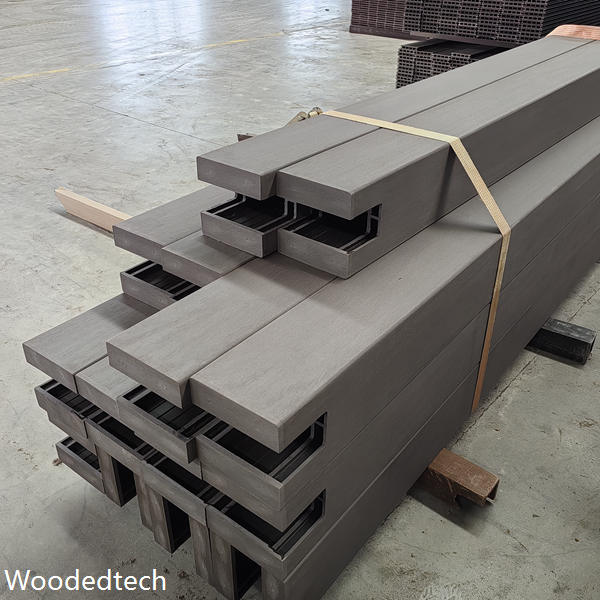
Once the framework is set up, it’s wise to check for any potential drainage issues. If the installation area is prone to pooling water, consider incorporating a slight slant in the subframe to facilitate water runoff. This careful preparation will not only extend the lifespan of your installation but will also contribute to a polished final appearance.
Fixing Methods for WPC Boards
The method of fixing WPC boards can significantly influence the overall stability and aesthetics of your installation. There are various fixing options available, including hidden fasteners and surface screws. Hidden fasteners provide a clean finish, as they allow for a seamless look without visible screws. When using this method, ensure that you follow the manufacturer’s guidelines for spacing and installation to prevent any warping due to expansion or contraction.
If you opt for surface screws, it is vital to pre-drill holes to avoid cracking the boards. Ensure that the screws are made specifically for composite materials to prevent rusting or corrosion. Whatever fixing method you choose, maintain consistent spacing between each board to accommodate for thermal expansion. Typically, an expansion gap of around 5mm should be left between the boards and around the perimeter to allow for movement.
Cutting WPC Boards for a Perfect Fit
Cutting WPC boards requires precision to ensure a perfect fit within your installation. Use a fine-toothed saw, as this will help in achieving clean edges without splintering. When measuring for cuts, always double-check your dimensions before proceeding, as mistakes can lead to unnecessary waste and additional costs. For intricate designs or corners, consider using a jigsaw for more complex cuts.
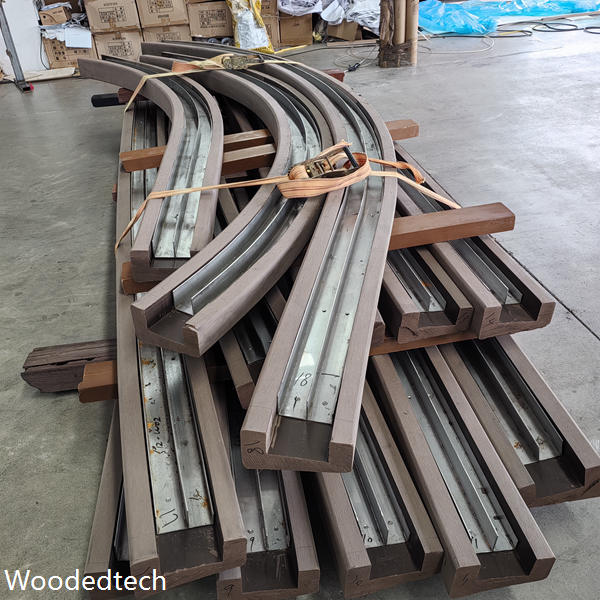
After making your cuts, it is advisable to sand down the edges to eliminate any roughness or splinters. This not only enhances the visual appeal of the installation but also helps in preventing injuries during maintenance or cleaning. Remember to wear appropriate safety gear, such as goggles and gloves, while cutting and sanding the material.
長寿のためのメンテナンスのコツ
Additionally, inspect your installation periodically for signs of wear or damage. Address any loose boards or fasteners immediately to prevent further issues. Keeping the area around the installation free from debris, such as leaves, will also help maintain the condition of your WPC materials. By implementing these maintenance practices, you can ensure that your shade structure remains appealing and functional for years to come.