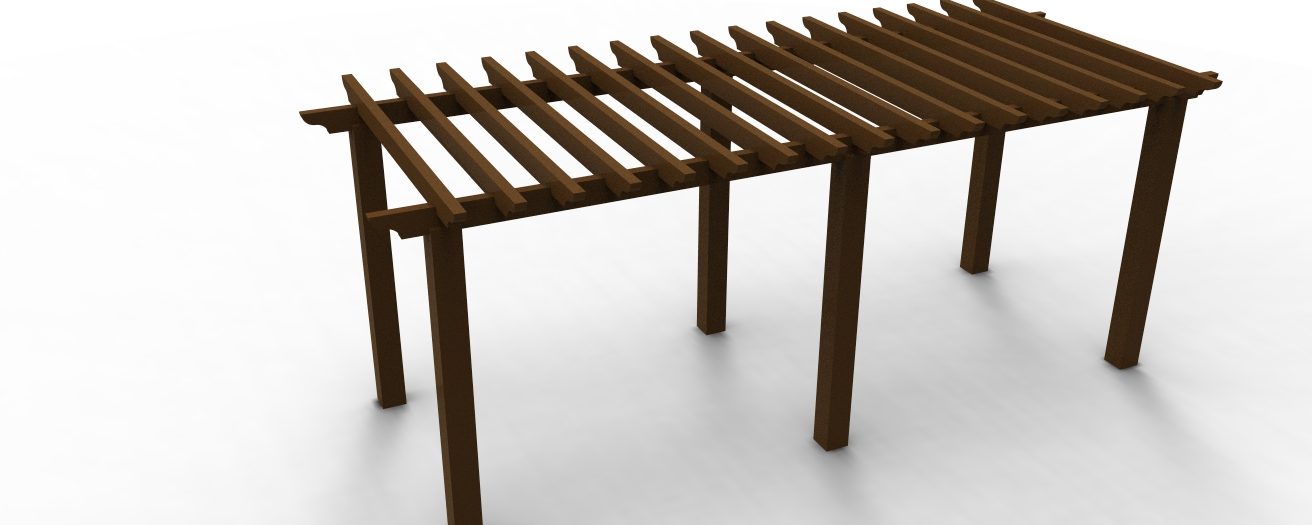
How does Green tunnel wood polymer composite create attractive garden pathways

Preparing the Subframe for WPC Pathways

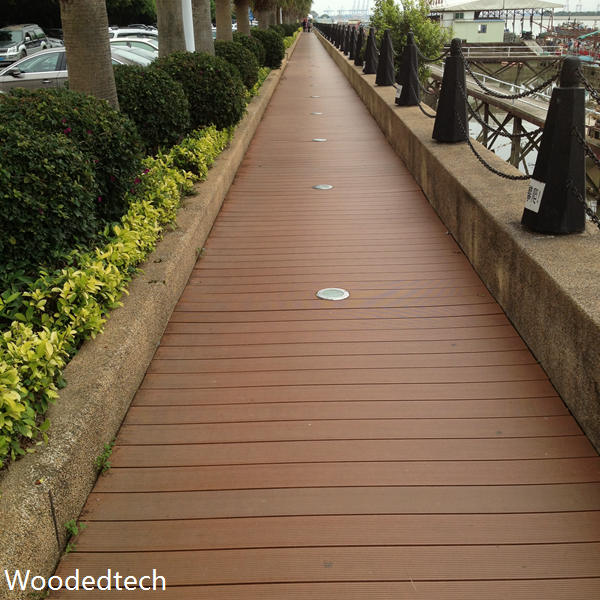
Creating a durable and aesthetically pleasing garden pathway using Green tunnel wood polymer composite begins with a solid subframe. The subframe acts as the backbone of your installation, providing stability and durability. Start by selecting the appropriate materials for your subframe, typically treated timber or metal. Ensure the ground is level and compacted, removing any debris or vegetation that may interfere with the stability of the pathway. Once the area is prepared, lay down the subframe, ensuring it is adequately spaced according to the specifications of the WPC boards you will be using.

Use a spirit level to ensure that the subframe is even. This will prevent any issues with water pooling on your pathway. The next step is to secure the subframe in place. If using timber, drive in stakes at regular intervals to hold the framework. For metal, consider using brackets or additional fasteners for added stability. All sections of the subframe should be interconnected, creating a sturdy base for the Green tunnel wood polymer composite boards.

WPCデッキの修正方法

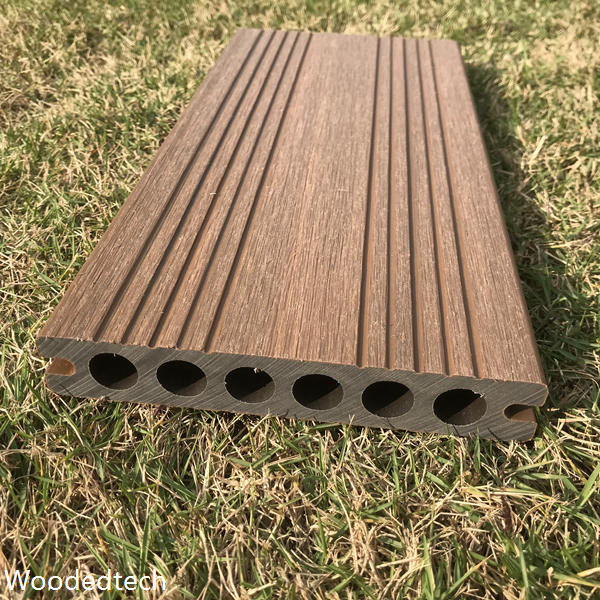
Once your subframe is securely in place, it is time to install the Green tunnel wood polymer composite decking boards. Begin by laying the boards on the subframe, ensuring they fit snugly without overhanging the edges. The fixing method you choose will depend on the type of boards you are using. Most commonly, hidden fastening systems are employed, which involve clips that secure the boards to the subframe without visible screws on the surface.

If you opt for visible screws, ensure they are of the correct type, often stainless steel, to prevent corrosion. Pre-drilling the boards before fastening can help avoid splitting. When fixing, maintain a consistent gap between the boards, typically around 5 to 7 millimetres, to allow for expansion during temperature changes. This careful planning ensures your pathway remains visually appealing and functional over time.

Accounting for Expansion Gaps

Expansion gaps are a critical aspect of installing Green tunnel wood polymer composite decking. These gaps allow the material to expand and contract with changes in temperature and humidity. Without these gaps, the boards may buckle or warp, compromising the integrity of your pathway. It is essential to leave a gap not only between the boards but also at the edges where the decking meets walls or other fixed structures.

Typically, a gap of around 10 millimetres is recommended at the edges. Mark these areas clearly to ensure they are adhered to during installation. Regular checks during the installation process will help maintain these gaps, ensuring the longevity of your garden pathway.

Cutting Techniques for a Perfect Fit

Cutting the Green tunnel wood polymer composite boards to fit your design is another important step. Using a mitre saw or circular saw with a fine-toothed blade will yield the best finish, reducing the chance of chipping or splintering. Always wear appropriate safety gear, such as goggles and gloves, during cutting to protect yourself from any debris.

Measure your spaces carefully before cutting, allowing for any necessary expansion gaps. After cutting, lightly sand the edges to remove any roughness or splinters. This not only improves safety but also enhances the aesthetic appeal of your pathway. Properly cut and fitted boards contribute significantly to the overall look and longevity of your garden pathways.

Maintenance Tips for WPC Pathways

Inspect the pathway periodically for any loose boards or fasteners, tightening or replacing them as necessary. Additionally, be mindful of the joints and expansion gaps; these should remain clear to aid in the pathway’s natural movement. With proper care, your WPC garden pathway will remain a stunning feature for years to come.

類似投稿