ロッジア複合プラスチック材は屋外の景観設計をどのように改善しますか

The Role of Loggia Composite Plastic Timber in Landscape Design

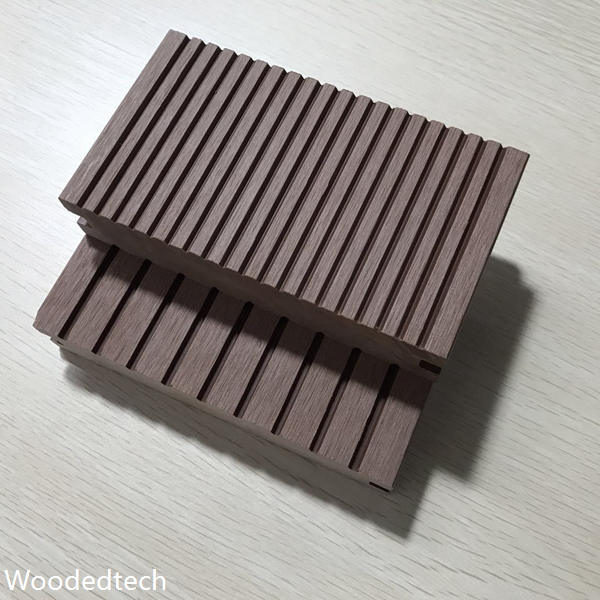
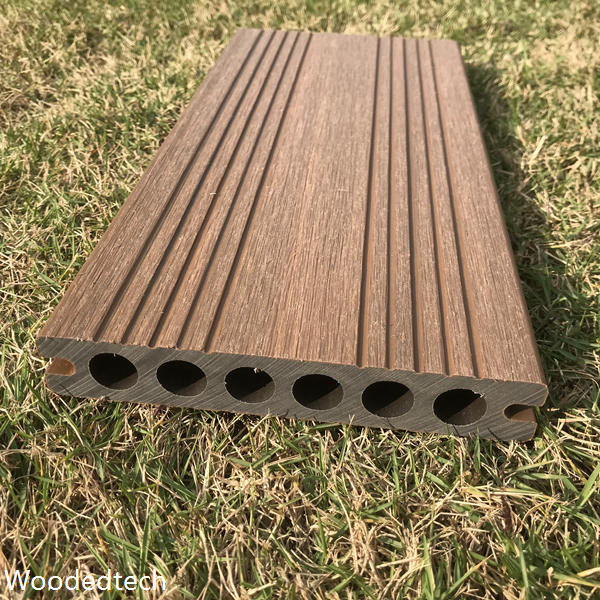
Loggia composite plastic timber has emerged as a significant player in the outdoor landscape design sector, thanks to its unique characteristics that blend aesthetics with functionality. This innovative material is engineered from a combination of wood fibres and recycled plastics, offering a sustainable alternative to traditional timber. As environmental awareness increases globally, landscape designers are increasingly turning to materials like Loggia composite plastic timber to meet both aesthetic and ecological demands. This shift underscores a trend towards sustainable building practices and a growing interest in products that minimise waste while maintaining visual appeal.

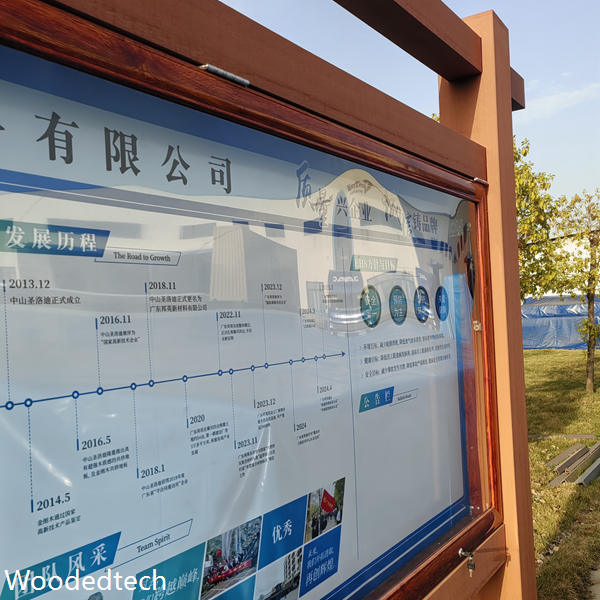
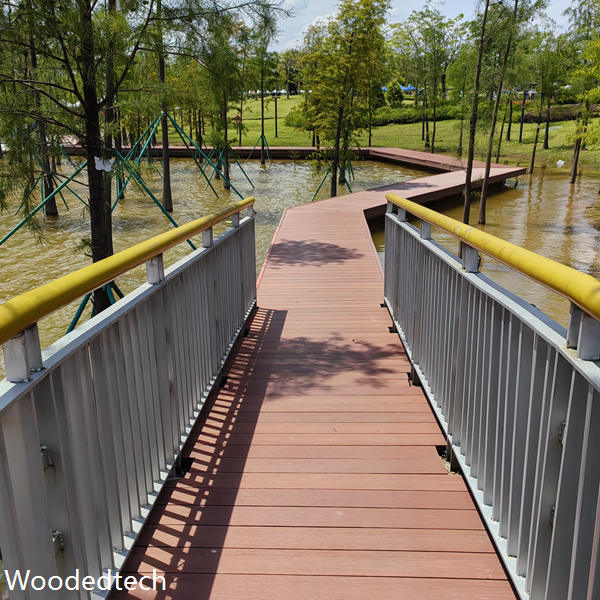
One of the most appealing aspects of Loggia composite plastic timber is its versatility. It can be used in various outdoor applications, including decking, wall cladding, fencing, and even pergolas. This adaptability allows landscape architects to create cohesive designs that integrate multiple elements seamlessly. The material’s resistance to weathering and decay makes it particularly suitable for outdoor environments, ensuring that installations retain their beauty and functionality for years. As a result, more designers are recognising the long-term benefits of employing Loggia composite plastic timber in their projects, further driving demand in the market.

Global Trends in Composite Decking and Wall Cladding

The composite decking market has witnessed substantial growth over the past decade, largely due to the increasing consumer preference for low-maintenance outdoor solutions. Loggia composite plastic timber stands out in this segment, providing exceptional performance attributes that cater to this demand. It is resistant to stains, scratches, and fading, thus appealing to homeowners looking for hassle-free options. Additionally, Loggia’s diverse range of colours and textures allows for creative applications, making it a preferred choice for both contemporary and traditional landscape designs.

Moreover, the trend towards outdoor living spaces has propelled the growth of composite wall cladding as well. Property developers and contractors are opting for Loggia composite plastic timber to enhance the visual appeal of their projects while ensuring durability. As outdoor spaces become extensions of indoor living areas, the aesthetic flexibility of this material allows for innovative designs that can adapt to varying architectural styles. The increasing popularity of outdoor kitchens, lounges, and entertainment areas is expected to further drive the demand for Loggia composite materials in wall cladding applications.

Market Opportunities in Fencing and Pergolas

The fencing market is also evolving, with Loggia composite plastic timber presenting a modern alternative to traditional materials. Its inherent resistance to warping, splitting, and insect damage means that it can provide a long-lasting solution for property owners. As urban areas expand and property boundaries become more defined, the demand for durable and attractive fencing options is set to rise. Loggia’s aesthetic appeal, paired with its environmental credentials, positions it well to capture this segment of the market.

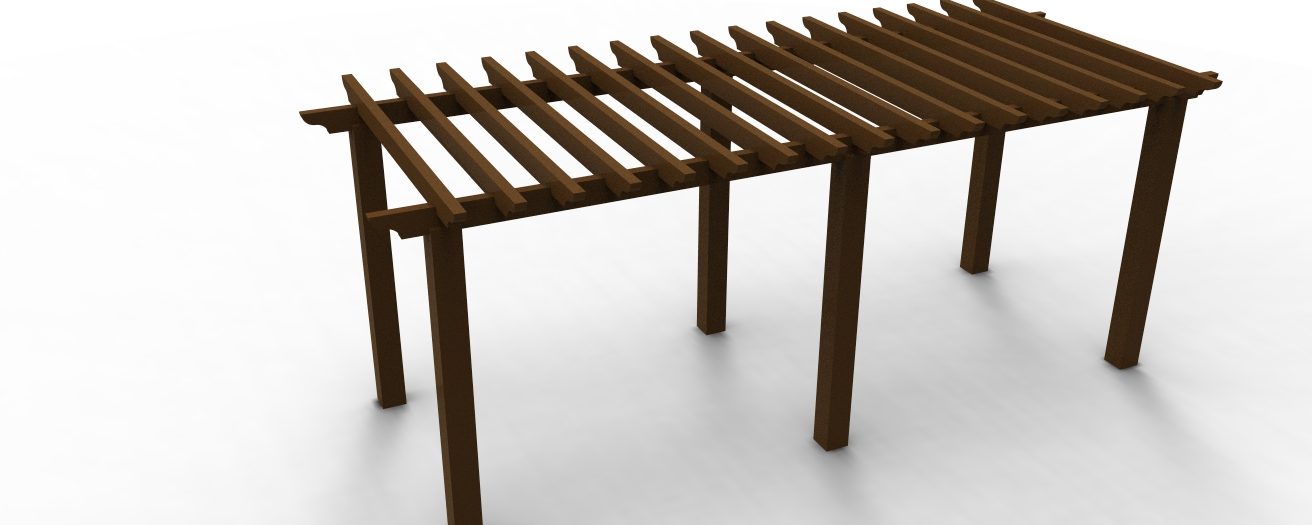
Pergolas constructed from Loggia composite plastic timber are gaining traction as homeowners seek ways to enhance their outdoor spaces. These structures create inviting environments for relaxation and socialising, and the material’s strength ensures that they withstand the elements without compromising on style. The rising trend of outdoor living is expected to boost the pergola market, with Loggia composite plastic timber being an ideal choice for those looking to invest in durable and eye-catching outdoor features.

Sustainable Features and Consumer Preferences

In today’s market, sustainability is not just a buzzword; it is a consumer demand. Loggia composite plastic timber is made from recycled materials, which resonates with environmentally conscious consumers. The production process also requires fewer natural resources compared to traditional wood, making it a responsible choice for modern landscape design projects. This sustainability factor is increasingly influencing purchasing decisions, as more consumers want to invest in products that contribute to a greener future.

As the trend towards sustainability continues to grow, the market opportunities for Loggia composite plastic timber will likely expand. Companies that focus on innovation and eco-friendly solutions are poised to capitalise on this trend. By integrating Loggia composite plastic timber into landscape designs, businesses can not only enhance the aesthetic appeal of their projects but also align themselves with the evolving values of the modern consumer.

Future Market Landscape for Loggia Composite Plastic Timber

The future market landscape for Loggia composite plastic timber appears promising. With the continued growth of the outdoor living trend, along with an increasing emphasis on sustainability, this material is well-positioned to become a staple in landscape design. Market analysts predict that demand will continue to rise, especially in regions where outdoor spaces are embraced as essential extensions of living environments.

Investments in marketing and education about the benefits of Loggia composite plastic timber will play a crucial role in bolstering its market presence. As more consumers and professionals become aware of its advantages, including durability, low maintenance, and environmental sustainability, the opportunities for growth in various applications will likely expand. The global shift towards eco-friendly building materials not only benefits the industry but also fosters a more sustainable future for outdoor landscape design.

類似投稿