Which is better polymer wood composite walkway cover vs metal solutions
Comparing Polymer Wood Composite and Metal Walkway Covers
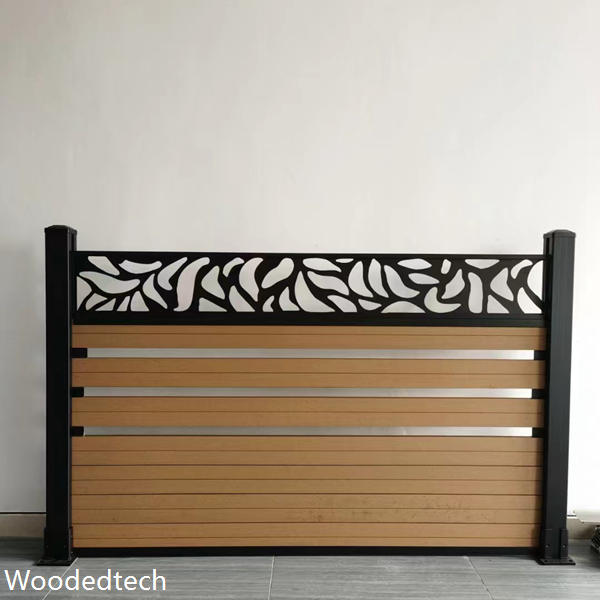
When considering the best solution for outdoor pathways and walkways, the debate between polymer wood composite walkway covers and metal solutions is one that surfaces frequently. Polymer wood composite, often referred to as WPC, combines the aesthetic appeal of natural wood with the durability and low maintenance of synthetic materials. In contrast, metal walkways, while strong and resistant to wear, can be prone to rust and require more upkeep over time.
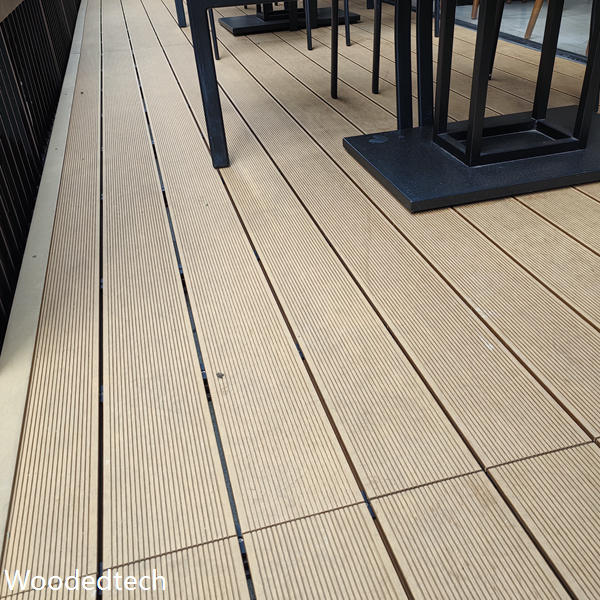
The application of WPC in outdoor settings is exceptionally versatile. Its resistance to moisture makes it ideal for areas like swimming pool decks and balconies, where exposure to water and humidity is constant. Moreover, the slip-resistant surface of WPC reduces the risk of accidents, providing a safer environment for families and visitors. For commercial landscapes, such as hotels and parks, WPC offers a visually appealing alternative that can mimic the look of wood without the drawbacks of natural materials that may warp or decay.
Residential and Commercial Applications of WPC
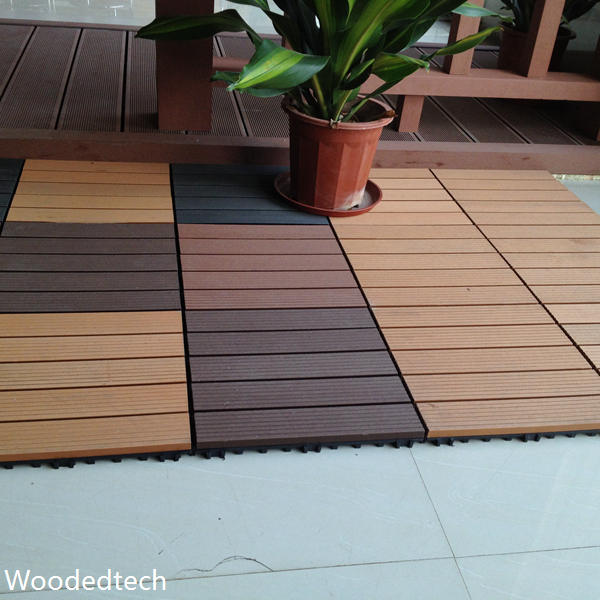
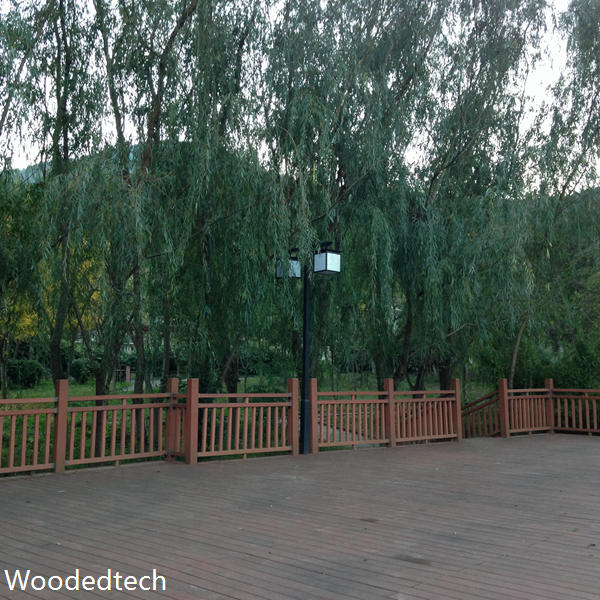
In residential gardens, polymer wood composite walkway covers serve not only a functional purpose but also enhance the overall aesthetic appeal. They can be integrated seamlessly into garden designs, providing pathways that guide visitors through floral arrangements and manicured lawns. The ability to customise colours and textures is a distinct advantage of WPC, allowing homeowners to create a personal touch that complements their outdoor spaces.
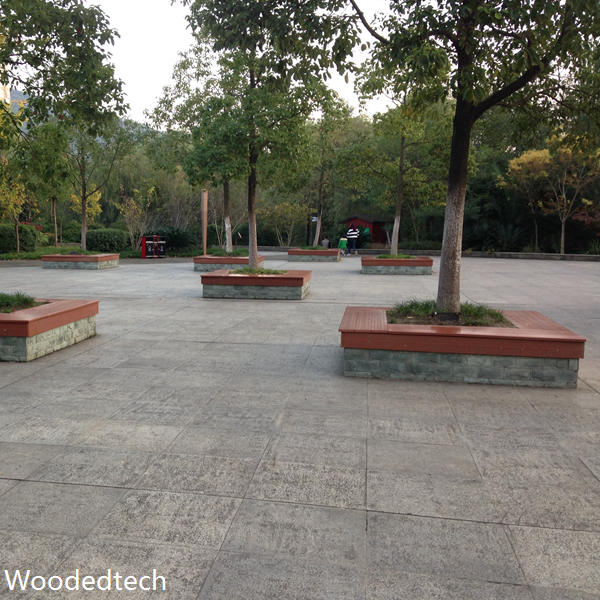
For commercial applications, WPC is gaining traction in hotels and resorts that want to create inviting outdoor areas. The elegant look of a WPC walkway can enhance the guest experience, making it feel more connected to nature without compromising on durability. In parks, where foot traffic can wear down traditional materials quickly, WPC provides a long-lasting solution that can withstand various weather conditions.
Sustainability and Aesthetic Value of WPC
One of the compelling arguments for choosing polymer wood composite is its sustainability. WPC is often made from recycled materials, contributing to environmental conservation. This aspect resonates well with businesses and homeowners who are increasingly prioritising eco-friendly options. The ability to use WPC in outdoor projects aligns with a growing trend towards sustainable building practices, without sacrificing aesthetic value.
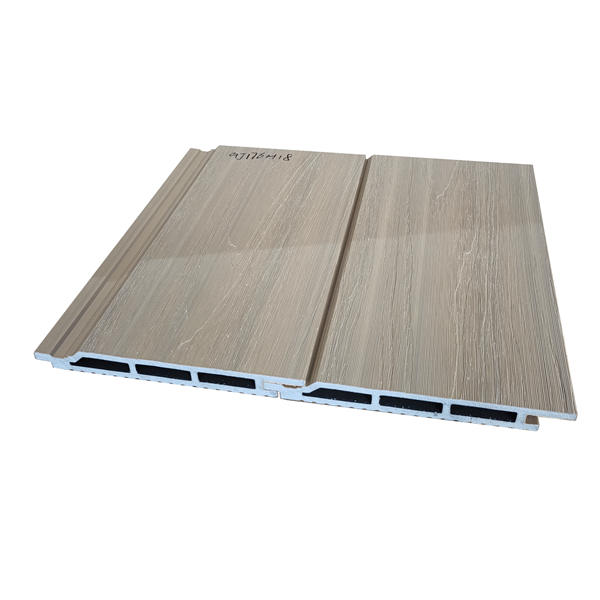
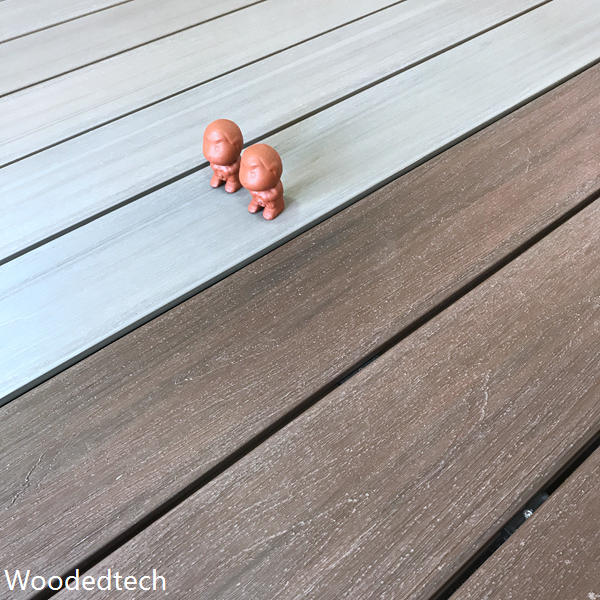
Moreover, WPC can be designed to mimic the appearance of natural wood, offering a warm and inviting look. This is particularly advantageous in public facilities, where the visual impact can significantly enhance the user experience. By incorporating WPC into a facility’s design, architects and landscape engineers can create areas that are not only functional but also visually appealing.
Metal Walkways: Strength and Limitations
Metal walkway solutions, while undeniably strong, come with limitations that can affect their long-term utility. Although they require less upfront maintenance, the susceptibility to rust and corrosion can necessitate costly repairs or replacements over time. Metal surfaces can also become hot under direct sunlight, raising safety concerns in climates with prolonged sun exposure.
However, metal designs can provide a modern, industrial look that appeals to certain architectural styles. In commercial settings, this look can be advantageous for brands seeking a sleek image. Metal walkways can also support heavy loads, making them suitable for areas with high foot traffic, such as airports or industrial sites. The decision ultimately hinges on the specific needs of the project and the environmental conditions it will face.
Professional Recommendations for Outdoor Spaces
As a WPC application engineer, my professional recommendation leans towards using polymer wood composite in most outdoor applications due to its versatility, safety features, and aesthetic appeal. For residential gardens, selecting WPC can yield a beautiful path that enhances the landscape without the maintenance challenges posed by natural wood or metal. In commercial use, WPC can create inviting spaces in hotels and public facilities that enhance user experience while promoting sustainability.
In conclusion, while metal solutions may serve specific functions well, the advantages of polymer wood composite walkway covers in terms of aesthetics, safety, and sustainability make them a superior choice for a wide range of outdoor applications.