Apa batas berat paviliun plastik kayu komposit untuk keamanan
Mendefinisikan Batas Berat Paviliun Plastik Kayu Komposit
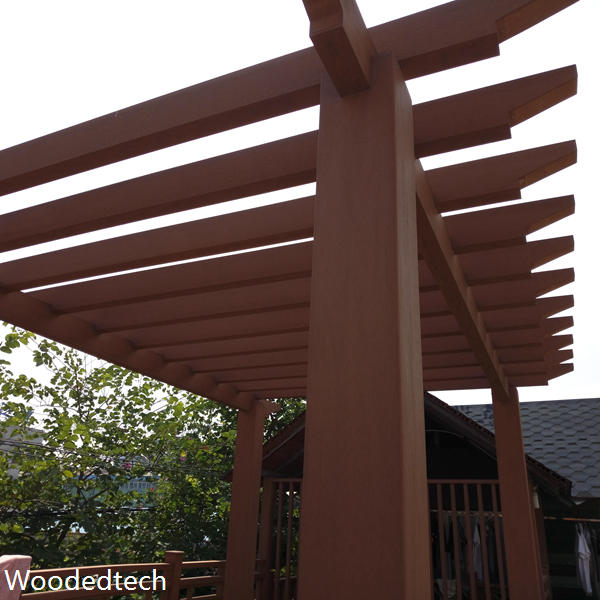
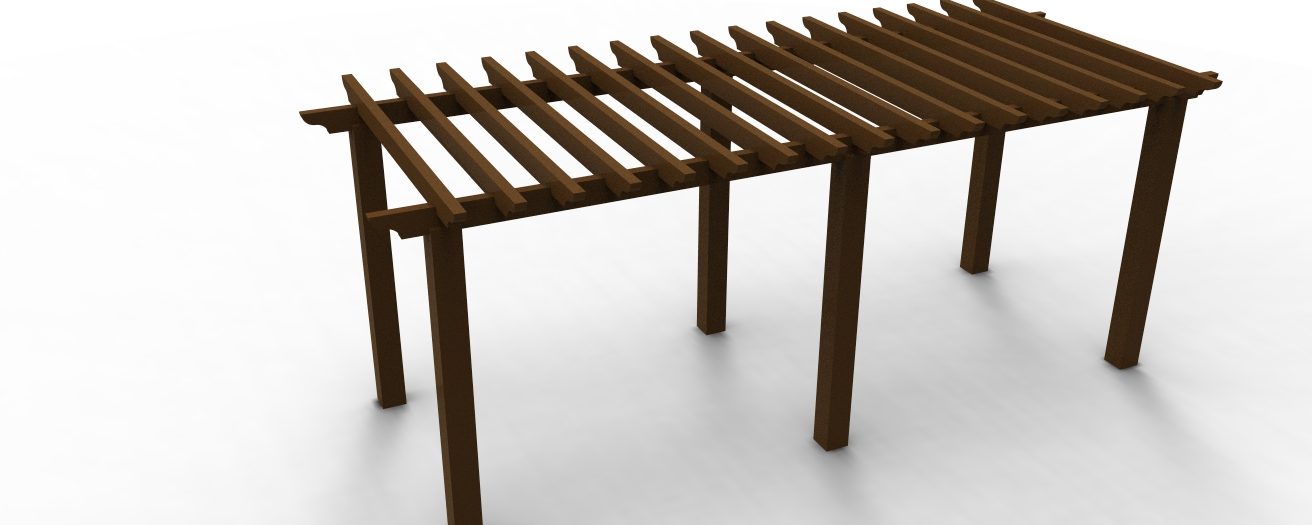
Paviliun plastik kayu komposit, yang dirancang untuk penggunaan di luar ruangan, memerlukan pertimbangan yang cermat tentang batas beratnya untuk memastikan keamanan dan umur panjang.Memahami kapasitas beban sangat penting ketika mengembangkan formula untuk komposit plastik kayu (WPC) yang akan digunakan dalam aplikasi struktural seperti paviliun.Batas berat tidak hanya mempengaruhi desain paviliun tetapi juga mempengaruhi pilihan bahan yang digunakan dalam konstruksi.
Batas berat paviliun plastik kayu komposit biasanya ditentukan oleh kekuatan gabungan dari serat kayu dan matriks plastik.Formulasi komposit harus disesuaikan untuk mencapai keseimbangan optimal antara komponen-komponen ini.Misalnya, meningkatkan kandungan serat kayu dapat meningkatkan kekuatan keseluruhan tetapi juga dapat membuat komposit lebih rentan terhadap penyerapan kelembaban, yang dapat melemahkan struktur dari waktu ke waktu.Oleh karena itu, presisi dalam formulasi sangat penting.
Menyeimbangkan Kandungan Serat Kayu dan Rasio Plastik
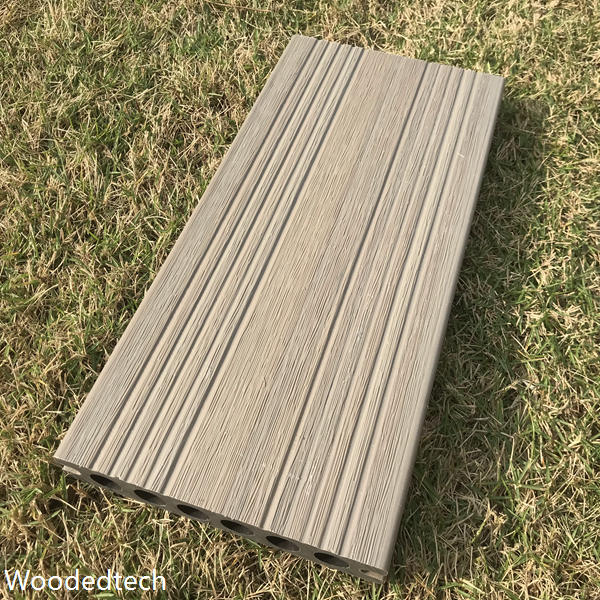
Interaksi antara serat kayu dan resin plastik merupakan faktor penting dalam menentukan kinerja komposit.Kandungan serat kayu yang lebih tinggi umumnya meningkatkan kekakuan dan kekuatan tekan, yang sangat penting untuk aplikasi yang membutuhkan kemampuan beban yang signifikan.Namun, penting untuk menemukan keseimbangan; rasio serat yang terlalu tinggi dapat menyebabkan kerapuhan dan penurunan resistensi benturan.Sebaliknya, meningkatkan rasio plastik dapat meningkatkan fleksibilitas dan ketahanan kelembaban, memperpanjang umur paviliun.
Selama proses perumusan, para insinyur harus mengevaluasi persyaratan aplikasi khusus, termasuk kondisi iklim dan faktor beban yang diharapkan.Penilaian ini memungkinkan untuk optimasi serat kayu dan rasio plastik, memastikan bahwa produk akhir dapat menahan tekanan lingkungan sambil mematuhi batas berat yang ditentukan.
Aditif dan Dampaknya terhadap Kinerja
Aditif memainkan peran penting dalam meningkatkan karakteristik WPC.Ini dapat mencakup stabilisator UV, agen anti-jamur, dan pengubah dampak, masing-masing dirancang untuk meningkatkan aspek-aspek tertentu dari komposit.Menggabungkan aditif ini tidak hanya berkontribusi pada umur panjang produk tetapi juga mempengaruhi batas berat badan secara keseluruhan.Misalnya, dimasukkannya penguat dampak dapat meningkatkan ketangguhan komposit, memungkinkannya untuk lebih mendukung berat pengguna dan beban tambahan seperti furnitur atau instalasi.
Pengendalian biaya juga merupakan aspek penting dari penggunaan aditif.Memilih kombinasi bahan yang tepat untuk mengoptimalkan kinerja tanpa mengeja biaya adalah keseimbangan yang menantang namun perlu.Sangat penting untuk melakukan pengujian menyeluruh untuk memastikan bahwa properti yang diinginkan tercapai tanpa mengorbankan anggaran atau kualitas produk.
Pengendalian Biaya dan Pertimbangan Lifespan
Kelangsungan ekonomi paviliun plastik kayu komposit sebagian besar bergantung pada biaya bahan baku dan daya tahan produk akhir.Komposit yang diformulasikan dengan baik seharusnya tidak hanya memenuhi standar keselamatan mengenai batas berat tetapi juga dapat diakses secara finansial untuk produsen dan konsumen.Memantau harga bahan baku, sambil mengevaluasi formulasi, memungkinkan para insinyur untuk membuat keputusan berdasarkan informasi yang selaras dengan permintaan pasar.
Selain itu, umur paviliun secara langsung berkaitan dengan formulasi yang digunakan.WPC yang menunjukkan ketahanan terhadap faktor lingkungan seperti kelembaban, sinar UV, dan degradasi biologis cenderung memiliki masa pakai yang lebih lama.Umur panjang ini dapat memberikan penghematan biaya yang signifikan dari waktu ke waktu, melebihi investasi awal dalam bahan dan aditif berkualitas tinggi.
Pengujian dan Kepatuhan terhadap Standar Keselamatan
Untuk memastikan batas berat paviliun plastik kayu komposit terpenuhi, pengujian yang ketat sangat penting.Ini termasuk pengujian material dan evaluasi struktural yang mensimulasikan kondisi dunia nyata.Kepatuhan terhadap standar keselamatan tidak dapat dinegosiasikan; dengan demikian, formulasi harus menjalani penilaian komprehensif untuk memastikan kemampuan memuat-bearing mereka.Pengujian harus mencakup berbagai faktor, termasuk fluktuasi suhu dan tingkat kelembaban, yang dapat mempengaruhi kinerja.
Menggabungkan hasil tes ini ke dalam proses desain dan formulasi memungkinkan para insinyur untuk memperbaiki produk mereka secara terus menerus, memastikan mereka dapat dengan percaya diri memenuhi persyaratan keselamatan sementara juga menarik bagi pasar.Tujuannya adalah untuk membuat paviliun yang tidak hanya estetis menyenangkan tetapi juga secara struktural sehat dan aman untuk digunakan.