Apa perbedaan antara kiscatik kayu komposit vs perbandingan vinil
Komposit Lintang Kayu Komposit Ikhtisar
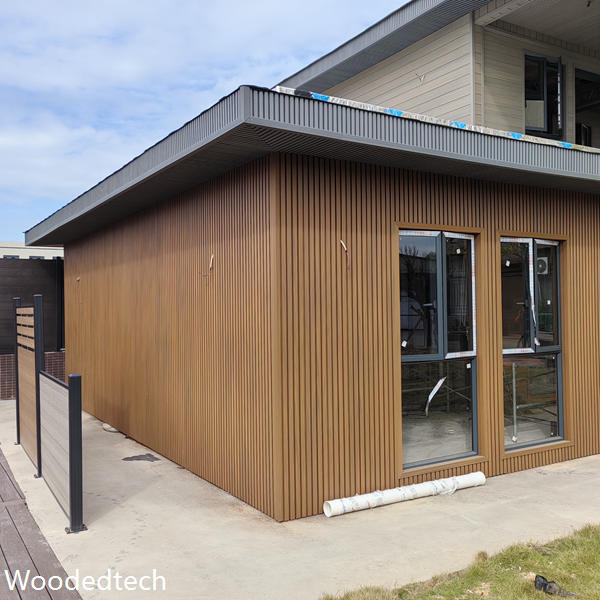
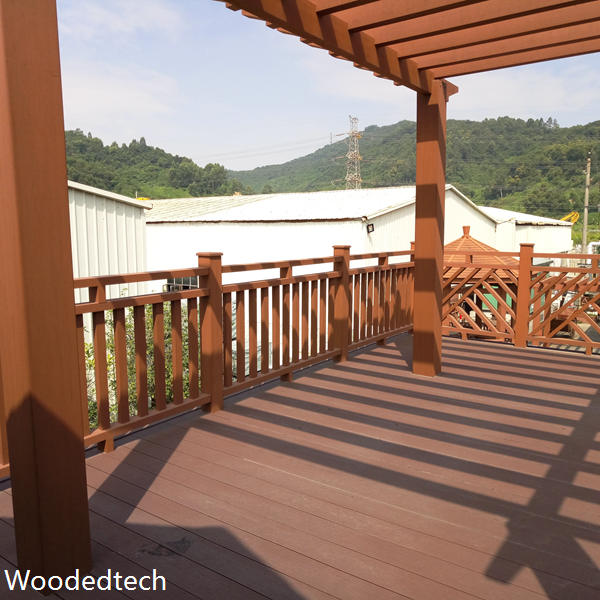
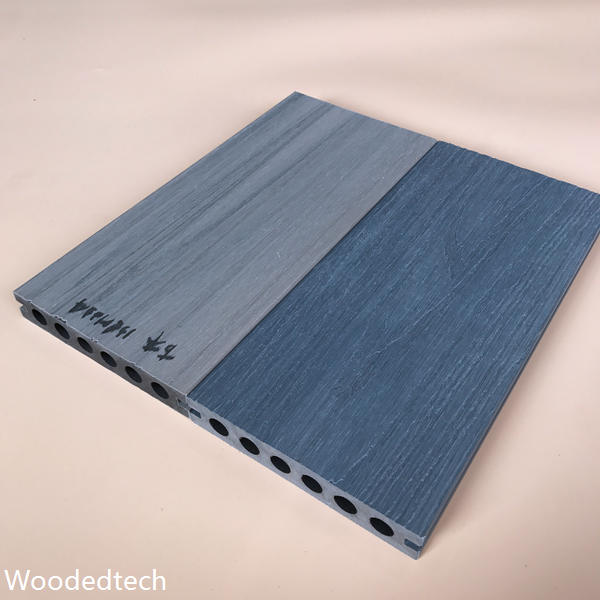
Pilihan antara kisi kayu komposit dan produk vinil dapat berdampak tidak hanya pada estetika ruang luar tetapi juga umur panjang dan pemeliharaannya.Kisi kayu komposit, sering terbuat dari kombinasi serat kayu dan plastik daur ulang, menawarkan daya tarik visual kayu tradisional sambil memberikan ketahanan cuaca yang unggul.Komposisi unik ini memastikan bahwa produk tetap stabil dan kurang rentan terhadap warping atau cracking, faktor kunci dalam aplikasi luar ruangan.
Ketika mempertimbangkan kisi kayu komposit, formulasi sangat penting.Campuran serat kayu dan plastik harus seimbang dengan hati-hati untuk mencapai kinerja optimal tanpa mengorbankan biaya.Di sinilah keahlian insinyur pengembangan formulasi WPC ikut bermain, karena campuran yang tepat dapat meningkatkan daya tahan dan umur panjang sambil memastikan keterjangkauan untuk pasar yang kompetitif.
Vinyl Versus Komposit Kayu Properti
Produk vinil, di sisi lain, menghadirkan serangkaian kelebihan dan kekurangan yang berbeda.Vinyl benar-benar sintetis dan tahan terhadap kelembaban, serangga, dan pembusukan, menjadikannya pilihan yang menarik untuk aplikasi perawatan rendah.Namun, daya tarik estetika vinil kadang-kadang bisa jauh dari pilihan kayu komposit, yang memberikan tampilan yang lebih hangat dan lebih alami.
Dari perspektif manufaktur, vinil lebih mudah untuk ekstrusi dan bentuk, memungkinkan untuk desain produk yang lebih beragam.Namun, kemudahan ini datang dengan biaya, baik dalam hal dampak lingkungan dan umur produk.Sementara vinil dapat bertahan selama beberapa dekade, itu tidak dapat terurai secara hayati dan menimbulkan masalah pembuangan pada akhir siklus hidupnya, faktor yang semakin penting dalam lanskap bahan bangunan berkelanjutan saat ini.
Merancang Formulasi Komposit Berkinerja Tinggi
Pengembangan formulasi komposit plastik kayu outdoor berkinerja tinggi membutuhkan pemahaman mendalam tentang interaksi antara serat kayu, rasio plastik, dan berbagai aditif.Misalnya, meningkatkan kandungan serat kayu dapat meningkatkan tampilan dan nuansa alami dari produk, tetapi juga dapat menyebabkan berkurangnya kekuatan jika tidak diimbangi dengan hati-hati dengan jumlah plastik yang tepat.
Aditif juga memainkan peran penting dalam meningkatkan kinerja.Stabilisator UV, misalnya, sangat penting dalam melindungi komposit dari kerusakan akibat sinar matahari, sementara agen anti-jamur dapat mencegah pertumbuhan jamur dan jamur.Pada akhirnya, mencapai formula yang tepat melibatkan keseimbangan antara kinerja, penampilan, dan pengendalian biaya, memastikan bahwa produk akhir memenuhi harapan produsen dan konsumen.
Kontrol biaya dalam pengembangan material
Pengendalian biaya merupakan faktor penting dalam pengembangan produk kayu komposit.Harga bahan baku dapat berfluktuasi, sehingga perlu untuk tetap mendapat informasi tentang tren pasar dan terus mengevaluasi formulasi.Ini sering berarti sumber serat kayu alternatif atau plastik daur ulang yang menawarkan manfaat serupa dengan biaya yang berkurang, yang secara signifikan dapat meningkatkan daya saing di pasar yang ramai.
Selain itu, produsen harus mempertimbangkan seluruh rantai nilai, mulai dari pengadaan bahan baku hingga pemrosesan dan distribusi.Dengan mengoptimalkan setiap langkah, perusahaan dapat mencapai produk yang lebih ekonomis tanpa mengorbankan kualitas, yang sangat penting dalam kisi kayu komposit versus perbandingan vinil.
Umur Produk dan Pertimbangan Lingkungan
Umur suatu produk semakin menjadi faktor penentu bagi konsumen.Produk kayu komposit, ketika diformulasikan dan dipelihara dengan benar, dapat memiliki umur yang jauh lebih lama daripada kayu tradisional, yang dapat membusuk dan membusuk seiring waktu.Selain itu, implikasi lingkungan dari memilih bahan komposit, yang sering menggunakan konten daur ulang, sangat besar dibandingkan dengan alternatif vinil.
Pertimbangan mengenai keberlanjutan menjadi lebih menonjol dalam proses desain.Formulasi produk WPC dapat menggabungkan bahan berbasis bio atau aditif yang meningkatkan daur ulang.Dengan berfokus pada praktik berkelanjutan, produsen dapat menarik segmen pasar yang berkembang yang memprioritaskan tanggung jawab lingkungan di samping kinerja.