Canopy Timber Plastik Komposit LEED Poin untuk Konstruksi Berkelanjutan
Memahami Canopy Timber Plastik Composite
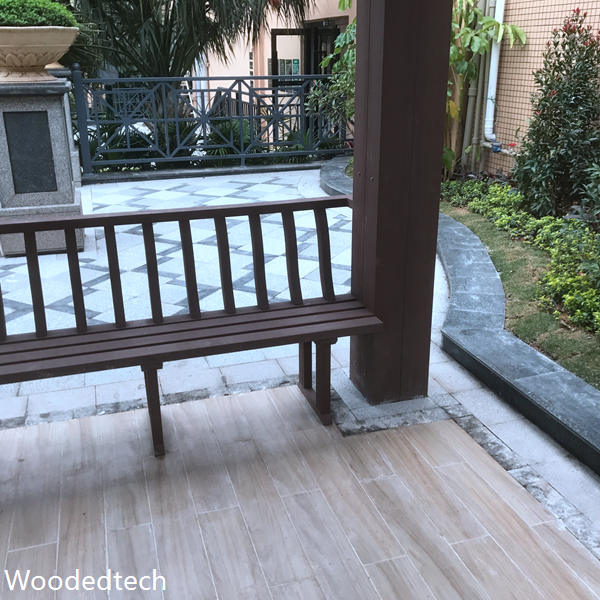
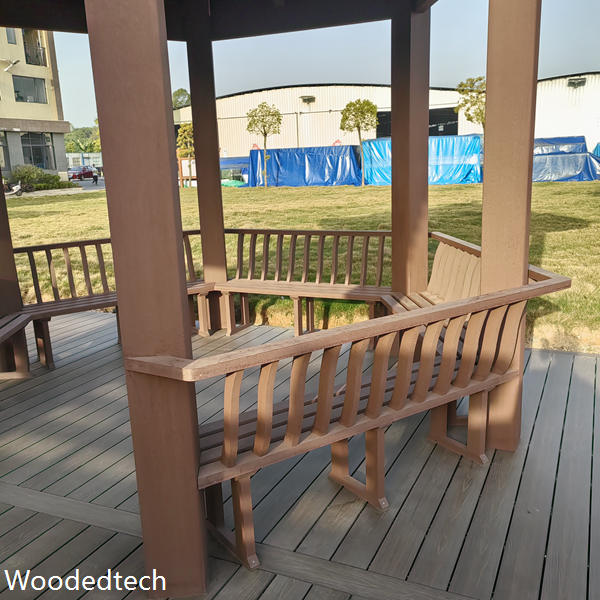
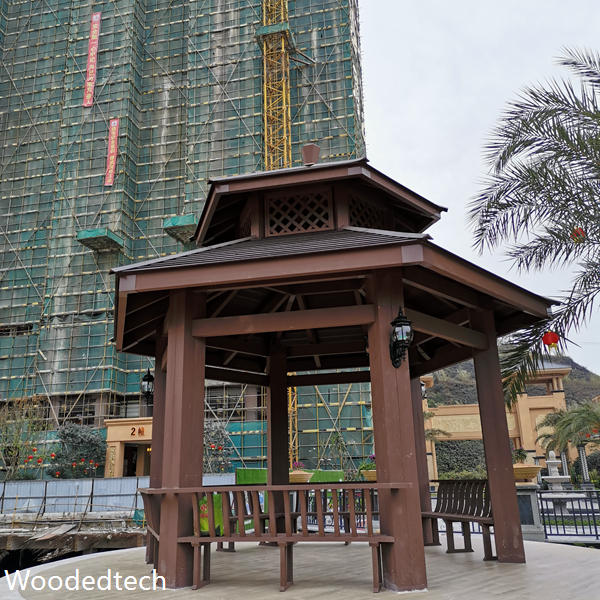
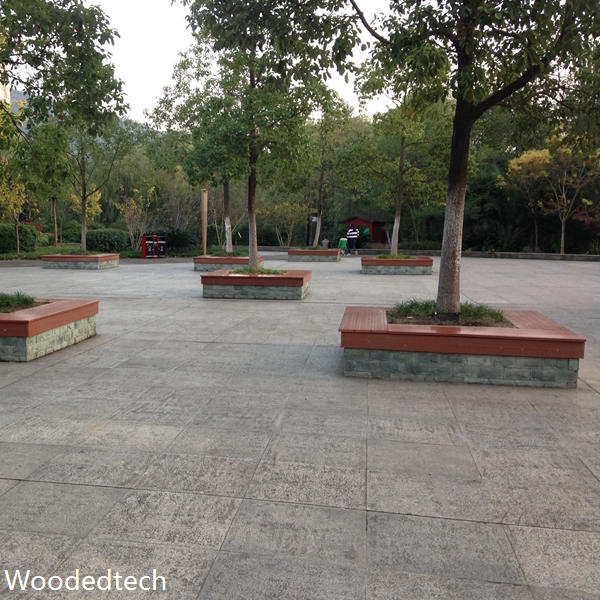
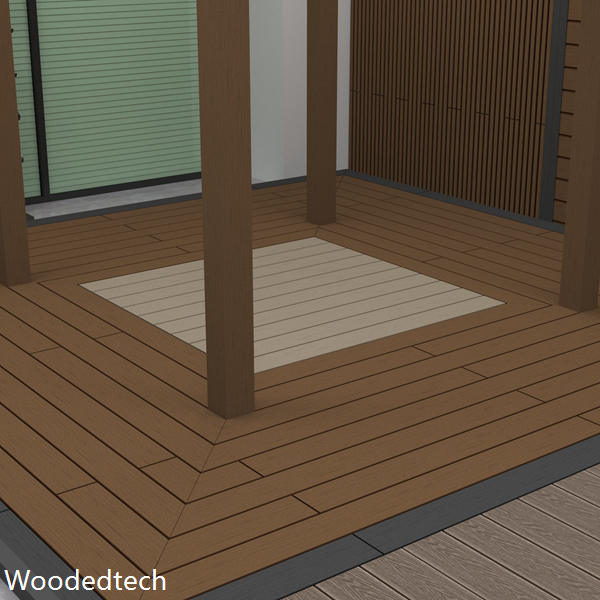
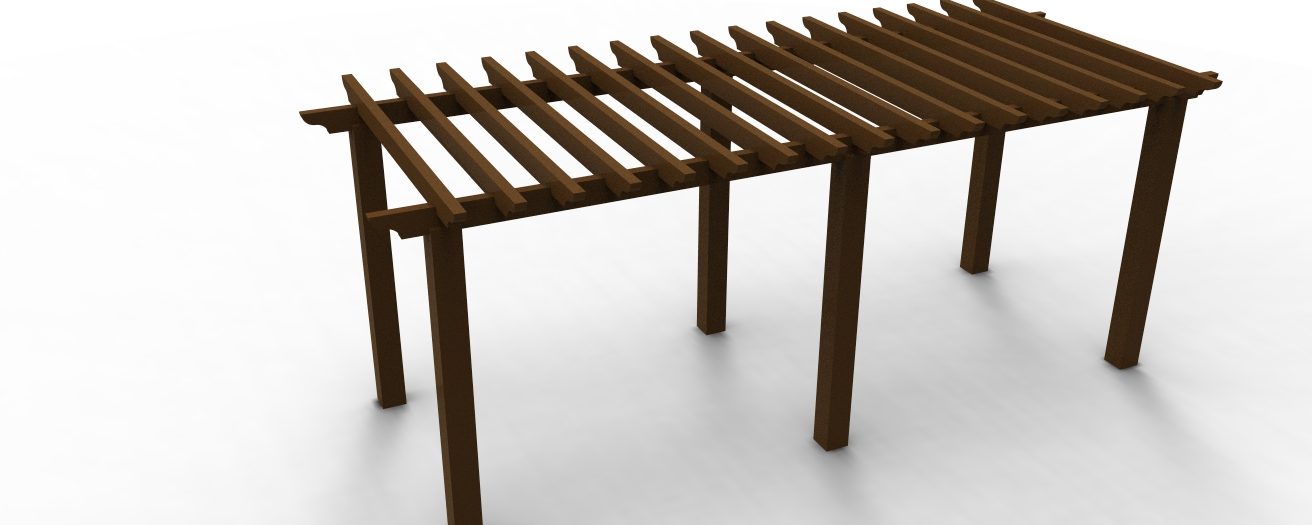
Komposit plastik kayu kanopi adalah bahan yang menggabungkan estetika alami kayu dengan daya tahan dan perawatan plastik yang rendah.Komposit inovatif ini sangat cocok untuk struktur luar ruangan, termasuk pergolas, gazebo, dan penghiasan.Perpaduan kedua bahan ini menghasilkan produk yang tidak hanya terlihat menarik tetapi juga menahan kerasnya alam, menjadikannya pilihan ideal bagi pembeli internasional yang mencari solusi berkelanjutan dan tahan lama.Ketika permintaan global untuk bahan konstruksi ramah lingkungan tumbuh, signifikansi komposit plastik kayu kanopi tidak dapat dilebih-lebihkan.
Pembeli internasional semakin beralih ke produsen Cina seperti WPC Pergola untuk struktur luar ruangan WPC (komposisi plastik kayu).Organisasi-organisasi ini menawarkan berbagai sistem modular yang dapat disesuaikan untuk memenuhi kebutuhan desain tertentu.Kemampuan beradaptasi ini tidak hanya memfasilitasi pemasangan yang lebih mudah tetapi juga menyediakan pembeli dengan fleksibilitas dalam sumber produk yang selaras dengan kebutuhan proyek mereka.Ketika tren konstruksi bergeser ke arah keberlanjutan, memahami manfaat komposit plastik kayu kanopi menjadi penting.
Poin LEED dan Keberlanjutan
Kepemimpinan dalam Desain Energi dan Lingkungan (LEED) adalah sistem sertifikasi yang diakui secara global yang mempromosikan keberlanjutan dalam desain bangunan, konstruksi, dan operasi.Struktur komposit plastik kayu kanopi dapat berkontribusi secara signifikan untuk mendapatkan poin LEED, yang sangat penting untuk proyek-proyek yang bertujuan untuk sertifikasi.Misalnya, menggunakan bahan daur ulang dalam komposit dapat berdampak positif terhadap kategori Bahan dan Sumber Daya, karena menggunakan produk limbah dan mengurangi permintaan untuk ekstraksi bahan baru.
Selain itu, daya tahan struktur ini berkontribusi pada keberlanjutan keseluruhan bangunan.Mereka membutuhkan penggantian dan pemeliharaan yang lebih jarang dibandingkan dengan bahan tradisional, yang diterjemahkan menjadi berkurangnya konsumsi sumber daya dari waktu ke waktu.Umur panjang ini juga dapat secara positif mempengaruhi kredit Energi dan Atmosfer di bawah kerangka LEED, karena lebih sedikit energi yang dikonsumsi dalam pembuatan dan penggantian bahan bangunan.Pembeli internasional yang ingin meningkatkan kredensial keberlanjutan proyek mereka akan menemukan bahwa mengintegrasikan komposit plastik kayu kanopi ke dalam desain mereka adalah langkah strategis.
Manfaat Instalasi Sistem Modular
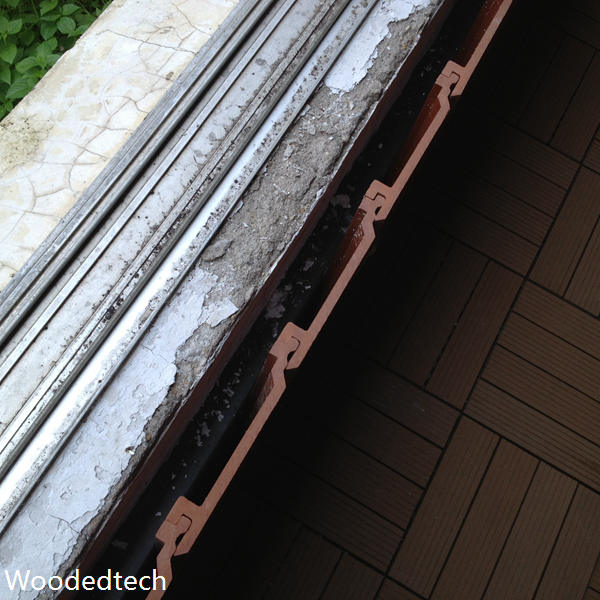
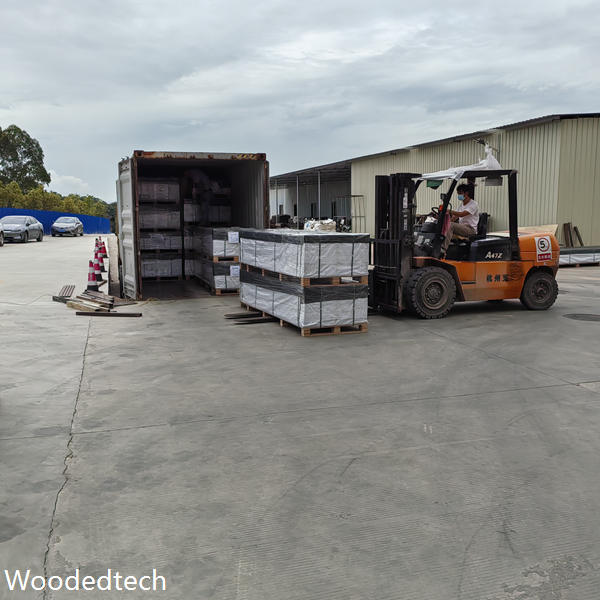
Pemasangan struktur komposit plastik kayu kanopi sering disederhanakan melalui sistem modular.Sistem ini dirancang untuk perakitan cepat, mengurangi biaya tenaga kerja dan waktu di lokasi.Bagi pembeli internasional, ini adalah keuntungan yang signifikan, karena instalasi yang lebih cepat berarti proyek dapat diselesaikan lebih cepat, memungkinkan alokasi dan penjadwalan sumber daya yang lebih baik.Pendekatan modular tidak hanya mempercepat proses instalasi tetapi juga mengurangi limbah, karena komponen diproduksi dengan presisi, memastikan kelebihan material yang minimal.
Selain itu, sifat ringan dari bahan komposit ini membuat transportasi lebih mudah dan lebih ekonomis.Pembeli dapat memperoleh struktur ini dari China tanpa khawatir tentang biaya pengiriman yang meningkat yang biasanya terkait dengan bahan bangunan yang lebih berat.Kombinasi kemudahan instalasi dan efektivitas biaya membuat komposit plastik kayu kanopi menjadi pilihan yang menarik bagi mereka yang beroperasi dengan anggaran dan jadwal yang ketat.
Keunggulan Perbandingan Atas Bahan Tradisional
Ketika membandingkan komposit plastik kayu kanopi dengan kayu tradisional atau bahan plastik, keuntungannya menjadi jelas.Tidak seperti kayu tradisional, yang rentan terhadap membusuk, hama, dan kerusakan cuaca, komposit plastik kayu kanopi tahan terhadap banyak masalah ini.Ketahanan ini berarti lebih sedikit perawatan yang dibutuhkan dari waktu ke waktu, memungkinkan pemilik rumah dan pemilik properti komersial untuk fokus menikmati ruang luar mereka daripada terus-menerus memperbaikinya.
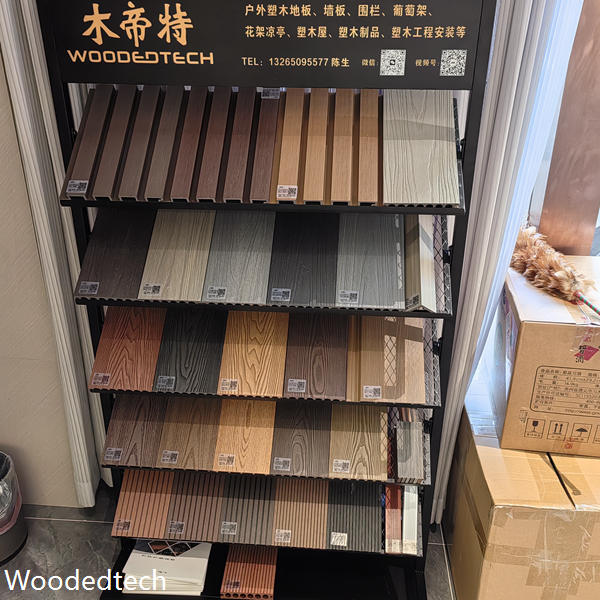
Selain itu, daya tarik estetika komposit plastik kayu kanopi tidak dapat diabaikan.Teknik manufaktur modern memungkinkan untuk berbagai selesai dan warna yang meniru keindahan alam kayu sambil memberikan kekuatan dan daya tahan bahan sintetis.Fleksibilitas estetika ini adalah titik penjualan yang sangat penting bagi pembeli internasional, karena mereka mencari produk yang memenuhi fungsionalitas dan harapan desain di wilayah mereka.
Tren masa depan dalam struktur WPC
Masa depan komposit plastik kayu kanopi tampak menjanjikan, terutama karena tren global condong ke arah keberlanjutan dan keramahan lingkungan.Ketika peraturan seputar bahan bangunan mengencangkan secara internasional, produsen berinovasi untuk memastikan kepatuhan sambil tetap memberikan produk berkualitas tinggi.Pendekatan adaptif ini tidak hanya memenuhi permintaan pasar tetapi juga memperkuat pentingnya praktik konstruksi berkelanjutan di dunia modern.
Pembeli yang ingin berinvestasi dalam struktur komposit plastik kayu kanopi dapat merasa percaya diri dalam pilihan mereka, mengetahui bahwa mereka mendukung praktik manufaktur yang bertanggung jawab terhadap lingkungan.Selanjutnya, seiring dengan permintaan untuk bahan-bahan ini meningkat, begitu juga potensi inovasi, memastikan bahwa struktur WPC akan terus berkembang dan memenuhi kebutuhan generasi mendatang.