Price Of Composite Decking Boards Through Factory Material Quality Control
Factory Quality Behind the Price of Composite Decking Boards
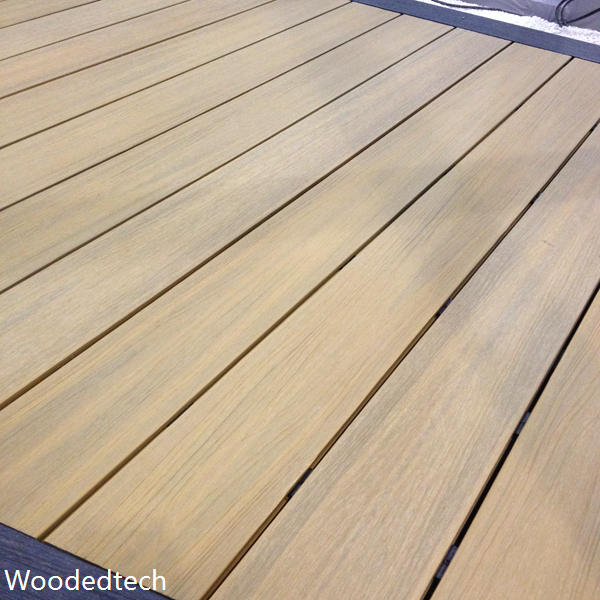
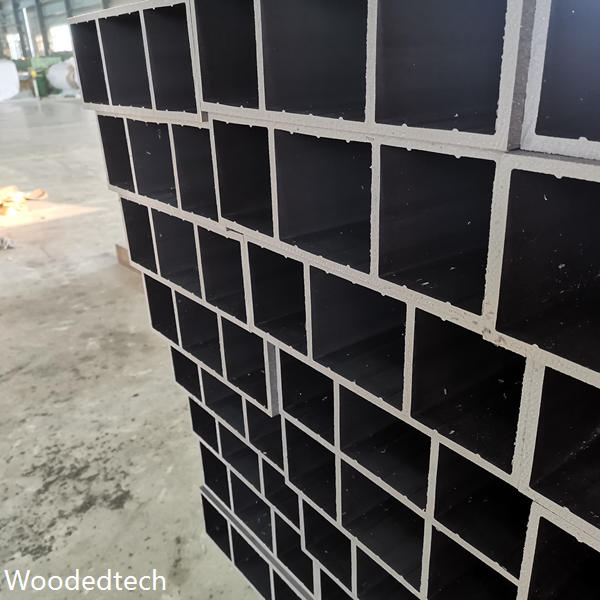
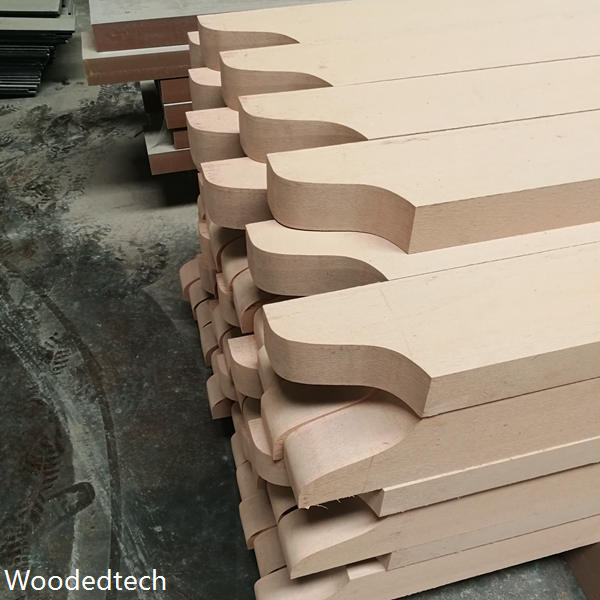
The price of composite decking boards is shaped by more than colour, profile and surface texture. Before installation begins, I check whether the boards have consistent fibre distribution, stable polymer content and controlled moisture levels. These factors affect straightness, screw holding, resistance to splitting and long-term movement. A reputable factory should inspect raw wood fibre, recycled polymer and additives before extrusion, then test board density, dimensions, impact strength and water absorption during production. Consistent material quality makes installation more predictable and reduces failures such as warped boards, open joints and loose fixings.
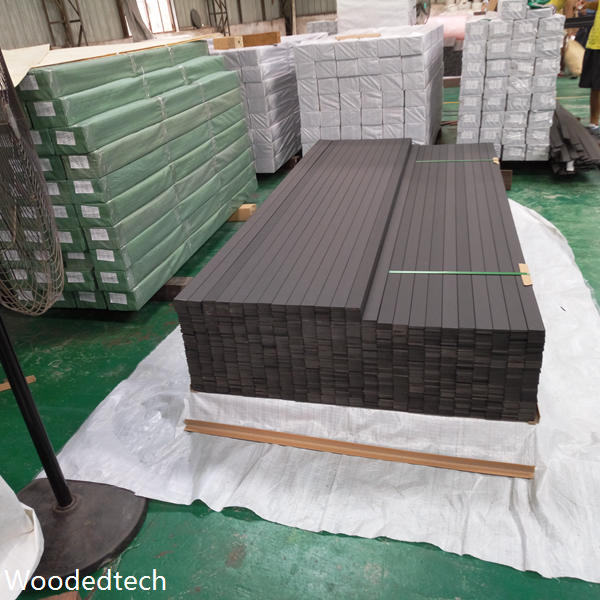
As an outdoor WPC installation technician, I also examine the batch information before accepting delivery. Boards should arrive protected from standing water, supported on a level pallet and stored off the ground. Check the colour, length, edge profile and surface finish against the order, then separate any damaged or visibly bowed pieces. The price of composite decking boards may be lower for a basic hollow profile, but savings disappear if inconsistent dimensions create excessive waste or require repeated replacement. Good quality control supports accurate cutting and a cleaner finished deck.
Subframe Preparation for Decking and Wall Cladding
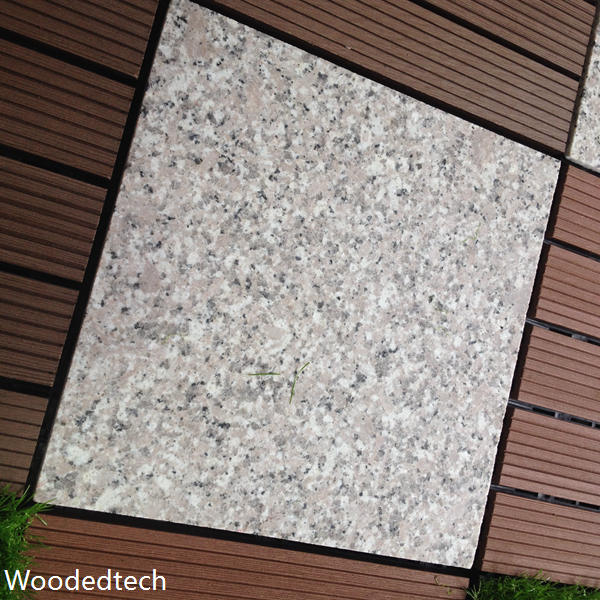
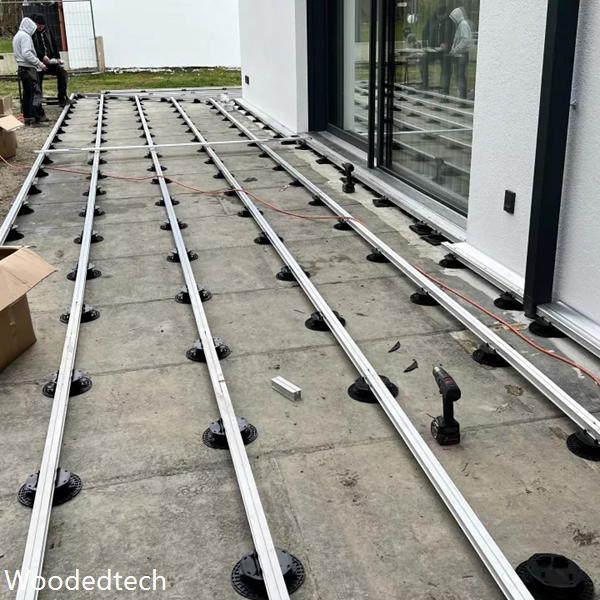
A stable subframe is the foundation of both WPC decking and exterior wall cladding. For a deck, confirm that the ground drains properly and remove soft soil, vegetation and loose debris. Use concrete pads, adjustable supports or another engineered foundation suitable for the site. Joists must be level, aligned and firmly fixed, with spacing based on the board manufacturer’s specification. A common residential arrangement is closer joist spacing for areas carrying heavy furniture or frequent foot traffic. Around board ends, stairs and perimeter edges, add extra support so no cut section is left unsupported.
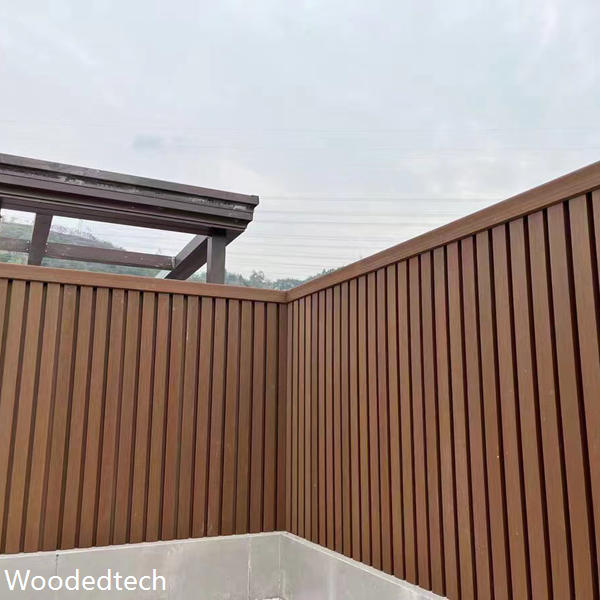
Wall cladding requires a vertical or horizontal batten system fixed to sound masonry, steel or timber. Set battens in one plane and maintain ventilation behind the cladding, with openings at the top and bottom where the design allows. Keep the subframe clear of direct contact with persistent damp areas and use corrosion-resistant fixings suited to the substrate. Irregular battens transfer directly into the finished surface, so use a straightedge and level throughout preparation. Do not use the cladding boards to correct a badly uneven wall.
Cutting and Fixing WPC Boards
Measure each board before cutting, allowing for the actual site dimensions rather than assuming every wall or joist line is identical. A fine-toothed circular saw gives clean cuts, while a sharp jigsaw is useful around posts, drains and corners. Support the board close to the cutting line and wear eye and dust protection. After cutting, remove loose swarf from the groove and inspect the edge for damage. Pre-drill near board ends where required by the installation manual, especially in cooler weather or close to corners, to reduce stress around the fixing point.
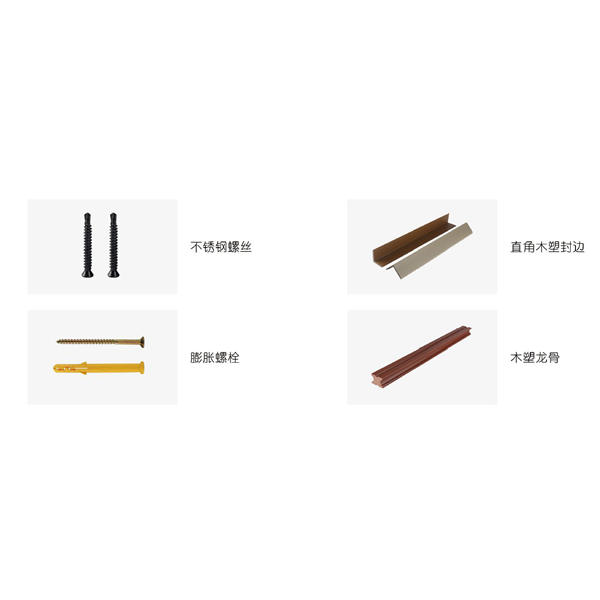
Decking is normally fixed with stainless steel starter clips, intermediate clips and end clips designed for the particular profile. Position the first board accurately because it controls every subsequent line. Drive screws squarely and avoid overtightening, which can crush a hollow board or restrict natural movement. For wall cladding, use the specified concealed clips or face-fixing system, keeping screw heads flush without deforming the board. Never mix clips from another profile unless the manufacturer has confirmed compatibility. A small difference in clip height can produce visible steps across the installation.
Expansion Gaps and Board Movement
WPC contains polymer and will expand or contract with temperature. Leave the specified side gap between adjacent boards and the required end gap at joints, walls, posts and fixed structures. The correct clearance depends on board length, local climate, installation temperature and the product profile. Long runs may need staggered joints and a double joist beneath each board end. Do not butt boards tightly together, even if the installation looks neat on a cool morning, because heat can force the boards against the frame and cause lifting or distortion.
Use a consistent spacer rather than estimating gaps by eye. At wall cladding corners, window reveals and roof lines, allow movement while fitting trims that cover the opening. Ventilation gaps should remain clear, and drainage paths must not be blocked by sealant or offcuts. Before fixing the final board, check that all boards can move within their designed restraint system. Factory dimensional testing helps, but correct site spacing is still essential because temperature and exposure vary from one project to another.
Entretien Après Installation
Remove cutting dust and construction debris immediately with a soft brush, clean water and a mild household detergent. Do not use aggressive solvents, strong bleach or a high-pressure nozzle held close to the surface, as these can mark the finish or force water into joints. Place protective pads beneath heavy furniture and avoid dragging metal items across the boards. Leaf litter, soil and standing water should be cleared from drainage gaps, especially beneath planters and along wall cladding at ground level.
Inspect the deck and cladding at least twice a year, paying attention to clips, visible screw heads, end gaps, trims and areas near downpipes. Replace damaged boards with the same approved profile and colour batch where possible, since later production runs can vary slightly. A disciplined installation, supported by factory material checks and regular maintenance, gives the selected WPC system a better chance of retaining its appearance, stability and service performance for many years.