What Is Wood Polymer Decking? Modern Colours, Textures And Modular Design
A decking board can leave a factory with a precise colour and convincing woodgrain, then arrive overseas with a crushed edge that makes it impossible to install. As a packaging engineer for outdoor wood polymer composite products, I treat appearance and transport protection as connected design requirements. Decking boards, wall panels and finishing profiles may travel thousands of miles by sea before an installer opens the first bundle. Their packaging must preserve the surfaces, dimensions and matching components that give the finished project its intended look.
Wood Polymer Decking And Its Design Options
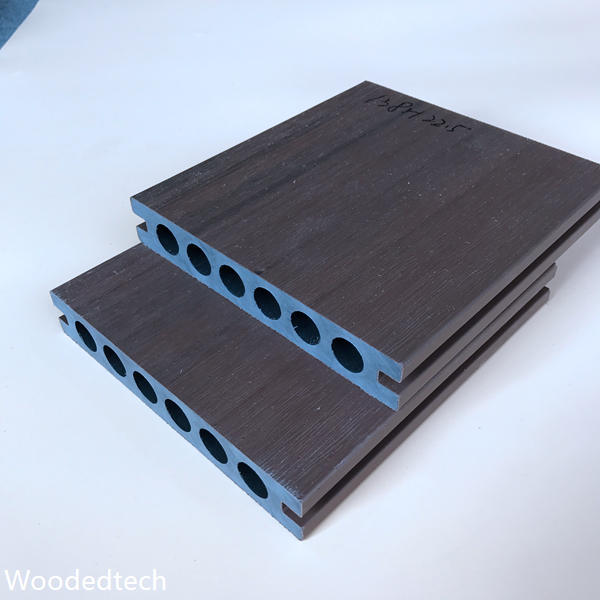
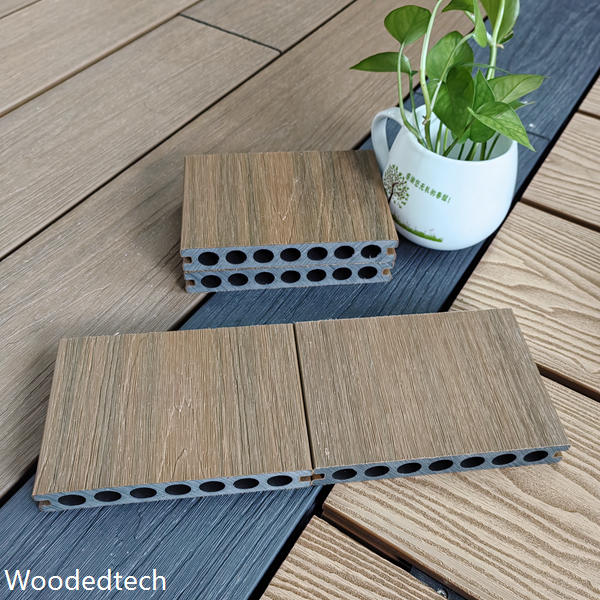
For buyers asking what is wood polymer decking, it is an outdoor board made from wood fibre or flour blended with polymers and additives, then formed into a consistent profile. Formulations and surface treatments vary by manufacturer. Some boards have a coextruded protective layer, while others have an exposed composite surface. Those differences affect colour retention, scratch resistance and the type of contact each board can tolerate in transit.
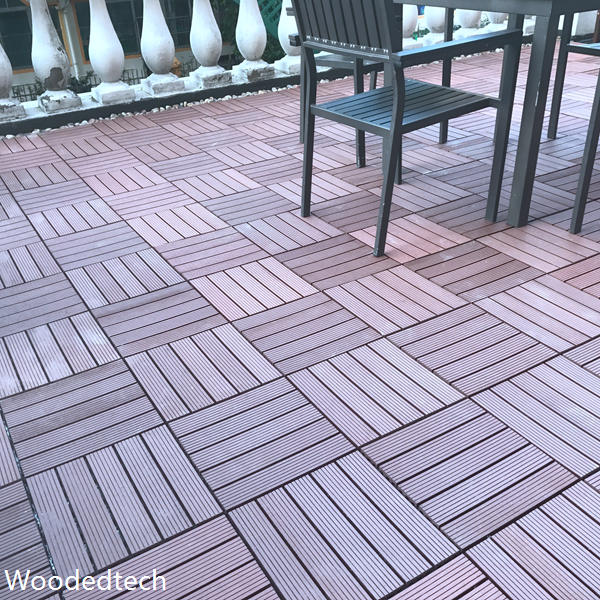
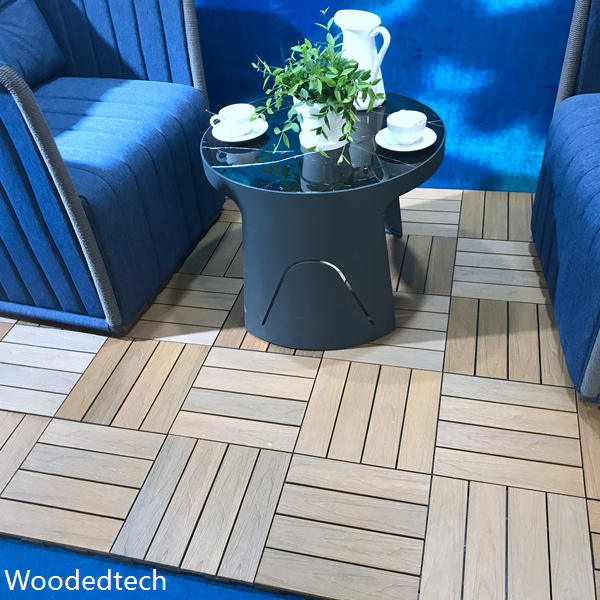
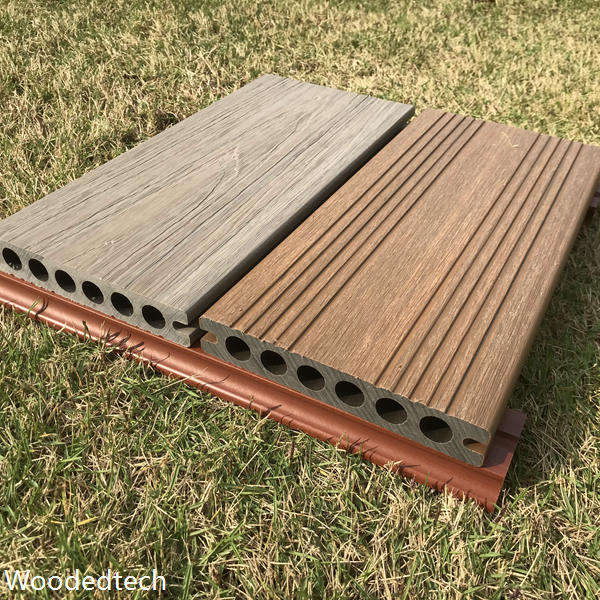
Modern ranges offer muted greys, warm timber tones and darker charcoal finishes, often with brushed or embossed textures. Reversible boards may present two surface patterns, giving designers more choice from one profile. Modular layouts add another dimension: boards of specified lengths work with clips, trims and edge pieces to form repeatable patterns. Packaging therefore has to protect not just individual boards but the consistency of an entire matched delivery.
Keeping Colours And Textures Intact
Visible faces need separation from anything that can abrade them during container vibration. We typically stack boards with aligned supports and place suitable interleaving between finished surfaces where the finish warrants it. The choice depends on texture depth, coating and the risk of transfer from the separator itself. A deeply embossed face can trap dust; a smooth, dark face may show fine scuffs immediately under site lighting.
Colour control also affects packing plans. Boards for one project should be identified by production batch and finish, with labels readable without dismantling the pallet. Mixed batches can produce visible shade changes across a large terrace even when every board passes its individual inspection. For wall panels and decorative profiles, orientation marks help warehouse teams keep patterned faces away from exposed pallet edges. A small identification error at dispatch can become an expensive sorting exercise at destination.
Protecting Long Boards During Ocean Freight
Decking is awkward cargo because long profiles can bend while narrow edges take concentrated impacts. Pallet bearers need positions that support the full bundle without allowing ends to sag. Compression straps must hold the load securely without marking the top boards, so corner protectors and rigid spreaders are often necessary. Hollow boards require particular care at their ends, where an impact can damage internal webs even though the outer face appears acceptable.
Wall panels may have thinner sections or projecting joints that need different support from decking. Corner trims, starter profiles and other narrow parts should be bundled separately or restrained in fitted compartments. Loose accessories inside a board pack can rub against finished surfaces for weeks. We also check forklift access and pallet height against the loading method, since a well protected bundle is of little use if it must be dragged or tilted excessively to enter the container.
Managing Moisture And Container Movement
Ocean transport exposes cargo to changing temperatures and humidity. Condensation can form inside a container when warm, moist air meets a cooler surface. Packaging should shield products from liquid water while avoiding trapped moisture around the boards or timber pallet. Dry packaging materials, appropriate wrapping and container desiccants may be specified according to route, season and shipment conditions. The objective is controlled protection, not simply adding more plastic film.
Container loads also experience braking, rolling and handling shocks. We calculate how pallets will be distributed and restrained so that bundles cannot shift into doors or neighbouring cargo. Trial packing is valuable for unfamiliar profiles or new pallet formats: it reveals unsupported spans, strap pressure points and wasted space before a full export order is committed. Photographs of the packed load provide a useful record for the importer and help resolve damage claims with evidence.
Modular Kits That Arrive Ready To Install
Modular decking works best when the complete set reaches site together. Clips, screws, joist accessories and matching edge trims should carry clear product references and quantities linked to the board packs. Waterproof document pouches can hold packing details, while durable external labels allow receivers to check a shipment before breaking its protective wrap. For projects with several colours or installation zones, grouping components by area can reduce handling and prevent incorrect materials being opened too early.
Before approving an export pack, I compare the packaging design with the actual installation sequence and the customer’s unloading equipment. A container may arrive at a port, pass through another warehouse and finally reach a site with limited lifting capacity. Packs that can be identified, moved and opened without damaging adjacent boards protect both the factory’s finish and the installer’s schedule. That is how modern colours, textures and modular design survive the journey from extrusion line to completed outdoor space.